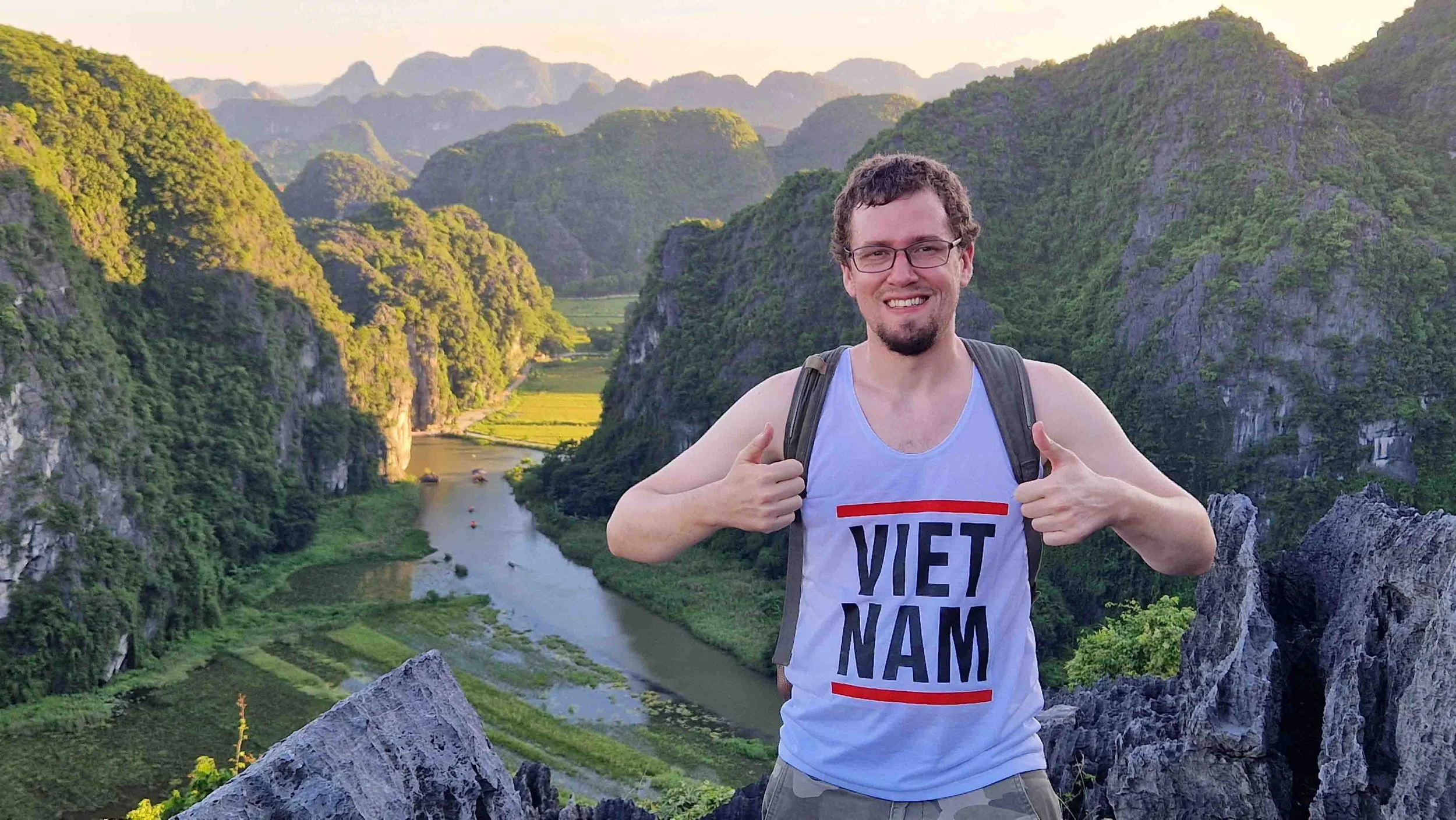

I finally got to go to the DMZ of Vietnam! I really wanted to visit this place, but in my last few visits to the centre of Vietnam didn’t give me time. After the experience, I can say that not only did not let me down, but I was surprised to well. If you are an enthusiast of history, you should not miss this place. By the way, if you could only recommend one book about the history of Vietnam, my recommendation would be The Vietnam war: An epic tragedy, 1945-1975.
1. What is the demilitarized zone in Vietnam?
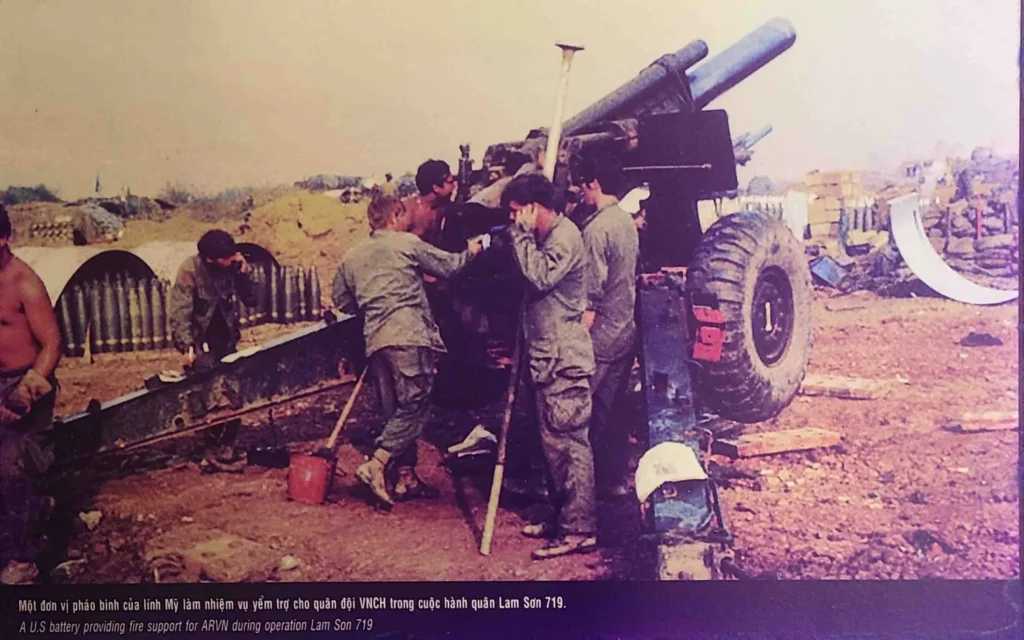
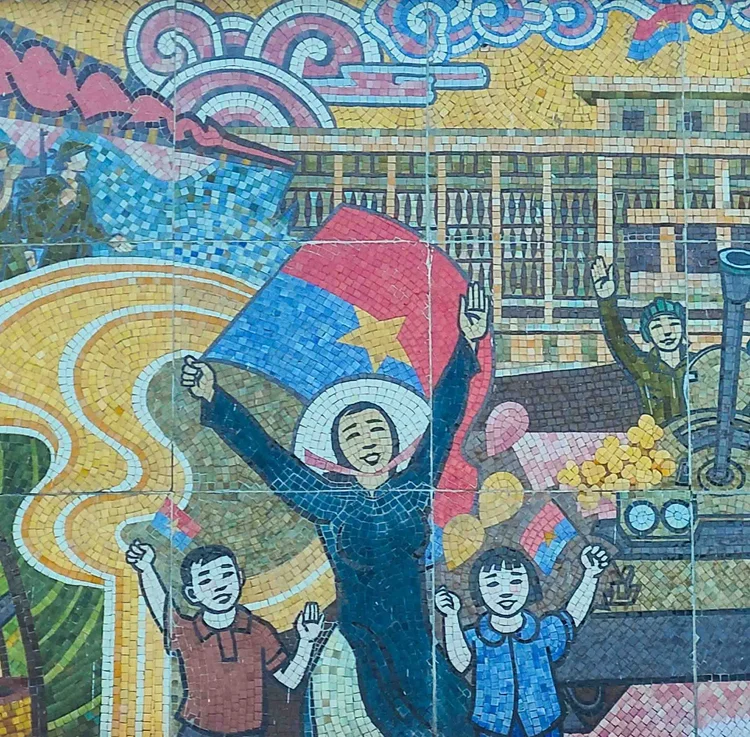
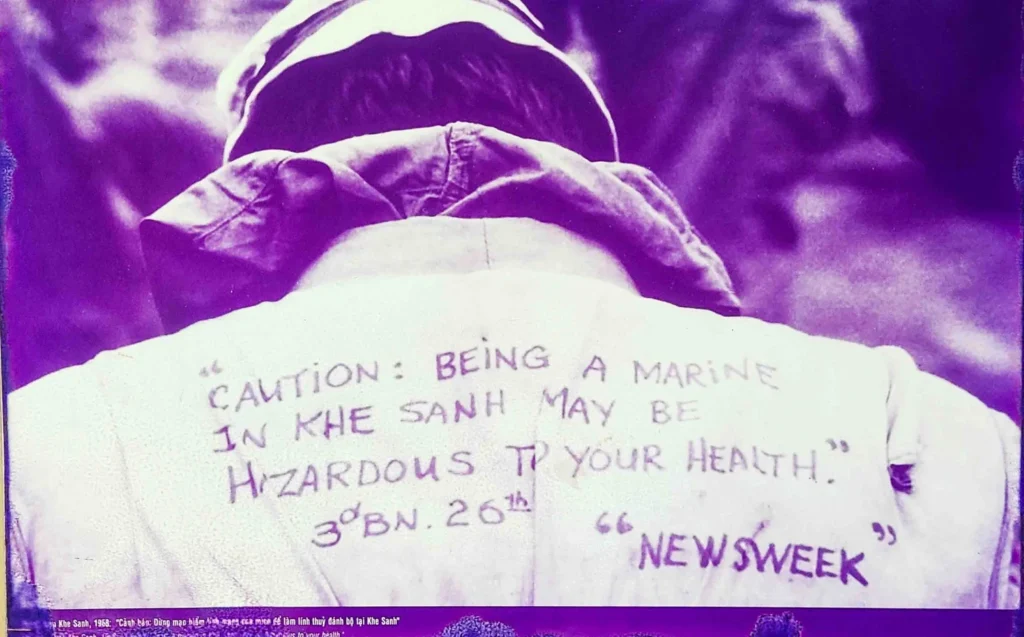
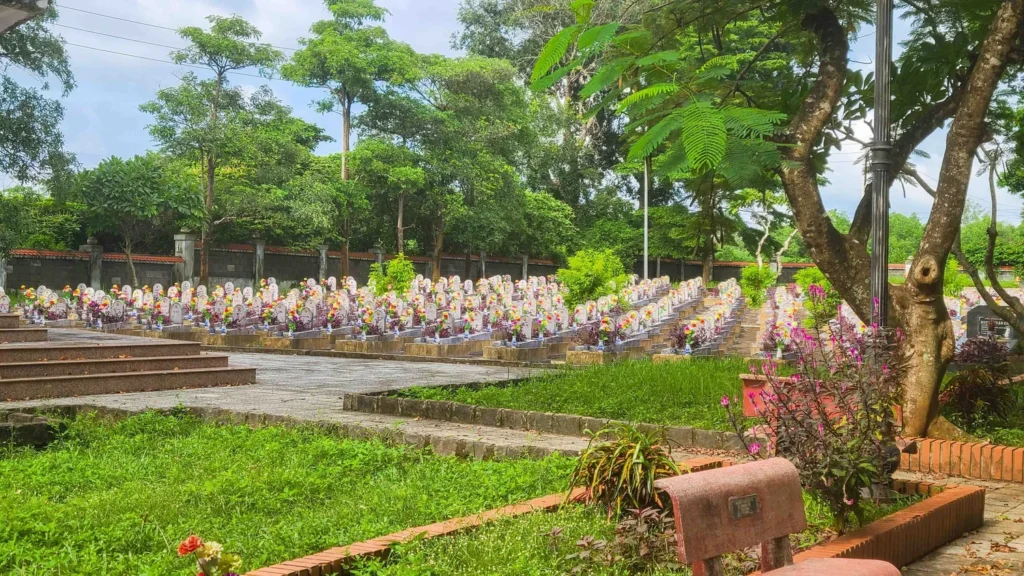
The demilitarized zone is located in the center of Vietnam, and is the area around the border that separated the north Vietnam communist, and south Vietnam capitalist, where the US army was deployed during the Vietnam war.
This place was the scene of bombings and important battles, and to this day it remains a place symbolically crucial to Vietnam, he remembers the trauma of the last division of the country, and celebrates his long-awaited reunification after decades of foreign occupation and several armed conflicts.
Here’s an interactive map with the main points of interest and accommodations that we mentioned below.
How to plan the visit? How to tour or on your own?
► Tour to the demilitarized zone of Vietnam

The tour to the demilitarized zone depart from the city of Hue, and are held in small groups. This is the option for those who want to visit the DMZ on a single day, convenient and efficient way.
Cost: 50€ (exact price on reservation page).
What’s included? English-speaking guide, transportation, entrance fees, and lunch).
Mode: 1 day, small groups, in English.
► Visit the DMZ on a bike

Also it is possible to visit the demilitarized zone on a bike. It is advisable to visit the area in several days, because the visit will require at least 350km (departing from Dong Hoi, Phong Nha, or Hue). Below I give you the info of how I have organized.
Duration: At least 2 days (minimum 350km)
Cost of bike: approx. 150.000 dongs (6€) for a 125cc scooter
Where to rent a bike: In your accommodation. I rented in Minh Quang Hotel.
From where to start? Hue, Dong Hoi or Phong Nha.
3. What are the most important places to visit?
📌Tunnels of Vinh Moc (1962 – 1968)

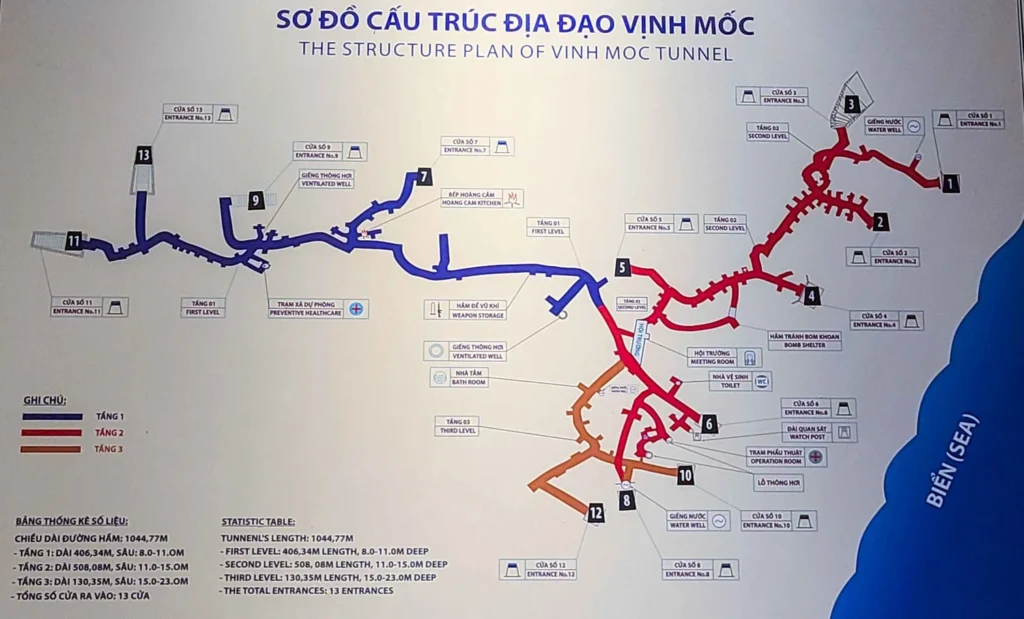
The Tunnels of Vinh Moc served as a shelter to dozens of families to the u.s. bombing during the Vietnam War. These tunnels were built by the villagers themselves, and are in their original state (except the lights).
The tunnels include three levels of depth, with the deepest reaching up to 23 feet. In your inside you could find many different types of facilities, such as areas of nursing, wells, kitchens and stores of weapons. In the surrounding area are preserved trenches that allowed the inhabitants to move more safely. It is estimated that the tunnels provided refuge to more than 90 families during the conflict, and that a number of babies were born within and under his protection.
The tunnels of Vinh Moc are more extensive than the famous Cu Chi tunnels (near Ho Chi Minh city). This is due to the Cu Chi tunnels were narrow to hinder the advance of the american troops, and to be used in ambushes, while the Vinh Moc offered a space more comfortable for local residents in search of protection. If you are planning to go to the south of Vietnam, don’t miss my guide to the city of Ho Chi MInh city.
📌Base of Khe Sanh (USA)
The military base of Khe Sanh, became a crucial point during the Vietnam War, housing an impressive infrastructure in the u.s. military. At its peak in 1968, the base was home to an airport, more than 40,000 soldiers, as well as a large number of aircraft and artillery pieces. This base was used to reduce the influence of the communist Viet Cong in the area, as well as hinder the passage of goods and soldiers through the route of Ho Chi Minh city, which connected north Vietnam and south through Laos and Cambodia.
✔️ The siege of the base of Khe Sanh in 1968 stands out as one of the most important battles of the war.
✔️The base never came to be invaded, but was in imminent danger.
✔️ These attacks were carried out before the great Tet offensive of 1968, in which las communist forces carried out a lightning attack against the united states at very different points in the south of Vietnam.
✔️ This siege to the base of Khe Sanh was in part a strategy to attract the attention of the US and its soldiers to this place, leaving unprotected other parts of the country.
✔️ The base was abandoned in July 1968, alluding to be a place vulnerable.

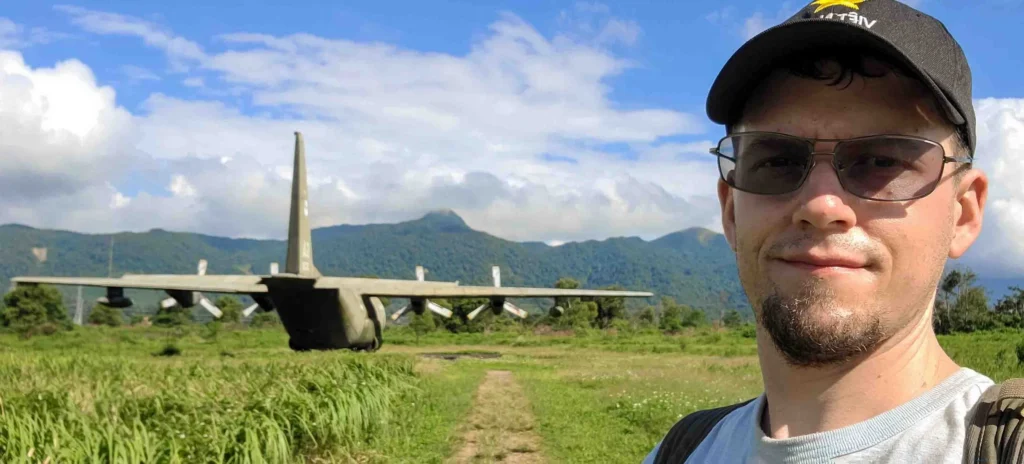
Today, the base of Khe Sanh is maintained as a place of historic interest, with a small museum that exhibits photographs, weapons and informative posters that narrate the history of the conflict in the area. In the outside area, you can admire the remains of vehicles americans, such as helicopters, tanks, and a large military aircraft. In addition, you can still observe – era buildings, trenches and bunkers rebuilt.
Price: 50.000 dongs (2€)
📌Bridge Hien Luong bridge of the meeting)

The bridge of Lien Huong connects the banks of the river Ben Hai. For 21 years, this river served as a border not only political but also symbolic, separating families and communities that previously shared the same land.

On the south side stands the monument to ‘the Aspiration of the Unification’, which shows a woman and her son, looking to the north bank of the river, evoking feelings of waiting, separation, and longing for the national unification. After them, palm leaves and other elements of appearance vegetable reminiscent of the form of missiles and weapons.
In the northern part of the river, stands a tower that holds a large flag of Vietnam. During the war, each time the mast and the flag were damaged, the vietnamese construian a new one and raise a new flag. From 1956 to 1967, the soldiers of the border police hung 267 flags of various sizes. In this way, it is a symbol of the resistance and the determination of the communist soldiers of the north.
Price: 50.000 dongs (2€)
📌Cemetery of Truong son
The cemetery of Truong son contains more than 10,000 graves of soldiers from north Vietnam and the Viet Cong grouped in several sections depending on the provenance of the soldiers (for example, Hanoi, Lao Cai, Ninh Binh, Hai Phng, etc). This is the cemetery of this type is Vietnam’s largest. There are several dozens of unmarked graves of soldiers without identifying, and some also remain empty to remember the thousands of soldiers missing in action. Today, many vietnamese people visit this place to burn incense as an offering to the soldiers who lost their lives for the country.
📌House full of objects of the war
Price: 50.000 dongs (2€)
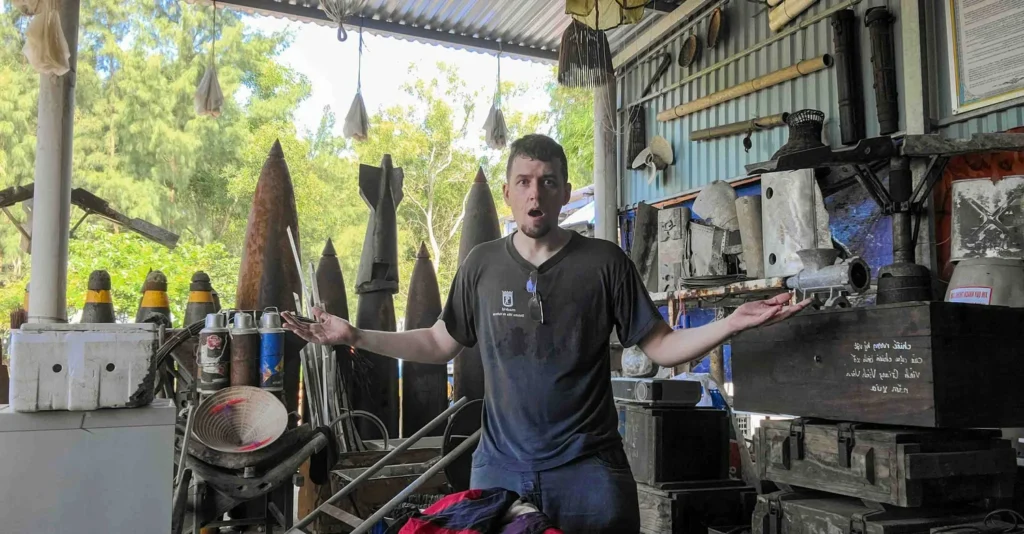
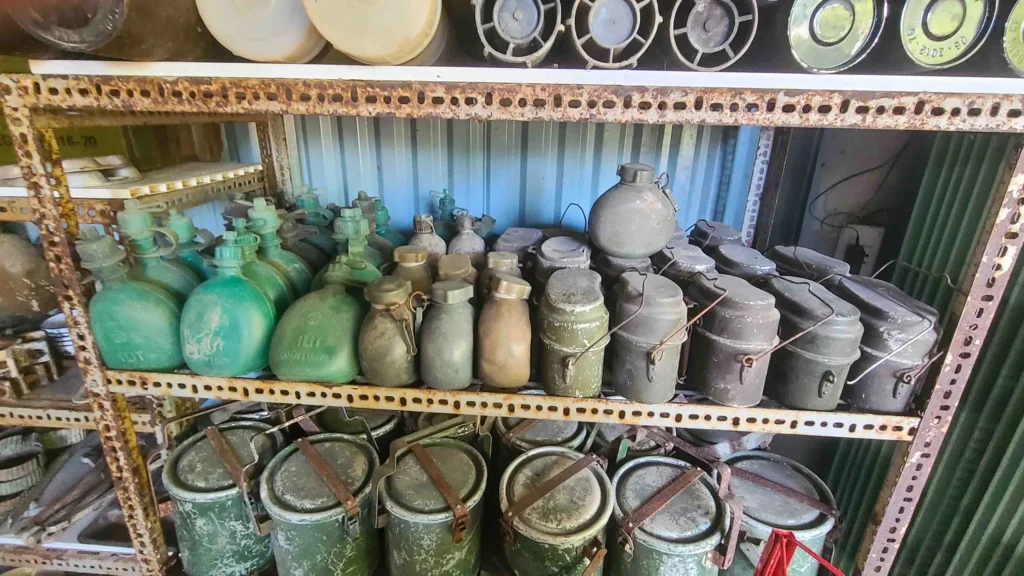
This place is a house full of artifacts from the Vietnam war, primarily bombs, military artifacts, and the remains of vehicles, but you can also find objects of the day of the era, such as radios, telephones, beer bottles, cubriertos, etc.. the owner of the house purchase and collect these memories of the war, and welcomes visitors who pass by. When I was, at the beginning I had a bit of doubt about whether to enter or not. When he saw me, welcomed me, and gave me a bottle of fresh water.
How do I set up the visit on a bike?
► Day 1: My visit started from Dong Hoi, where I flew from Hanoi. In Dong Hoi I stayed in Minh Quang Hotel, where I rented a scooter by 150,000 dongs per day (6€).
► Day 2: I went to the hotel Sepon Boutique Resort – Cua Viet Beach to enjoy the beach and pool. to Get up there was an increase of kilometer beyond the area of the tunnels of Vinh Moc. After my first night, I went to visit the house-museum, the tunnels of Vinh Moc, and the bridge of Hien Luong. by The second day, I went toward Khe Sanh. This accommodation increased quite the number of miles. If huebiera gone with more time, I would have stayed in the area of the tunnels of Vinh Moc.
► Day 3: This day I went out early to Khe Sanh. There, I stayed in the Hai Dang Hotel. This was a simple accommodation, but well equipped, with a double mattress soft and comfortable, air conditioned, ceiling fan and private bathroom. If he returned to Khe Sanh I would consider the possibility of staying at the new hotel Khe Sanh Luxury Hotel, with facilities that look more modern, and has good references. The next day I visited the base of Khe Sanh in the morning, and then went back to Dong Hoi, from where I flew to Hanoi after this great adventure.
Book on the Vietnam war
If only I could recommend a book on the history of Vietnam, my recommendation would be The Vietnam war: An epic tragedy, 1945-1975. This book focuses on the period from 1945 to 1975, the stage of which occurred in both the war against the French as a war against the united States, and whose events have left their mark both in Vietnam and in the world as a whole.
Last tips
Bring hiking shoes, a sweatshirt, an umbrella, a swimsuit and sunscreen!
I invite you to download this file with recommended accommodation in Vietnam, based on the opinions of travelers who are part of my group FB and group of WhatsApp.
¿Necesitas más consejos para tu viaje a Vietnam?
📋 ¿Sabes ya qué Visa necesitas para tu viaje a Vietnam? En este artículo te lo explico todo.
💰 ¿Cómo conseguir dinero vietnamita sin pagar comisiones? No te pierdas este artículo.
🚤 ¿Qué tour escoger para visitar la bahía de Halong? Te lo cuento aquí.
🚉 ¿Has planificado tu ruta? En este artículo te cuento que visitaría en 1 semana, 2 o más.
💊 ¿Sabes ya cómo protegerte de contagios de enfermedades en Vietnam? ¡No te pierdas este
👮♂ ¿Es Vietnam un país seguro? Te hablo de los peligros aquí.artículo!
👜 ¿Qué te recomiendo llevar en tu maleta a Vietnam? Te lo cuento de viajero a viajero, aquí