

Before you start, guárda this file with recommendations of trekking guides, accommodations, and activities in Sapa collected from travelers that are part of my group FB and group of WhatsApp.
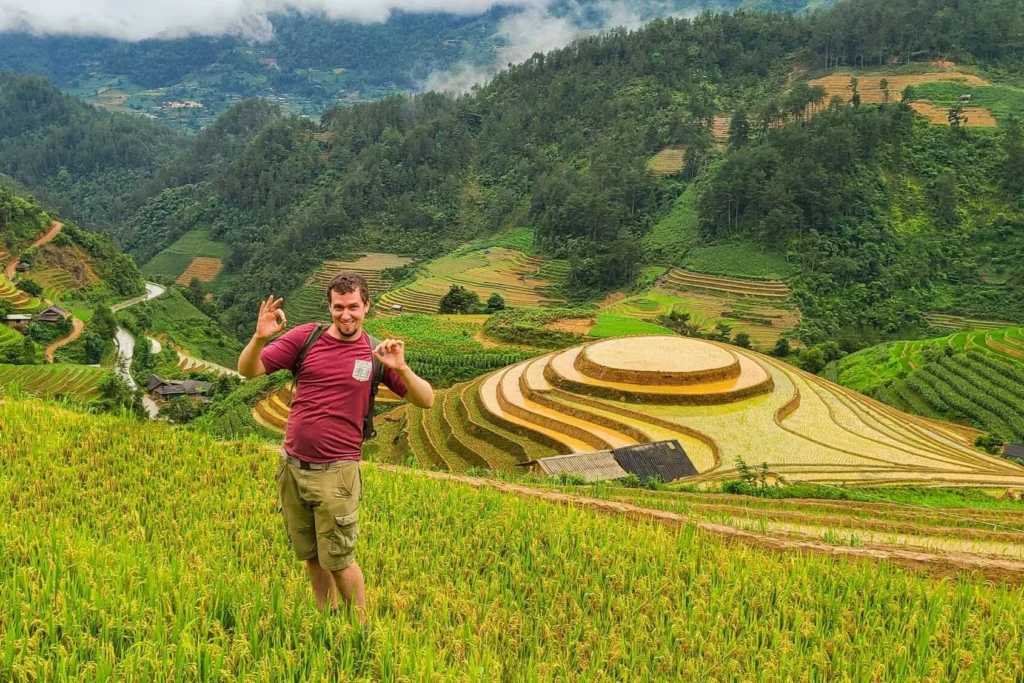
In the province of Lao Cai is located Sapa, a population in the northern mountains of Vietnam, surrounded by valleys which are home to people of different ethnic minorities in the traditional way (the majority of whom belong to the hmong ethnic group or ethnicity red dao, although there are other ethnic groups in the area).
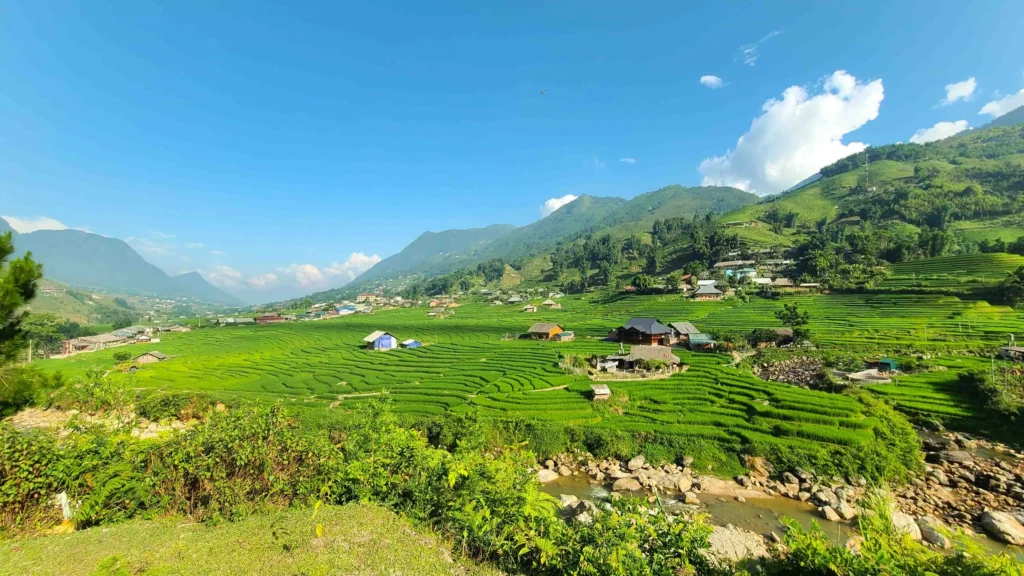
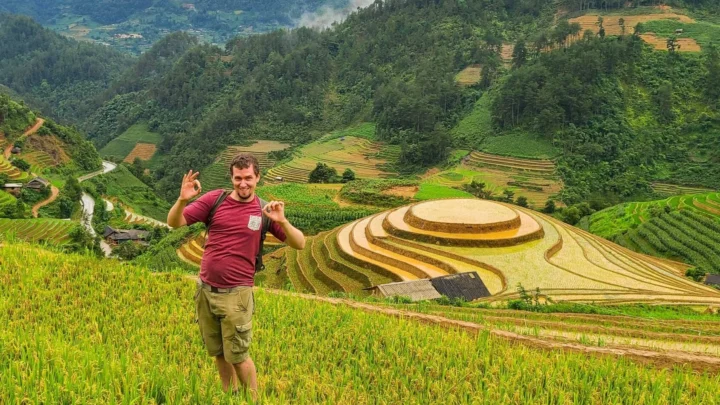
Sapa is the perfect place to discover the landscapes of rice fields that are cultivated in terraces on the slopes of the mountains. In addition, there you will be able to know the culture of minority ethnic groups and arts and crafts, crossing a mighty river via hanging bridges, and visiting waterfalls and bamboo forests. in Addition, in Sapa you will be able to see the majestic water buffalo, animals that help families to transport goods and to plow the land.
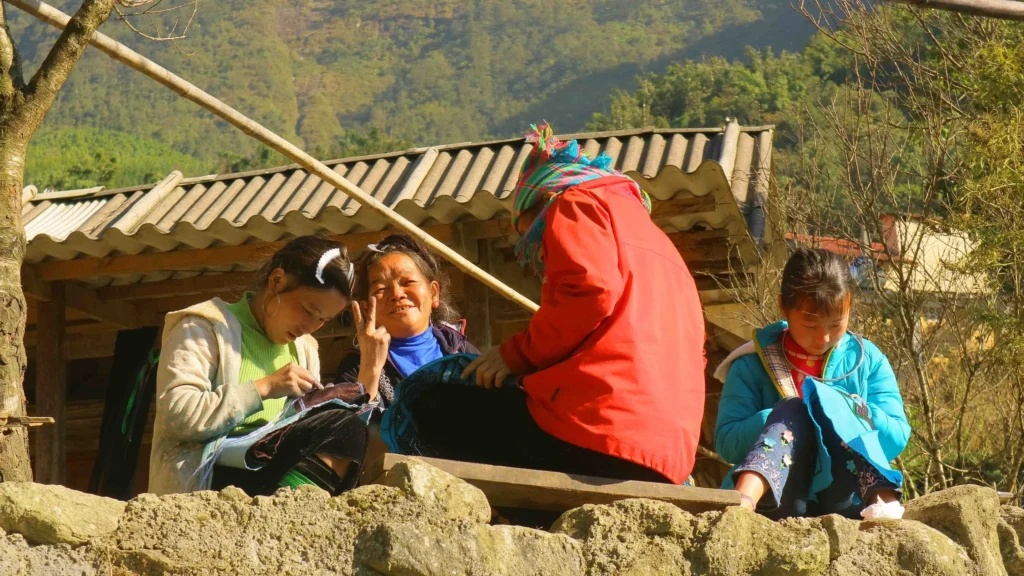
Sapa has as positive points which is very well-connected to Hanoi via direct buses and trains are required to make a small change for the end of the road. In addition, it is a place that receives a lot of tourists, so many local inhabitants of the ethnic groups also speak English, and some even joked in other languages. Despite the fact that it is a very touristy place, it is a place that you can visit in a manner “free of tourists”, and in this article I will explain the different options you have to discover this wonderful place.
What to do in Sapa?
MOST important activity: Trekking – hiking in the valley
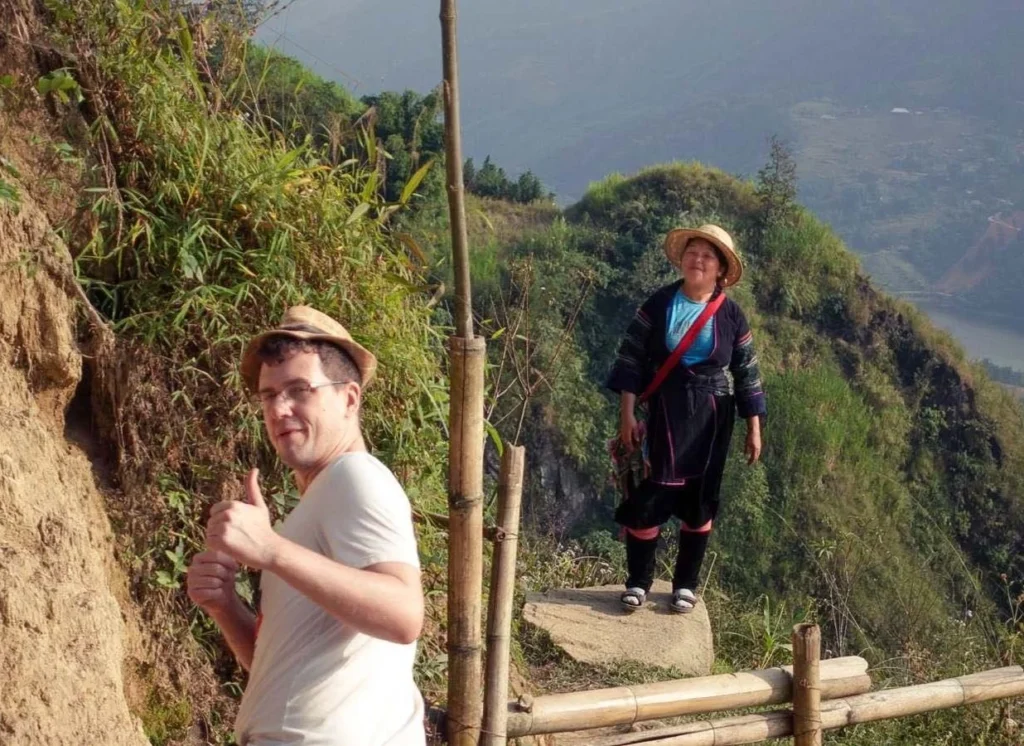
The most popular activity is to make a path of hiking through the valley from Sapa to the village of Ta Van, or to another nearby village. This activity lasts between half a day and a day walk with calm (10km – 15km), but you can also do longer routes 2, 3 days or more to other villages or enclaves attractions of the valley.
How much does it cost to hike with a local guide? What’s included?
To do this activity, visitors typically hire a local person to guide them through the path, and often you can negotiate a tour directly with people of minorities, including accommodation and meals.
The last time I went, I hired with Breast Vu Vi, (to get to know you you can see my interview with this woman from the hmong ethnic group). When I stayed at her house, I paid around$ 40 which included:
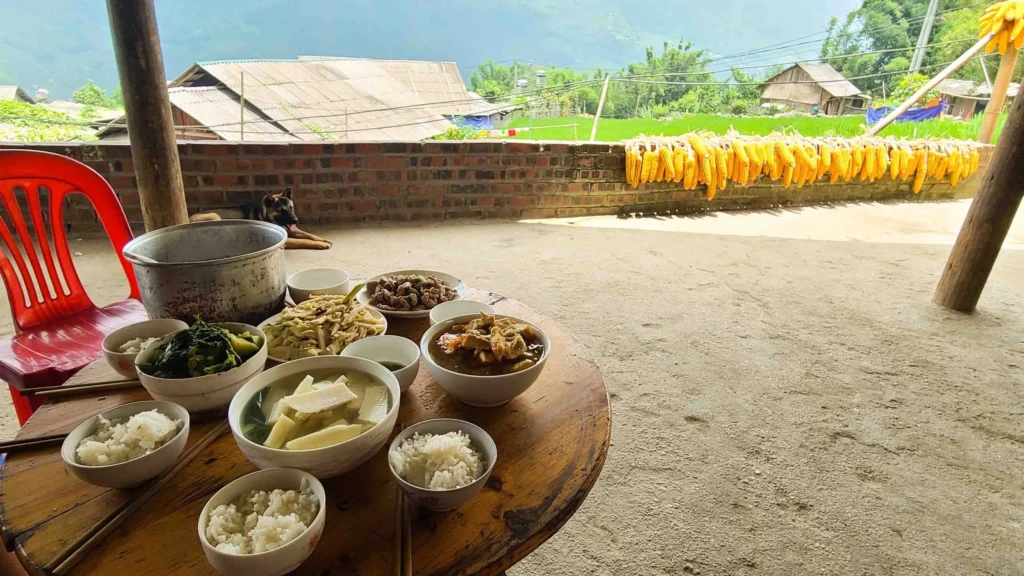
- 2 breakfasts, 2 lunches and one dinner;
- Half day Trekking from Sapa town to the village of breast Vu Vi;
- Half day Trekking in which we discover new villages, a bamboo forest, walks in the rice fields, water buffalo, etc;
- Accommodation in private room with a bed, blankets, and mosquito;
- Transport on bike we (I and my luggage) from Sapa town to the house of mama Vu Vi. So you are more people, it would include taxi.
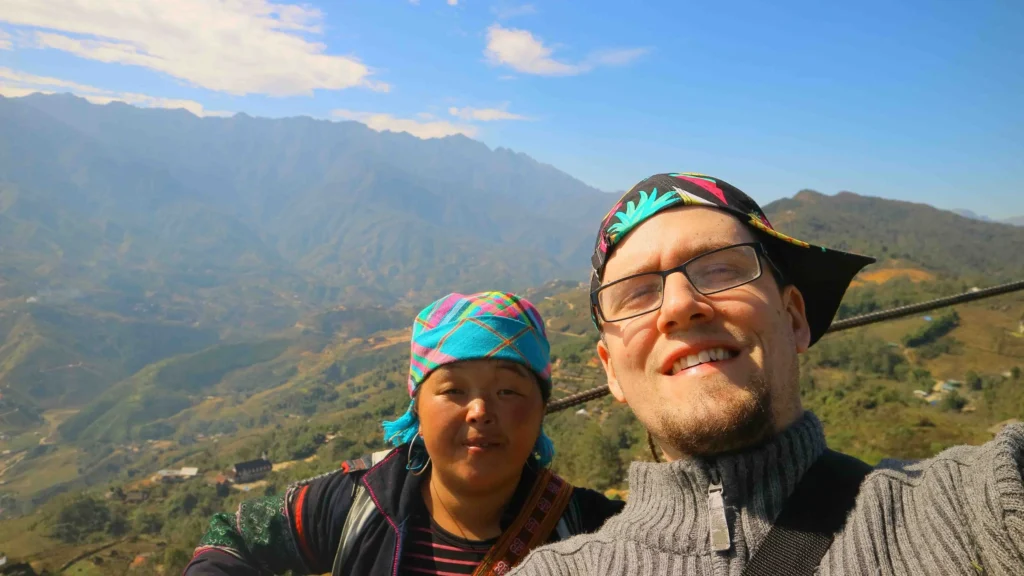
If you wish to stay in another place, for example in a homestay is a little more luxurious in Ta Van or in a hotel in Sapa town, the local guides will be able to respond to you, to deliver you to do the trekking through the valley and leave you at your accommodation at the end of the trip.
Is it worth it to spend the night in the home of a local guide?
If you are willing to sleep in a comfortable yet humble, in my opinion is worth it. This way, you’ll be able to discover how it is a traditional house from the inside, how to cook, how to enjoy their free time in family.
In addition, during the dinner, the guides normally combidan to the guests to take shots of liquor of rice to celebrate the end of a fun day, which is always a very pleasant and special. In my case, I stay at home mum Vu Vi was one of the most authentic experiences and unforgettable that I have experienced in my years in Vietnam, and every time I go by Sapa I go to eat or to have dinner with her and her family.
How to hire the trip?
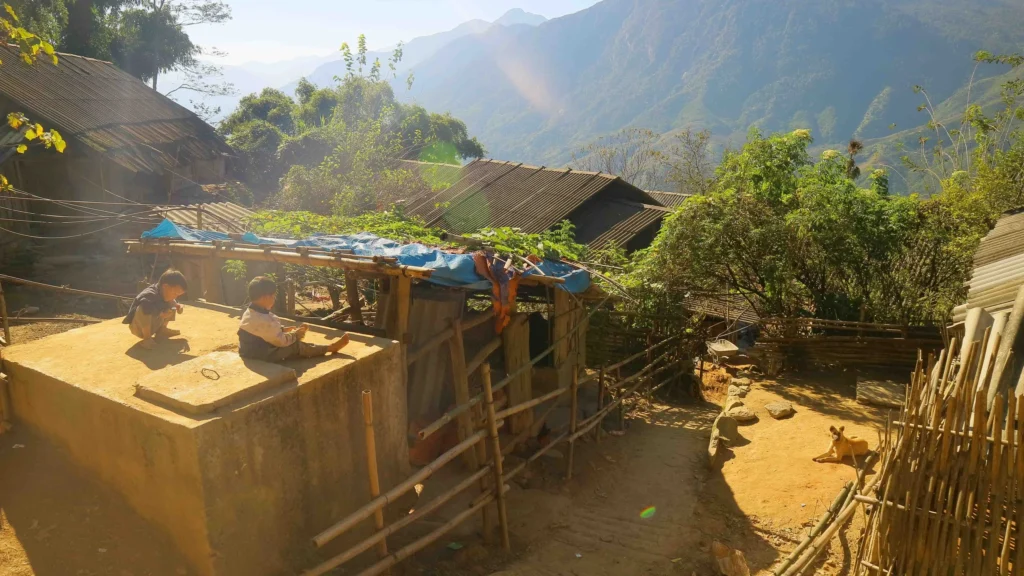
For Facebook: In this post of my group of Facebook “Vietnam for Independent Travellers”, several travelers recommended by different guidelines for Sapa. You can contact the guide directly by Facebook without any problem before you get to Sapa, and this is recommended because the guidelines recommended that you have a page of Facebook usually have experience.
📌📌 IMPORTANT: I advise that you ask your guide which does not lead you to walk where all the tourists to have a more authentic experience.
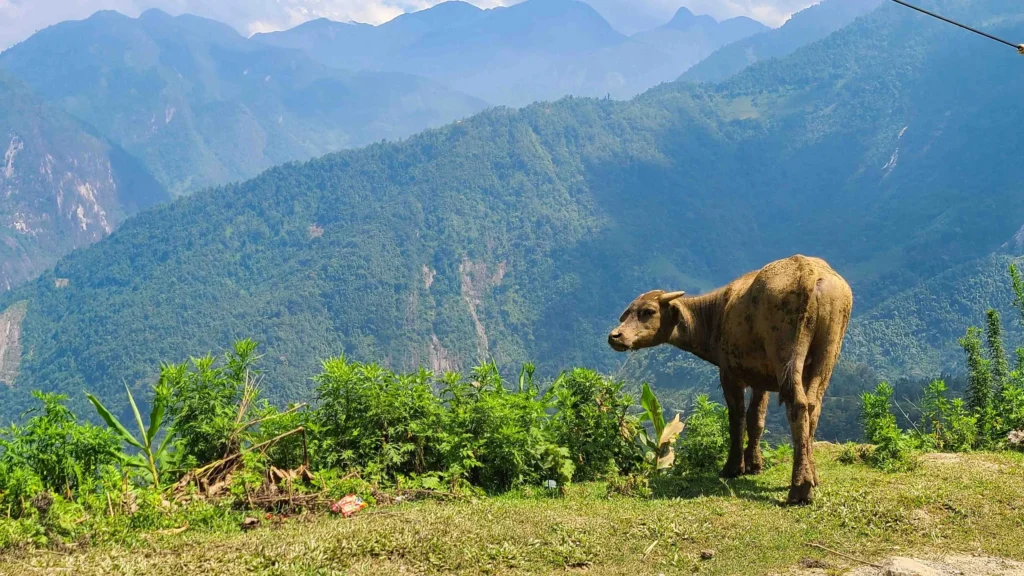
By online platform: In my opinion, to contract directly with the local people is the best way of promoting the local economy and make sure they have a positive impact on this region. However, it is also possible to hire a tour of your account (for example, in Civitatis, GetYourGuide or Viator).
Falls “Silver Waterfall” and “Love Waterfall”.

The falls at Silver Waterfall and Love Waterfall they are approx. 12km from Sapa town and 2km from one another. My recommendation, if you’re not moving on a bike, is that in Sapa pairs to a taxi and negocies for someone to take it, wait and bring you back to the city. When I did this trip last time, I remember that I paid the taxi driver about 400,000 dongs (16€) for the tour. Now is the time you can negotiate with several taxi drivers and see which one offers the best deal. Both of these waterfalls require the purchase of a ticket, 20.000 dongs (0.8€) in Silver Waterfall and 70,000 dongs (2.9€) in Love Waterfall.
Market damp of the town of Sapa
If you have arrived recently to Vietnam, and have not had the opportunity to experience a market damp vietnamese, I recommend that you visit the traditional market of the city of Sapa, very close to the bus station. On the outside you will be able to find the typical fresh produce market damp, such as fruit, vegetables, fish, meat, etc, while on the inside you will find crafts, clothing, spices, objects for use in agriculture and much more.
Sunday market in Bac Ha and palace Hoang A Tuong

A few kilometers from Sapa, every Sunday takes place on the market of Bac Ha in the early hours of the morning. In this market, people of many different ethnicities buy and sell all kinds of objects, animals and food. This is a very interesting experience, since it will allow you to see how people dressed in the most various colours exchanged goods and establish social ties. After the visit to the market of Bac Ha, you can visit the palace of the family of Hoang A Tuong, built in the first half of the TWENTIETH century with an aesthetic very interesting, a mixture of european and asian styles.
You can go on a bus ride from the bus station of Sapa, or you can book this tour here.
Fansipán

With 3.147 meters above the sea level, the Fansipán is the highest peak of the peninsula of indo-china (there is another highest peak in Vietnam, Cambodia or Laos). For this reason it is often known as “the roof of Indochina”.
How to climb to the Peak Fansipán walk?
Until the Fansipán can be reached on foot by yourself or with a local guide. If you’re on your own, I recommend you take a look at this article. If you want to go with a local guide, you can hire in this page.

How to upload to the Fansipán in a cable car?
In addition to foot, from 2016 you can also upload the Fansipán in a cable car, which also holds a Guinness record as the cable car 3-wire longest in the world. If you decide to do so in a cable car, you have to get to the station, the one that leaves the cable car, which is 4 km from the center of Sapa. To this place you can go in a taxi, or in a funicular train from the center of Sapa which costs 150.000 VND (5.8€), the ticket combined back and forth. Once there, the cable car ride takes just a little longer than 15 minutes and currently costs 800.000 VND (31€) for adults (850.000 VND (33€) on weekends and public holidays) and 550,000 (21€) for children up to 1.4 m. In principle, these prices are valid for 2023, although they can vary depending on the season; you can check the prices on the official website of the cable car). Once at the top, there are still a few steps, you can climb on foot (600 steps), or in a trenecillo, for 150,000 VND (5.8€), and go down to 120,000 VND (4.6€). These prices were consulted in November 2024.
Prices rise to the Fansipán in a cable car
| Services | Adults | Children (less than 1.4 m) |
|---|---|---|
| Cable car round trip | 800k VND journal 850k weekend | 550,000 VND |
| Muong Hoa Funicular Sapa > station cable car (round trip) | 180,000 VND | |
| Fansipan cable car between car and top (600 steps) | 150,000 VND | |
6. The village of Cat Cat, is it worth it?

The village of Cat Cat , is a rather artificial and prepared solely as a tourist attraction (it is not an authentic place). I personally would not recommend it as it does not reflect what the real life of the people of the valleys that surround the city of Sapa.
The entrance ticket costs 70.000 VND (approx. 3€), and allows you to take a walk through the village where there are many shops, cafes and restaurants. The best thing about this village is that through it passes by a river and there are several waterfalls that create a very beautiful landscape. Finally, it is possible to rent traditional costumes of ethnic groups to take a few photos quite unique.
Other plans in Sapa

During my visits to Sapa, I have made some plans for something less typical than usual as for example:
- Class traditional cuisine. Ideal activity for rainy days and for those who enjoy cooking and interact with local people. You will learn how to prepare traditional dishes such as vietnamese spring rolls or tofu with tomato sauce in a authentic experience. You’ll start going to a local market to get the ingredients, and you end up sharing a home-cooked dinner with wine and vietnamese.A relaxing bath of herbs in a spa, typical of the ethnic group of the red dao (link to Spa on Google maps here)
- Massage of feet, back or whole body. There are many places that offer massage in the city of Sapa and want to read reviews on Google Maps to choose a site with good quality and price. I went to Eden Massage & Spa, which has a 4.8/5 on Google Maps with over 1100 reviews. The price is somewhat superior to the other schools of massage Sapa (costs around 16€), but still leave a tip. The receptionist was also very nice.
- Go to dinner Hotpot. Sapa is a city to which many vietnamese people are going to enjoy time with friends or family. Therefore, in Sapa there are many restaurants that offer hotpots. Again, look at reviews on Google Maps.
- Coffee with a view. During my last visit, I took a few cafes in this manífica café with views of spectacular run by Huong what An awesome place!What is the best time to visit Sapa?
For me, the winter is the worst time to visit Sapa, because it’s cold, there are many days of fog, and the rice fields are ploughed and not particularly beautiful.

In spring, the weather starts to be more warm after the winter, and with fewer foggy days. In April and may, the inhabitants of the valley begin to flood the terraces that later will house the rice fields. The reason for the flooding of these terraces is part of the preparation of the ground for the rice to grow up healthy and strong. In this ápoca is not strange to see how the local people used to the water buffalo to plow the land. At this time, the most characteristic landscape is the of the terraces whose water glistens in the Sun. It is a landscape truly magical.

In June, July and August, the rice plants grow green on the slopes of the mountains, and can appreciate a Sapa colorful and pleasant. At this time you can see children and young people and bathing in the rivers and pools in the hours of greatest heat, while the adults work in your home, in your field or with your animals. The biggest problem in the summer it is usually hot and it can be isolated thunderstorms, so it is recommended to take advantage of the morning and the afternoon, and take advantage of the midday to rest.
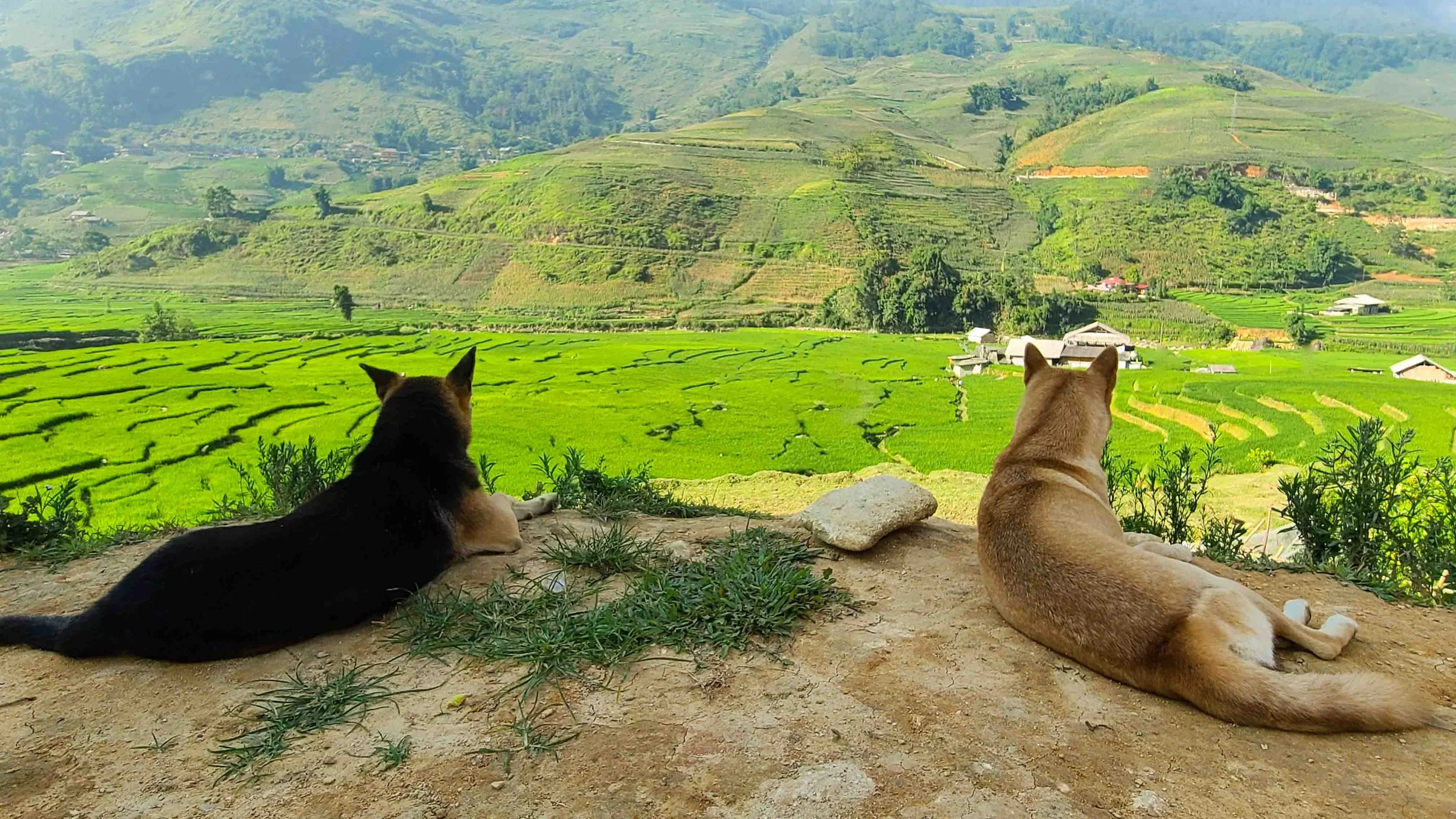
At the end of the summer and early fall, the rice tones of yellow unique delantan that the era of the collection is about. This is a time in which you can take very good photos of both at sunrise and sunset, because the warm tones of the Sun impacting against the rice fields of green and yellow, creating a unique atmosphere. Between late September and early October, the crops have already finished, the rice fields are dry, and in the following months the place will become gradually cooler and more cloudy.
Where to stay in Sapa?
During your visit to Sapa you can stay in the different areas and types of accommodation depending on your tastes.
Area of Ta Van: bungalows and communal rooms

If you want to stay in a natural landscape, surrounded by rice fields and traditional life of the habiantes of the valley, I recommend that you stay in Ta Van. There you can rent accommodations with all the comforts and with stunning views for prices quite cheap. For example, I recommend the Tavan View Homestay is a accommodation in a bungalow. On the other hand, if you don’t mind sharing a room and so they pay less, you can sleep in a room communal, normally a whole floor of a traditional house, as it happens for example in H’mong Stilt House where currently you can stay for 63000VND the night ¡¡Only 2.5 euros!!!
Area of Sapa City: hotels and hostels

If you prefer the more urban atmosphere of Sapa with its bars, cafes and shops, or if you’re going to visit some of the nearby attractions to the area of the city, to stay in the area of Sapa can be a success. In Sapa city, I recommend the hotel Himalaya Sapa, where I stayed a few days in the summer of 2021, and I can confirm that it is a well-located hotel, clean and modern. If you are looking for a cheaper accommodations, lodge type, I recommend you to Go Sapa Hostel, with a terrace with views, a small restaurant and a family very very welcoming.
How do you go from Hanoi to Sapa?
You can read the article how to get to Sapa to discover all of the ways to reach this region.
In train

You can go from Hanoi to Lao Cai by train at night, and from there a bus route. The best thing is that it is very safe and you sleep very well, and the worst thing that takes longer than the bus and is more expensive.
💡 You can book your train ticket in this page.
Sleeper Bus (sleeper bus)

Buses bed will lead directly from the old quarter of Hanoi (in the center) and leave you in the same Sapa without transfers, and for a very economical price.
🚌 Best companies: the companies with the best reputation are Sapa Express, Green bus, and Fansipan, and can be booked at Baolau.
The sleeper bus (sleeper bus) VIP luxury
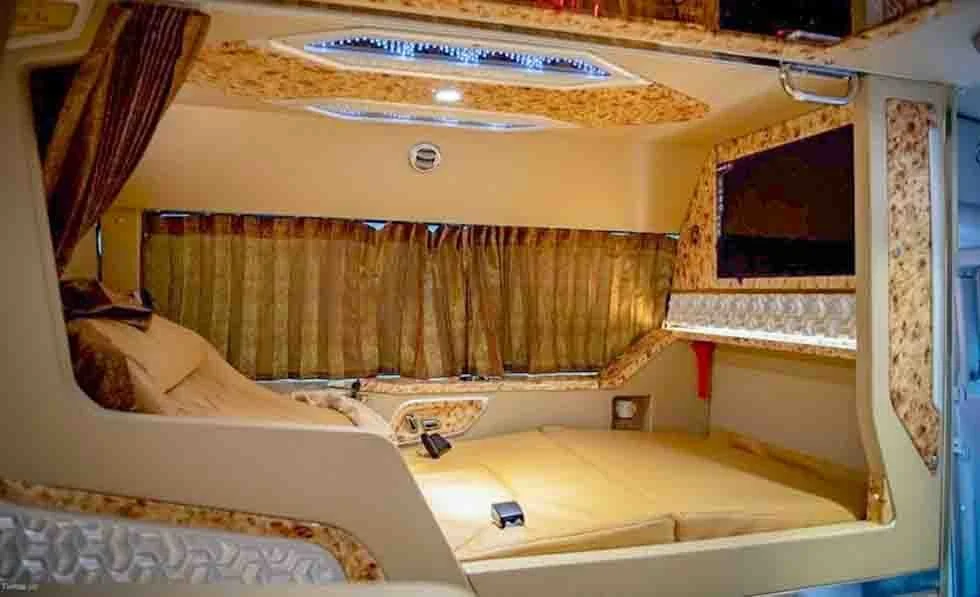
The sleeper bus VIP take you direct from the Old Quarter to the same Sapa. Are much more spacious than the sleeper buses normal and you’re going to have a bit of privacy, as each person goes on a space semi-private with a curtain that you can take. in Addition, most of these buses have a USB port to charge the mobile phone, and some even have a remote control to recline your seat and even massage.
🚌 Best companies: VIP buses with the best reputation are the companies Sao Việt (AC Sleeper VIP 21 seats), Thế Anh (AC Sleeper VIP 20 seats) and Fansipan Express Bus (AC Sleeper VIP 20 seats), and can be booked at Baolau.
The van-limousine

The van-limousine is probably the best means of transportation for those those who do not want to subirse to a bunk bed or lie in a hammock in the soil. These buses tand carried direct from the Old Quarter to the same Sapa in 5 and a half hours approximately.
🚌 Best companies: two of the companies most commonly used are Eco Sapa Limousine and Luxury Van Limousine and can be booked at Baolau.
¿Necesitas más consejos para tu viaje a Vietnam?
📋 ¿Sabes ya qué Visa necesitas para tu viaje a Vietnam? En este artículo te lo explico todo.
💰 ¿Cómo conseguir dinero vietnamita sin pagar comisiones? No te pierdas este artículo.
🚤 ¿Qué tour escoger para visitar la bahía de Halong? Te lo cuento aquí.
🚉 ¿Has planificado tu ruta? En este artículo te cuento que visitaría en 1 semana, 2 o más.
💊 ¿Sabes ya cómo protegerte de contagios de enfermedades en Vietnam? ¡No te pierdas este
👮♂ ¿Es Vietnam un país seguro? Te hablo de los peligros aquí.artículo!
👜 ¿Qué te recomiendo llevar en tu maleta a Vietnam? Te lo cuento de viajero a viajero, aquí