


Vietnam, a country of the second world
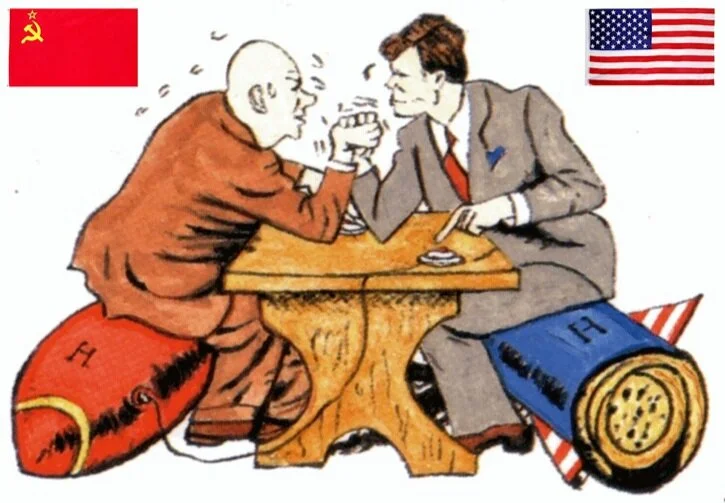
In the context of the cold war, after the second world war, began to speak of the first, second and third world. By that time, the country was divided among first-world countries, the capitalists, led by the US and Japan, the countries of the second world, the communist countries, led by the Soviet Union and China, and finally, the countries of the third world countries were neutral and, in many cases, very little developed (by this began to associate the term “third world country” and “poor country”). According to this classification, Vietnam, as a communist country, is part of the second world since 1975.
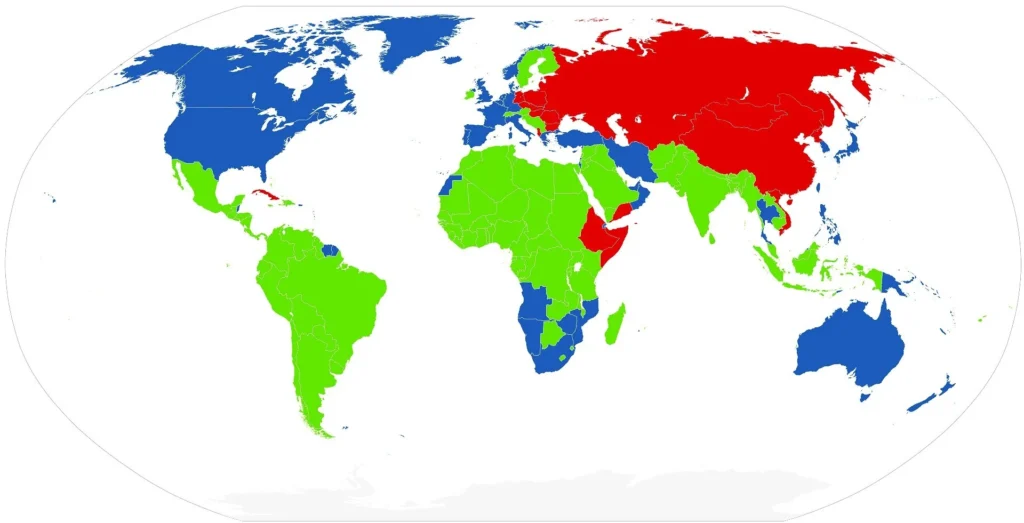
What is Vietnam a developed country or underdeveloped?
Vietnam is a developing country that has experienced a development remarkable during the last 30 years, leaving behind the time in which Vietnam was one of the poorest countries in the world.
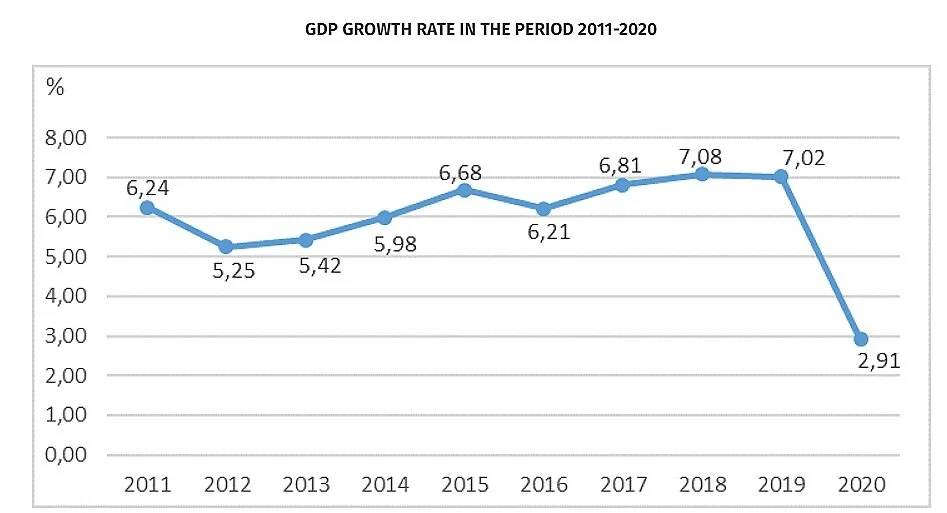
This development of Vietnam is evident on the ground, and anyone who has lived in the country for a few years will be able to confirm that it is a country that is seeing how their infrastructure, services and quality of life improve year to year. In addition, this development is also obvious if you pay attention to the evolution of its economy, which has been increasing at between 5% and 7% per year since 2000, except for in 2020, when it grew by 2.91% due to the global crisis unleashed by the coronavirus. finally, it should be noted that it is expected that this growth to continue and, according to the report conducted by PricewaterhouseCoopers (PwC), Vietnam might be part of the top 20 countries worldwide and top 10 in Asia by the year 2050.
What is Vietnam, a country rich or poor?

Vietnam is the country’s number 45 in its GDP at the global level, which means that it is not among the wealthiest or among the poorest in the world, but rather in the middle. In fact, the World Bank characterizes Vietnam as a country of resources, lower-middle-income. by The World Bank also says that the levels of poverty in Vietnam have passed the 70% of the population in 2002 to 6% in 2018, with 45 million fewer people in poverty.
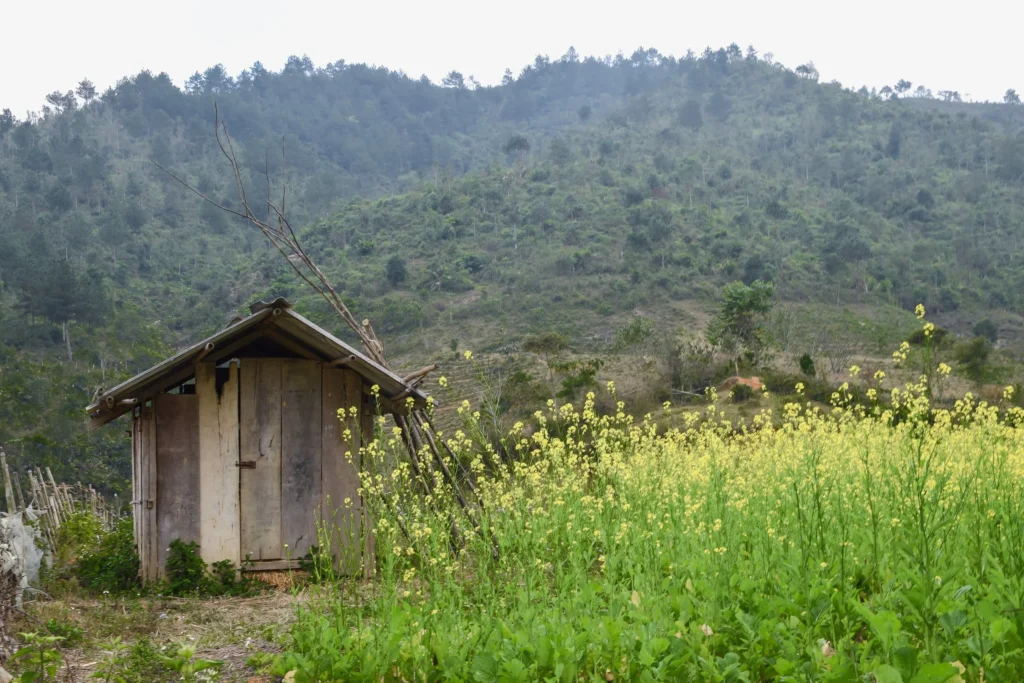
While the majority of the inhabitants of the country have seen improvements in their situation in the past 30 years, the development has not been uniform in all corners of the country. 6% people still live in poverty, 86% of them belong to ethnic minority mostly living in rural and often remote.
Finally, Vietnam is a country in which most of the people have the ability to work and meet the basic costs of accommodation, food and transport (Vietnam only has a 2% of people in a situation of unemployment). Now, wages in Vietnam are still rather low (the average salary is 150€ per month) and, in general, the majority of vietnamese people can’t afford a luxurious life.
What the Vietnamese have access to clean water, electricity?
The infrastructure of clean water supply and electricity have improved dramatically in recent years. Currently, 99% of the population has access to electricity in their home, compared with only 14% in 1993. Access to clean water (but not drinking) has also improved, 17% in 1993 to 70% in 2016 in rural areas, while access to clean water in urban areas is currently in more than 95%.
What the Vietnamese have access to health care and public education?
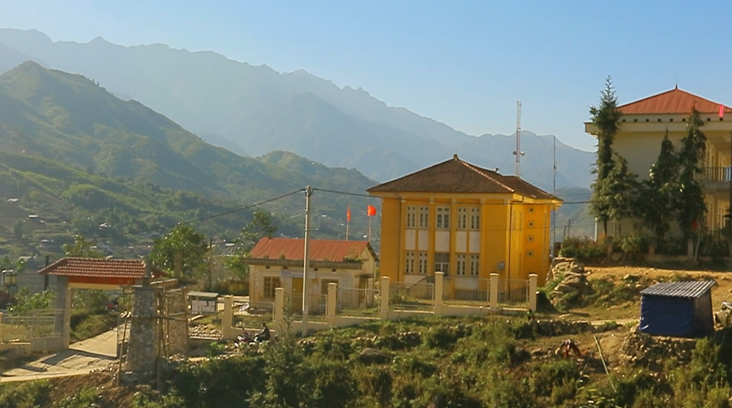
Most of the vietnamese have access to health care and public education. However, it remains a system of co-payment , according to which, in general , the citizens have to pay directly for the part of the health and education services they receive, with the exception of persons of very low income and persons belonging to ethnic minorities, who may access these services free of charge.
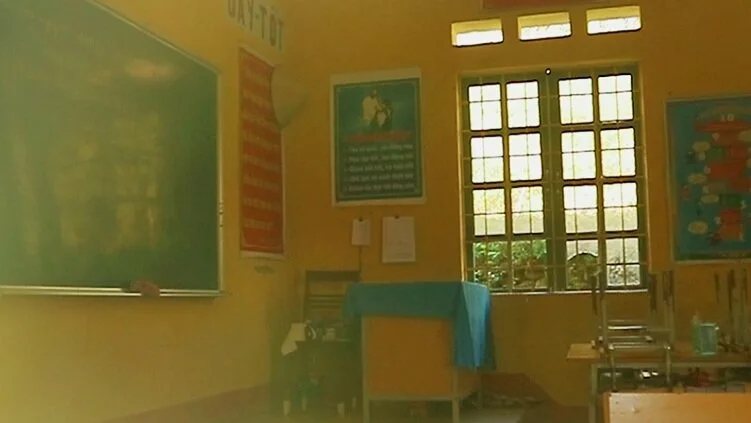
The two major problems for both healthcare centres as centres public education is that, on the one hand, in general have the resources, outdated and, on the other, are often saturated. For example, most colleges do not have projectors and it is very common to find classes of between 40 and 50 students. Similarly, the urban hospitals, which are the best-equipped, often are saturated, as they have to cater to the population of cities as well as many from rural areas, where hospitals have fewer resources and specialties.
Conclusions
Vietnam is not a poor country, but also one of the most developed countries of the planet. Vietnam is, in my opinion, a developing country with a lot of potential, whose developments are surprising to many, me included.
¿Quieres descubrir más cosas sobre la cultura de Vietnam?
- 🚍 ¿Cómo transportarse en transporte en Vietnam?.
- Y después de comer, ¿hay que dejar propina en Vietnam?
- Planifica tu itinerario en Vietnam ¿Qué visitar en 1 semana, 2 semanas o más?
- ¿Es Vietnam un país seguro? Estafas y peligros en Vietnam
- ¿Es Vietnam un país del tercer mundo? ¿Es Vietnam aún un país pobre?
- ¿Cómo hacer café vietnamita? ¡El café de Vietnam es una delicia!