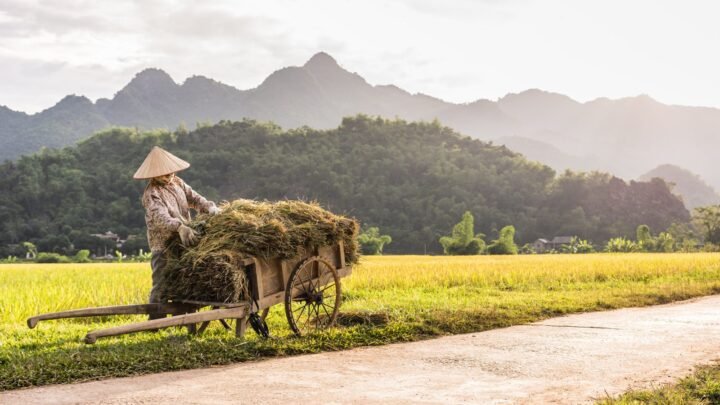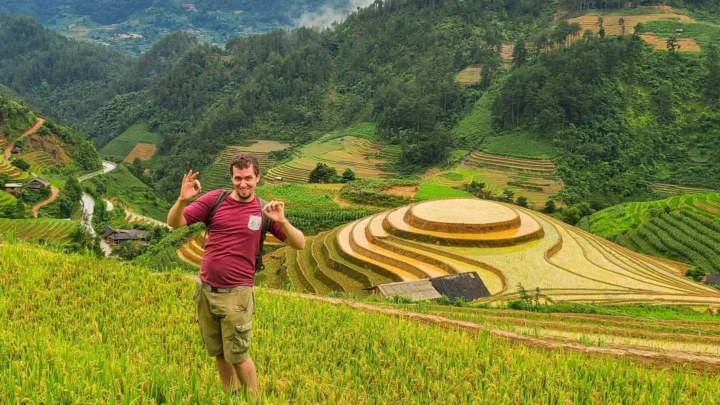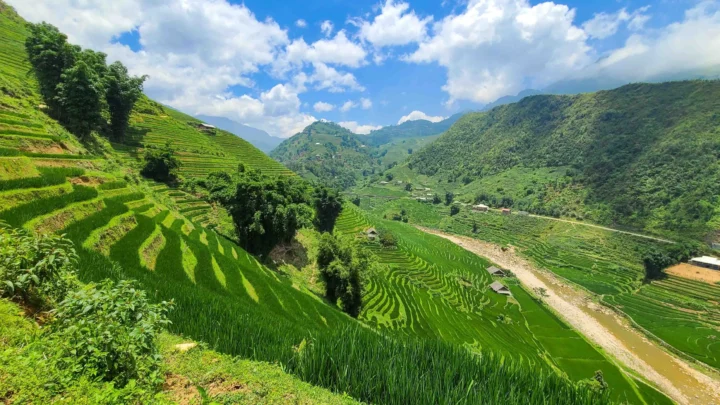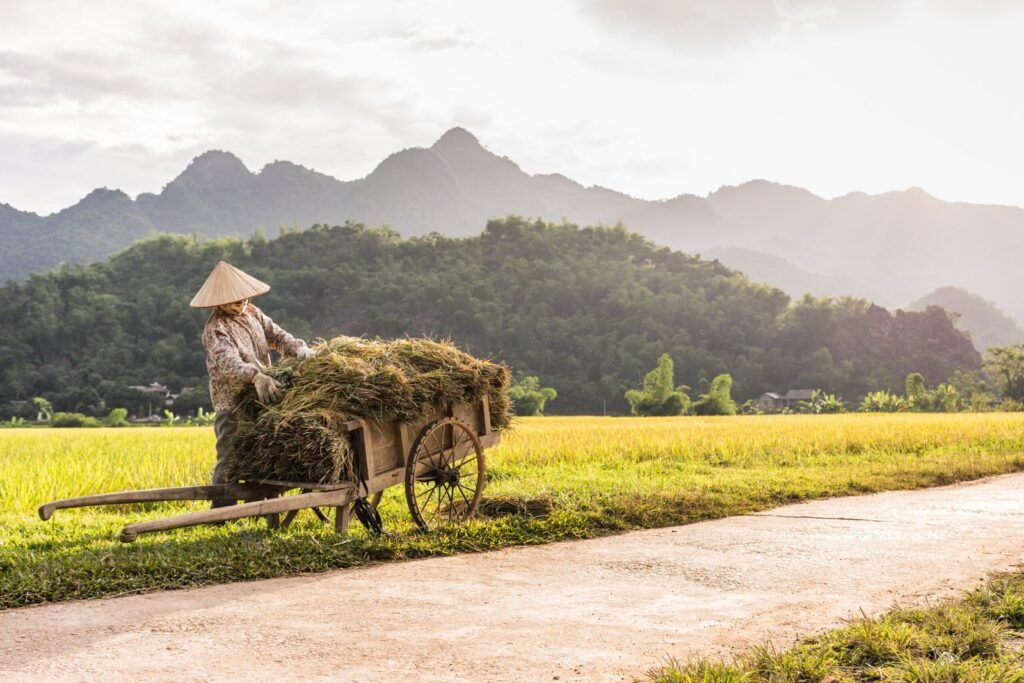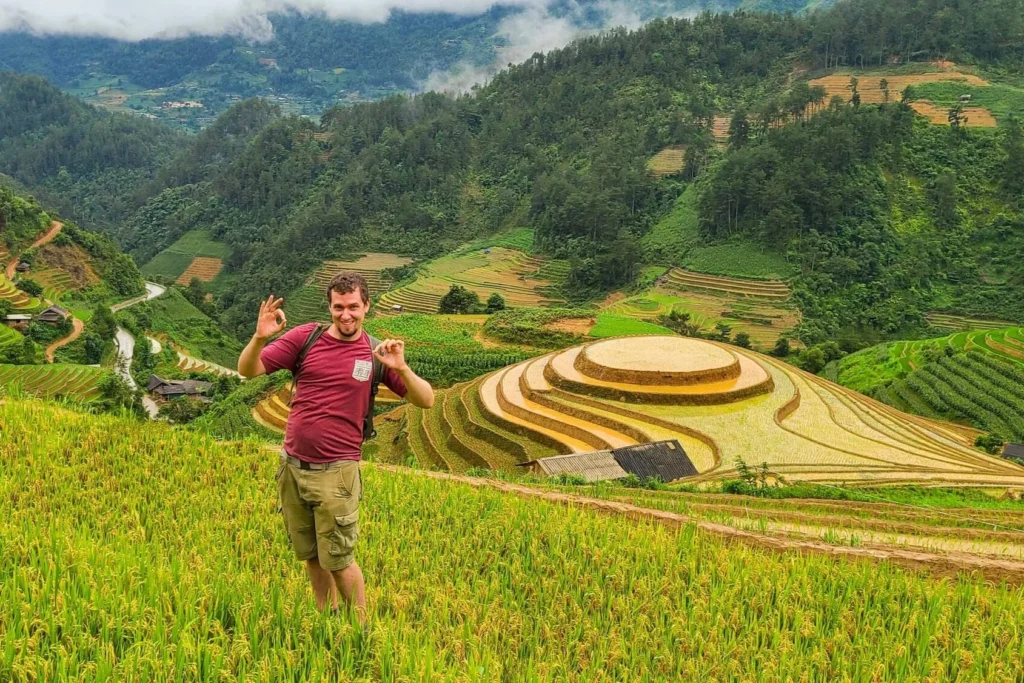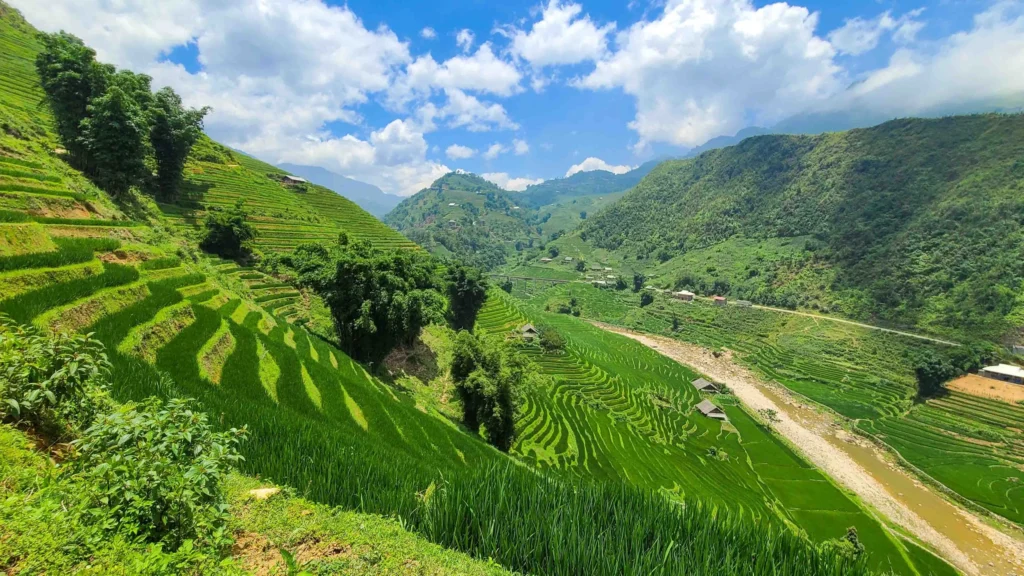



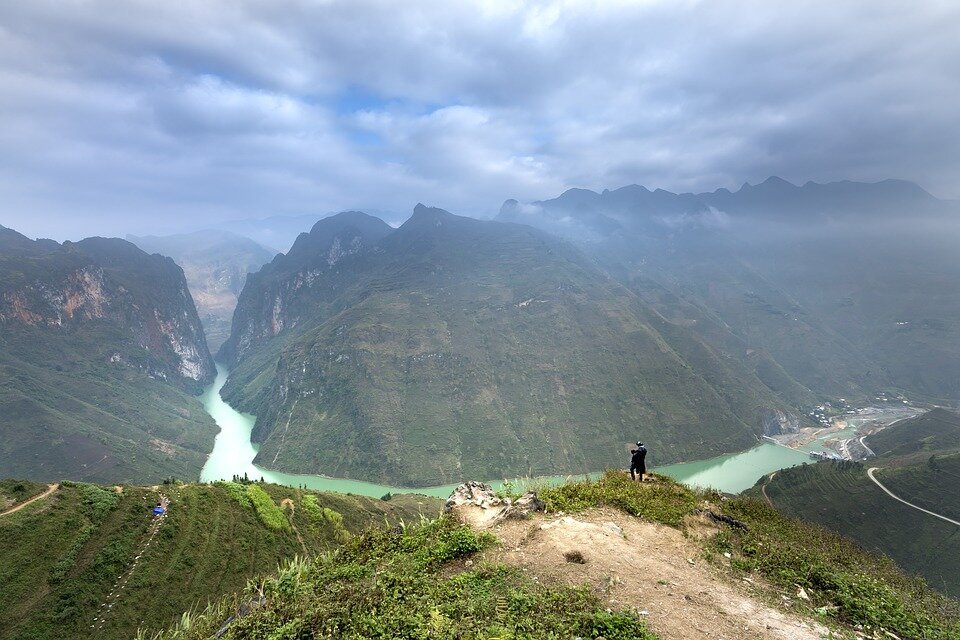
Many consider Ha Giang province one of the most authentic areas of the country: Vietnam in its purest form. This loop of about 350 km crosses karst mountains, rice fields and ethnic minority villages, in a setting where rural life and spectacular scenery set the pace of the trip. However, in recent years the experience has changed quite a lot.
The Ha Giang Loop used to be a quiet, very authentic route, travelled by small tours and independent travellers looking for adventure. Over time it has become one of the most touristy destinations in the country, and today it’s common to find, on some stretches, a constant stream of motorbikes from the same agencies, viewpoints with loud music and very crowded natural spots.

Ha Giang can be experienced in a much more authentic way. In this article I’ll tell you what I think is the best alternative for doing the Ha Giang Loop without being part of that mass tourism, with back roads, more immersive experiences and real contact with local culture.
What’s the difference between the main route and a cultural tour of Ha Giang?
I first did the Ha Giang loop on my own years ago, and more recently on this cultural tour. The scenery is just as spectacular both ways, but the way you experience the trip changes a lot.
When you ride Ha Giang on your own or with most conventional tours, the experience focuses mainly on the main road. You link viewpoints, specific villages and well known stops, which gives you a good general idea of the region, but with limited contact with local life, little room to go off plan and, at times, a feeling of overcrowding.
On my first loop on my own, I realised that reaching the most authentic places and enjoying them beyond the surface isn’t easy. I remember that sometimes, when I tried to leave the main route, I ended up in dead ends, or reached beautiful villages where interaction with local people was limited and didn’t go much beyond ordering a dish and joking a bit with my basic Vietnamese.
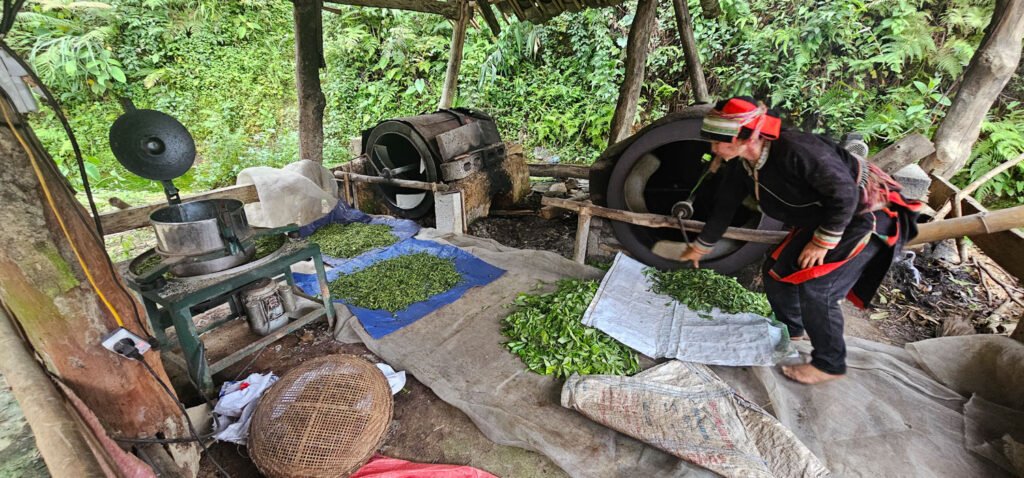
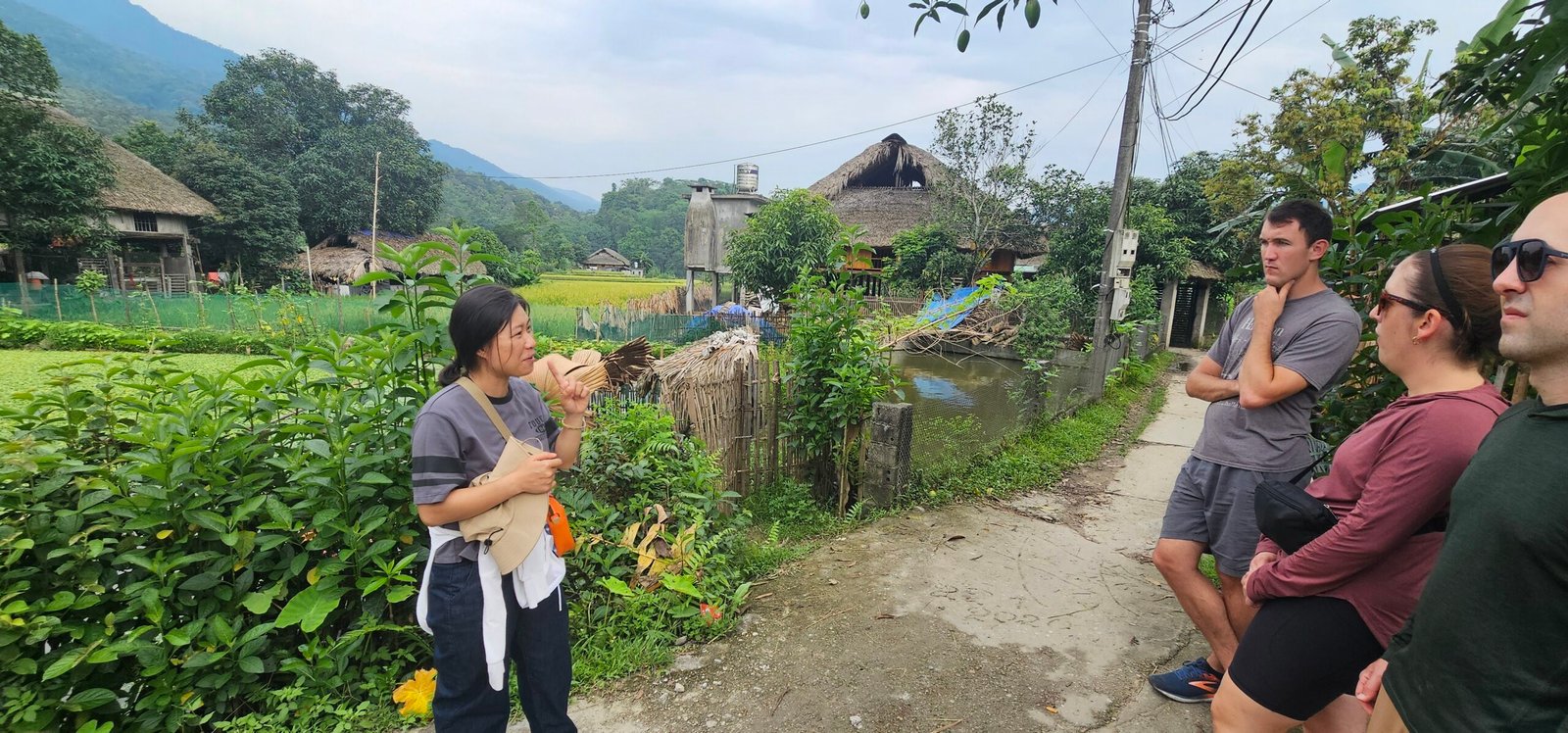
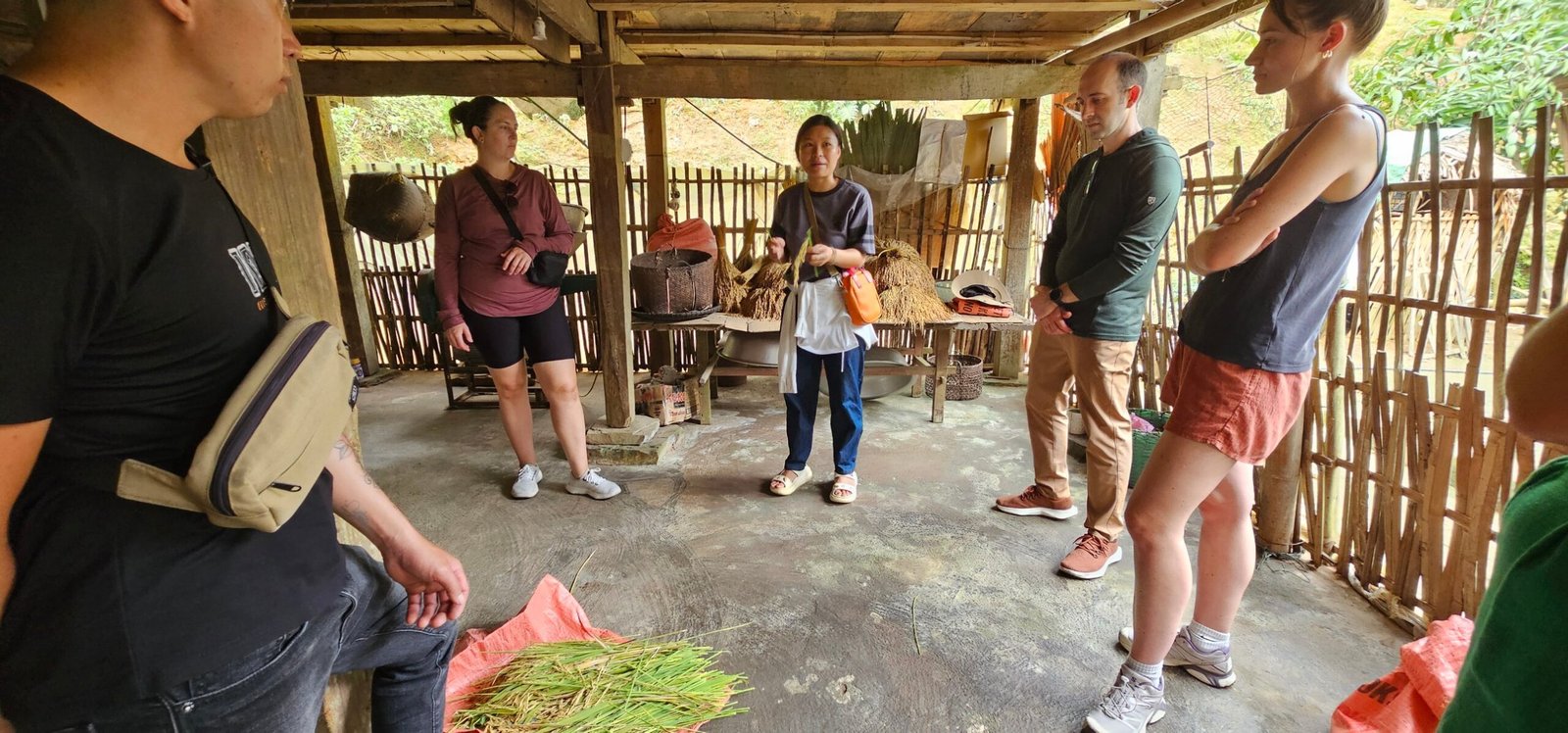
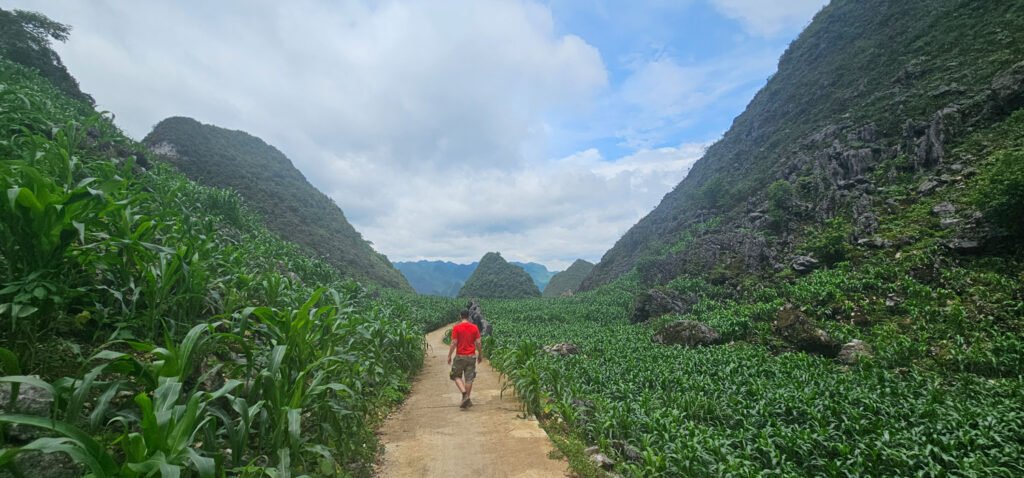
On this kind of cultural tour, the feeling is different. Not only because of the back roads, which reveal less travelled but equally impressive scenery, but because much of the experience happens off the bike. Along the way there are short walks, village visits and moments shared with local families from different ethnic groups, which help you understand how people live in this region beyond what you see from the road.
That’s why I feel this second way of doing Ha Giang enriches the experience, even more so today, with many more travellers in the area.
What is a cultural tour in Ha Giang like?
Beyond my personal experience, this kind of tour differs in some very specific ways:
Small groups and a relaxed pace
Groups have a maximum of 12 people, but the difference isn’t just the size, it’s how the trip is organised. Many tours also travel in small groups, but several of them constantly end up at the same restaurants, viewpoints and accommodation. Here, the logistics are designed to avoid that concentration and keep a calmer pace from day one.
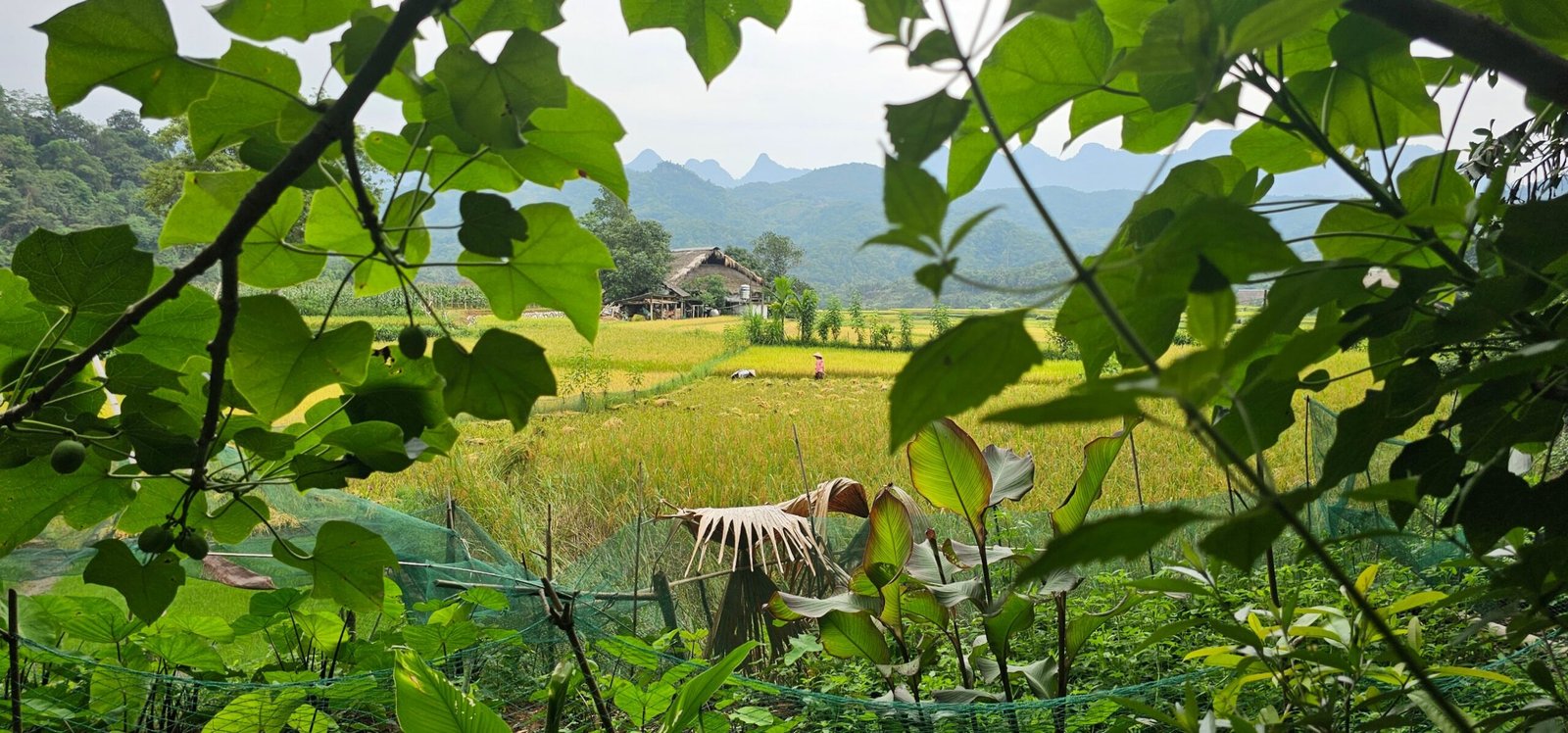
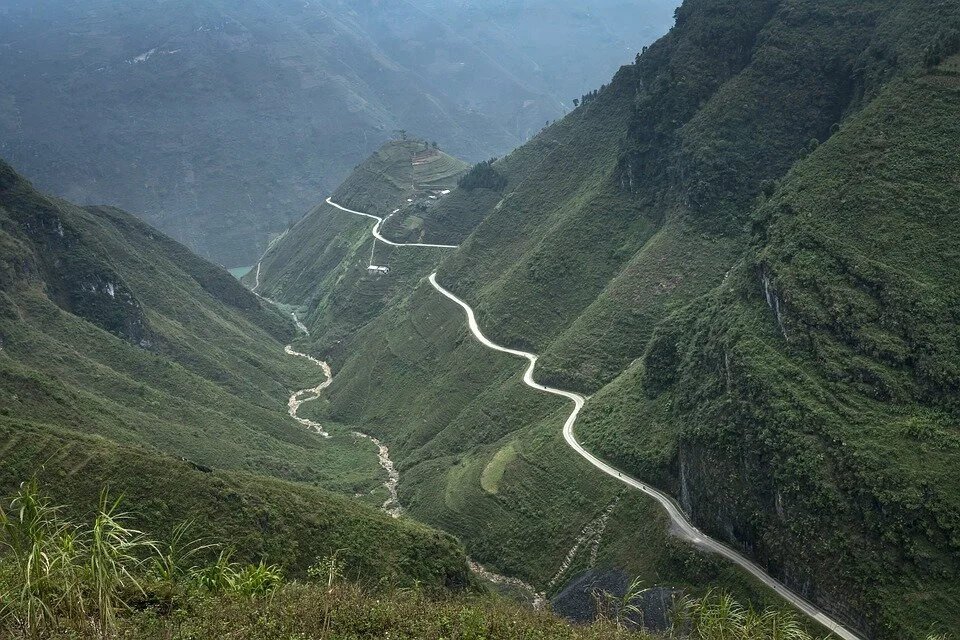
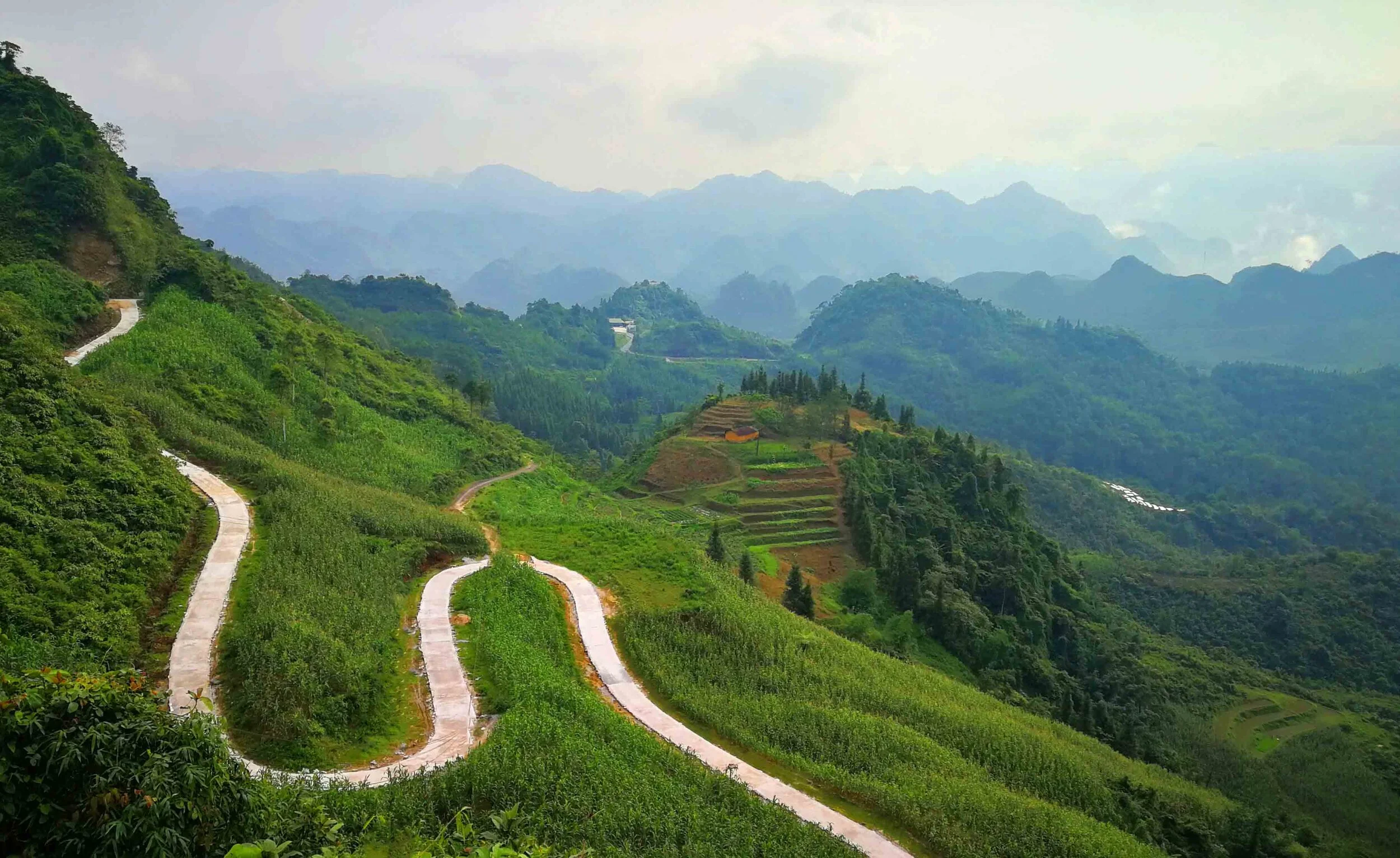
The route clearly favours back roads through less travelled areas. These roads not only let you escape the traffic, but in many cases cross scenery even more beautiful than the classic Ha Giang Loop. That said, some places on the main route are well worth it and are also visited on this tour, but at specific times of day, avoiding the big tours.

A good example is the Du Gia waterfalls, a stop that has become very popular in recent years and where hundreds of people can gather at certain times of day. This tour visits at a time when the place is practically empty, which completely changes the experience and lets you really enjoy it.
Nature walks and cultural activities
Along the way there are short walks that take you off the road, into local villages and to places you can’t reach by vehicle. On some stretches, the driver drops you at one point and picks you up further on, which is super convenient.
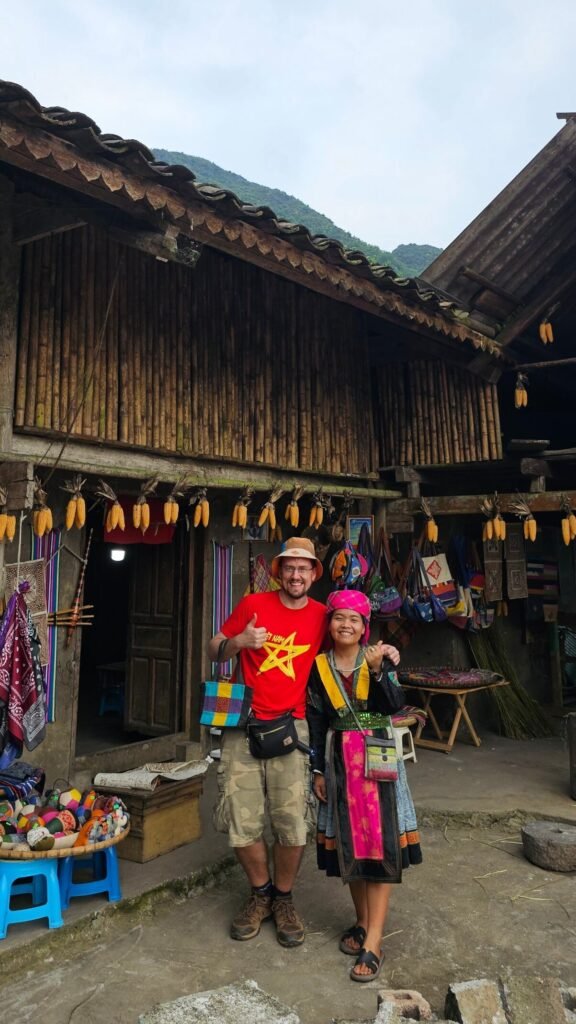
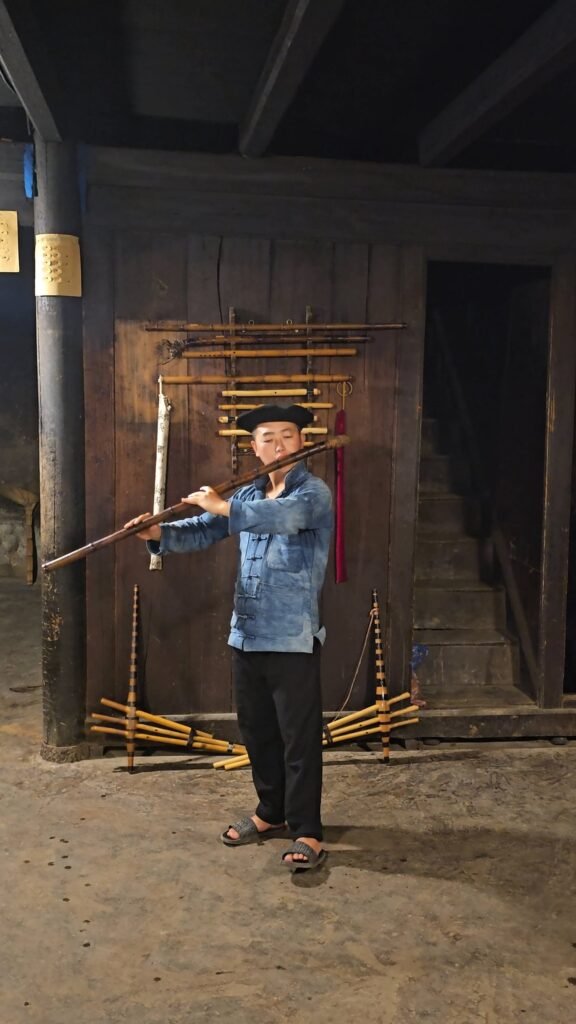
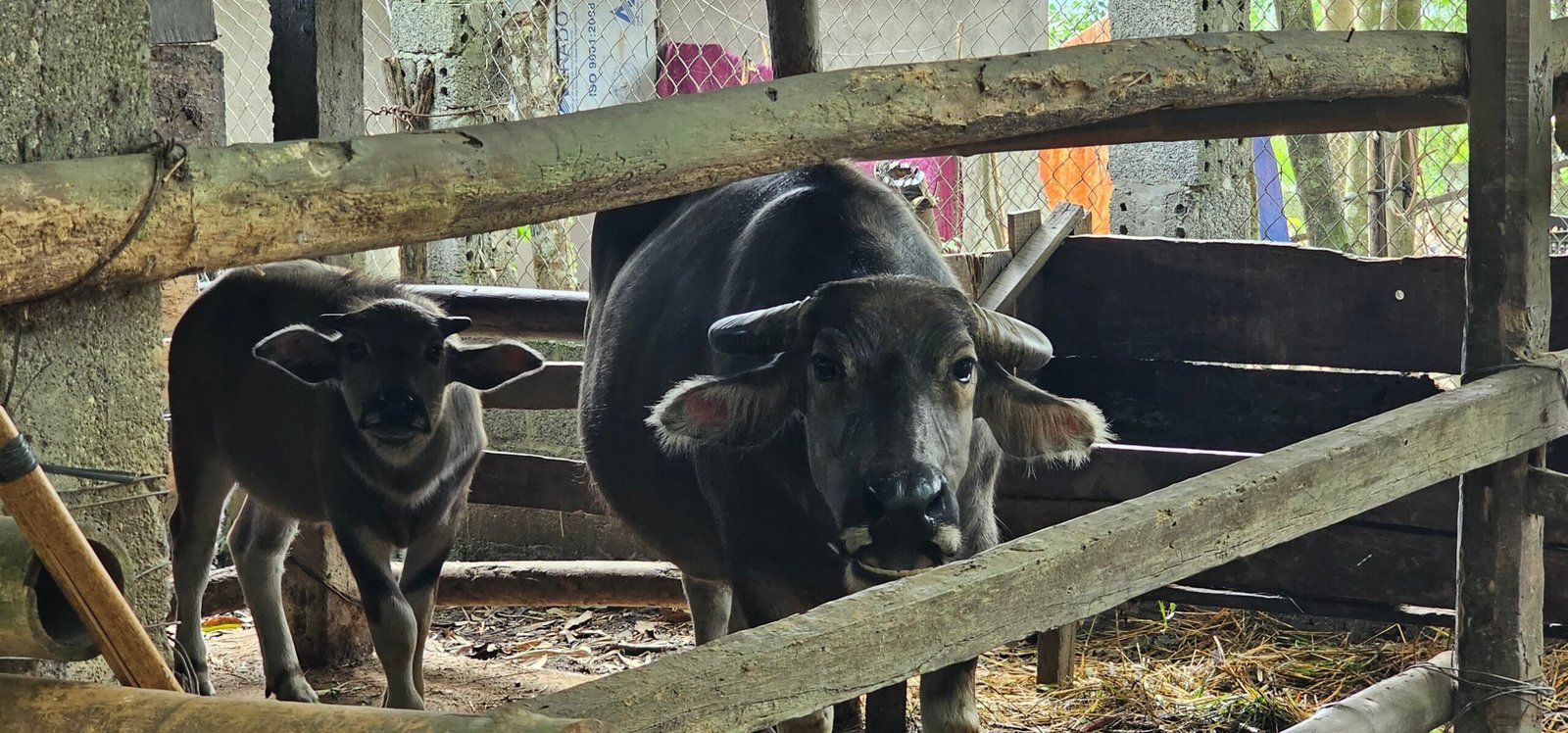
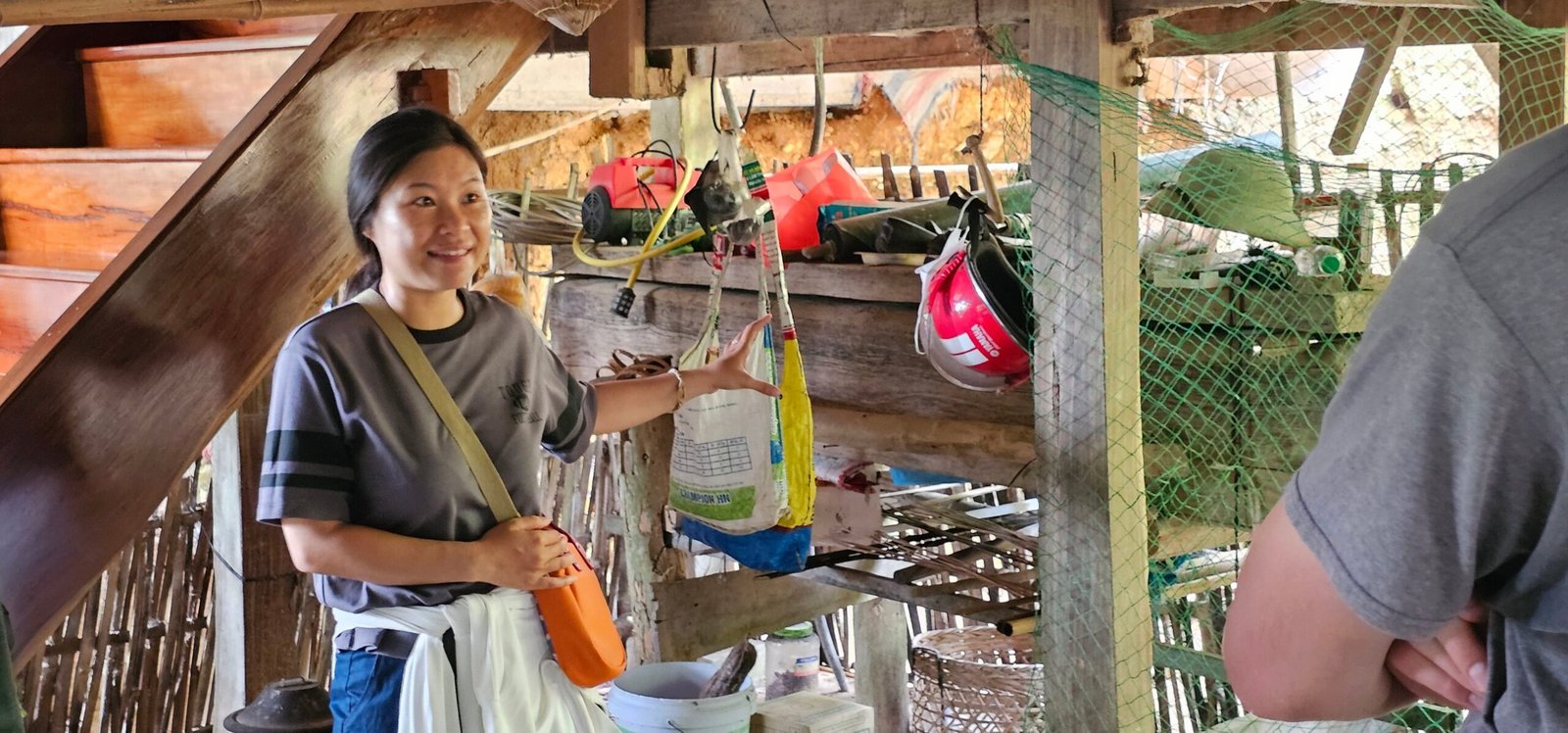
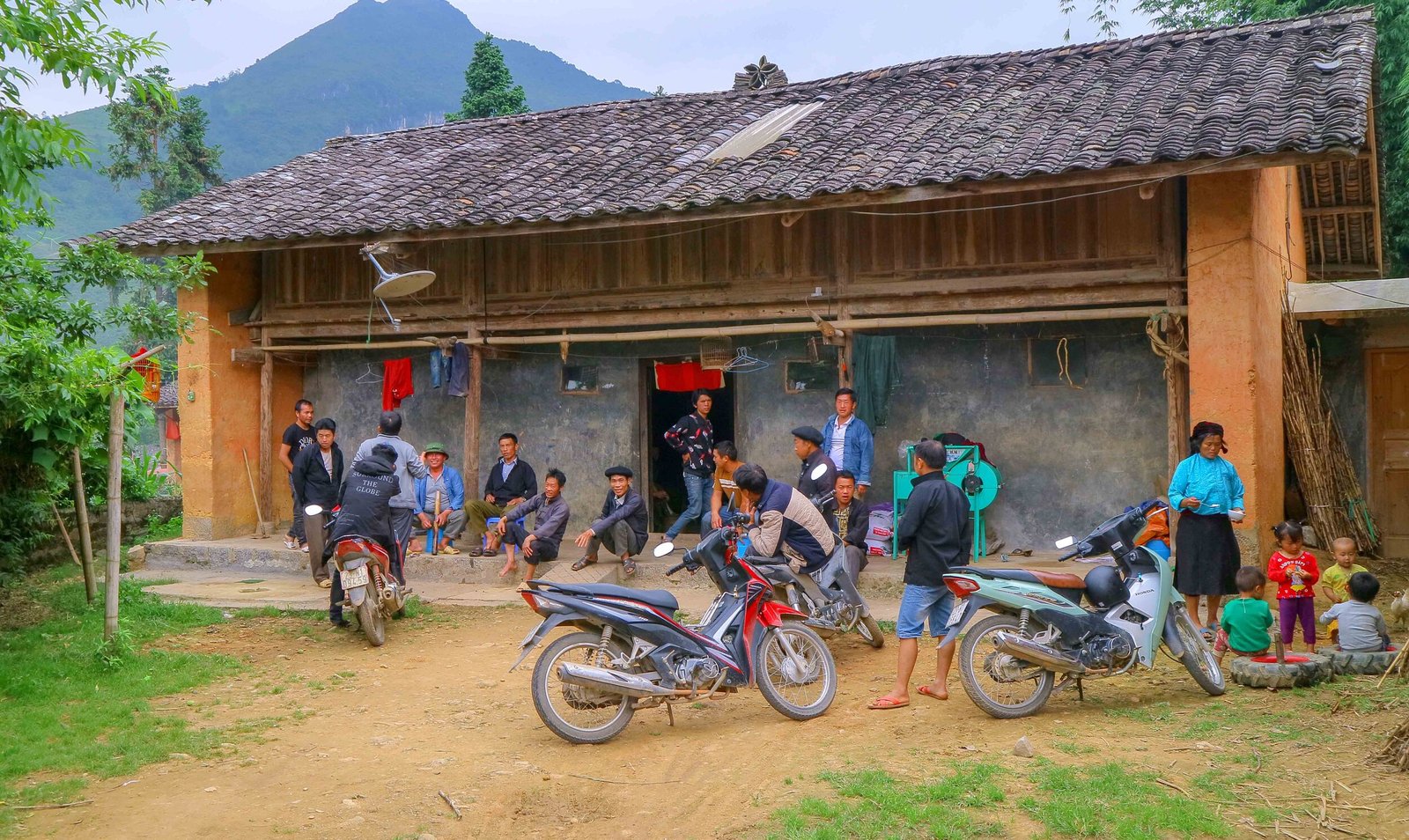
Contact with local people is part of everyday life on the trip. During this loop you visit villages and homes of different ethnic groups, such as Tay, Dao and Hmong, and the drivers belong to these and other local groups. In fact, the drivers are another part of the cultural immersion and one of the pillars of the experience: they don’t just ride the bike, they interact with travellers, share information along the route and spend time with you at the accommodation, taking an active part in the trip.
Finally, the atmosphere also makes a big difference. It isn’t a party tour: no blaring music and no getting drunk. The pace is calm and respectful, both of the environment and of the people who live in Ha Giang. That doesn’t stop anyone who wants from having a few beers and a relaxed chat at the end of the day, or enjoying some music.
Audio guides and explanations in Spanish and English
Along the route there’s information in Spanish and English through audio recordings that explain different aspects of the places you visit. They’re used at specific moments of the trip and help you understand the context of what you’re experiencing. This is useful for English speakers who want clear, well structured information, and also for Spanish speakers who don’t get by well in English.
Bear in mind that the guides are not professional tour guides. They’re people from the villages themselves who are improving their English little by little, so don’t expect tour guide level English. Usually at least one of the drivers speaks English fluently, and the audio recordings support you along the route.
Motorbike or car tour of Ha Giang?
One of the first decisions when planning a Ha Giang tour is whether to go by motorbike with a driver or by car with a driver. Both cover the region with the same cultural approach, but the experience changes quite a lot depending on which you choose.
👉 Option 1: motorbike tour with a driver (easyrider)
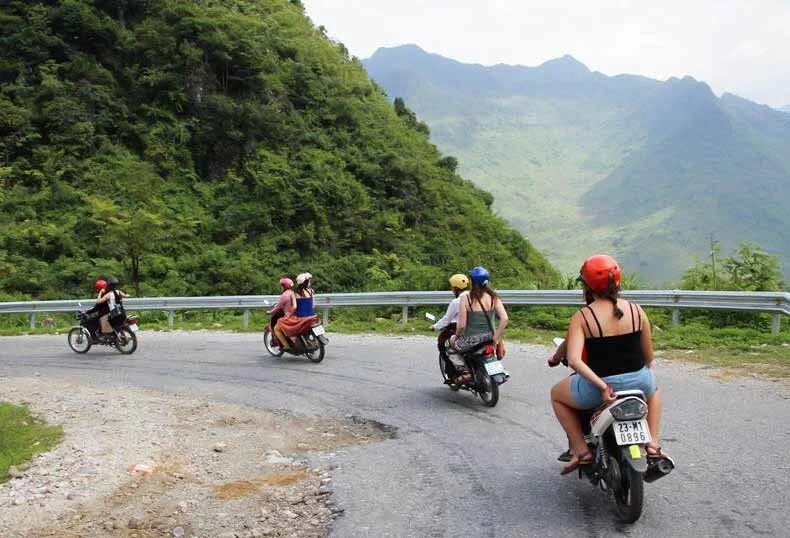
The most popular option. You experience the scenery much more directly: the wind, the smells, the temperature changes and closeness to your surroundings make the route feel more real. And since you’re not riding, you can focus on enjoying the scenery, taking photos and going with the flow.
The main downside of the motorbike tour is that you’re more exposed to the elements, like rain or cold depending on when you travel, and the position can get less comfortable after several hours on the bike.
👉 Option 2: car tour with a driver
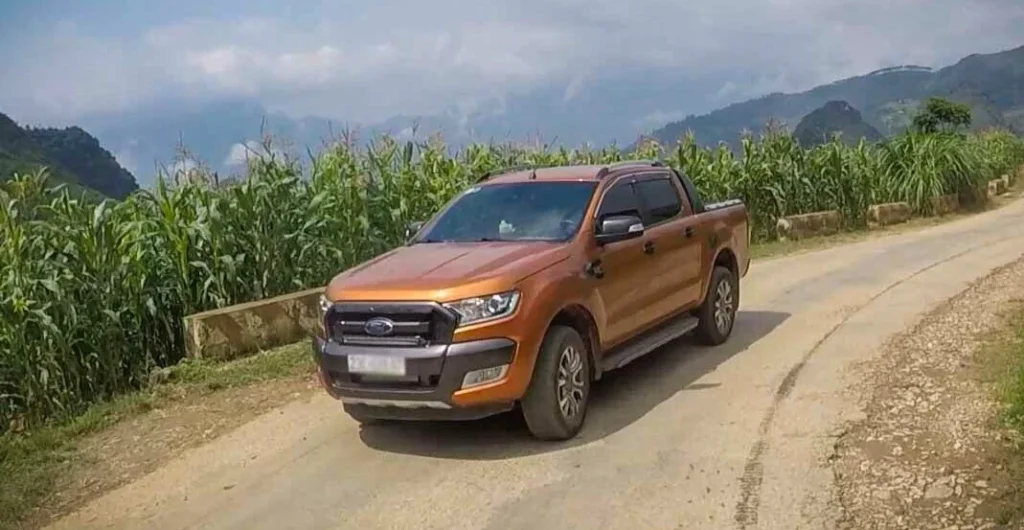
The car tour is a comfortable alternative for those who don’t want to go by motorbike or prefer a calmer pace. It’s especially suitable if you travel as a family, with older people or with someone with reduced mobility.
The route and cultural approach are the same: you visit the same places and do similar walks and activities, but in a less tiring way and with much less exposure to the weather.
The car tour price is per person and includes a private room. It depends on how many of you there are:
| People | 3 days, 2 nights | 4 days, 3 nights |
|---|---|---|
| 2 | 6,000,000 VND | 7,800,000 VND |
| 3 | 5,500,000 VND | 7,000,000 VND |
| 4 | 5,200,000 VND | 6,700,000 VND |
For one person the car works out quite expensive, so the motorbike makes more sense.
3 days and 2 nights or 4 days and 3 nights?
The difference between doing the Ha Giang Loop in 3 or 4 days isn’t so much the scenery, spectacular either way, but how much you see and how you experience the route.
The 3 day, 2 night tour is designed to show the best of the loop in a short time. In those three days you cover most of the Ha Giang Loop, combining well known scenic stretches with less travelled areas. A well thought out option if you’re short on time and want a complete experience without stretching the trip.
On the other hand, 4 days and 3 nights is the most complete way to do the Ha Giang Loop. The extra day lets you extend the route, reach more remote areas and split the daily stages better, which means more room for walks, stops and a wider variety of experiences.
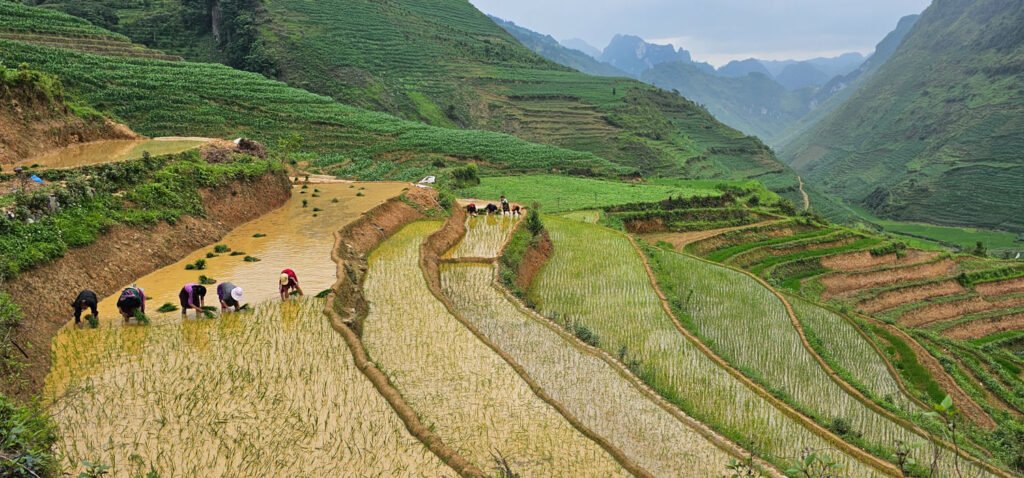
When I did the tour, I chose the 4 day option and never felt there was time to spare. On the contrary, I left feeling I’d made the most of every day, combining great scenery with interesting experiences throughout. So for me this is the most complete option, because if you cut the tour to three days, some parts of the experience don’t fit.
How to book this cultural tour in Ha Giang
The easiest way to book this tour is to contact Be’s Home directly on WhatsApp. Be’s Home is the Ha Giang hostel where the tour is organised and starts from, and they coordinate everything: dates, availability and questions before you reach Ha Giang.
If you come through this website, mention the code AlbertoVN100HG when you message them: they’ll give you 100,000 VND off per person. A small thank you for coming recommended from here.
It’s best to book at least two weeks in advance. To confirm your place you pay a deposit of 300,000 VND per person (about $12), which isn’t refunded if you cancel.
How much does this cultural tour of Ha Giang cost?
At the time of writing (November 2026) the price is 4,900,000 VND per person for 3 days and 2 nights, and 6,200,000 VND for 4 days and 3 nights. If you come through this website, the code AlbertoVN100HG takes 100,000 VND off per person. That’s similar to much more commercial Ha Giang Loop tours, but the approach is very different.
Instead of constantly sharing restaurants, viewpoints, accommodation and activities with other groups, the experience here is more carefully planned: back roads, cultural activities and a pace designed to enjoy the surroundings. In my experience, it’s well worth it for what it offers.
Can you find cheaper options? Yes. But the price difference is usually small compared with the change in experience. Compared with other easyrider tours of similar length, this one is in a very similar range, with a much more carefully planned offer. That’s why the value for money is hard to beat.
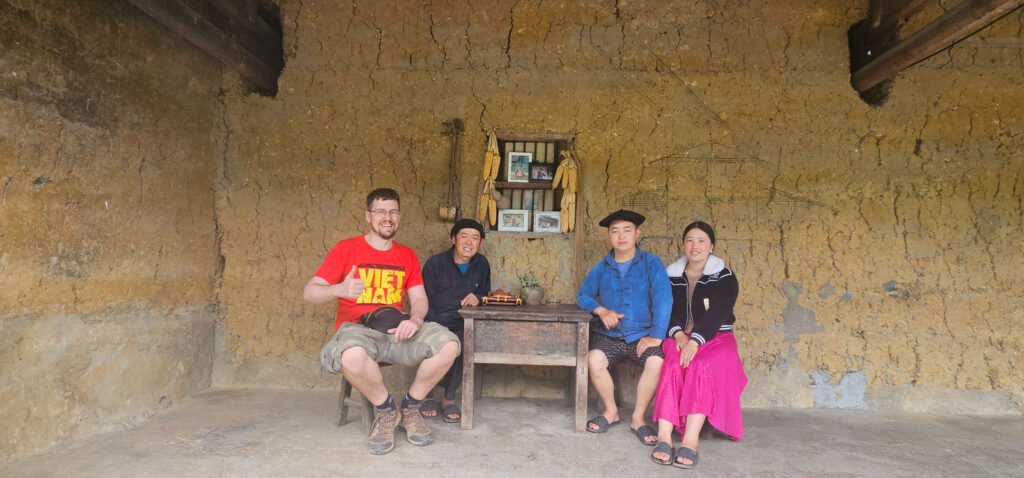
Tipping the driver? It’s not compulsory, but on this kind of tour it’s usual to give them something. If you feel your driver made an effort and you enjoyed the experience, they really appreciate it and it goes straight to them. As a guide, it’s reasonable to leave between 300,000 and 500,000 VND per person (about $12 to $19) at the end of the 3 or 4 day trip. If you’re not sure when and how much to tip in Vietnam, I explain it all in my guide to tipping in Vietnam.
What does the tour include?
The tour is practically all inclusive, designed so you don’t have to worry about logistics during the loop. Specifically, it includes accommodation, meals along the route, water, motorbike and fuel, an experienced local driver with a licence, plus entrance fees to the places you visit and the planned activities, like walks and cultural visits.
The accommodation always allows some privacy. Even in shared rooms, each person has their own space, usually separated by curtains. If you want more privacy, there’s a private room option for a supplement of 350,000 VND per room per night for a couple, or 450,000 VND if you travel solo.
It doesn’t include personal expenses like coffees, soft drinks, snacks, drinks or extra shopping. Nor does it include transport to Ha Giang, accommodation before or after the tour, or travel medical insurance. It also doesn’t include the Ha Giang permit (260,000 VND per person), which is mandatory for foreigners: they arrange it with a photo of your passport. Bear in mind that in Vietnam breakfast traditionally doesn’t include coffee, so breakfast coffee is usually paid separately.
Frequently asked questions
How to get to Ha Giang from Hanoi or Sapa
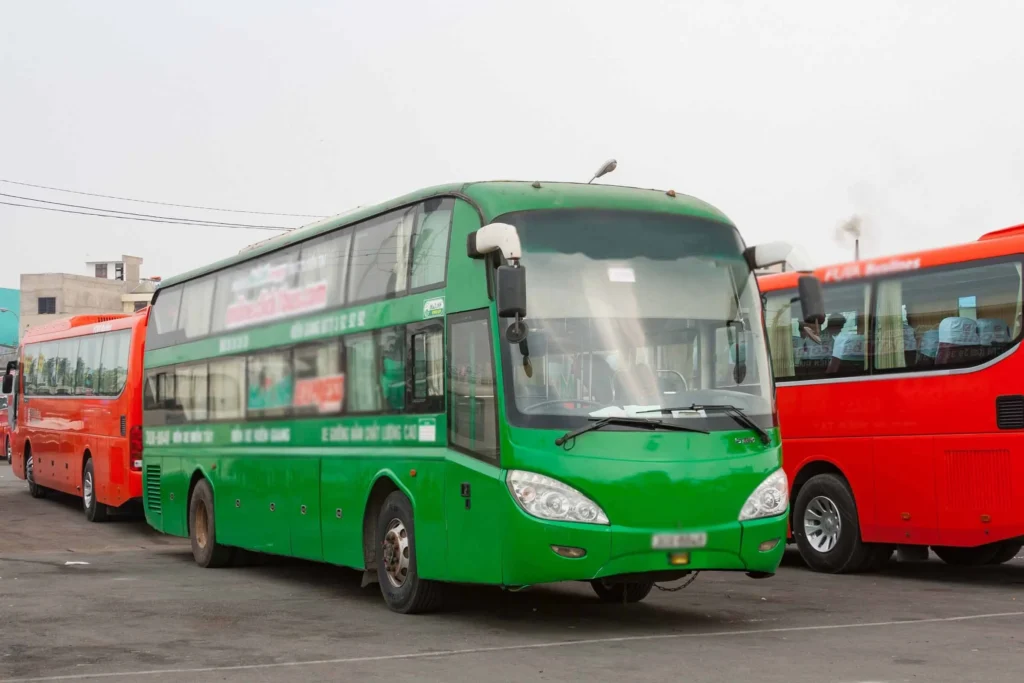
Getting to Ha Giang by sleeper bus isn’t difficult. There are daily connections from different places in northern Vietnam, especially from Hanoi or Sapa.
Practical tip: the drivers pick you up between 8:15 and 8:30 at your accommodation, as long as it’s in Ha Giang town centre. If you arrive in the early hours on a night bus, book a night at a homestay in the centre, as there’s nowhere to rest before you set off. Some buses drop you right at the accommodation you give; if not, they’ll leave you at Ha Giang bus station, and you can get to your accommodation with the Xanh SM app (Grab doesn’t work in Ha Giang, but Xanh SM does).
Can I bring a big backpack on the tour?
You can bring all your luggage to Ha Giang, but the most practical thing is to leave your big backpack at the accommodation where the tour starts, where it’s stored safely until you return. On the route you’ll only carry a small backpack with the essentials: clothes, toiletries and personal items. If you don’t have a small backpack, they’ll give you bags for your things during the trip.
Do I need a motorbike licence for this tour?
No. On this tour you don’t ride, you travel as a passenger with a licensed local driver experienced on the Ha Giang Loop. You don’t need a motorbike licence or any experience riding in Vietnam. If you hold a 1968 International Driving Permit and would rather ride yourself, ask Be’s Home: in some cases they offer this option.
Can you combine the tour with Cao Bang?
Yes. Be’s Home runs a 5 day, 4 night route that combines the Ha Giang Loop with Cao Bang, for a minimum of 2 people. By car it costs 10,300,000 VND per person (about $400) and by motorbike $670 per person. It doesn’t include Ban Gioc Waterfall (50,000 VND) or the boat on the Nho Que River (200,000 VND per person), and you need a second permit for the Cao Bang area (260,000 VND).
Is the Ha Giang Loop dangerous?
The Ha Giang loop isn’t a dangerous route in itself, but it can be if done in bad conditions, especially when riding on your own without motorbike experience or knowledge of local traffic.
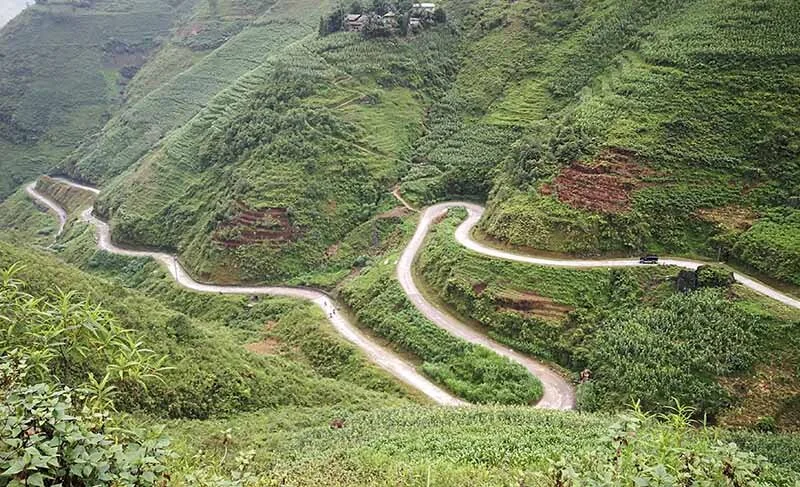
On this tour the situation is very different. You don’t ride; you go with an experienced local driver used to these mountain roads and the conditions in northern Vietnam. The tour is also organised in small groups with no rush, avoiding unnecessary risks.
For example, if the weather is bad, the route is adapted for safety: in heavy rain, flood prone areas are avoided, and safety always comes before the itinerary.
What happens if it rains or the weather is bad during the tour?
The weather in Ha Giang can change, especially in summer and early autumn. If it rains or conditions aren’t good, the route is adapted with safety first. More exposed or difficult stretches are avoided and times and stops adjusted if needed. The goal isn’t to «stick to the itinerary at all costs», but to enjoy the trip safely.
Is this Ha Giang tour suitable for families?
Yes, you can do this kind of tour as a family, with some caveats. It isn’t designed for young children, as it means many hours on the road and a pace that can feel long.
Even so, some families do it without problems, especially with older children used to travelling. In that case, a good option is to go by car instead of motorbike, which is more comfortable and lets you adapt the pace better.
Is it suitable for people who aren’t very fit?
Yes, in general it’s an accessible tour. The walks are short and at a relaxed pace, designed to get off the road and see the surroundings, not demanding treks. Everyone can go at their own pace and, if you’d rather skip a walk at any point, that’s no problem.
What to bring on the Ha Giang tour
You don’t need to carry much on this tour. You can leave your big backpack at the accommodation where the tour starts, so ideally bring a small or medium backpack with just enough for a few days. Bring your passport and some cash for personal expenses. If you need to change money when you arrive in Ha Giang, a local recommends Cuu’s House as the best option in town.
As for clothes, bring things that cover your skin (to protect you from the sun), something warm even outside winter and a light rain jacket, as mountain weather can change fast. Good shoes, sunscreen and mosquito repellent are also a good idea. If you travel in good weather, a swimsuit and a small travel towel can be very handy for swimming in rivers or waterfalls along the way.
Anything else you can easily buy in Vietnam if needed.
What’s the best time to do the Ha Giang Loop?
In my opinion, spring and autumn are the best times to visit Ha Giang (roughly March to May and September to November). Temperatures are milder, there are fewer extremes of heat or cold and the weather is generally more stable, so you can enjoy both the scenery and the activities off the road.
Winter (December to February) is usually the worst time, as cold, fog and rain are common, plus there are fewer daylight hours.
In summer it’s hotter and there can be occasional storms, but you get lots of daylight and, travelling calmly and with good planning, it’s still a perfectly good time.
Still have questions about the Ha Giang Loop?
If you’re thinking of doing the Ha Giang Loop with this kind of tour and have any questions, leave them in the comments and I’ll try to help as much as I can.
And if you’ve already done this route or are organising it, you can also share your experience. It’ll surely help other travellers who are where you were a few weeks ago.