
Planning a trip to Vietnam and wondering where to buy clothes? Vietnam is one of the world’s biggest textile producers, and it shows in the choice and prices: branded clothes for a fraction of what you’d pay at home, tailors who make you a suit in 24 hours, quality silk, ethnic markets in the north and shopping centres with international brands.
In this guide I’ll tell you where to buy clothes city by city, what things cost and what to buy where, based on what I’ve bought living here since 2017 and on recent experiences from travellers in my WhatsApp groups.
Is it worth buying clothes in Vietnam?
Yes, very much so. One tip comes up again and again in my WhatsApp groups: travel with your suitcase half empty, or bring old clothes you can throw away as you buy new ones. Some people go home packed to the brim and still wish they’d bought more.
That said, there’s a lot of mixed information online. Some say Hanoi is best, others swear by Hoi An, others send you to the Russian Market in Ho Chi Minh City. The truth is it depends a lot on what you’re after: a tailored suit isn’t a mountain jacket, and a silk shirt isn’t a pair of trainers.
What clothes are worth buying in Vietnam?
Some things are well worth buying in Vietnam: some because they’re hard to find elsewhere, others because the value for money is hard to beat.
Here’s a quick price summary; details for each one below.
| Item | Rough price |
|---|---|
| North Face style jacket (copy) | 625,000 to 1,100,000 VND ($24 to 42) |
| Branded trainers (copies, Adidas or Nike style) | 900,000 to 1,000,000 VND ($35 to 38) |
| Football shirt and shorts set (big clubs, copy) | 1,000,000 VND ($38) |
| Pure silk scarf | From 400,000 VND (from $15) |
| Tailored shirt (Hoi An) | From 470,000 VND (from $18) |
| Tailored dress (Hoi An) | From 1,250,000 VND (from $48) |
| Tailored suit (Hoi An) | From 4,700,000 VND (from $180) |
| Pearl earrings and pendant set | About 1,875,000 VND (about $72) |
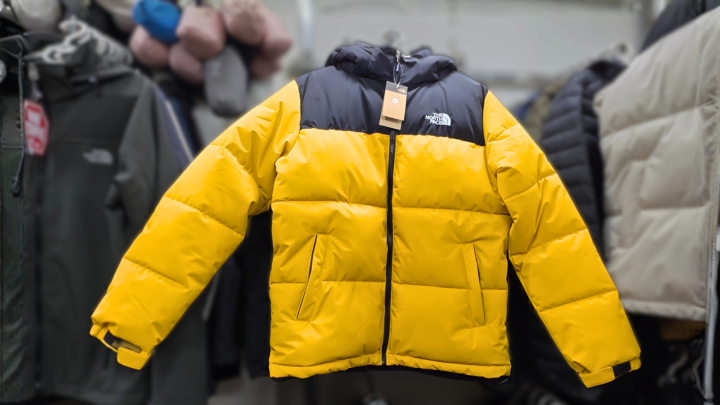
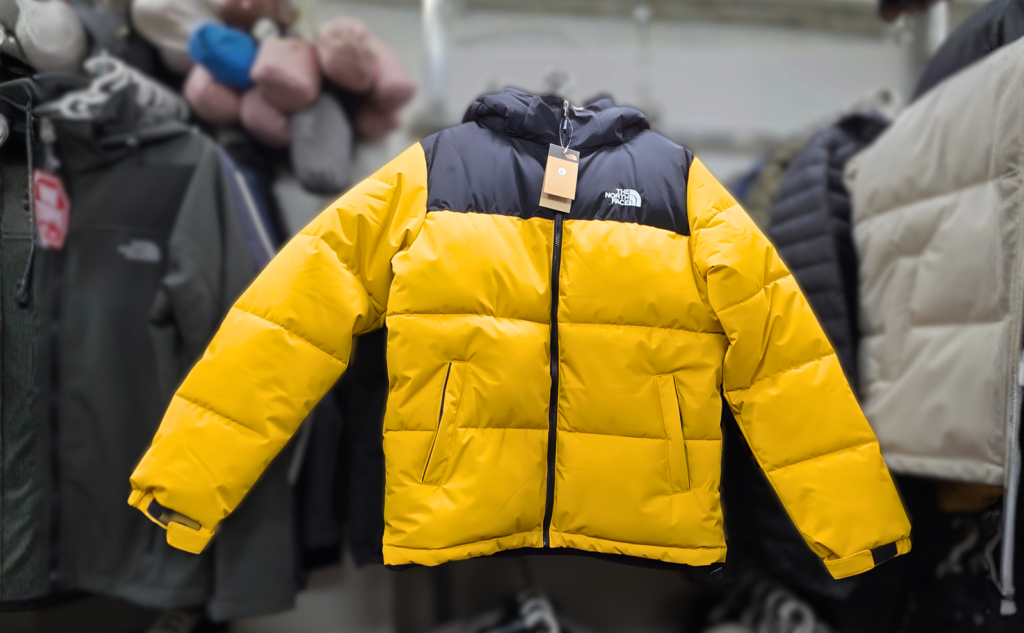
Fake North Face, Patagonia or Arc’teryx style clothing. Jackets, coats, backpacks and outdoor gear that cost hundreds at home go for a fraction here. Quality varies a lot: some copies are almost impossible to tell from the real thing, others fall apart in two days. A decent jacket costs about $25 to $40. I have a whole guide to buying North Face in Vietnam with maps and detailed prices.
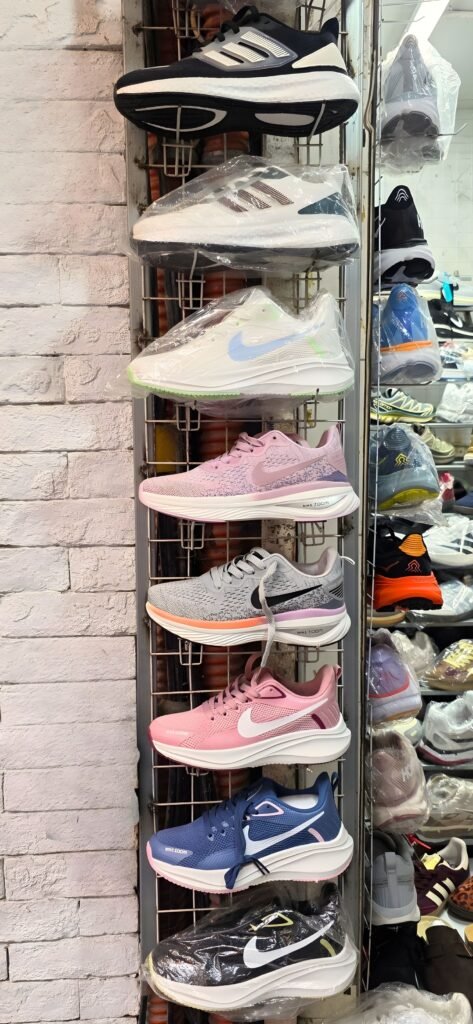
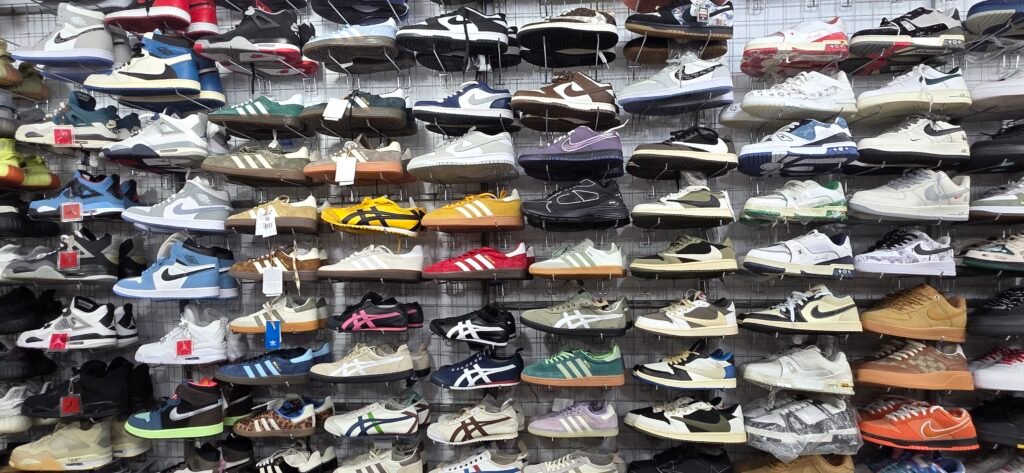
Fake branded trainers. Adidas, Nike, New Balance and similar for a fraction of the official price. Experiences in my groups are mixed: one person has had Adidas Sambas for two years with no problems, another found the soles coming off. Rough price: people in my groups have paid 900k to 1,000k VND ($35 to 38).
Football shirts. Real Madrid, Barcelona, Arsenal, PSG, Liverpool, Juventus or AC Milan, with player names like Ronaldo, Mbappé or Salah. The full kit (shirt and shorts) is usually around a million dong. But you won’t find the smaller clubs: I looked for a Rayo Vallecano shirt (my team back in Madrid) in several shops in Hanoi and they neither had it nor could order it.
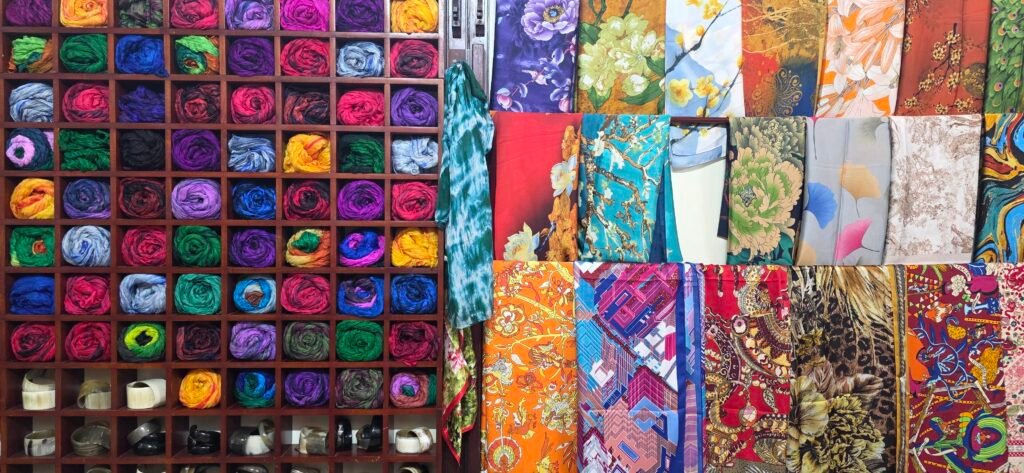
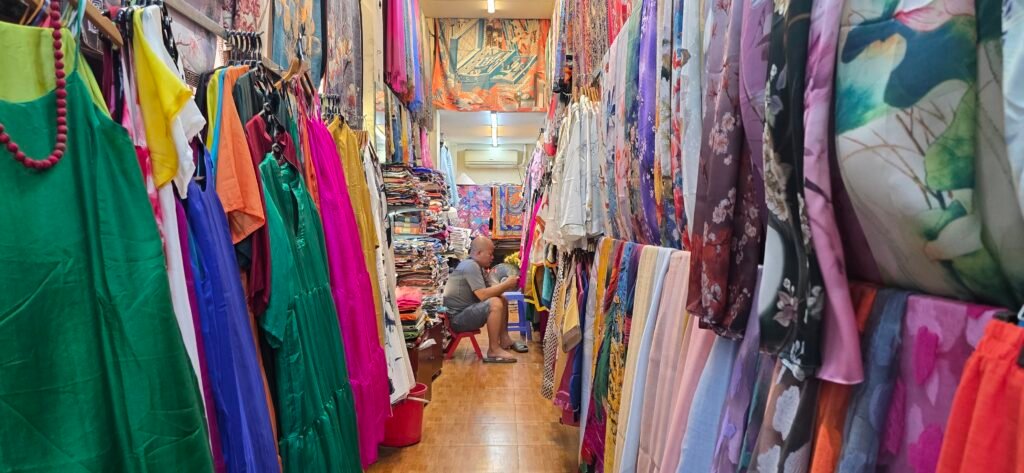
Silk. Vietnam has centuries of silk making behind it, and silk is one of the best buys. Scarves are the most common, but you’ll also find blouses, dresses and more for a third or a quarter of the price at home. A pure silk scarf starts at about 400,000 VND ($15), sometimes less.
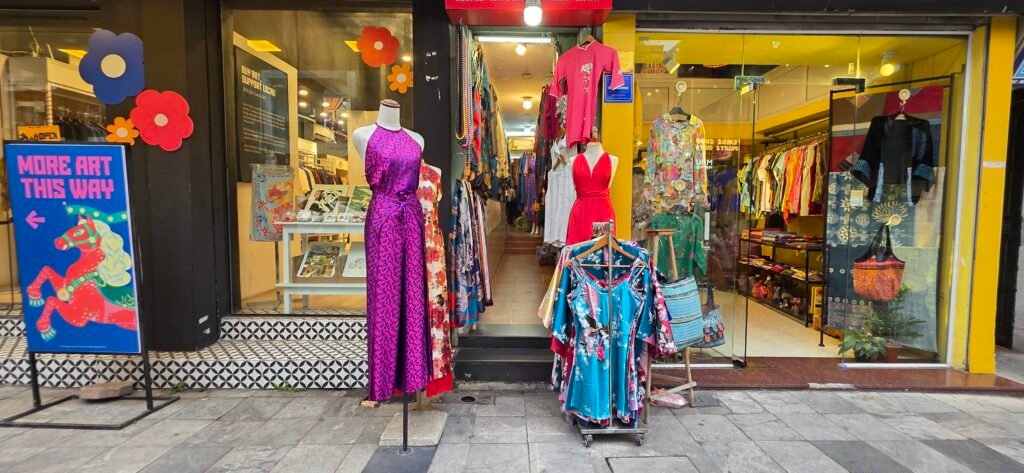
Tailored clothes. One of the most special shopping experiences in Vietnam: suits, dresses, shirts or coats in 24 to 48 hours for a fraction of the price at home. You pick the fabric and style, they measure you, and you collect it two days later (ideally with a fitting in between). Prices vary; as a guide in Hoi An: a shirt from $18, a good suit from $175, dresses from $45. I give specific tailors in my complete Hoi An guide. Hue also has good tailors, plus a pedestrian area with interesting clothes at good prices, and Hanoi and Ho Chi Minh City have plenty too.
Made to measure leather shoes. Less known than suits but just as interesting: leather shoes made for your feet for much less than a good pair at home. Especially useful if your feet are hard to fit or you wear a big size.
Fake glasses. Copies of the most famous frames are easy to find. In Hanoi, this part of the Old Quarter is full of glasses shops. A handy trick: buy fake frames you like and have an optician fit certified lenses. A decent alternative for much less than the official ones.
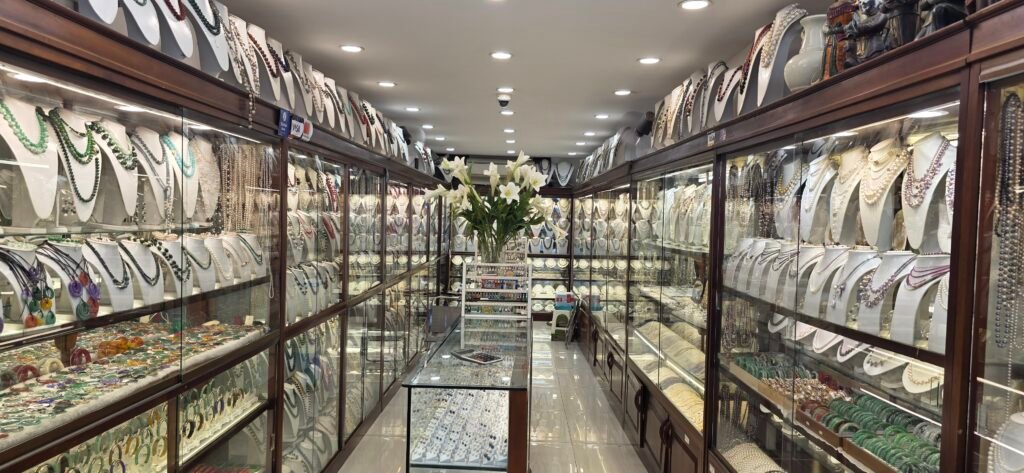
Pearls. Phu Quoc is one of the best places in the world to buy pearls at surprisingly low prices. They’re also sold in Ha Long Bay, though considered lower quality. In Hanoi, I bought a silver pearl earrings and pendant set in this shop for about $70.
Traditional and cultural clothing in Vietnam
Beyond everyday clothes, some very typical Vietnamese things make great presents or souvenirs.
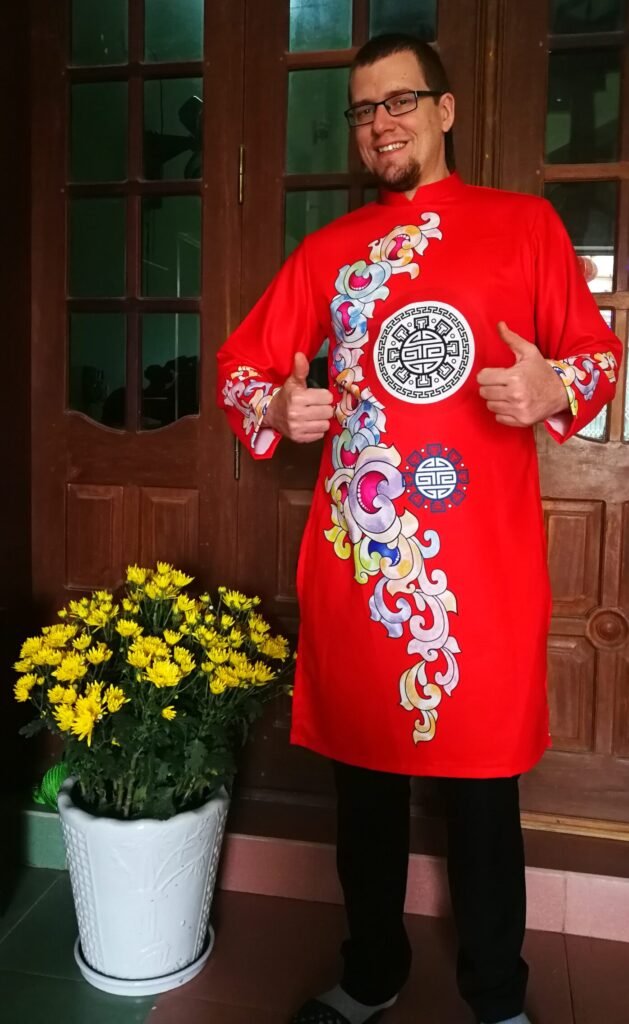
Áo dài. Vietnam’s national dress: a long, fitted tunic over loose trousers, usually in silk or similar fabrics, with embroidery or prints. One of the most special things you can buy here. It usually costs 700,000 to 1,500,000 VND ($27 to 58), and it’s worth having it made to measure: it costs little more and fits much better, which matters on something this fitted. There are versions for both men and women.
Ethnic clothing from the north. In Sapa, Bac Ha and Ha Giang, the Hmong, Dao and Tay communities sell hand embroidered clothes, scarves, bags and blankets with very colourful patterns. Every piece is practically unique, has real cultural value, and your money goes straight to the communities who make them. For me it’s one of the most special things you can buy in Vietnam.
The backpacker uniform and quirky buys. The classic thin, baggy elephant trousers you see all over Asia are in every tourist town’s night market, very cheap. Vietnam also has local versions with fruit prints; my favourites are the banana ones, which look pretty funny. They cost around 100,000 VND ($4) after haggling (the first price is usually much higher). And you can find Grab driver jackets, which only people who’ve travelled Southeast Asia will recognise back home.
Local chains and recommended official shops
If you just want normal clothes at normal prices (say your luggage got lost and you simply need something to wear), head to Uniqlo: standard sizes, lots of choice, good quality and fair prices. For something more comfortable, Decathlon is in the big cities too, with prices similar to Europe.
For international brands like Zara or H&M, go to the main shopping centres: Vincom Centre, Lotte Mart or Lotte Mall, and AEON.
Finally, M2 and Canifa are local brands with a good reputation and good quality, although again, if you wear a big size you may struggle to find things that fit.
An important note for tall people or bigger sizes: Uniqlo, Decathlon and the shopping centres make it much easier to find your size than local shops or markets, for clothes and shoes. Still, don’t expect the same choice as at home.
Sizes: what to expect if you’re not Asian sized
Vietnamese sizes are smaller than Western ones. As a quick guide: a Vietnamese XL can be a European M or L. I wear M or L at home and always ask for XXL when we order T shirts at school.
If you’re over 1.80 m (5’11”) or wear a big size, you’ll probably struggle to buy clothes in many local shops and markets. I find it hard to get smart jackets, sometimes trousers, and with EU 45 feet (UK 10.5) shoes are nearly always a problem.
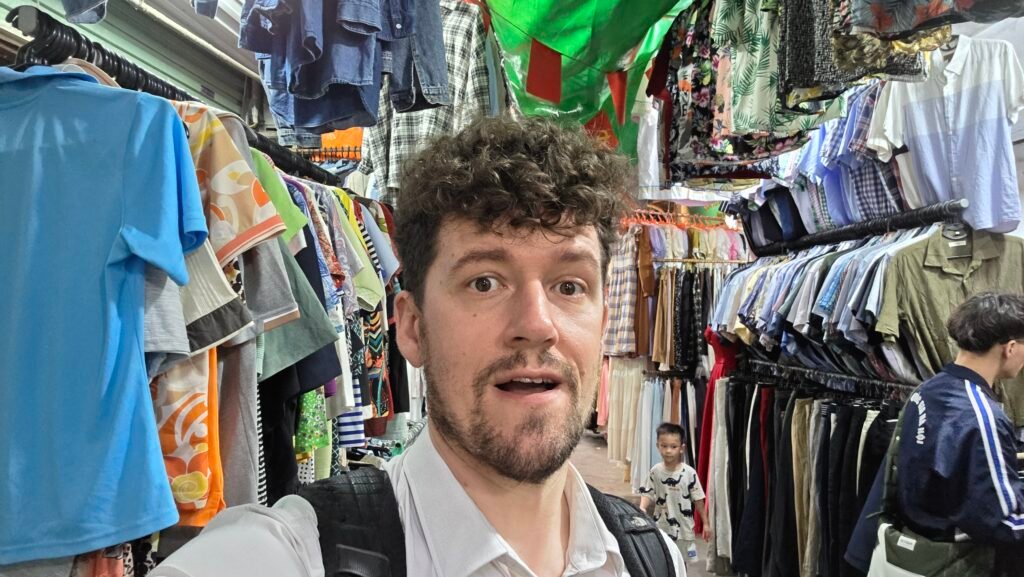
In these cases, three options work better: tailored clothes (the safest bet for shirts, suits and trousers), shopping centres with international brands (standard sizes, prices similar to Europe but with a guarantee), and Decathlon (prices similar to Europe and a bit more stock in big sizes, although less choice than at home).
Where to shop and what to buy in Hanoi
Hanoi is probably the best all round city for buying clothes in Vietnam: wholesale markets, the famous night market, a big second hand market, a silk street, tailors and shops specialising in copies of international brands. Here’s my complete Hanoi guide to plan your visit beyond shopping.
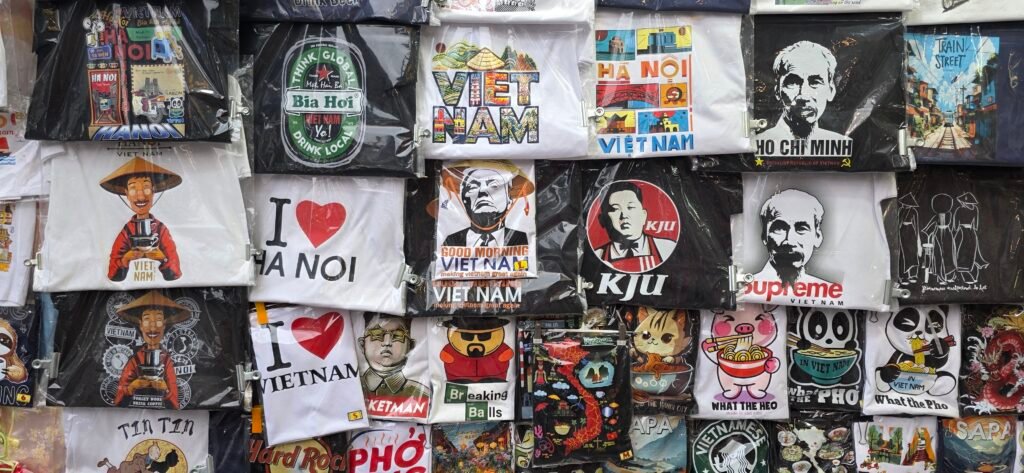
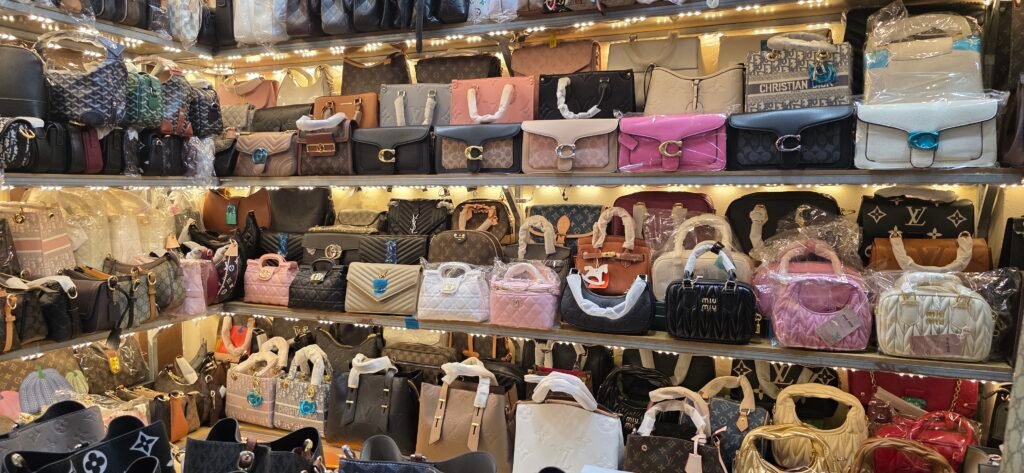
Old Quarter: copies of everything and hiking gear. This is where you’ll find shops selling backpacks, jackets, T shirts and outdoor clothing in the style of North Face, Patagonia or Arc’teryx, plus other copies such as trainers (Nike or Adidas, for example), bags from brands like Chanel, Tommy Hilfiger socks and underwear, belts, football shirts and other accessories. Quality depends on the shop. If you’re mainly after outdoor gear, I have a whole guide to buying North Face in Hanoi with a map, specific shops and prices.
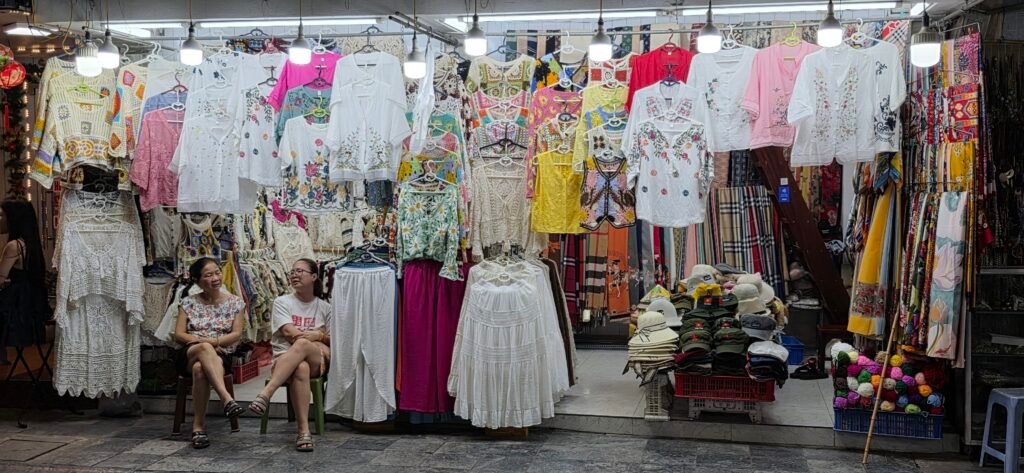
Old Quarter weekend night market. Open only on Friday, Saturday and Sunday nights, along the main street of the Old Quarter. One of the best places for cheap clothes, copies and accessories: very lively, very noisy, lots of people and prices you can haggle down a fair bit. If you’re in Hanoi on a weekend, fit in an evening here.
Dong Xuan Market. Hanoi’s biggest wholesale market, at the far end of the Old Quarter. Three floors full of everything you can imagine, from clothes and textiles to souvenirs and food. Clothes, fabrics and accessories are mostly on the upper floors. It’s chaotic, authentic and has far more choice than any small shop. Prices are negotiable, and it’s worth a wander just for the experience.
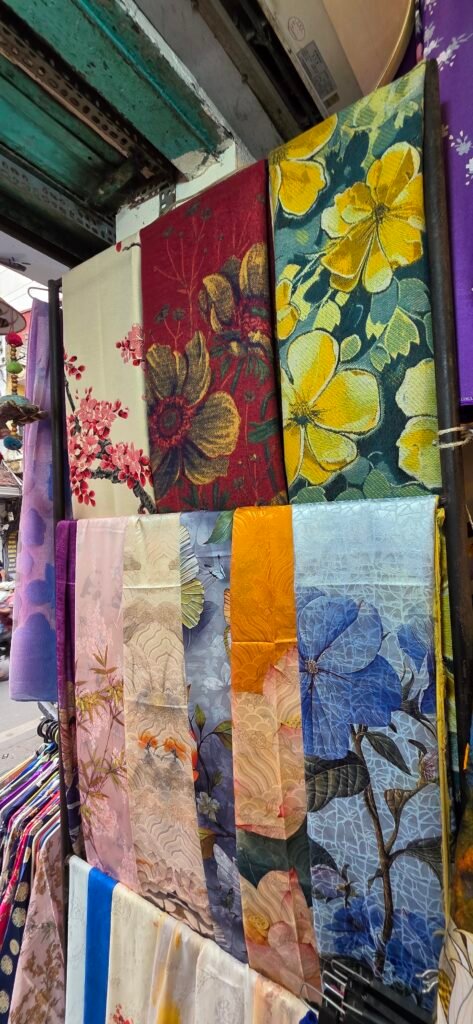
Hang Gai, the silk street. This central Old Quarter street is all about high quality silk: dresses, traditional outfits, scarves, blouses and so on. Prices are higher than in the markets, but so is the quality. A pure silk scarf starts at about 400,000 VND ($15). Alternatively, Van Phuc silk village has been working with silk for more than 200 years and is a bit cheaper than Hang Gai. Go early in the morning or early afternoon, avoiding lunchtime (11:00 to 14:00) and closing time (from 18:00).
Tailors in Hanoi. Hanoi has lots of tailors with great reviews on Google Maps. I haven’t had clothes made here myself (I did it in Hoi An and in an area a bit outside the centre), but most shops in the centre are very well rated. Search «tailor» on Google Maps for plenty of options.
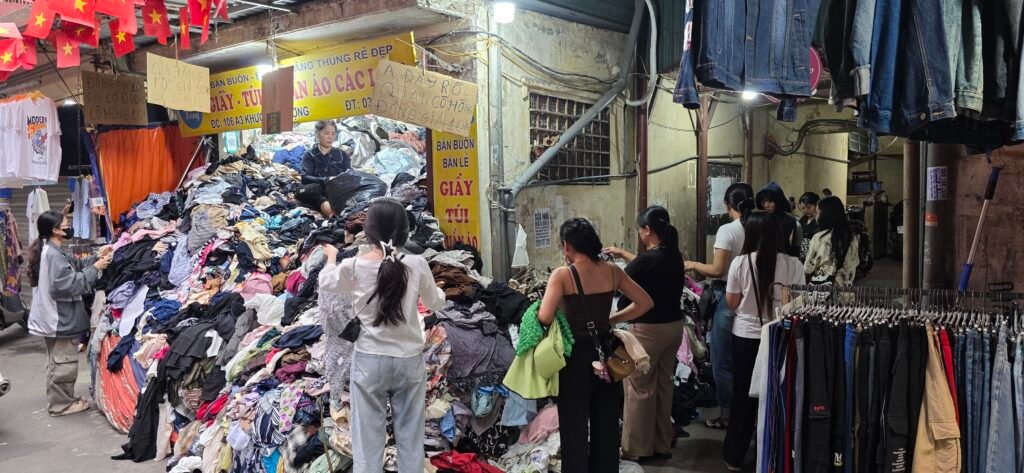
Alternative area for younger styles: Chua Boc Street and Pham Ngoc Thach. Few tourists know this area, but it’s very popular with locals, about 4 km from the Old Quarter. You’ll find young, trendy clothes at pretty good prices. Very close by is Chợ hàng thùng Đông Tác second hand clothes market. Here you don’t go looking for something specific, you go and see what you find. If you have a free afternoon and want to get off the tourist trail, this is the place.
Where to shop and what to buy in Ho Chi Minh City
Ho Chi Minh City has a different offer from Hanoi: fewer warm clothes and more light clothing. It makes sense: it’s hot all year, North Face style gear isn’t part of local daily life, and the market is more aimed at tourists. If you’re spending a few days there, here’s my complete Ho Chi Minh City guide.
Russian Market. If you’re after outdoor or winter clothes or technical gear in the style of North Face, Patagonia or Arc’teryx, this is the place. Backpacks, jackets and accessories at fair prices, and as in Hanoi, you haggle here too. The market also has other kinds of clothes, like smart jackets or more general clothing.
Ben Thanh. Ho Chi Minh City’s most touristy market. You can shop here, but first prices are high and you need to haggle hard. Important warning: some sellers can get quite annoyed if you haggle for a while and then don’t buy.
Saigon Square. Right opposite Saigon Centre, similar to Ben Thanh but a bit less touristy. Fake clothes, bags and shoes that look very much like the originals. Several travellers have told me the shops all sell more or less the same things and prices aren’t especially low. To compare with shopping centre prices, Saigon Centre is just across the road.
Where to shop and what to buy in Hoi An
Hoi An is Vietnam’s number one place for tailored clothes. The whole town is full of tailors, leather shops and small boutiques: almost a must if you want to take home something made just for you. If you’re spending a few days there, here’s my complete Hoi An guide.
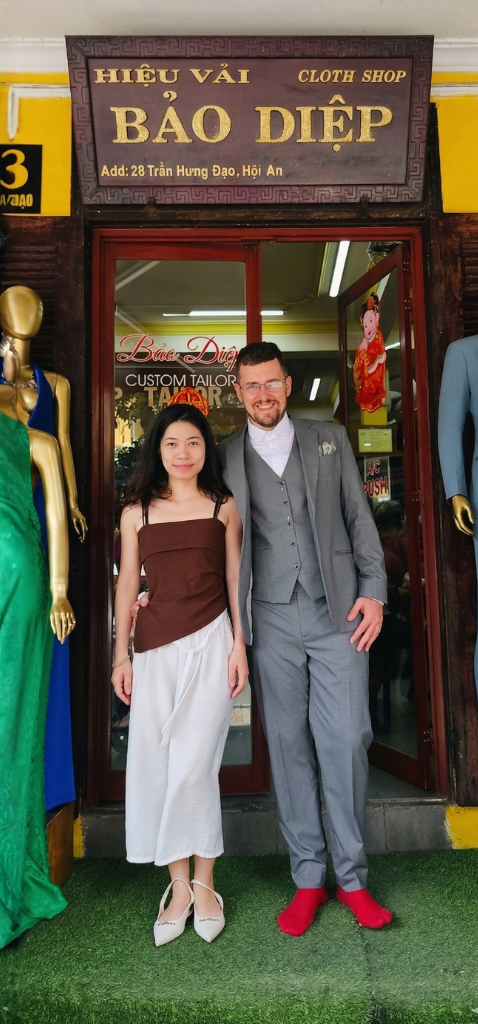
Tailors and made to measure clothes. It’s quick: a suit or dress is usually ready in 24 hours with at least one fitting, and simpler pieces even the same day. Still, don’t rush it, so the adjustments come out right. Rough prices: a shirt from $18 to 25, dresses from $45 to 140, a good wool or silk suit from $175 to 230. For a wedding, I had two three piece suits and two shirts made at Bao Diep Tailor in high quality fabrics for about $750 in total. I was told something similar in Spain could cost almost double.
Other tailors recommended in my WhatsApp groups: Thuy Huong 27 (good for silk dresses at a competitive price), Thanh design, Bebe Tailor, Kymmy Tailor and Bibi Silk.
Leather goods: sandals, shoes and bags. As well as tailors, Hoi An has several shops specialising in made to measure leather. In my groups people have paid $30 to 35 for sandals, and bags and shoes go for well below European prices. The most recommended shops are New Stars Shoe Shop, Hen Leather Shop and Tinh Leather shop.
Backpacks and outdoor clothing. Hoi An isn’t the obvious place for this kind of thing, but a few shops have a good reputation. Thu Bags is the one people mention most, and Shop 57 is another solid option. For more on this, here’s my guide to where to buy North Face in Vietnam.
Ninh Binh, Sapa and the ethnic markets of the north
Ninh Binh isn’t known for shopping, but it has several good outdoor gear shops. Store 86 Authentic Factory Outlet is the best known among travellers, with a good reputation for value. There are several shops in this area, and my dad bought some lovely lightweight backpacks there, a model we never saw again on the trip. If you’re passing through, here’s my Ninh Binh guide.
Sapa deserves its own mention too. The mountain climate means there’s lots of warm clothing, jackets and trekking gear. Both Khánh Ly Trekking Shop and Nguyen Dang Guesthouse have a good reputation with travellers. My complete Sapa guide covers what to see and how to plan your visit.
But Sapa, Bac Ha and the Ha Giang area also have a kind of shopping you won’t find anywhere else: the ethnic minority markets. The Hmong, Dao, Tay and other communities of the northern mountains sell hand embroidered clothes, scarves, bags, blankets and traditional outfits with very colourful patterns, and every piece is practically unique. They carry a lot of cultural value and make brilliant presents or decoration. For me it’s one of the most special things you can buy in Vietnam.
How to haggle in Vietnam
Haggling is normal in markets, shops selling copies and some small shops. In official brand stores, shopping centres and chains like Uniqlo or Decathlon you don’t haggle.
Before you start, have a look around a few shops to see what’s on offer, the quality and roughly what things cost. Otherwise it’s hard to know whether a price is fair.
Once you find something you like:
- Play it cool. Ask the price calmly, without looking too keen.
- Ask for a discount. Say it’s expensive once or twice and wait for the reaction. That’s usually when the first drop comes.
- Make your offer. Some people say to start well below the first price, but you can also be direct about what you’re willing to pay.
- If they won’t budge, start to walk away. Very often that’s exactly when the best offer appears.
- The more you buy at once, the more room there is to negotiate.
- And if you’re still not convinced, say sorry and move on. No drama.
You don’t need to haggle like a pro: be patient, compare and don’t get carried away. If you’re not sure, keep looking: the Old Quarter is not short of shops.
When to shop during your trip
A practical question that comes up a lot in my groups.
My view: if you see something you like at a fair price, buy it there and then. «I’ll find it cheaper in the next city» can backfire: models change, stock varies, and lots of travellers regret letting a buy slip away.
That said, some things are worth planning. Warm clothes and mountain gear make sense at the start of the trip, especially if you’re heading north (Sapa, Ha Giang) and need to kit yourself out. Tailored clothes need at least 24 to 48 hours, so do it somewhere you’re staying several days, ideally Hoi An. Bulky buys (thick coats, several backpacks) are best left for the end of the trip, so you don’t carry them around the whole country.
Finally, a practical tip: if you plan to buy a lot of clothes, bring your suitcase half empty or an extra foldable bag. It’s cheaper than paying for excess baggage on the way home. For a full packing guide, here’s my Vietnam packing list.
FAQ
Is it worth buying clothes in Vietnam?
Yes. Vietnam is one of the world’s biggest textile producers and offers value for money that’s hard to beat on things like copies of big brands, silk, tailored clothes, pearls and unique cultural pieces like the áo dài or the ethnic clothing of the north. One tip I hear a lot from travellers in the Vietnam con Alberto community: travel with your suitcase half empty so you can fill it along the way.
Is it cheaper to shop in the north or the south?
A very common question, and the answer depends on what you’re looking for. Many guides say the south is cheaper in general, but my experience living here has been different, and several travellers have told me they regretted leaving their shopping until the end.
For warm clothes, jackets, mountain gear and outdoor clothing, in my opinion Hanoi and the whole north win. It makes sense: the north has a real winter, and that market exists for locals, not just tourists. Hanoi’s Old Quarter has more choice and better prices than any similar area in Ho Chi Minh City.
For casual clothes, Hanoi and Ho Chi Minh City are about the same. For tailored clothes, Hoi An is the top recommendation.
My advice: don’t wait to buy everything in one city. If you like something and the price is fair, buy it.
Are the branded clothes sold in markets real?
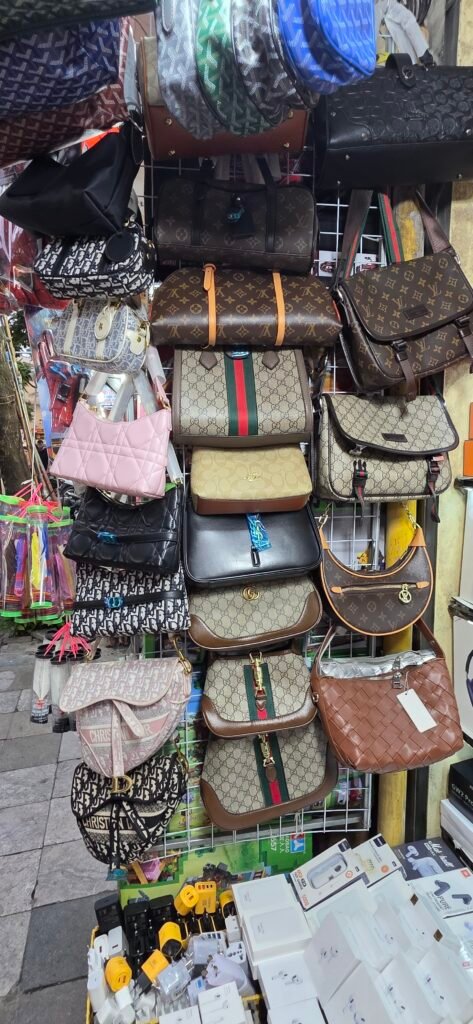
Most aren’t. One theory is that some are factory surplus or items with small defects that can’t be sold under the official brand, which would explain why some copies are almost identical to the real thing. Others are simpler copies, and at the bottom end it’s a logo stuck onto something much worse. The difference is mostly in the materials, zips and finish.
What does “Made in Vietnam” mean in local shops?
Quite the opposite of a cheap copy: it’s a mark of local pride, showing that the product was made in the country and isn’t a low quality import (usually from China). You’ll see the sign in lots of reputable shops.
Do shops and markets take cards?
Most small shops and market stalls are cash only. Some take cards with a 3% fee. If you’re not sure how to handle money, my guide to changing money in Vietnam explains how to get dong without paying fees.
Could I have problems at customs flying home with fake clothes?
For a reasonable amount for personal use, the risk is very low; in years of talking to travellers, I don’t know of a single case. Problems start with quantities that look like they’re for resale. Rules vary by country, so check yours if you’re bringing back a lot.
Got your shopping list sorted?
If you’ll be in Hanoi, the Old Quarter with its North Face shops, Dong Xuan Market and Hang Gai silk street are the must stops. If you head south, the Russian Market in Ho Chi Minh City and the tailors of Hoi An are the two experiences I recommend most. And if your route takes you into the far north, the ethnic markets of Sapa, Bac Ha or Ha Giang are a different kind of shopping, with a cultural value you won’t find anywhere else.
If you have questions or want to share your experience, leave a comment with the prices you found, the shops you liked or any tip you wish you’d had before your trip. I’ve also just started a Vietnam WhatsApp group in English: it’s small for now, but you’re very welcome to join and ask anything.