
The first time I came to Vietnam I brought loads of things I didn’t need… and forgot others that would have been really useful. Back then I couldn’t find a proper guide telling me what to pack.
After living in Vietnam since 2017 and travelling the country at different times of year, I’ve put together a guide with everything really worth packing for your trip.
Essential documents
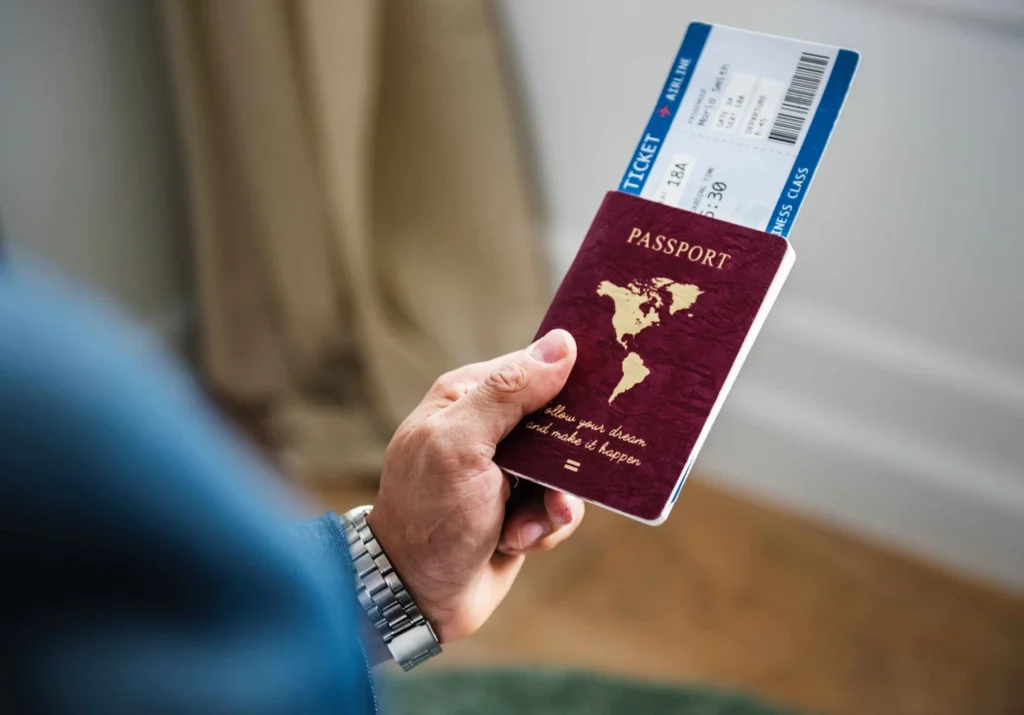
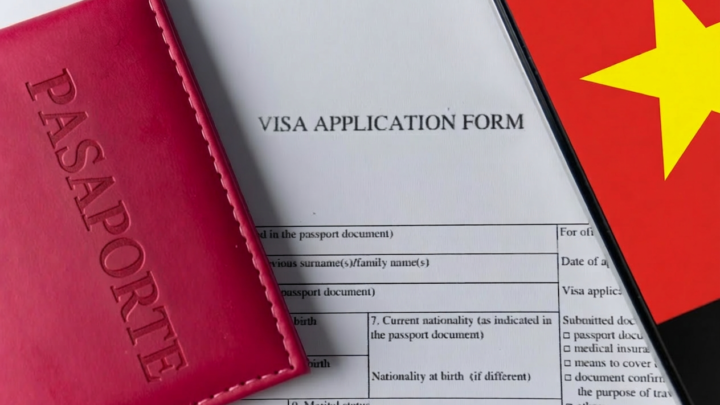
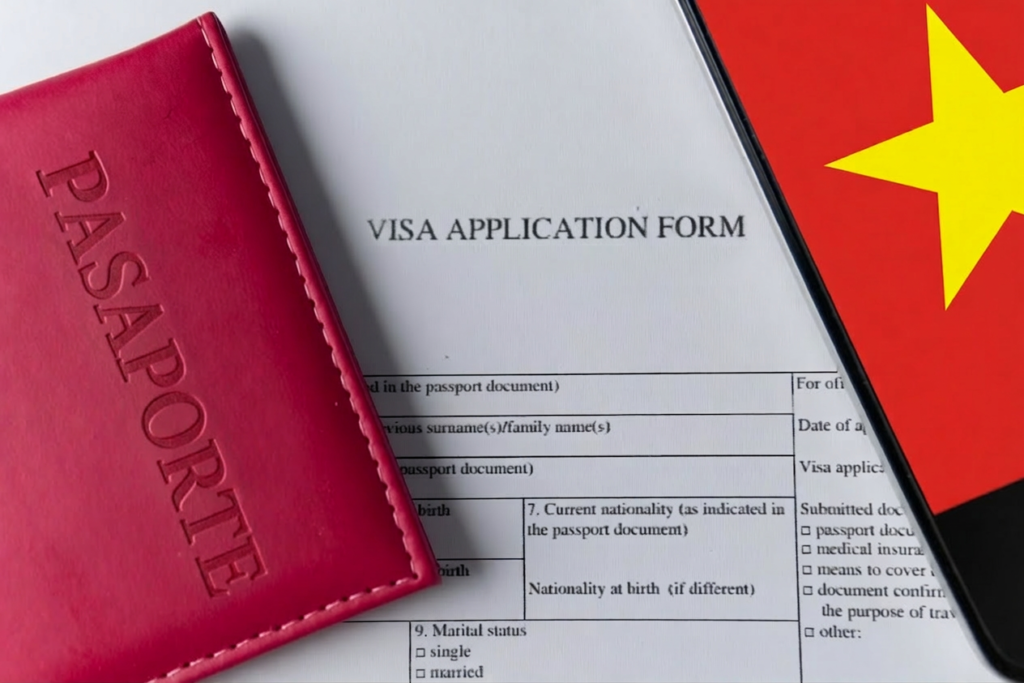
👉 Passport with more than 6 months’ validity from your entry date and several blank pages.
👉 Visa (if you need one). Bring the required documents printed or downloaded. The full guide is in my article on how to get your Vietnam visa.
👉 Arrival declaration. Since 2026, Vietnam asks you to fill in a digital form before immigration, which generates a QR code. It’s free and separate from the visa. You can do it before you fly or on arrival. How, in my guide to the Vietnam pre arrival declaration.
👉 Travel insurance. Carry your policy number and have your insurer’s app on your phone. Some let you chat with a doctor in real time and handle claims from the app, very useful if you need medical help during the trip.
👉 Vaccines. None is compulsory to enter Vietnam (unless you come from a country with yellow fever risk), but several are recommended. Some need months of notice, so plan ahead. All the information is in my guide to recommended vaccines for Vietnam.
Practical logistics
With the paperwork sorted, these are the practical things to be clear on before you travel.
👉 Money and cards: I recommend bringing a decent amount of euros or dollars to change at jewellery shops in Vietnam, where you get the best rate, as I explain here. It’s also worth bringing a travel card like Wise or N26 to withdraw dong from local ATMs or pay in supermarkets and on local websites, conveniently and safely.
👉 Connectivity (SIM vs eSIM): the cheapest option is a physical SIM at the airport (about $11 for 30 days) or in town (about $8 for 30 days). If you’d rather have internet before leaving the plane, the Gigago eSIM is a bit pricier but more convenient. More in this guide.
Health and protection: mosquitoes, sun and tropical climate
Sunscreen
Vietnam’s climate is tropical, hot and humid for much of the year. If you’re not used to it, the sun can be stronger than you expect. Also, sunscreens without whitening effect aren’t always easy to find, so it may be worth bringing one you trust from home.
For a reference, this sunscreen is currently one of the best value options on Amazon.
Mosquito repellent
Permethrin spray
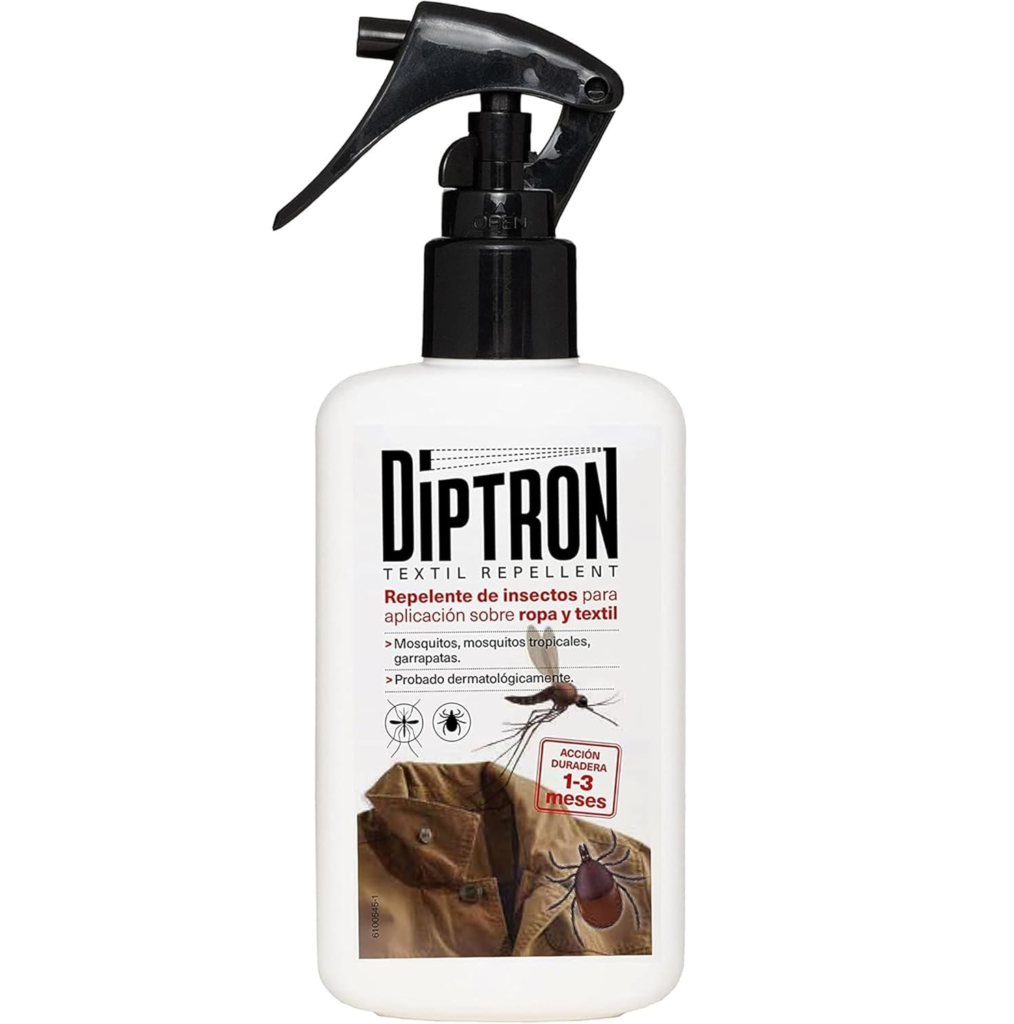
Permethrin is an insecticide you can apply to clothes or mosquito nets to keep mosquitoes away. Many nets come pre treated, so insects die when they land on them.
You can get a permethrin spray here. I’ve used it and it’s easy to apply. In fact, I use it regularly at home in Hanoi, especially when I’ve had the windows open.
After bite lotion
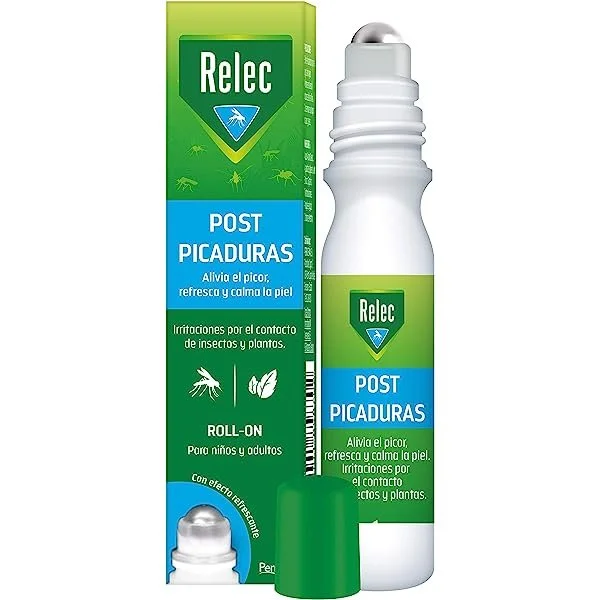
Even with precautions, you’ll probably get the odd bite. A soothing lotion relieves the itching and swelling almost instantly. I haven’t found this kind of lotion in Vietnam, so I usually bring it from home. Not essential, but very handy if you react to bites.
Tampons
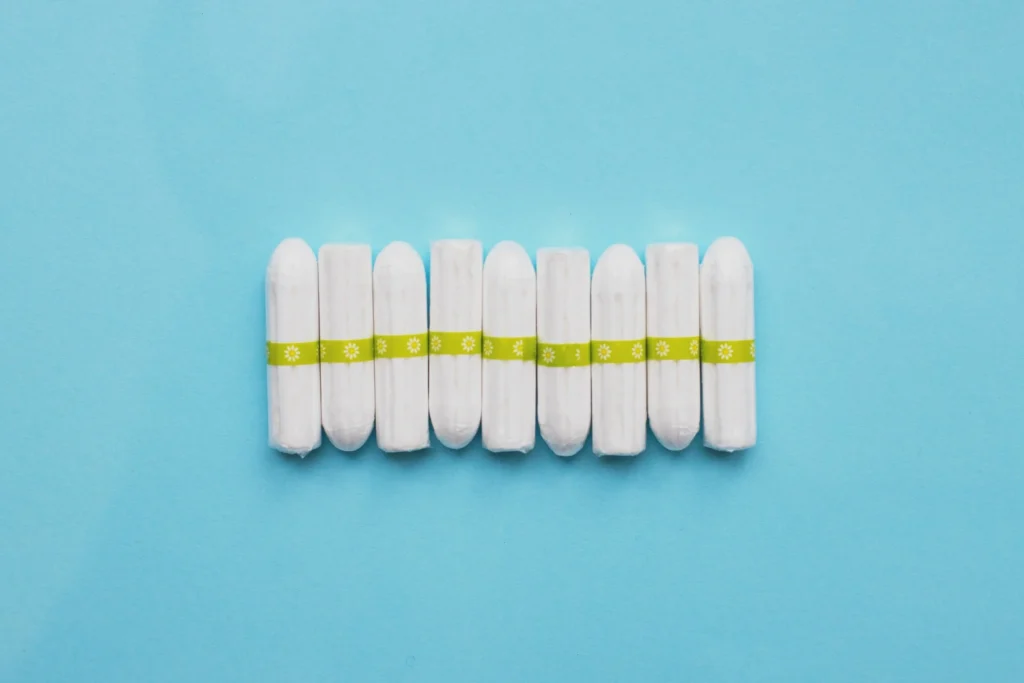
Tampons aren’t common in Vietnamese supermarkets. In big cities like Hanoi or Ho Chi Minh City some international supermarkets have them, but elsewhere they’re quite hard to find. If you’ll need them, bring enough from home. Several people also told me a menstrual cup is a great option: no hunting for supplies, more space in your bag, and the cleanest, most eco friendly solution.
Zinc oxide cream
It’s the classic nappy rash cream, but it also works very well for chafing caused by sweat, humidity or clothes rubbing. In a hot, humid climate like Vietnam’s it can be very useful, especially if you walk a lot or spend many hours outdoors.
If you’re coeliac
Vietnam is fairly friendly for eating gluten free, because its cuisine revolves around rice and fish sauce. Still, come prepared: coeliac disease is little known here, and there are hidden traps like soy sauce or stock cubes. Bring some supplies and, above all, a card in Vietnamese to show in restaurants. Everything, with the card ready to download, is in my guide to eating gluten free in Vietnam.
📌 Beyond mosquitoes: scams, traffic and other risks
Besides repellent and permethrin, there are other risks worth knowing about: tourist scams, traffic, what to do in a medical emergency. It’s all in my guide to safety in Vietnam.
What clothes to pack for Vietnam by season
Vietnam’s climate varies a lot by region and season.
In summer, especially from May to September, expect lots of heat and high humidity. Light clothes are most comfortable: T shirts, thin trousers or shorts, and comfortable sandals. The heat and humidity can be intense, and the cooler your clothes, the better.
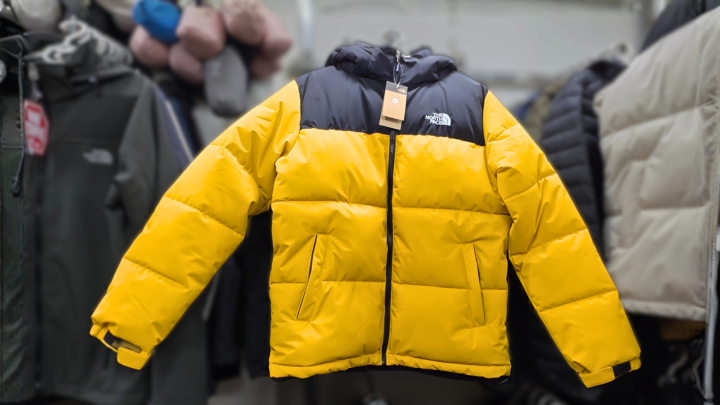
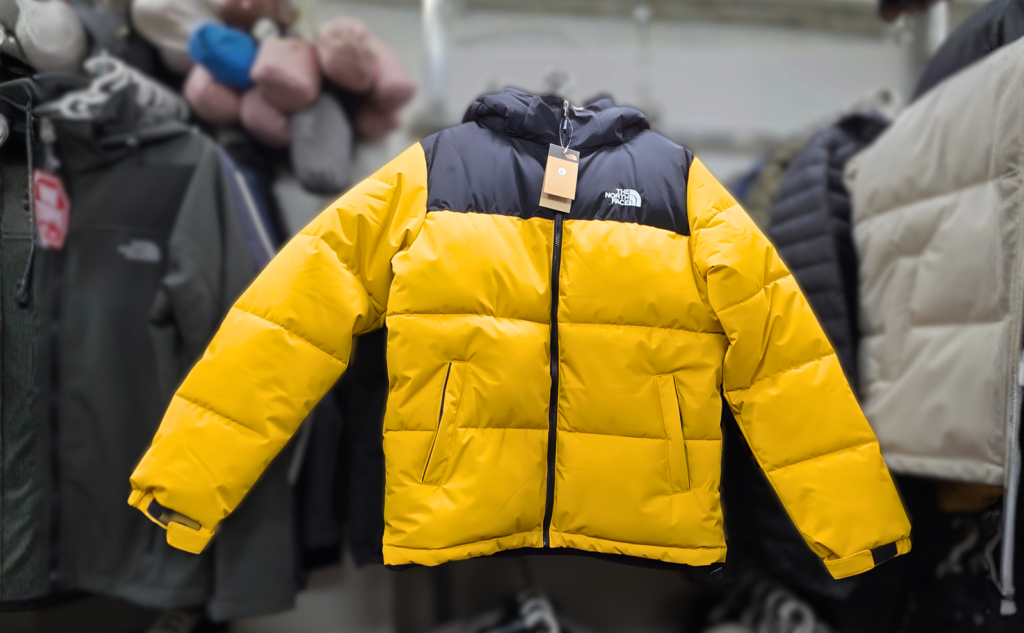
In winter, the south stays warm, but the north (Hanoi, Sapa, Ha Giang) can be cold, especially at night. In the mountains it’s not unusual to drop below 10°C. If you visit the north between December and February, pack warm clothes and closed shoes.
Alberto’s tip: day to day you’ll wear normal shoes, but if your plans include pagodas (like the Bai Dinh complex in Ninh Binh), you’ll appreciate shoes that are easy to slip on and off.
A hat or cap
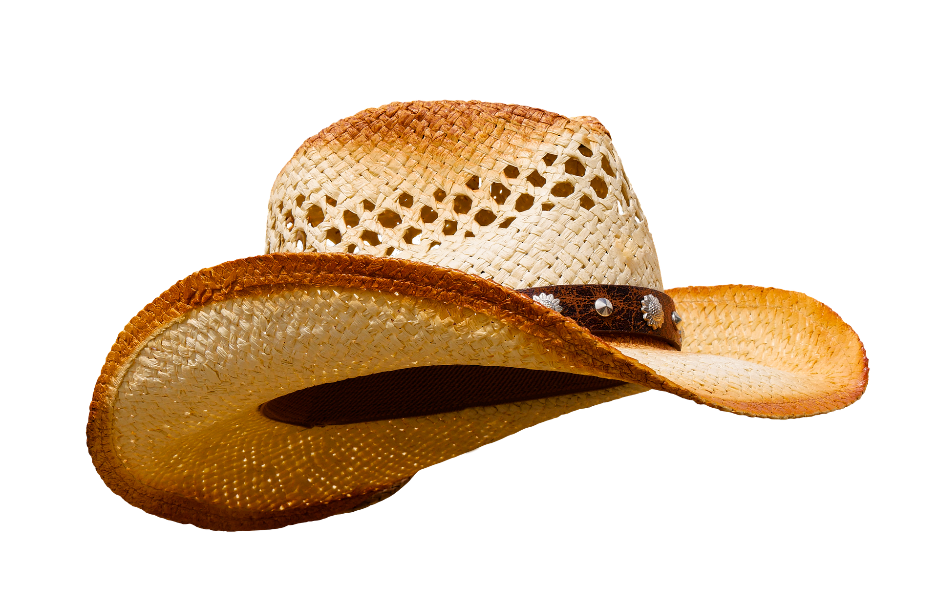
Summer heat in Vietnam can be overwhelming, and protecting your head matters. Besides light clothes, bring a breathable hat or cap. It can make a real difference on long trips, temple visits or city walks in full sun. You’ll probably use it more than you think.
A raincoat and a rain cover for your backpack
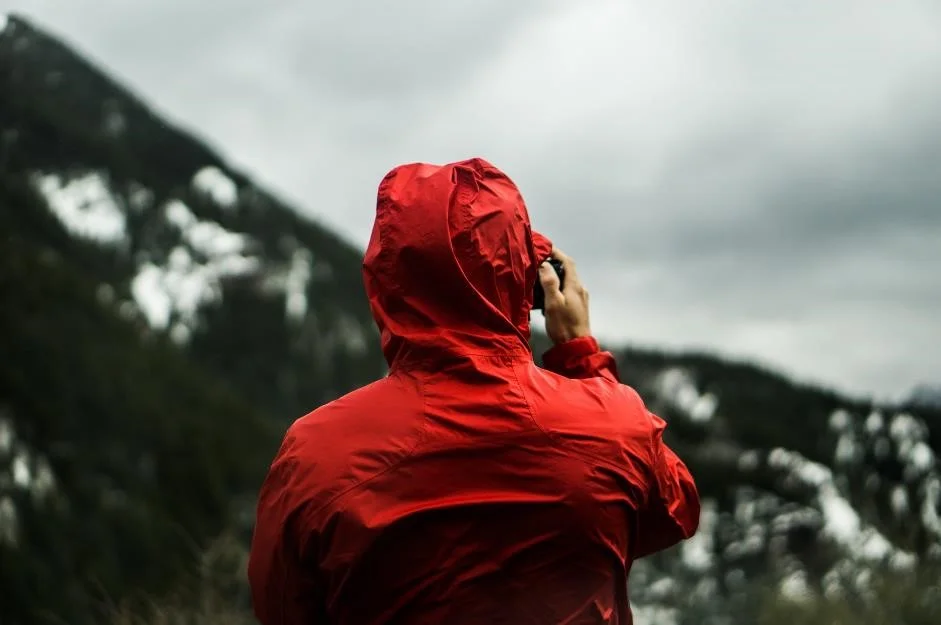
It can rain in Vietnam at any time of year, although the kind of rain changes with the season and region. In summer, short intense storms are common, while in winter, especially in the north, it can drizzle for days on end.
So pack a light raincoat and a waterproof backpack cover to protect your things when the weather turns.
Tech and useful accessories
Cameras
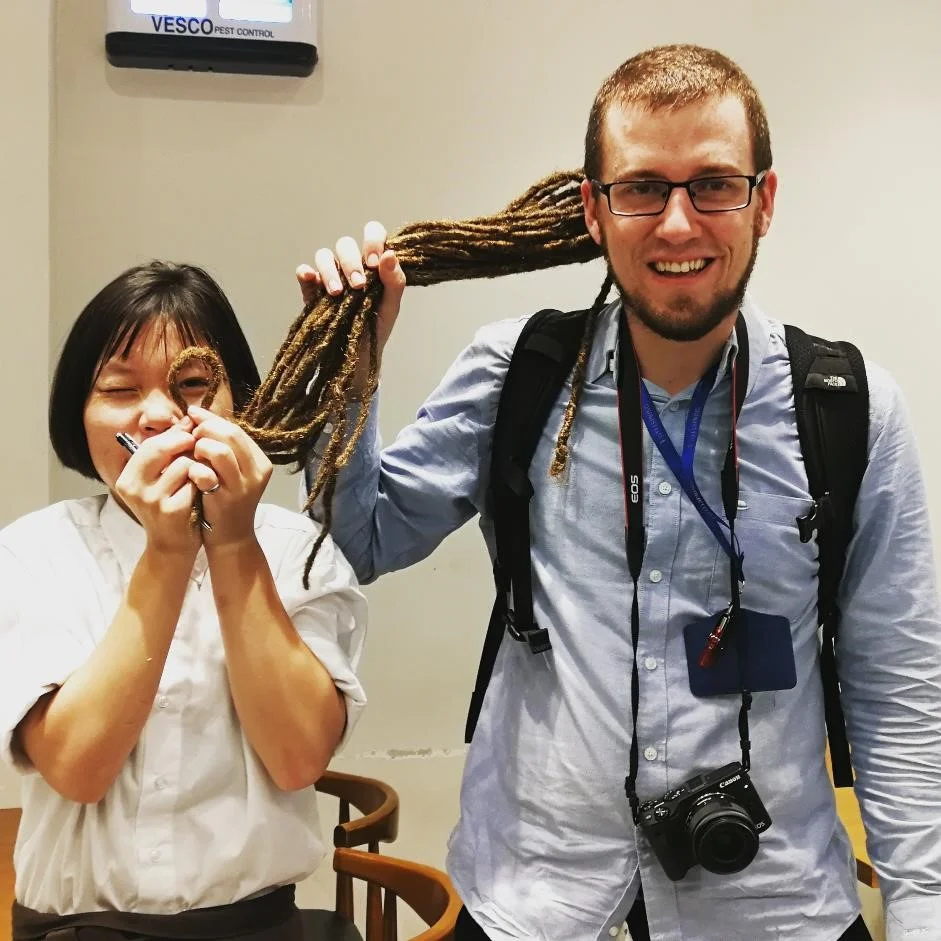
Vietnam is very photogenic, so it’s worth bringing a good camera, or a phone with good battery life and enough storage.
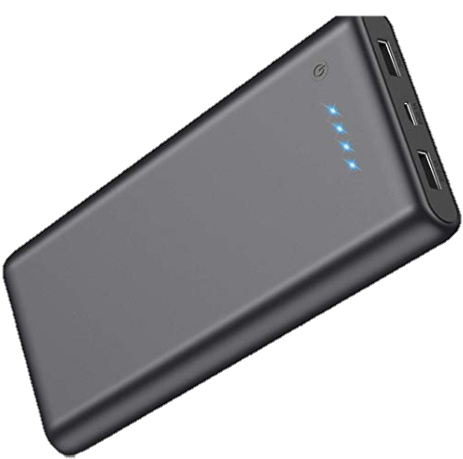
Power bank
If you’re visiting places like Sapa or Halong, you’ll probably make long train or bus journeys. A good, high capacity power bank is very useful, both in quiet moments, to watch a series or look things up, and when you need Google Maps or your phone without worrying about the battery.
An adapter?
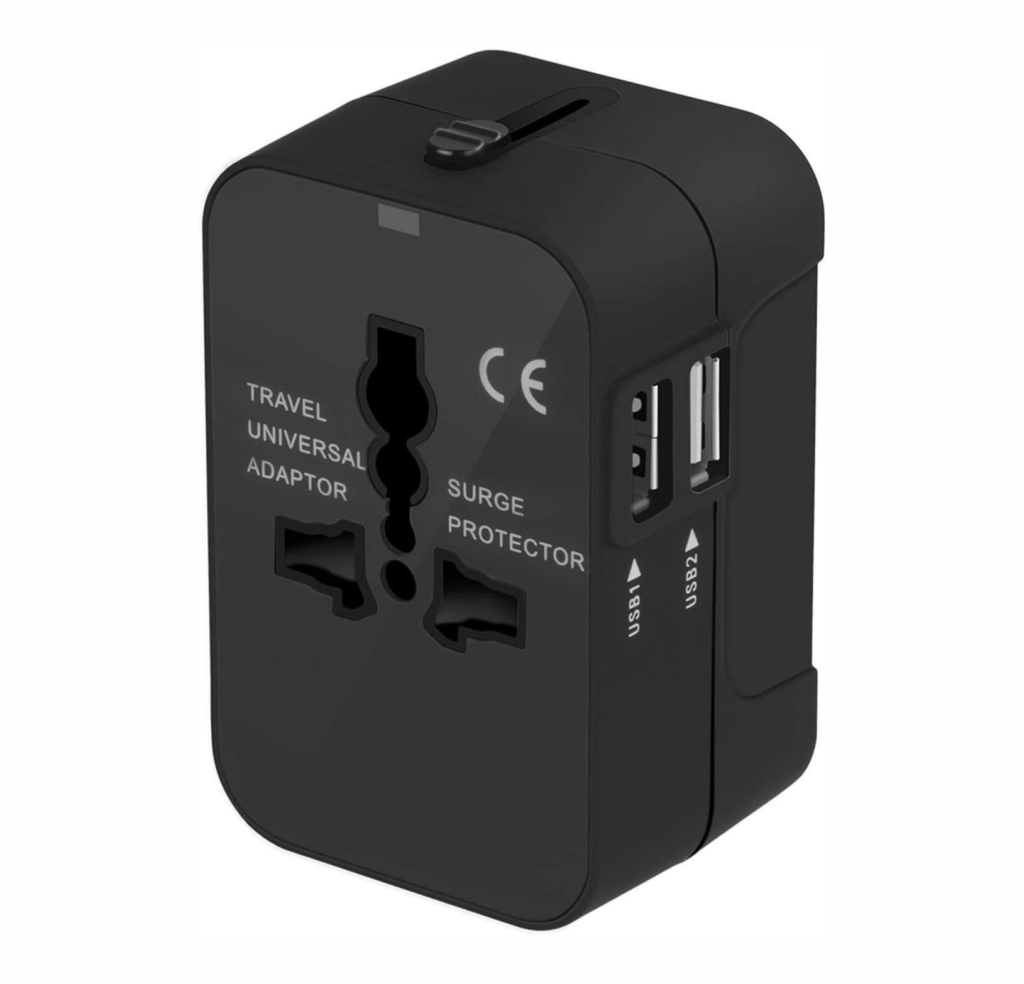
Vietnam mainly uses type A, C and F sockets, so plugs from mainland Europe work fine. If your country uses another plug type, you’ll need an adapter.
If you’re travelling to several Southeast Asian countries, a universal adapter with USB ports to charge several devices at once is a good idea.
Luggage and comfort on long journeys
A medium sized daypack
Besides your main luggage, bring a medium sized daypack for one or two day trips, to carry water, sunscreen, repellent, a raincoat, documents and so on.
The one I usually take is 30 litres, in my experience the perfect size for any trip. This type of backpack can be found as cheaper copies in Vietnam.
Travel pillow

You’ll spend many hours on planes (at least 16 hours from Europe, and more from the Americas), and you’ll probably sleep on the odd sleeper bus or train. So bring anything that helps you rest better.
I found a travel pillow, eye mask and earplugs pack that looks very good; you’ll be glad to have them against noise and light on transport or in hostels.
If someone asks what you’d like for your trip, this pack makes a good gift. More ideas in my list of gifts for travelling to Vietnam.
What you DON’T need to bring to Vietnam
Too many clothes
Washing clothes in Vietnam is easy and cheap, even at small guesthouses. Clothes are also fairly cheap, so you can refresh your wardrobe while you’re here. If you’re interested, I have a complete guide to where to buy clothes in Vietnam with prices, recommended tailors and what’s worth it in each city.
Basic medicines
Many people bring practically a whole pharmacy. Paracetamol, prescription medication or a small basic first aid kit are fine, but not much more. In cities and tourist areas, well stocked pharmacies are easy to find.
Heavy hiking boots
Boots take up lots of space and, unless you’re doing demanding treks at very specific times of year, you’ll rarely need them. The first time I came I roasted in them: I used them once and that was it. In most cases light trail shoes or comfortable closed sandals are enough.
Frequently asked questions
Is it easy to find mosquito repellent in Vietnam?
Yes. Supermarkets and pharmacies usually sell spray repellents, but those sold in Vietnam tend to be quite mild. Repellents sold in Europe or North America are usually stronger and sometimes more effective, so if mosquitoes love you, bring one from home.
Can you easily buy sunscreen in Vietnam?
You can find sunscreen in supermarkets and pharmacies in big cities. But many have a whitening effect, and they usually come in small sizes at relatively high prices. That’s because there’s no sunbathing culture in Vietnam: people usually apply cream only to exposed areas like the face or hands, and avoid the hottest hours.
A while ago I recorded a video (in Spanish) on what I’d pack if I were travelling to Vietnam. It’s not recent, but it’s still useful alongside this guide.
Final recommendation!
Have a look at my recommended accommodation by area in Vietnam, based on my own experience and the opinions of travellers in my WhatsApp groups. I’ve also just started a WhatsApp group in English: small for now, but you’re very welcome to join.