Buddha’s hand

Buddha’s hand is a very common fruit in Vietnam and other Southeast Asian countries. The most striking thing about it is that it’s a citrus fruit with practically no flesh and a very thick rind, so most people don’t buy it to eat, but as an offering at temples, pagodas and family altars to honour their ancestors.
It’s called Buddha’s hand because of its shape, which looks like hands closed in prayer. So now you know: in Vietnam people buy and sell a practically inedible fruit used as an offering.
Vietnam has a large number of Christians
In Vietnam most people follow a mix of ancestor worship and Buddhism. However, many don’t know that roughly 10% of Vietnamese are Christian.
How did Christianity get here? Over the last few centuries, many Christian missionaries came to Southeast Asia to spread their beliefs. But it was during the French occupation, before the war with the US, that Christianity gained most followers among the Vietnamese. Today it’s a minority religion, but still the third most popular in the country, after folk religions and Buddhism. In the photo you can see the ruins of a church built in the French era at a place called Ba Vi, about 1 hour by motorbike from central Hanoi.

Swastikas and guardians
In Vietnam you can find statues of armed figures, dragons and fierce animals outside many temples. These are guardian figures, and their symbolic role is to protect the temple and the deities worshipped there (a bit like gargoyles on Christian churches).
In the photos you can also see a swastika which, in Buddhism, is placed horizontally and is said to symbolise peace, prosperity and wellbeing.

Vietnamese people keep their rural roots
Many Vietnamese live from farming and livestock, and for many their animals, vegetable gardens and rice fields matter more as a direct source of food than as a source of income.
In Vietnam agriculture makes up 14.85% of GDP, and the main crops are rice (it’s the world’s second largest rice exporter after India) and cassava.
Interestingly, many Vietnamese who don’t work in farming spend time every week in their own vegetable gardens, or get food from the garden of a relative or friend in the village. I’ve joined the Vietnamese tradition of trying to grow some of the food I eat, and every Vietnamese person who visits my house gives me advice on caring for my plants and what to grow each season. Even in big cities like Hanoi, many grow vegetables on balconies, rooftops or right on the street.


In Vietnam almost half of all taxis are electric
One of the most surprising things when you arrive in Vietnam is the number of electric cars and motorbikes on the street. It’s no coincidence: the country has its own national brand, VinFast, which makes electric cars and motorbikes, and a huge fleet of 100% electric taxis you book through the Green SM app, one of the best apps for getting around Vietnam.
What’s striking is how fast it all happened. The electric taxi service started in April 2023 and, in just over a year, already had more than 30,000 cars on the road, over 40% of all taxis in the country. Today it’s hard to walk for a few minutes in Hanoi without seeing one.
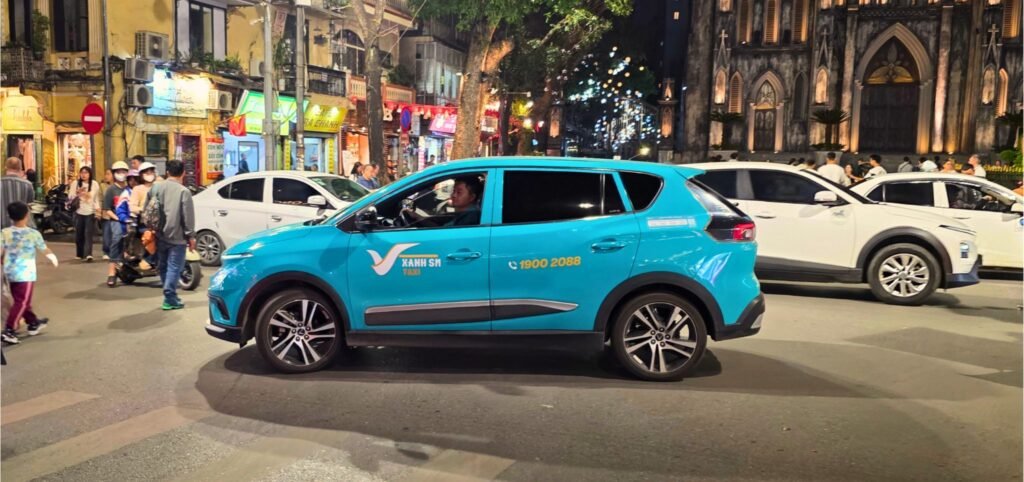
For travellers this is a plus: rides are cheap (two or three dollars to cross half the city), the cars are new and quiet, and you book everything from your phone without haggling. It’s one of those details that show Vietnam isn’t the country many people imagine before coming. If you’re interested, I explain where the country is heading and whether Vietnam is a poor or rich country (in Spanish) in a separate article.
Cannabis is grown in the mountains… and it’s legal
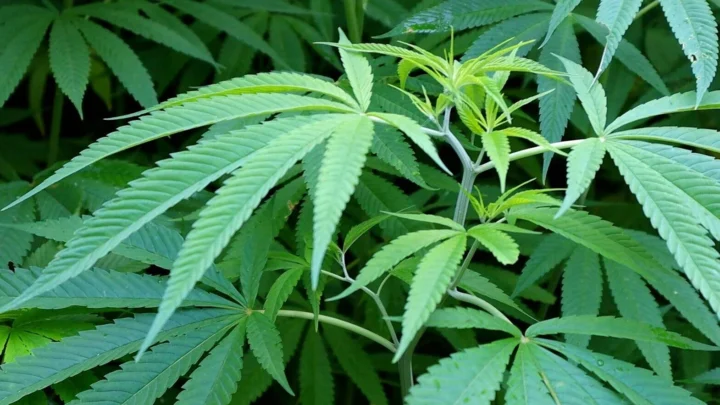
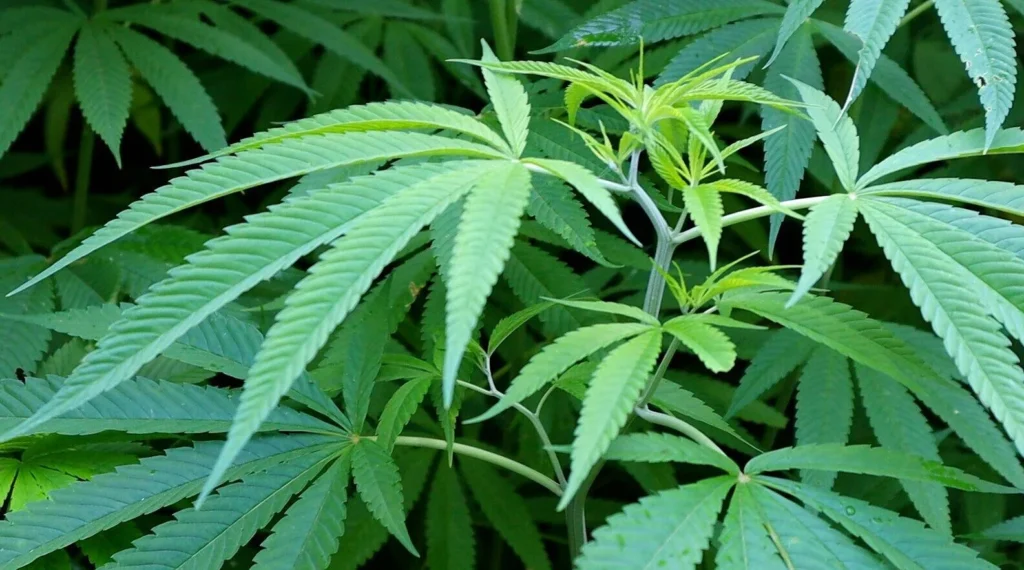
On mountain routes, especially in areas like Sapa, Ha Giang or Mu Cang Chai, you may well see cannabis fields. Many travellers are surprised and even wonder if marijuana is legal in Vietnam. In reality those plants aren’t marijuana, but industrial hemp, a variety of cannabis sativa with so little THC that it doesn’t work as a drug.
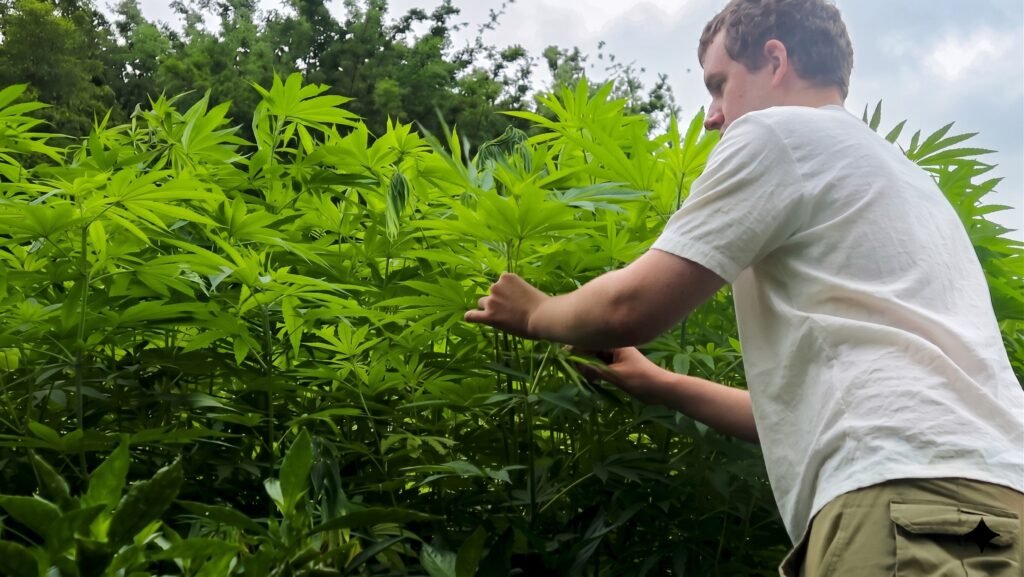
Mountain ethnic groups like the Hmong have grown it for generations to make the thread they weave their traditional clothes with. It’s completely legal and part of their textile culture, so if you see it on your trip, you’ll know it isn’t an illegal crop but a centuries old tradition.
I explain it all in detail in this article on why the cannabis fields in Sapa are legal.
In Vietnam street food is even cooked on motorbikes
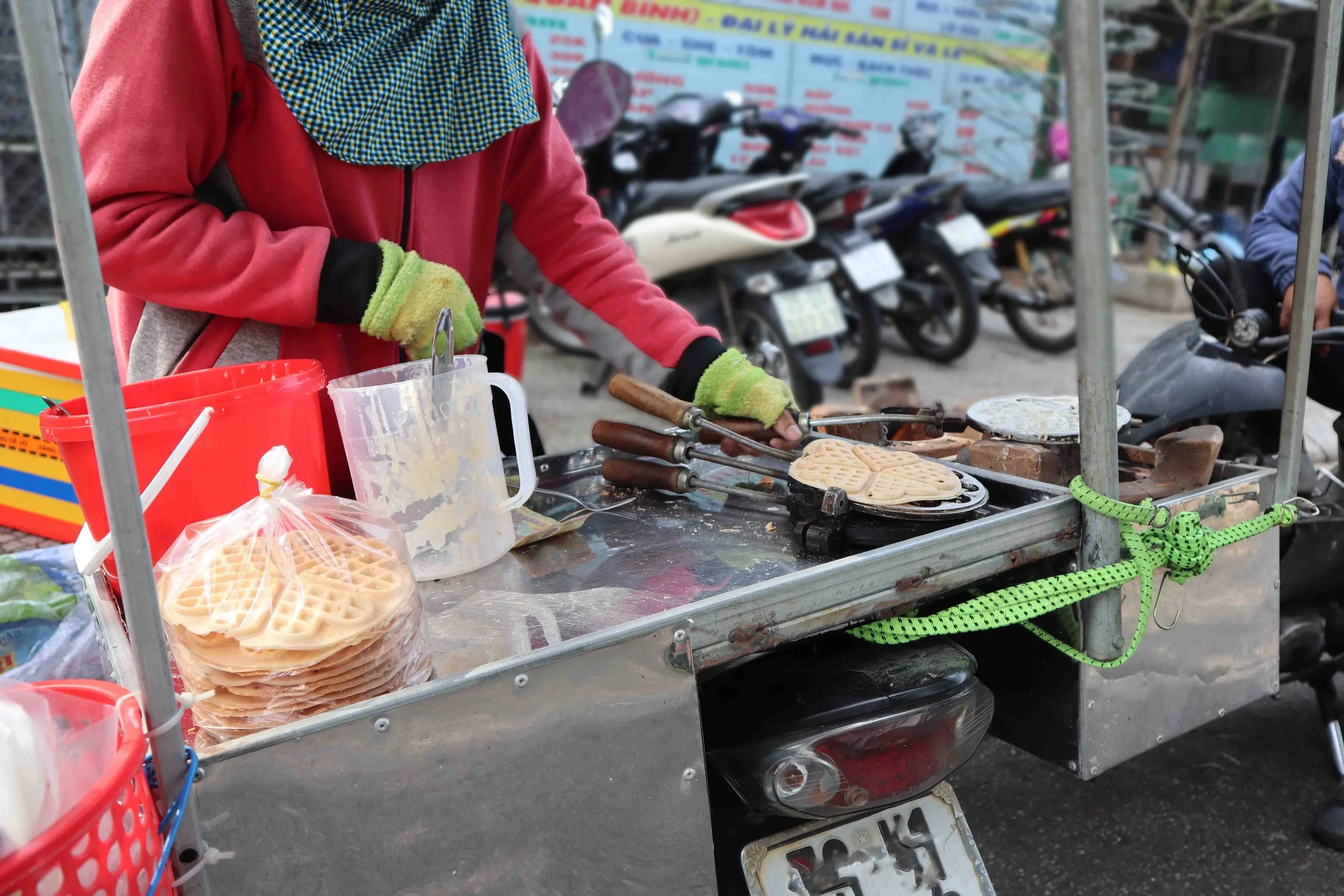
In Vietnam it’s easy to find street food everywhere, especially in busy areas. The woman in the photo was cooking a sweet treat on her motorbike! Have a look at this short video to see how.
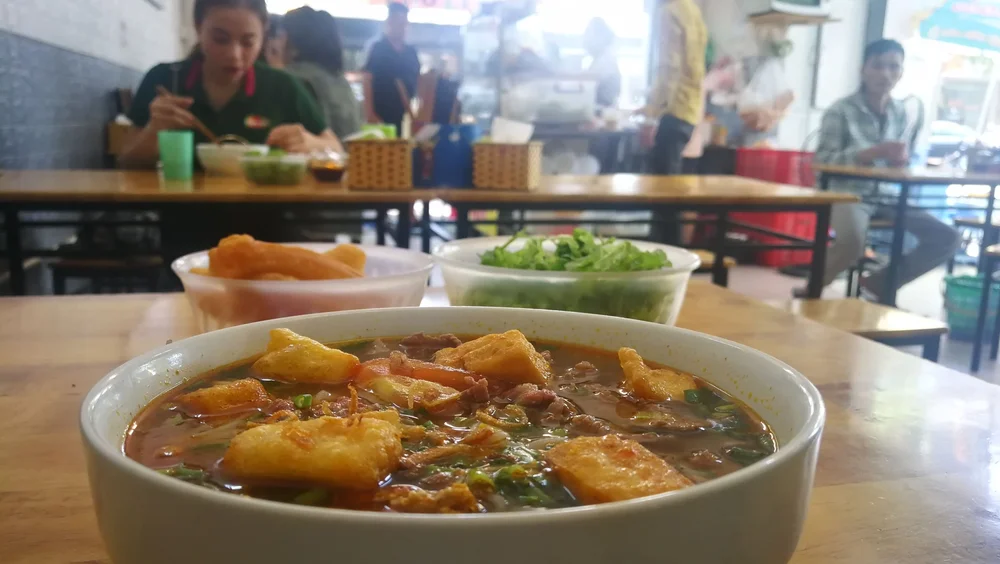
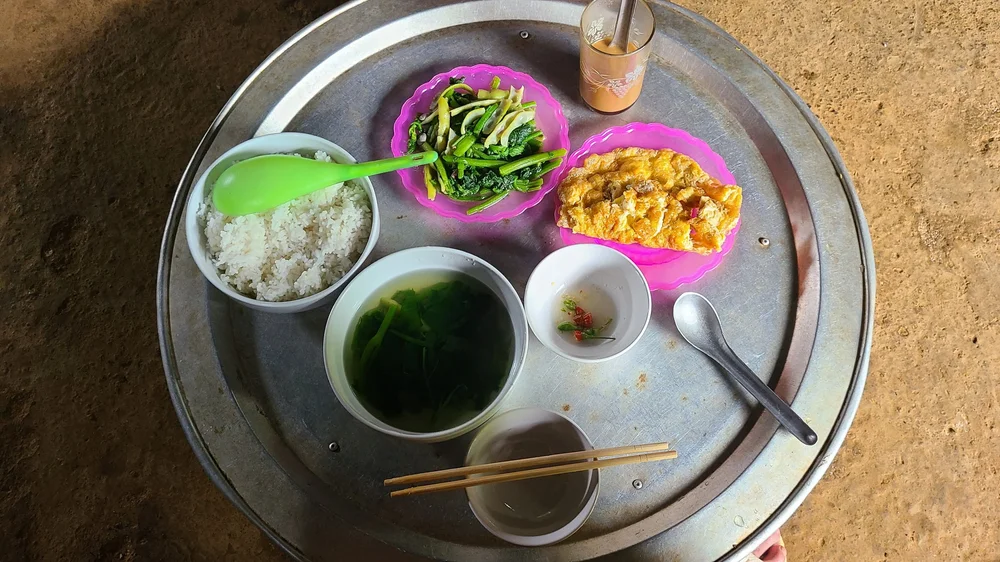
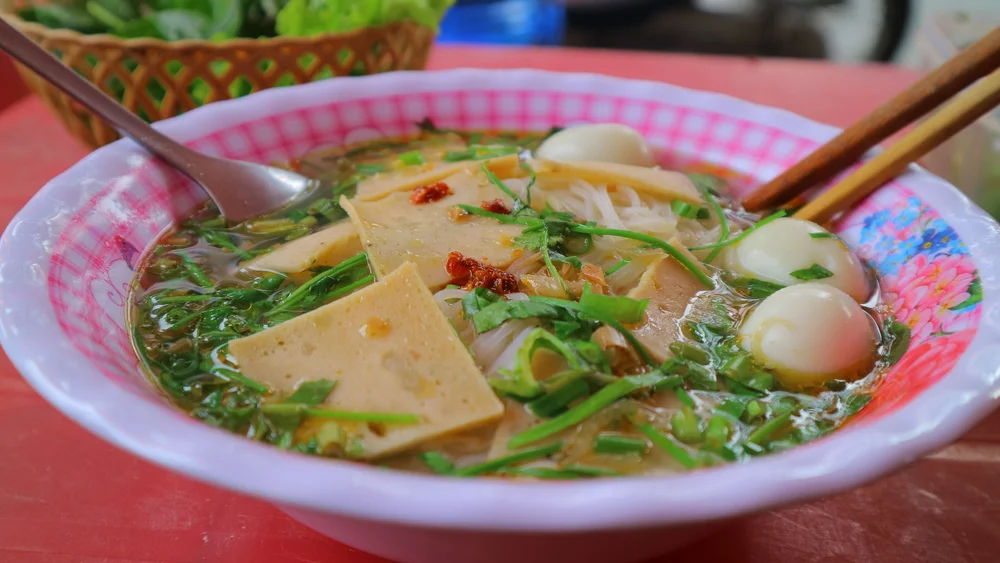
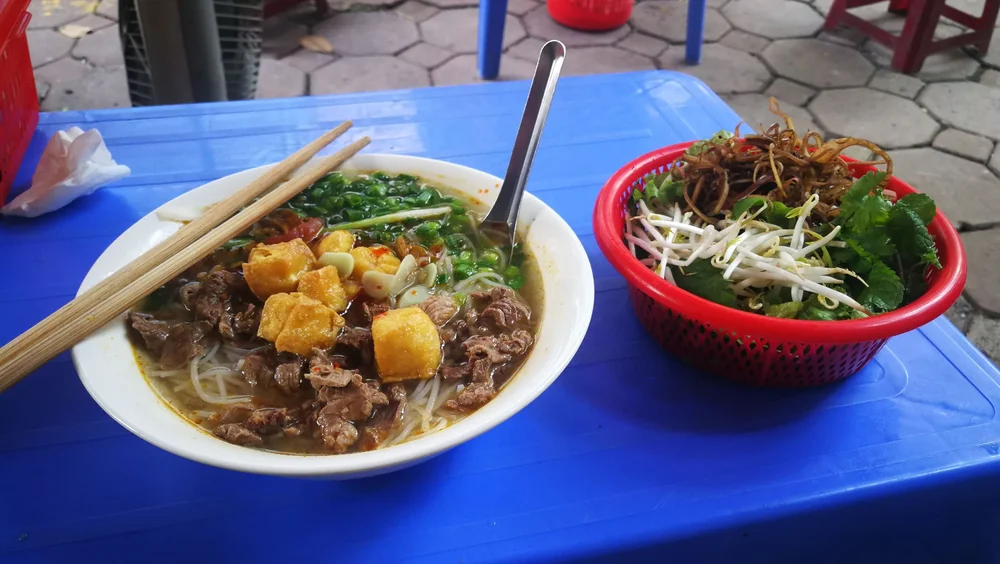
Vietnamese street food ranges from noodle soups to Vietnamese sandwiches (the famous bánh mì), and much more. After many years living in Vietnam I still discover new street dishes. For about $2 you can eat your fill!
Vietnam isn’t a tropical country
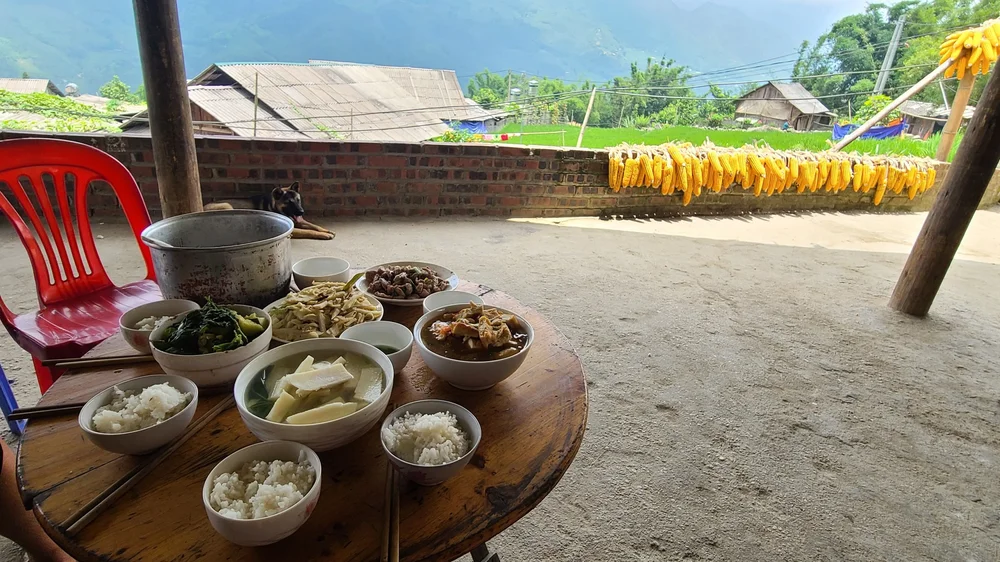
Many people think Vietnam is a tropical country, and it isn’t, or at least not only. Northern Vietnam has 4 seasons and winters are quite cold. Heading inland from the coast takes you into mountains and valleys with humid jungle and rice fields, but also forests and completely bare peaks. For example, Fansipan, Vietnam’s highest peak, is 3,147 metres high and it often snows there in winter.

And you, did you also think Vietnam was a fully tropical country?