

Hanoi, Vietnam’s most amazing city
I’ve lived in Hanoi since 2017. It’s one of the most fascinating cities in Southeast Asia, and it really surprises you: its contrasts between tradition and modernity, its food, its history, its friendly people and a character that’s still genuinely Asian, not very westernised.
Hanoi works for a day, two or even a week, and leaves no one indifferent. This guide gathers what I’ve learned over years of living here and meeting travellers like you.
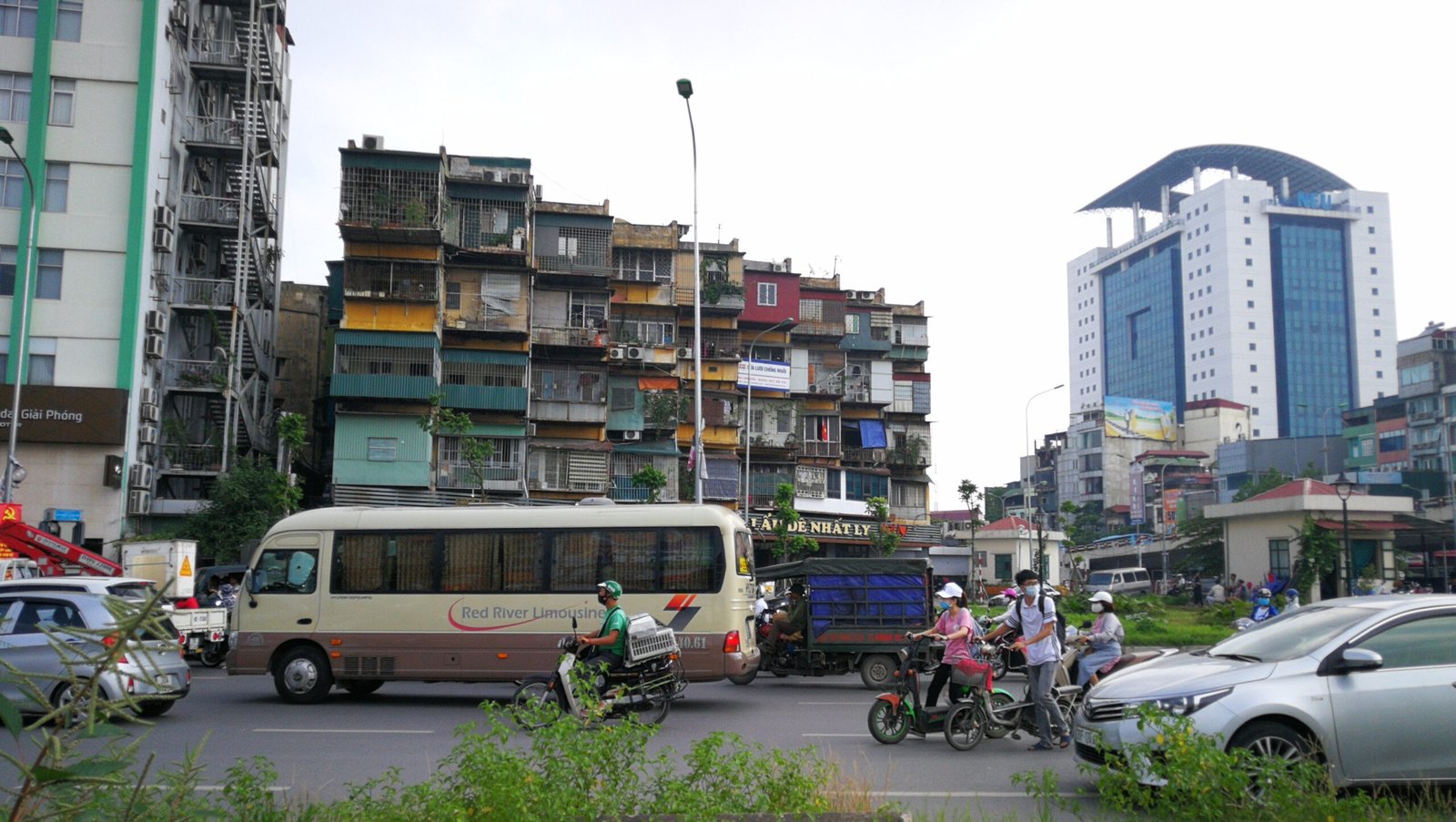
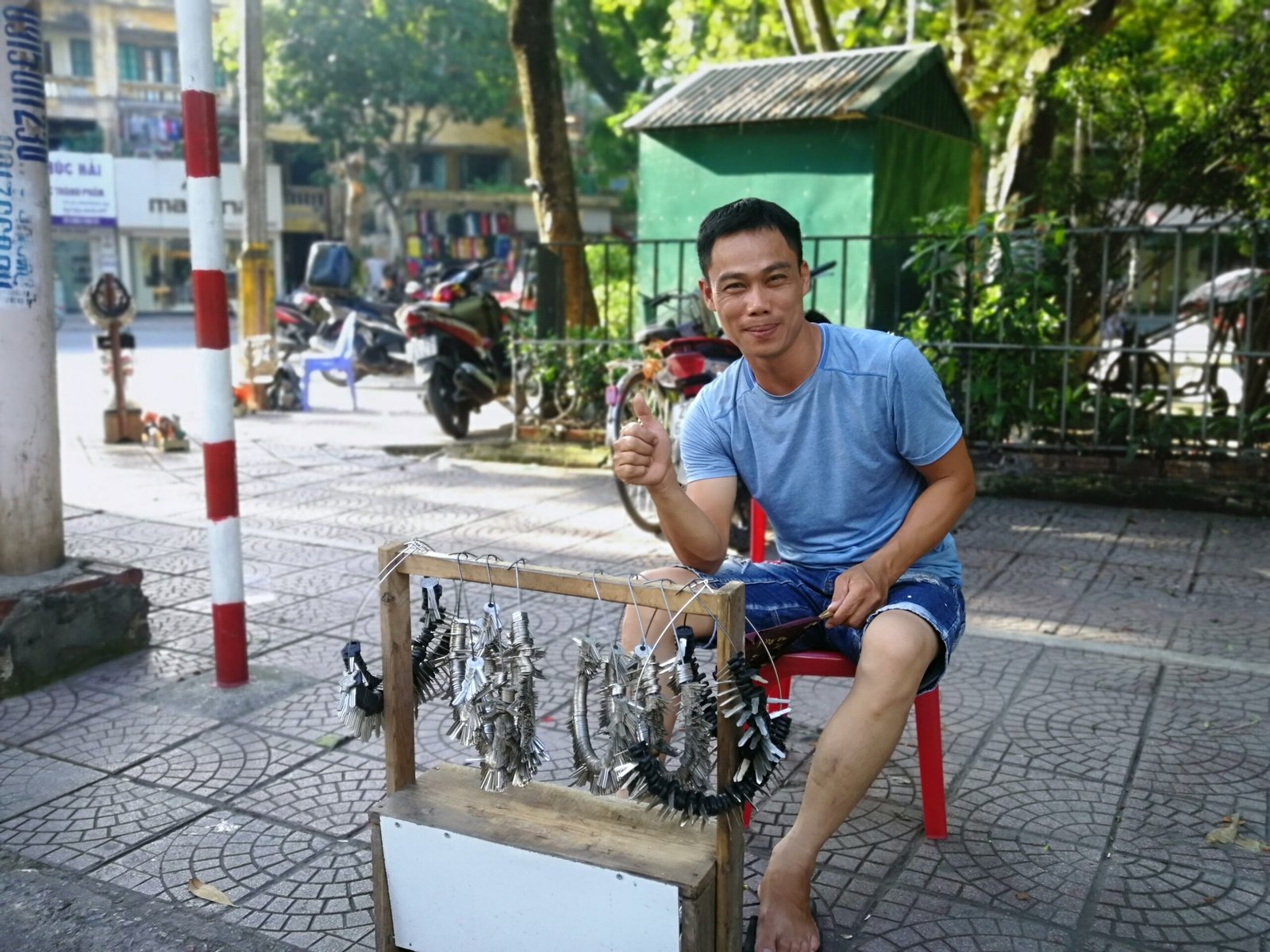
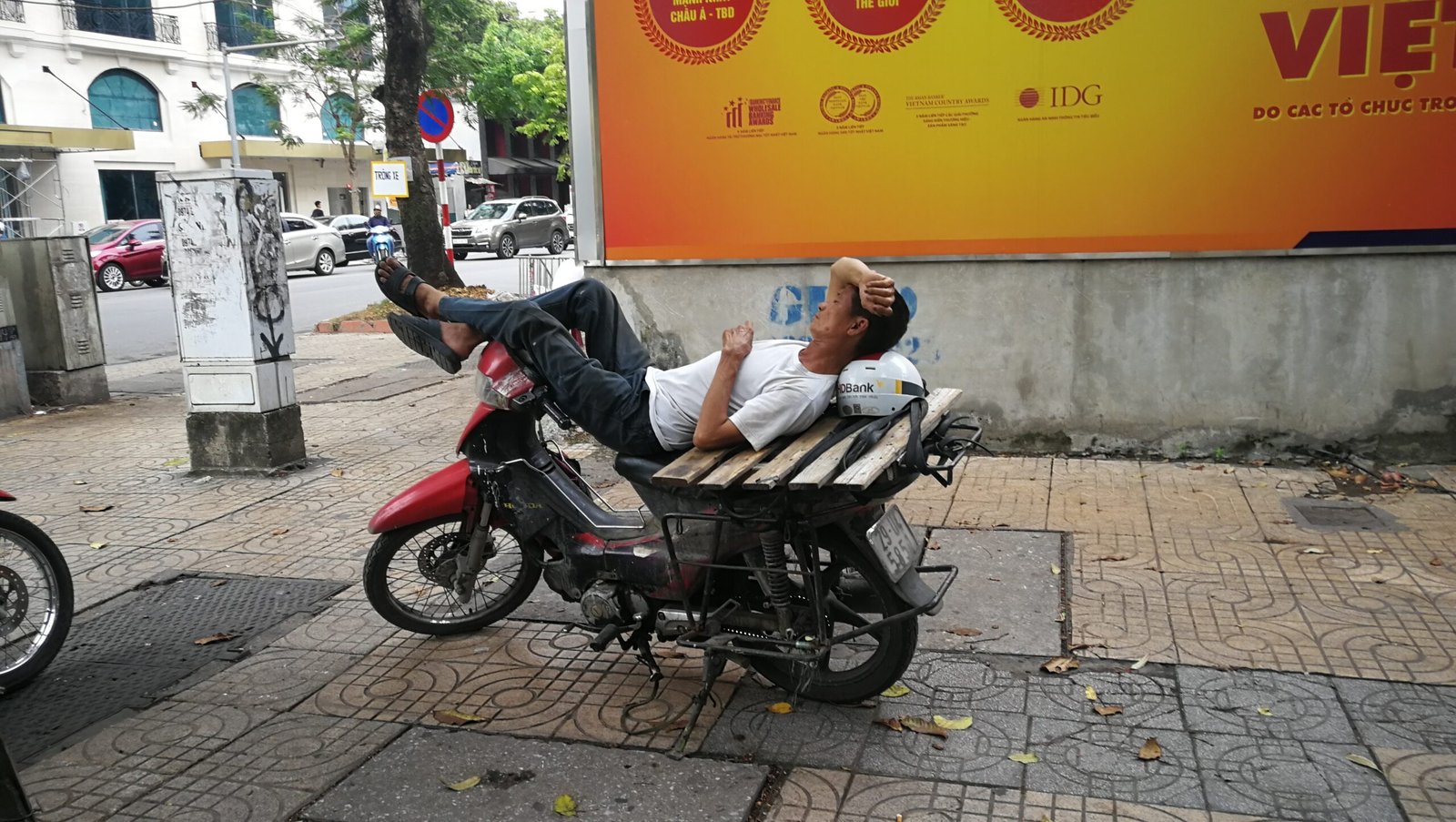
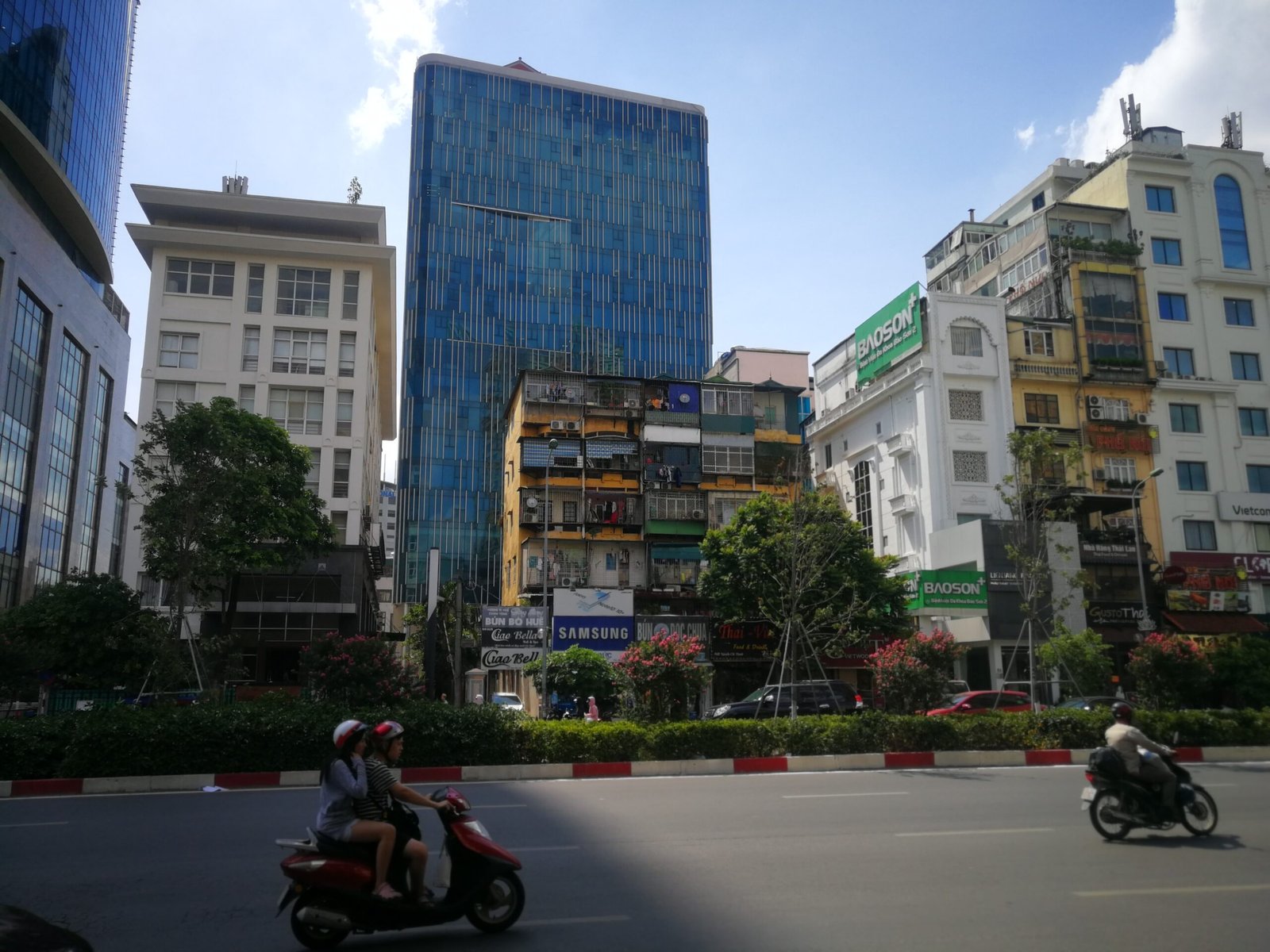
Before we start, save this article with restaurant, accommodation and tour recommendations in Hanoi, collected from travellers in my WhatsApp groups.
Is Hanoi worth visiting?
Hanoi has a lot to offer: from a chaotic Old Quarter full of shops, markets, art and street food, to the huge West Lake with wonderful sunsets, best enjoyed from Tran Quoc Pagoda.
There are also places that remember the country’s history and fight for independence from France and the US, like the Thang Long Citadel, the Ho Chi Minh Mausoleum and Hoa Lo Prison.
What to see in Hanoi
The Old Quarter: Hoan Kiem Lake, St Joseph’s Cathedral and more
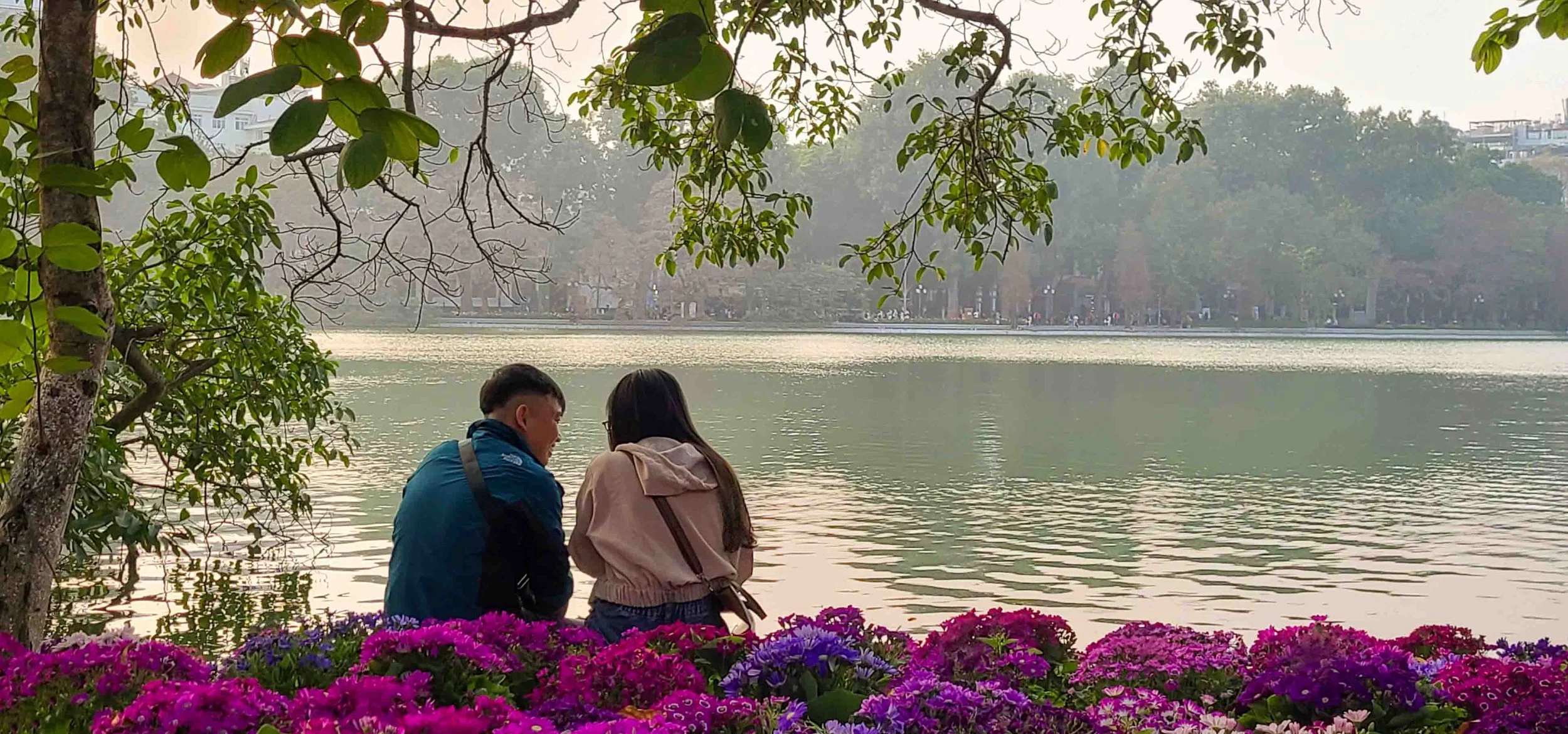
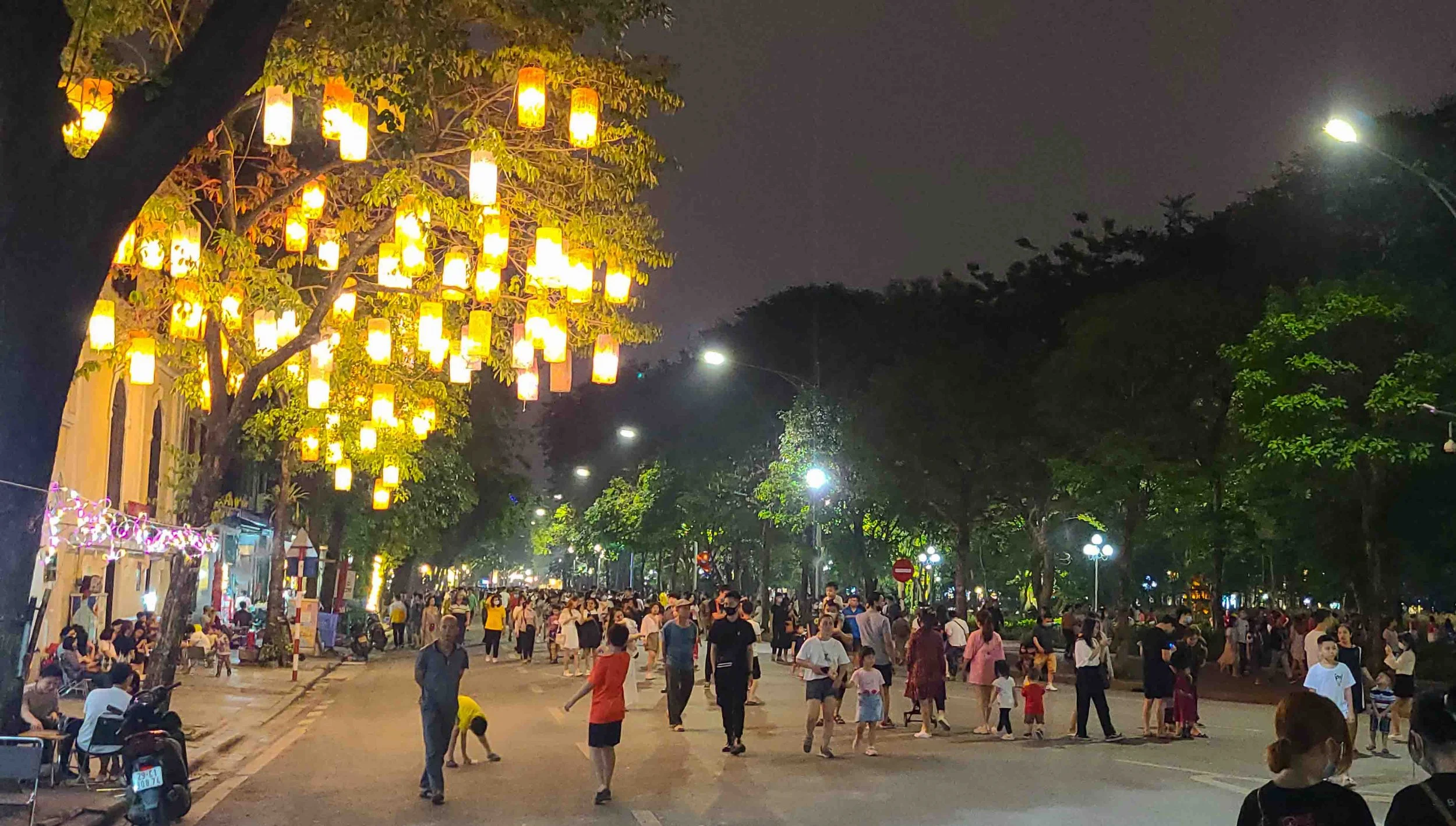
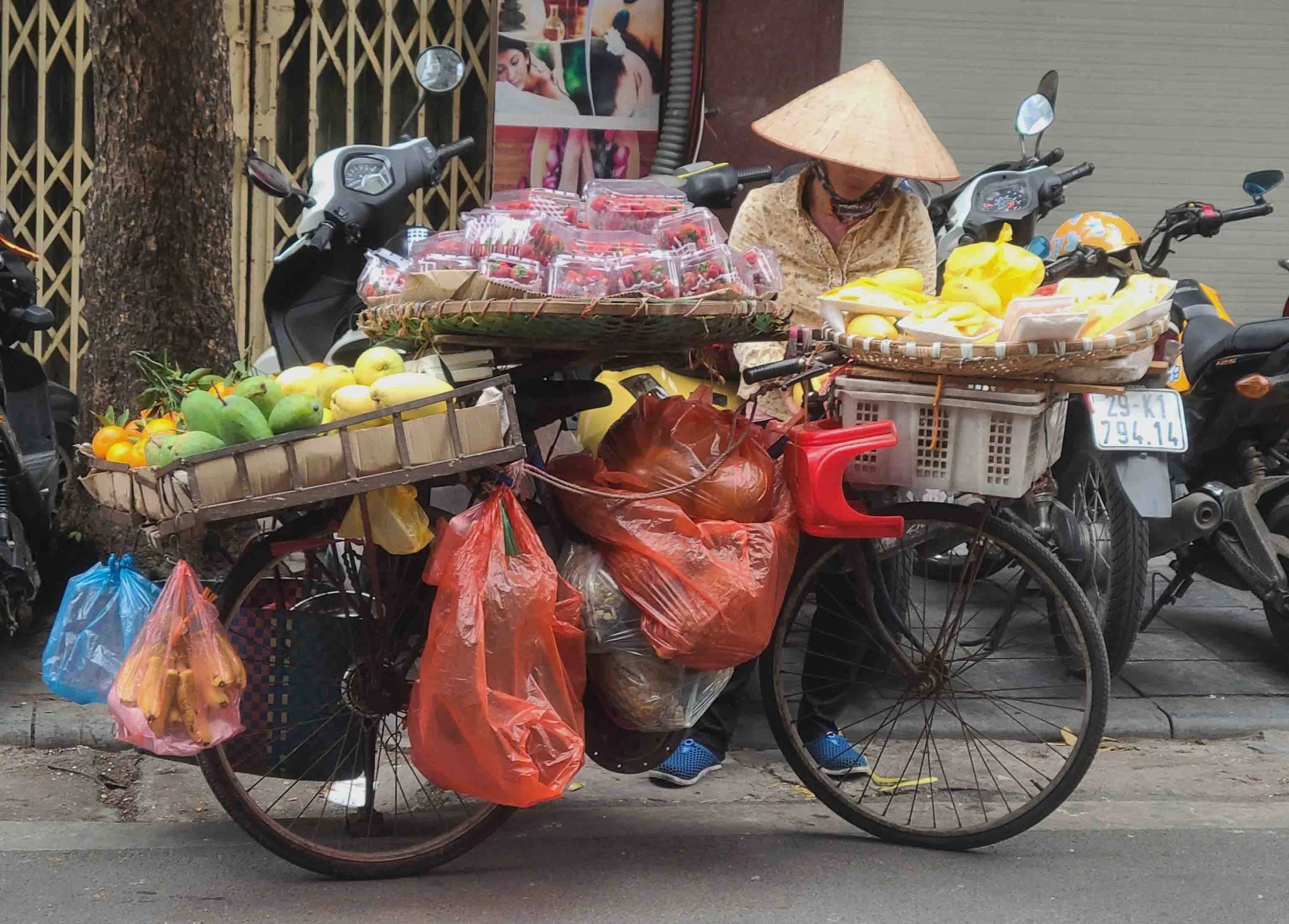
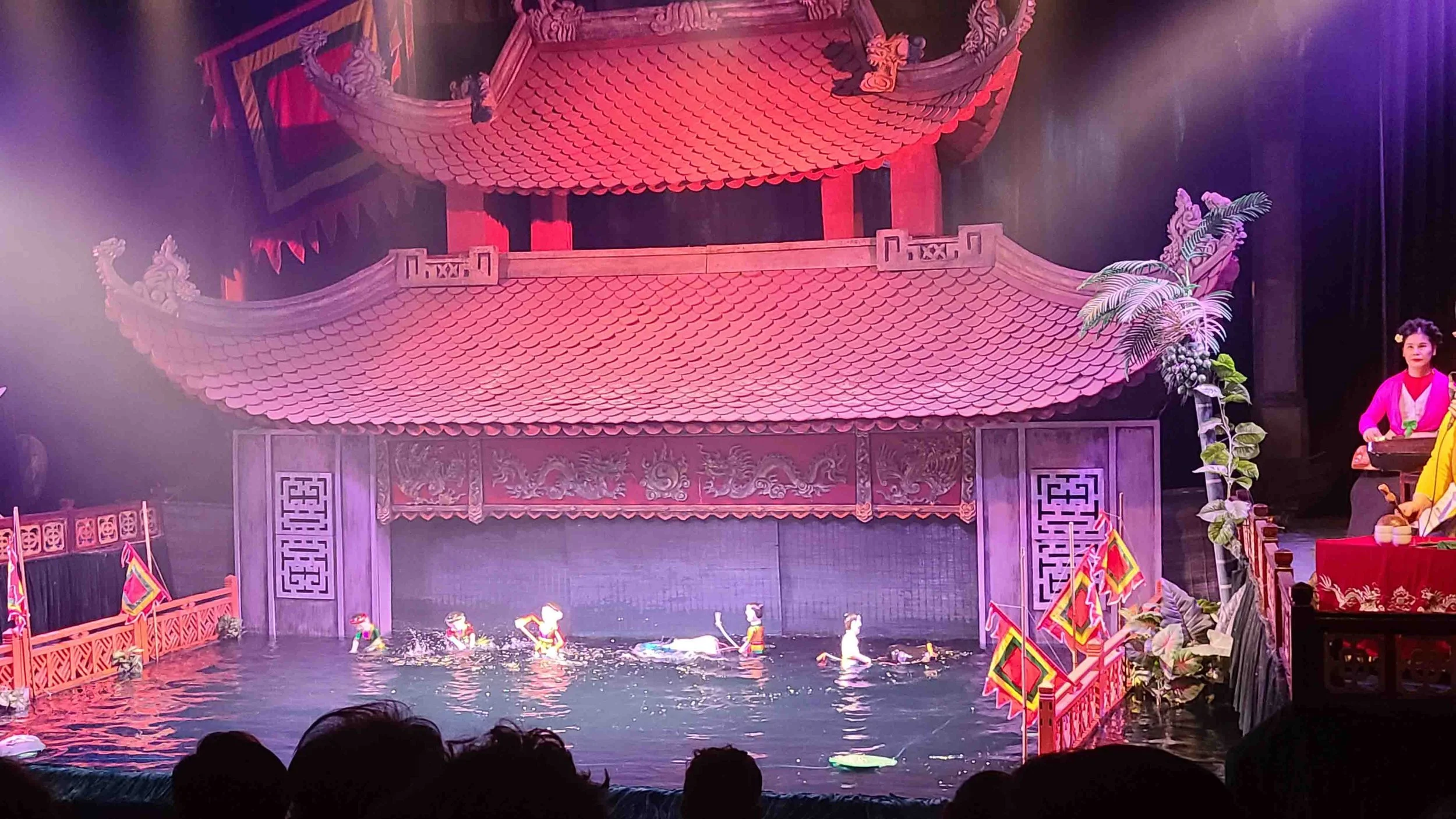
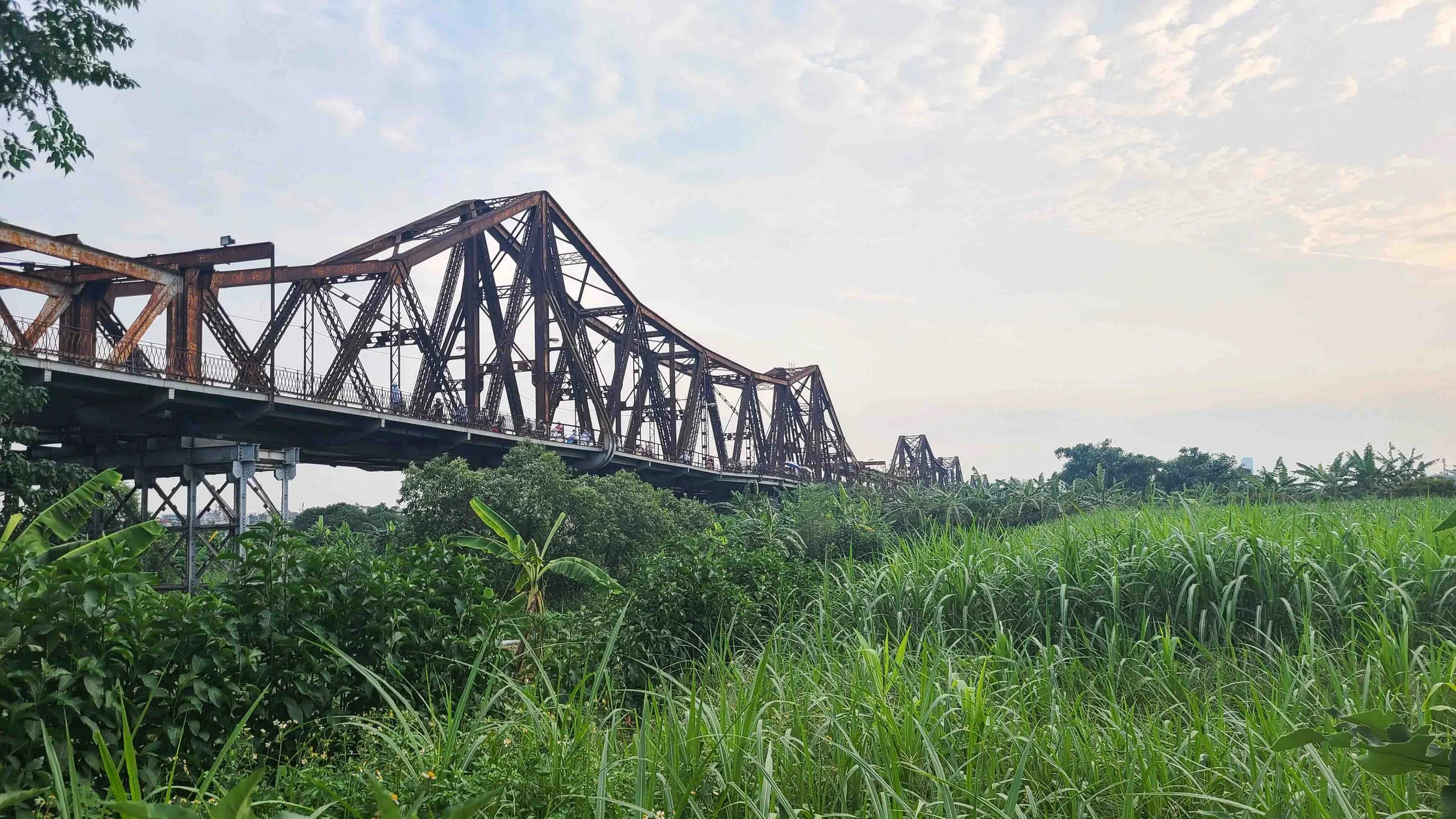
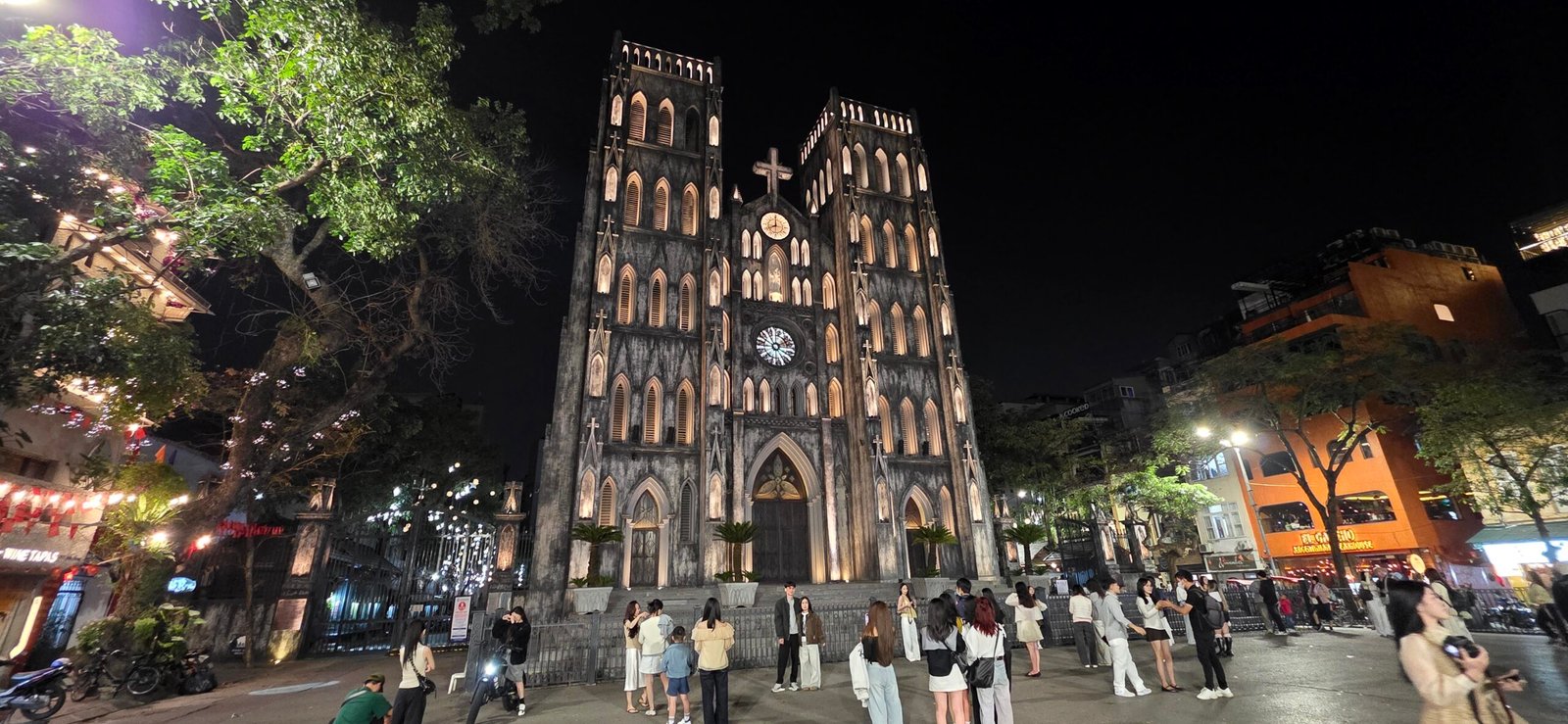
Hoan Kiem Lake and St Joseph’s Cathedral are part of Hanoi’s Old Quarter, which you can explore on foot.
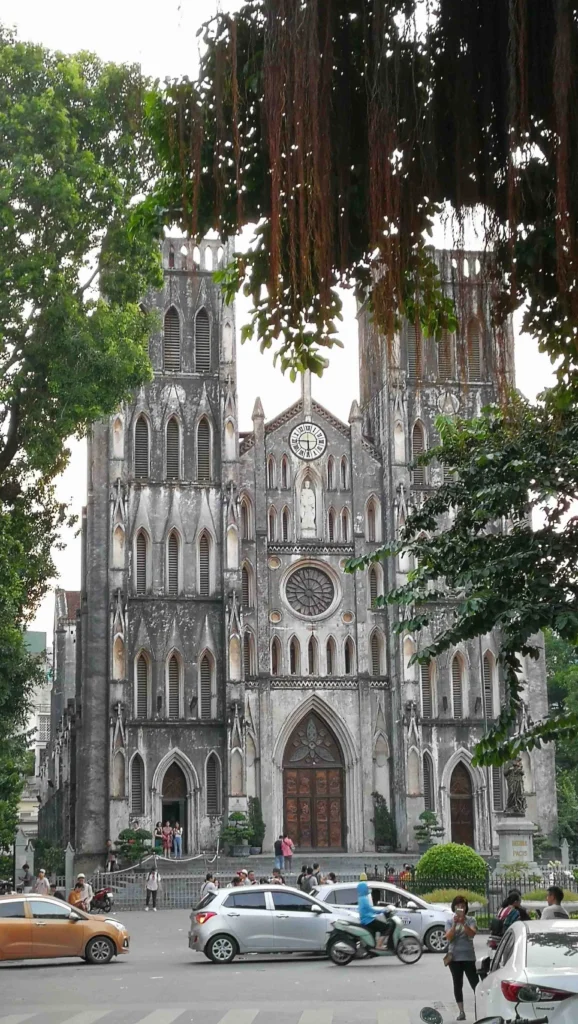
👀 Discover the Legend of Hoan Kiem Lake
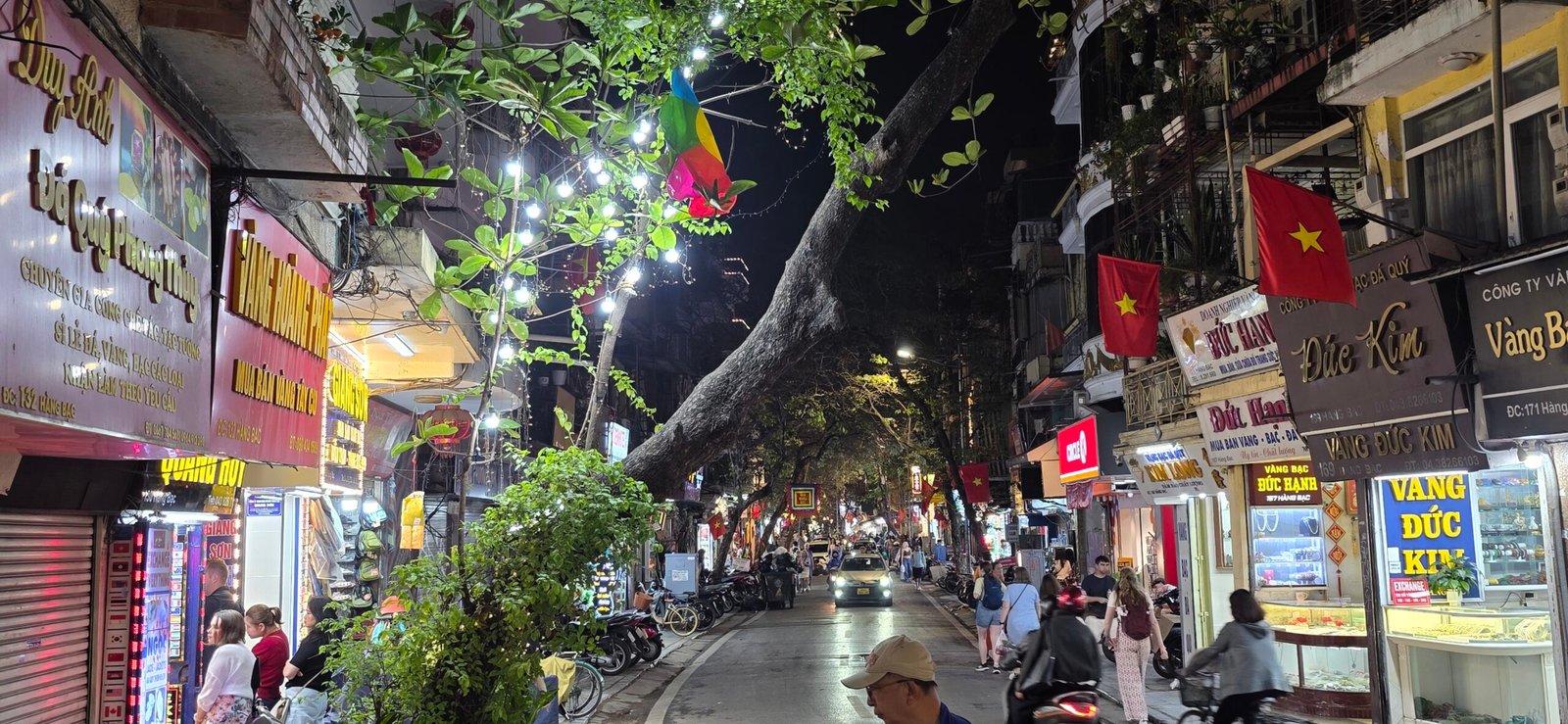
In the Old Quarter you can buy souvenirs, get a massage at reasonable prices (for example, at Onamori Spa), try traditional food (like the bun cha at this restaurant or on food street), buy all kinds of clothes including fake The North Face gear, or try the famous egg coffee.
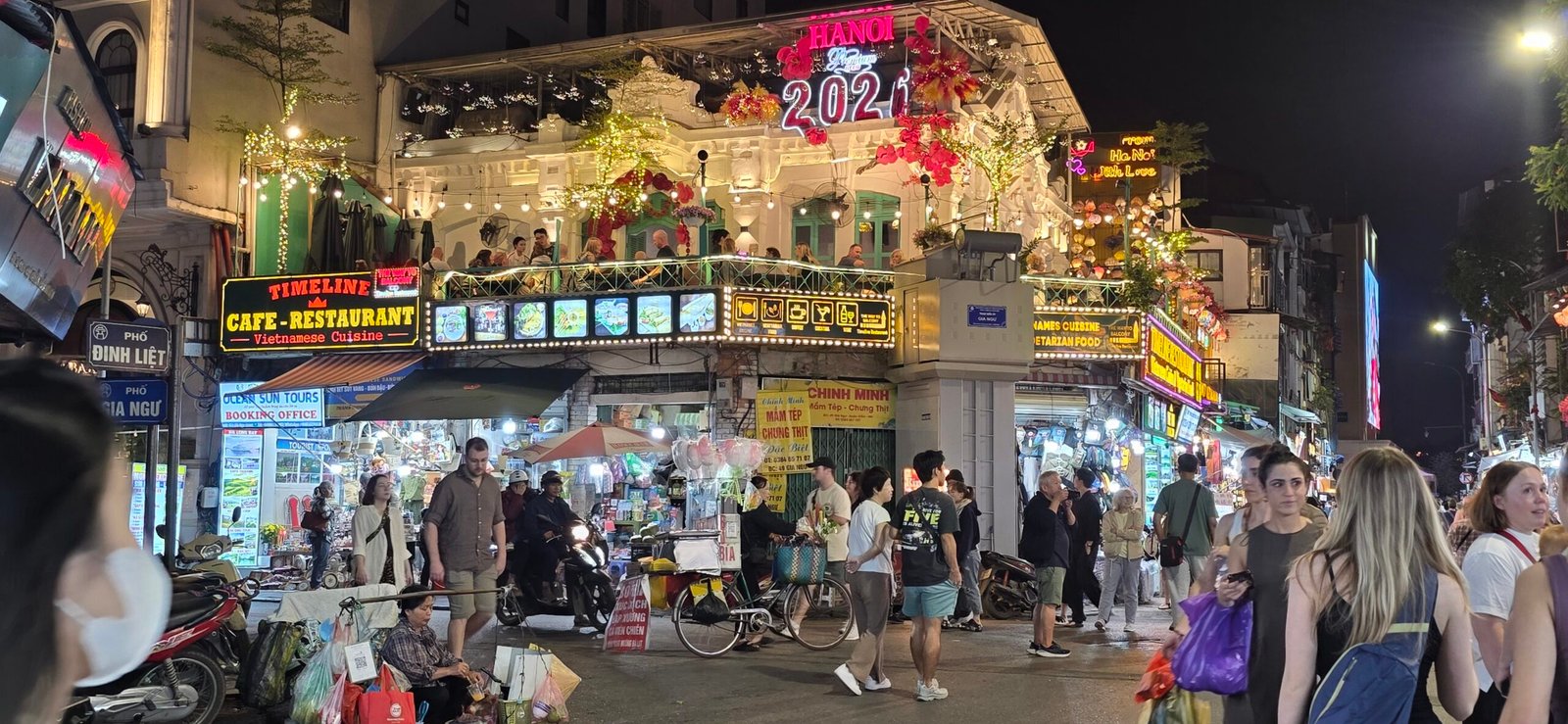
Fun fact: the Old Quarter has 36 traditional streets, each historically linked to a trade guild, like silk, paper, silver, bamboo or medicinal herbs. There’s also Train Street, where you can have a drink at a café while the train passes centimetres from your table.
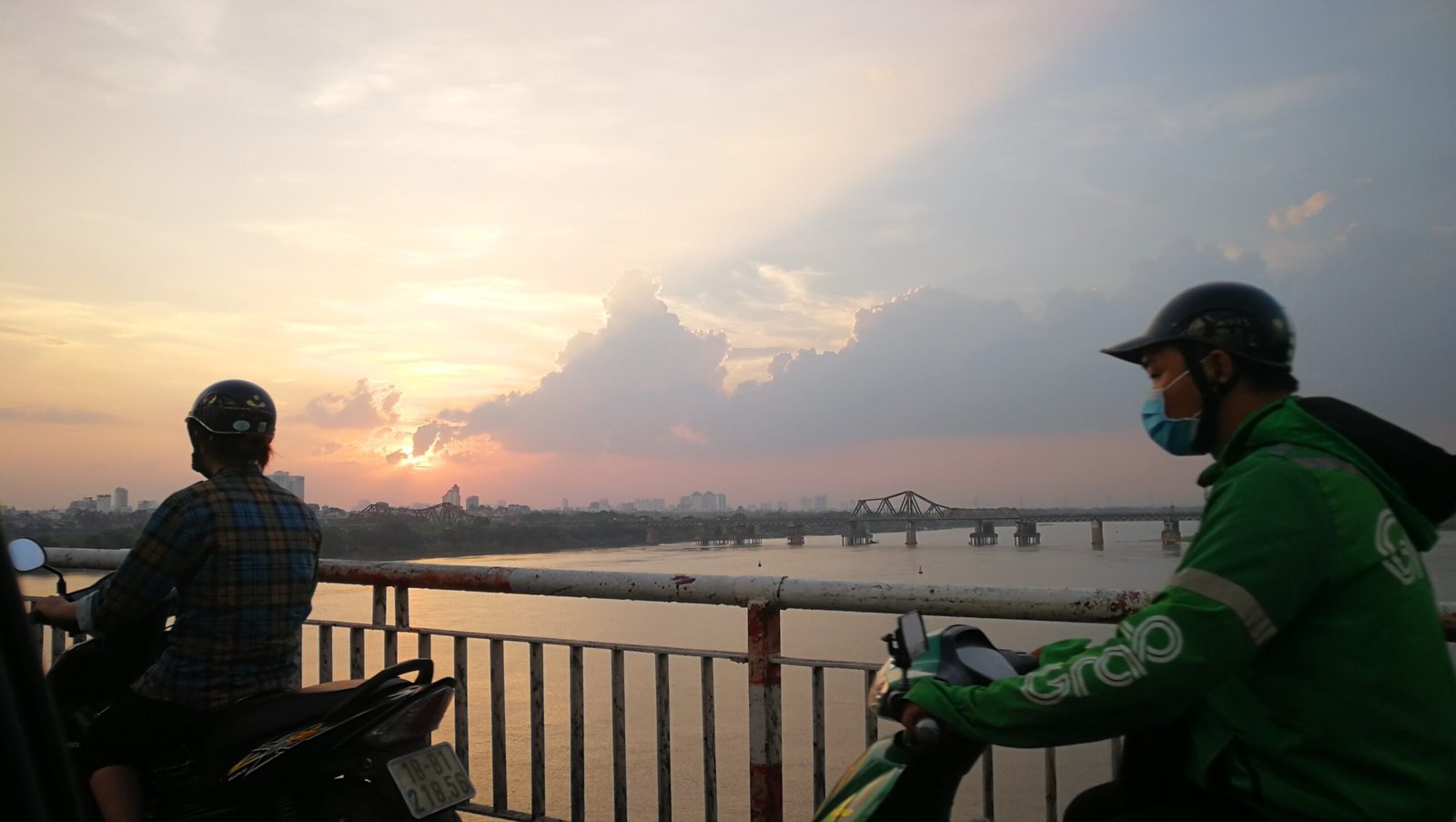
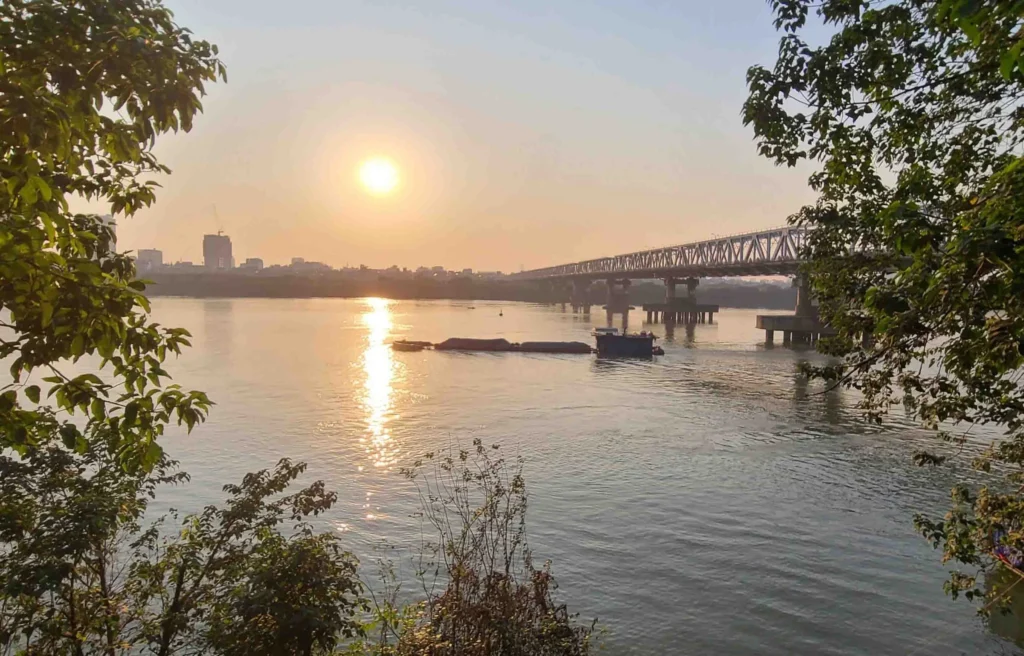
Very close by is the iconic Long Bien Bridge, an architectural monster built by the French in 1902 that still stands. Walking across it is lovely, especially at sunset over the Red River.
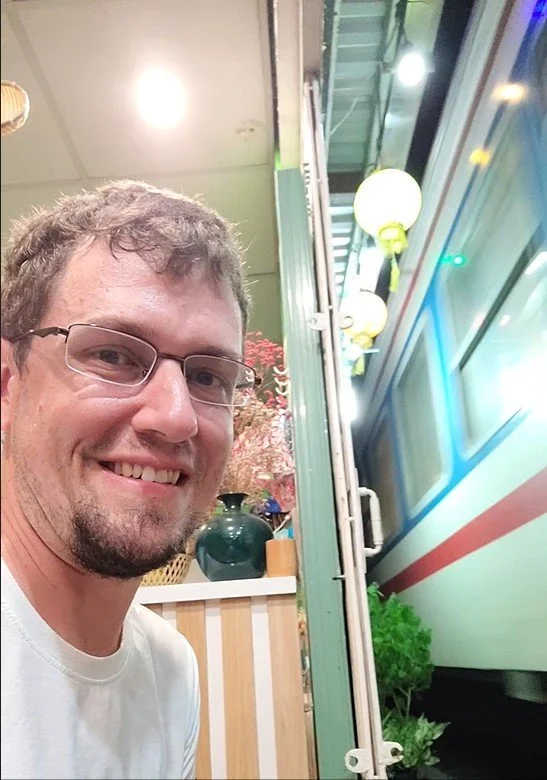
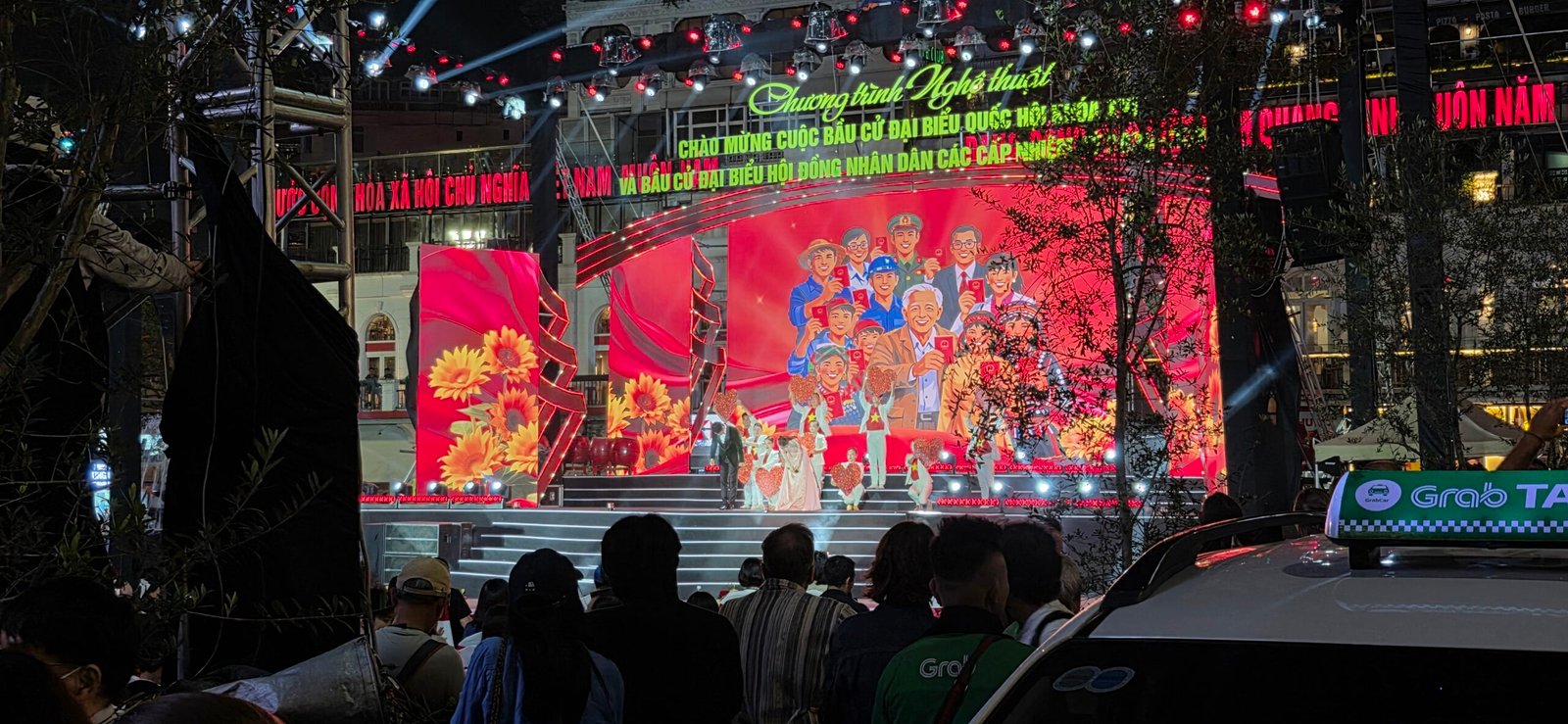
The best time for the Old Quarter is Friday evening, Saturday or Sunday, when its streets become pedestrian only: no motorbikes, drinks, the night market stalls and a relaxed, family atmosphere.
Around the lake there’s also the famous water puppet show: 50 minutes, several shows a day. You can buy tickets in advance here to skip the queue and pay by card.
I also recommend the Hanoitismiss free walking tour, full of curious facts as you walk around the Old Quarter’s most iconic places.
Hoa Lo Prison
Hoa Lo Prison was built by the French in the late 19th century to hold Vietnamese political prisoners, in terribly overcrowded conditions and often tortured. During the Vietnam War, North Vietnam used it for American prisoners of war, mostly downed pilots.
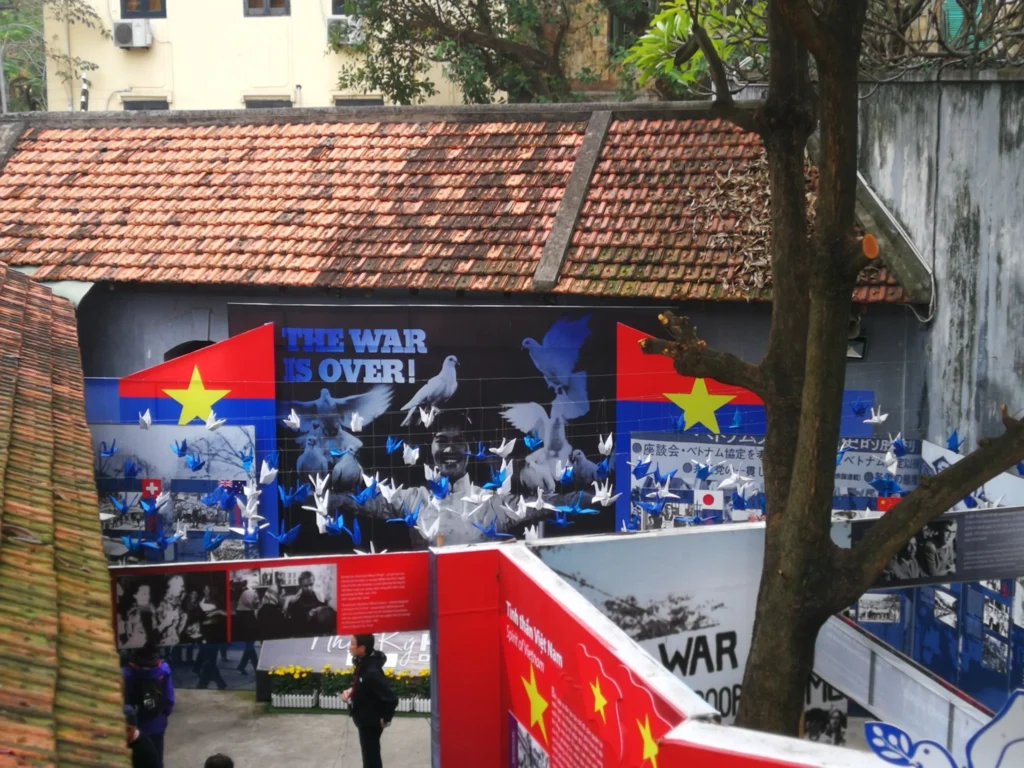
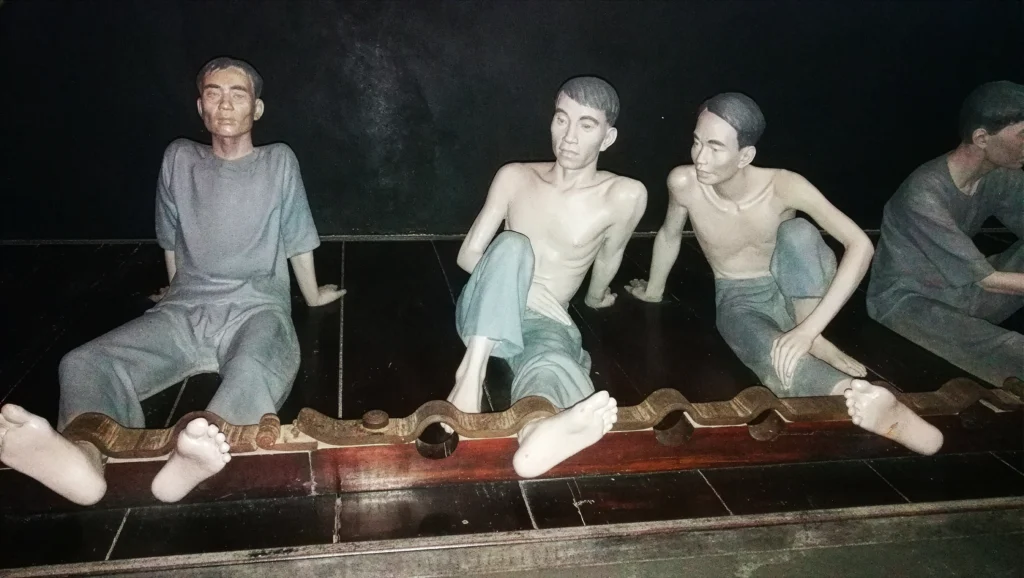
Today it’s a museum covering both the French colonial era and the Vietnam War. I really recommend it: an eye opening visit to better understand Vietnam’s recent history.
Tran Quoc Pagoda and West Lake
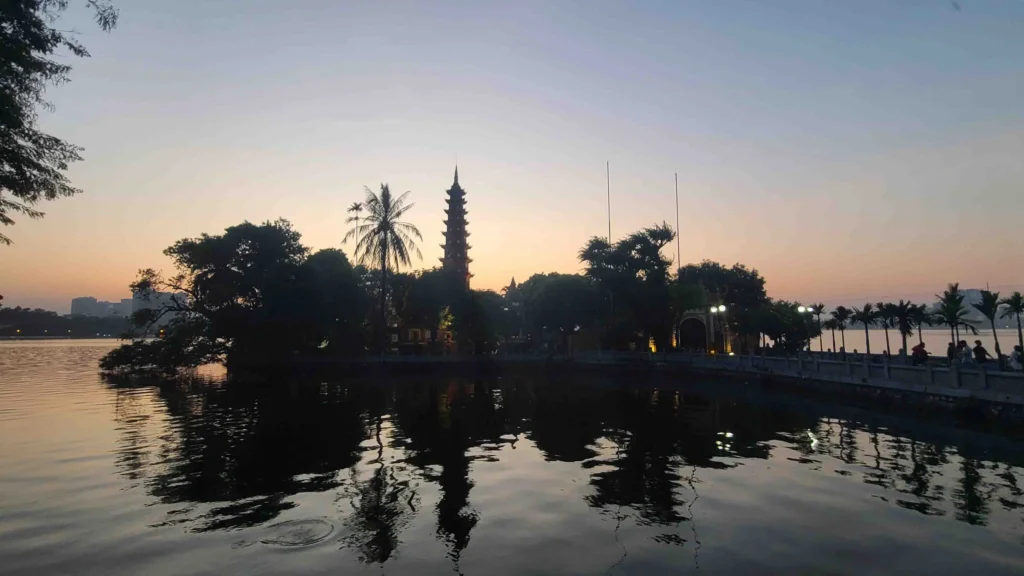
Tran Quoc Pagoda is the city’s oldest, built in the 6th century, almost 1,500 years ago. It originally stood by the Red River, but floods forced a move to its current spot in 1615. It has traditional architecture, gardens and several shrines, and a striking 11 storey tower by the entrance with seated Buddha statues. Entry is free, open 7:30 to 11:30 and 13:30 to 17:30. Cover your shoulders and legs.
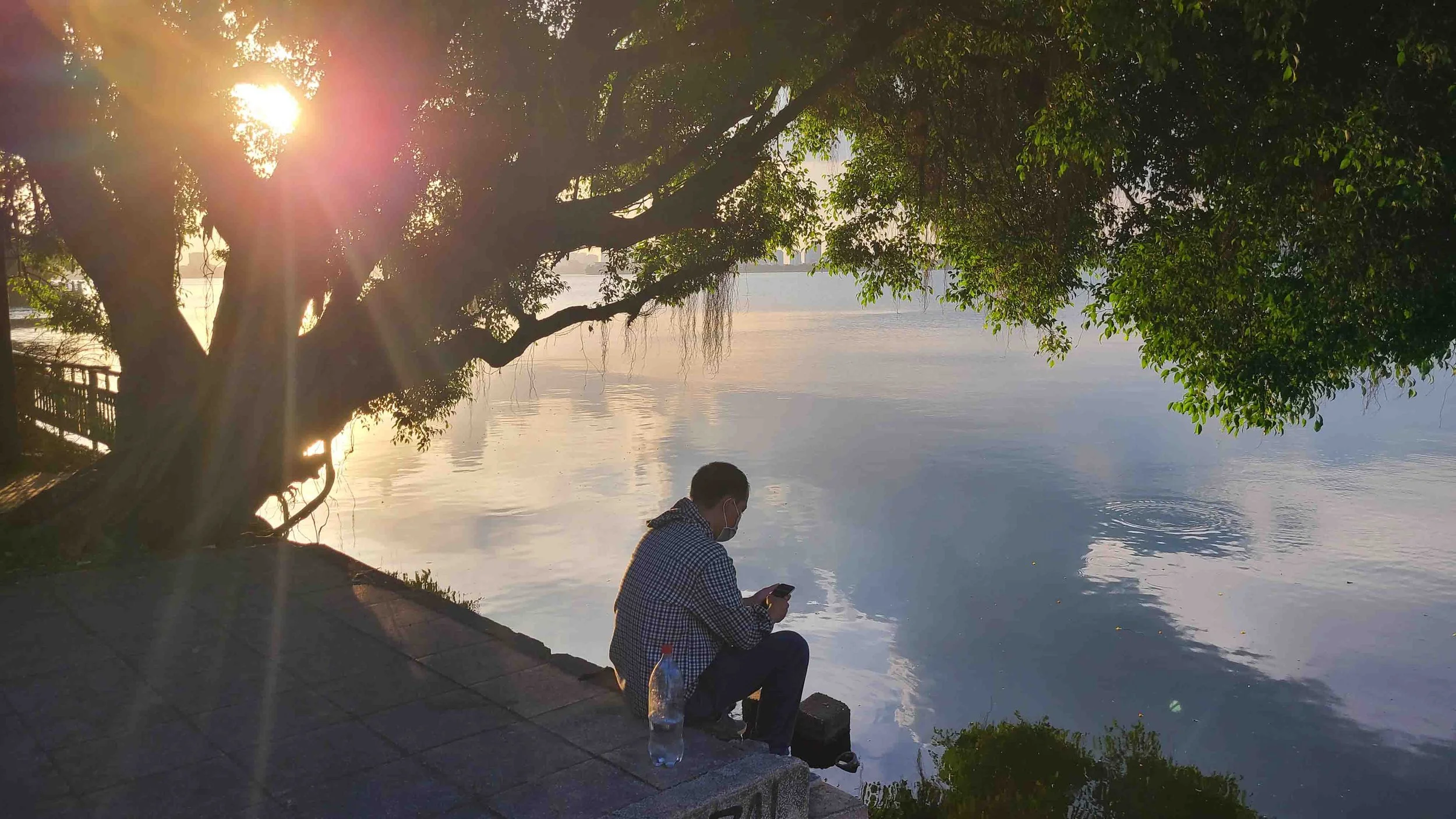
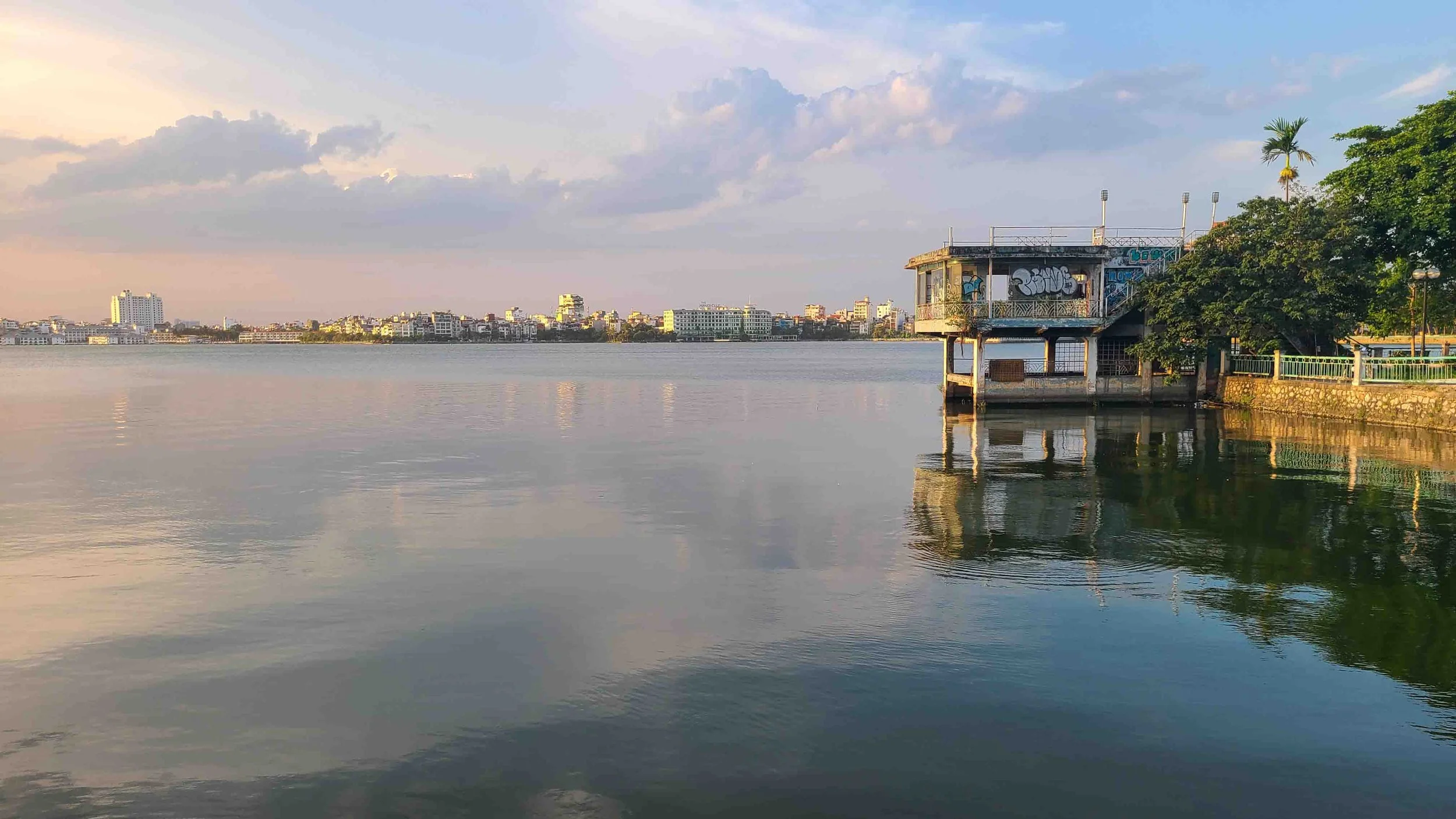
On clear days, the sunsets around the pagoda are stunning. Nearby you can visit Quan Thanh Pagoda, or have a drink at the rooftop bar of the Pan Pacific Hotel, on the 20th floor with amazing views over West Lake. It’s open 14:00 to midnight, and you can book on the hotel’s booking page. Pricier than the Hanoi average but not outrageous: a beer around $7 to $9, a juice around $5.
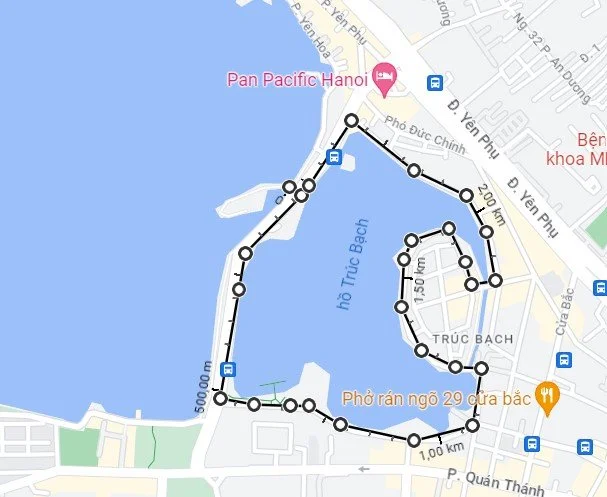
If you like walking, the 2.5 km loop around Truc Bach Lake takes about 40 minutes, with stops for coffee or food. For coffee, Ma Xó Cafe, nicely designed and facing the lake; for food, Pho Cuon, Pho Chien Phong or Pho Chien Trung at Pho Cuon Huong Mai (menu with photos and English). If you like cycling, rent a bike from 80,000 dong (about $3) a day at shops like Hanoi Bicycle Rental and ride around West Lake: 11 to 14 km, about 2 hours depending on pace.
Ba Dinh (Ho Chi Minh Museum, One Pillar Pagoda, Thang Long Citadel)
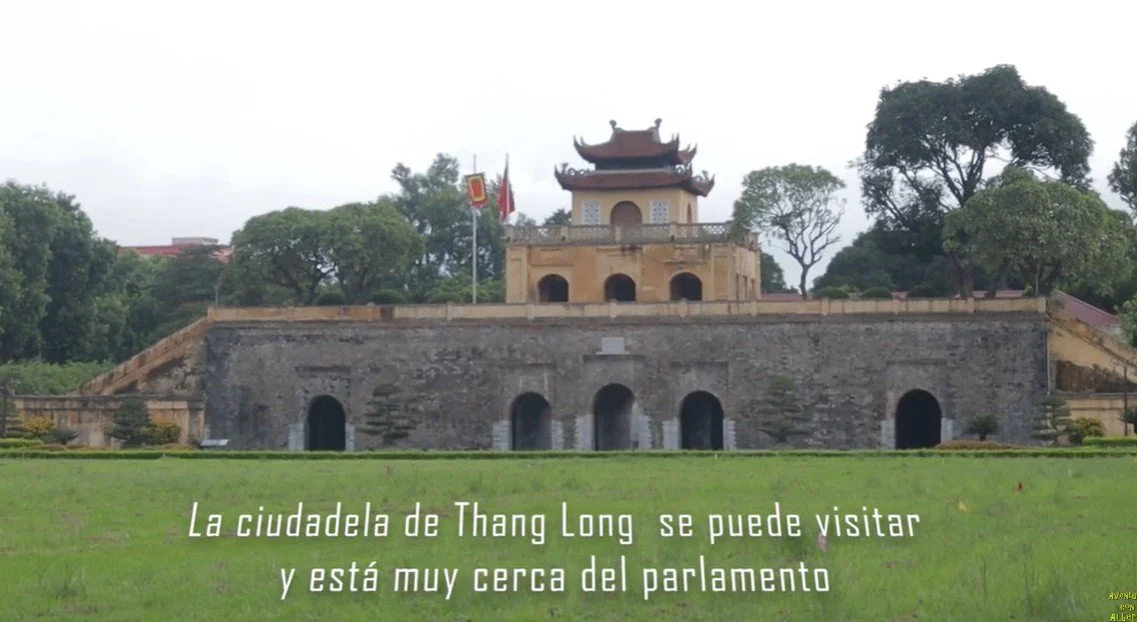
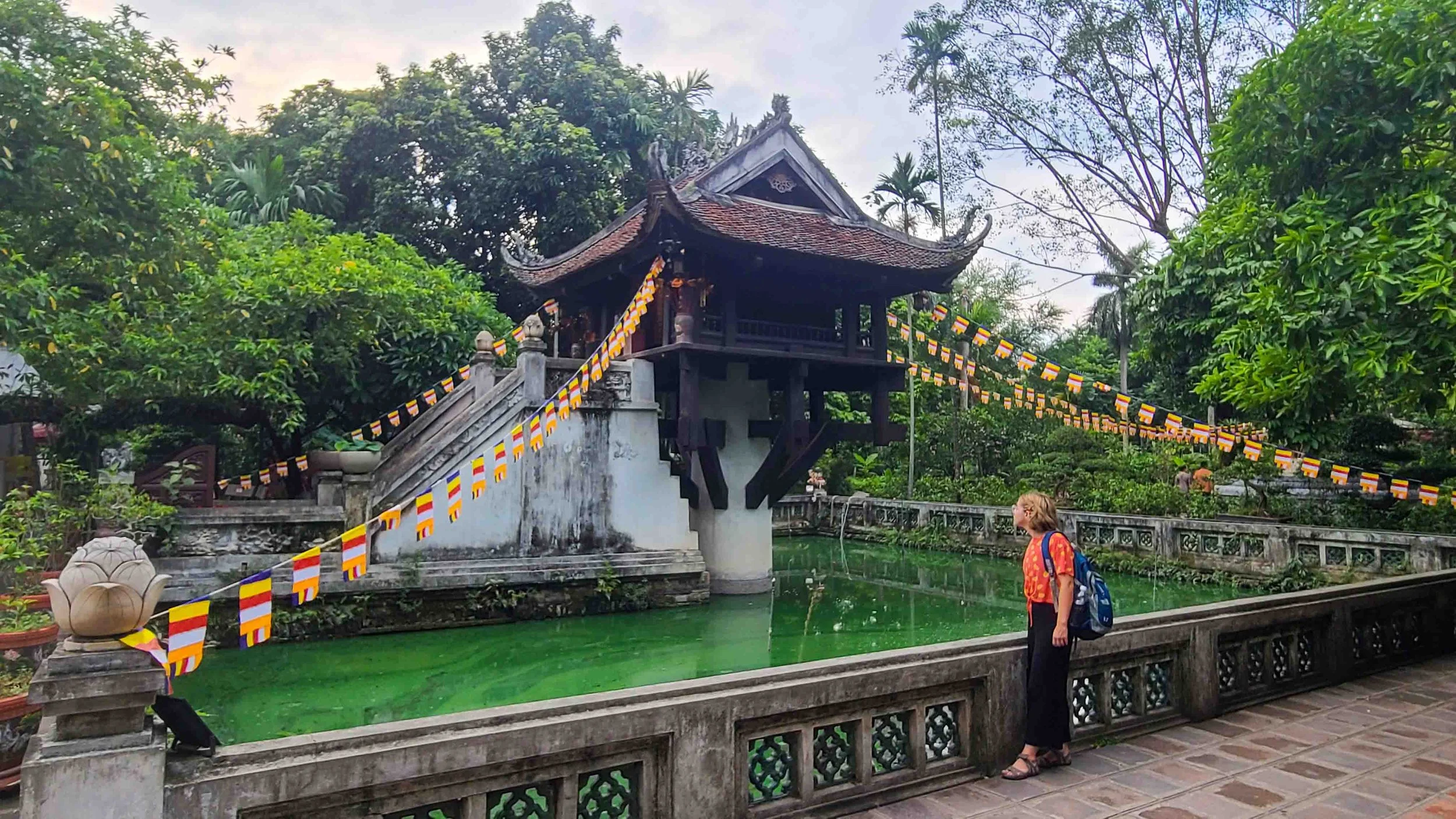
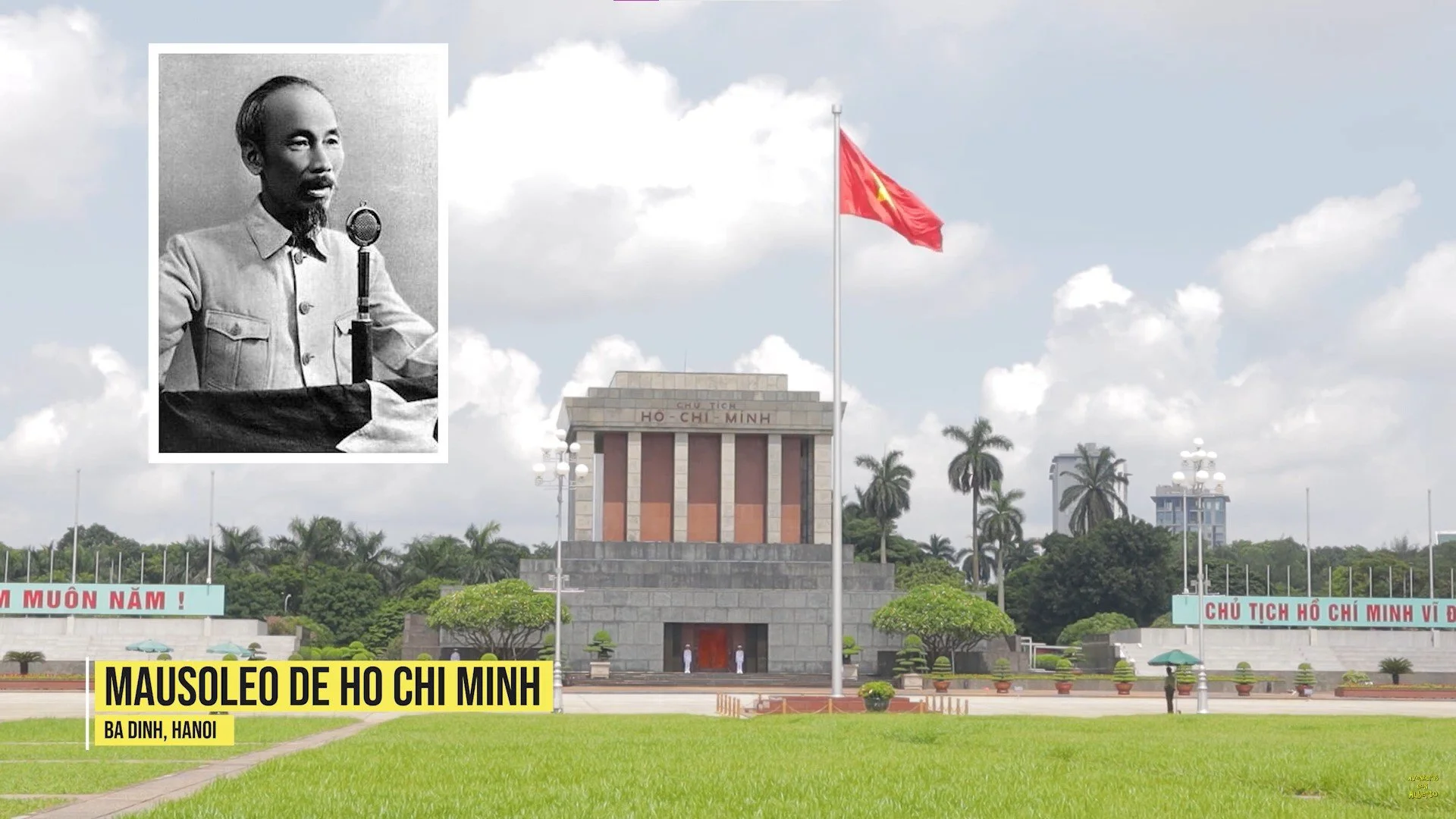
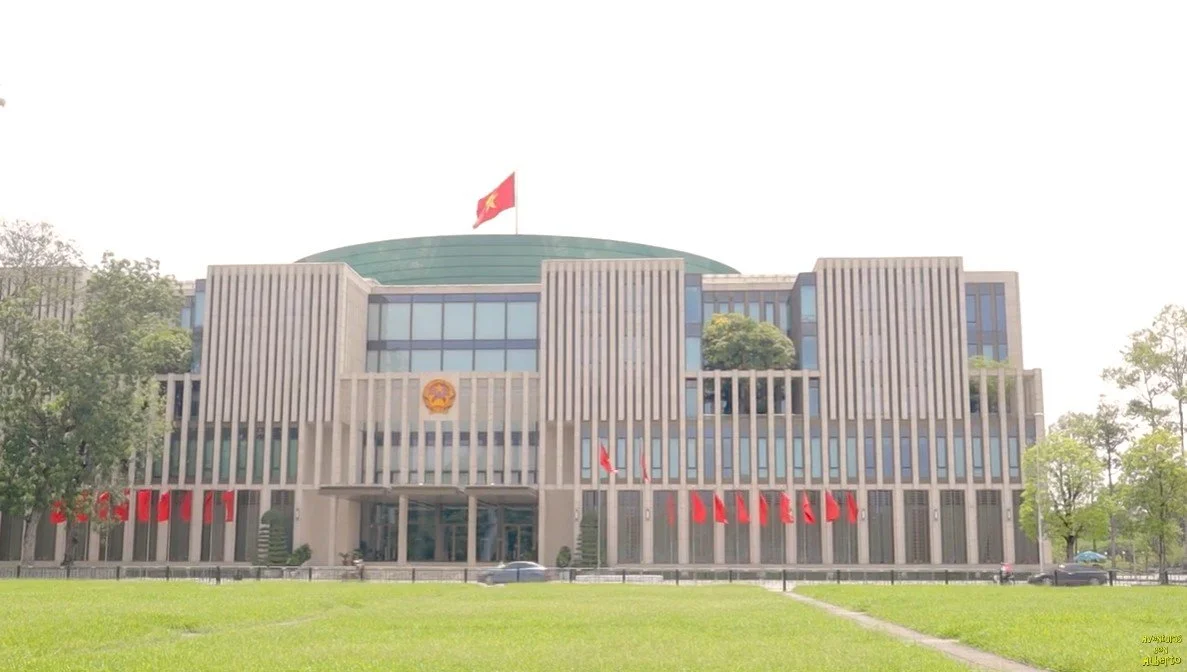
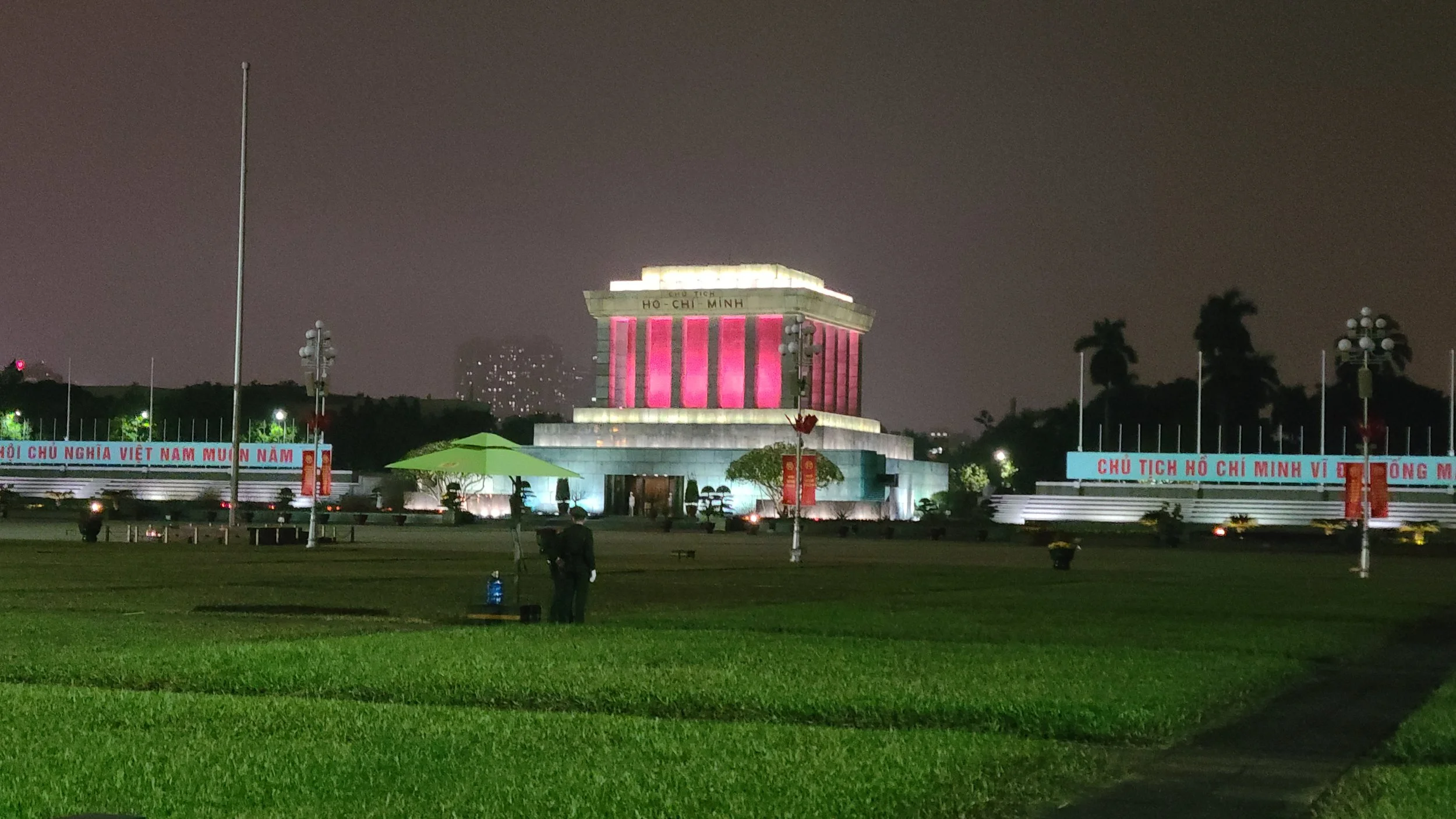
Ba Dinh Square faces the Vietnamese parliament, near the Thang Long Citadel. Here Ho Chi Minh declared independence on 2 September 1945, and later he led the country from a simple wooden house in the grounds, which you can still visit.
The square also has the mausoleum with his remains and the Ho Chi Minh Museum. His embalmed body can be seen in the mausoleum on Tuesdays, Wednesdays, Thursdays, Saturdays and Sundays, 7:30 to 10:30 from April to October and 8:00 to 11:00 from November to March, for 25,000 VND (about $1).
Nearby is the iconic One Pillar Pagoda, built on a single pillar to evoke a lotus flower, a Buddhist symbol resembling hands in prayer. For more on this area, see my video report from Ba Dinh Square (in Spanish).
Museum of Ethnology
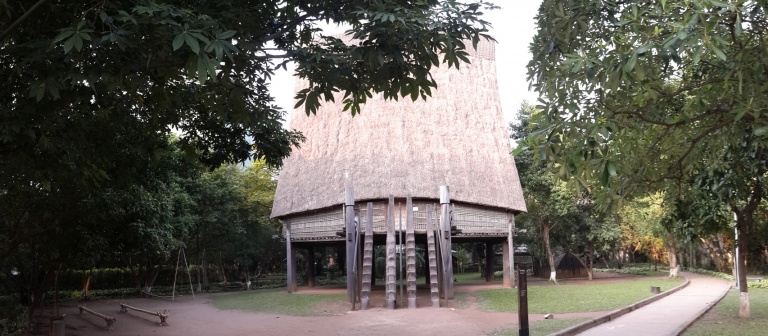
The Vietnam Museum of Ethnology covers the country’s 54 recognised ethnic groups: traditional clothing, kitchen tools, religious objects, rituals and ways of life, plus traditional houses you can enter outside. Visit it before places like Sapa, Ha Giang, Mai Chau (Ha Giang and Mai Chau guides in Spanish) or Pu Luong: you’ll understand them much better.
Alternative things to do in Hanoi
Reunification Park (Thong Nhat Park)
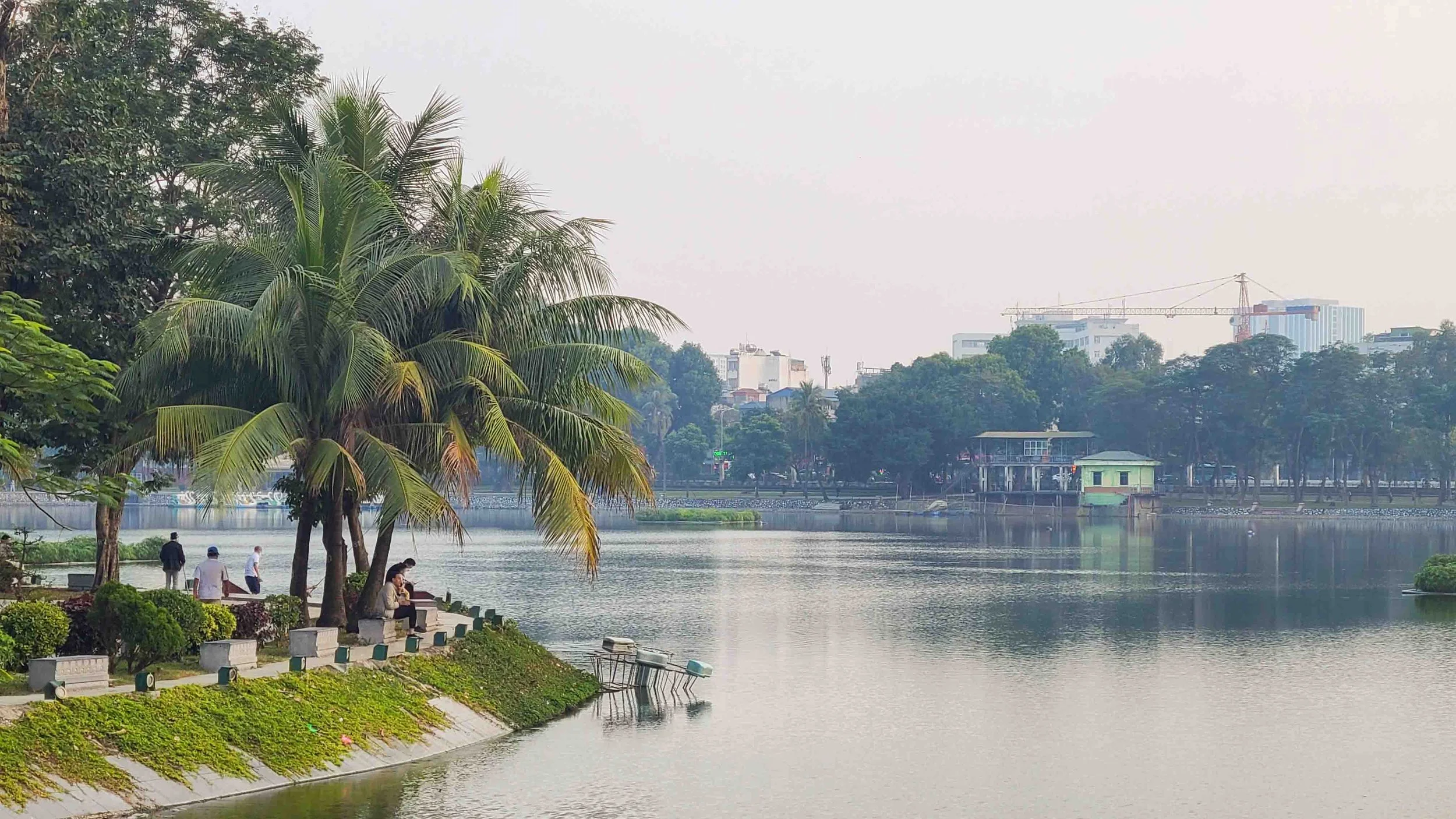
Reunification Park is one of the most interesting parks in the country culturally: you see Vietnamese people in their everyday moments, dancing, exercising, on dates, fishing, pedalling swan boats, riding the little park train at certain times of year, playing a sport that mixes volleyball, football and tennis, or Chinese chess. Free and authentic, and usually only recommended by those of us who live here.
Charming cafés
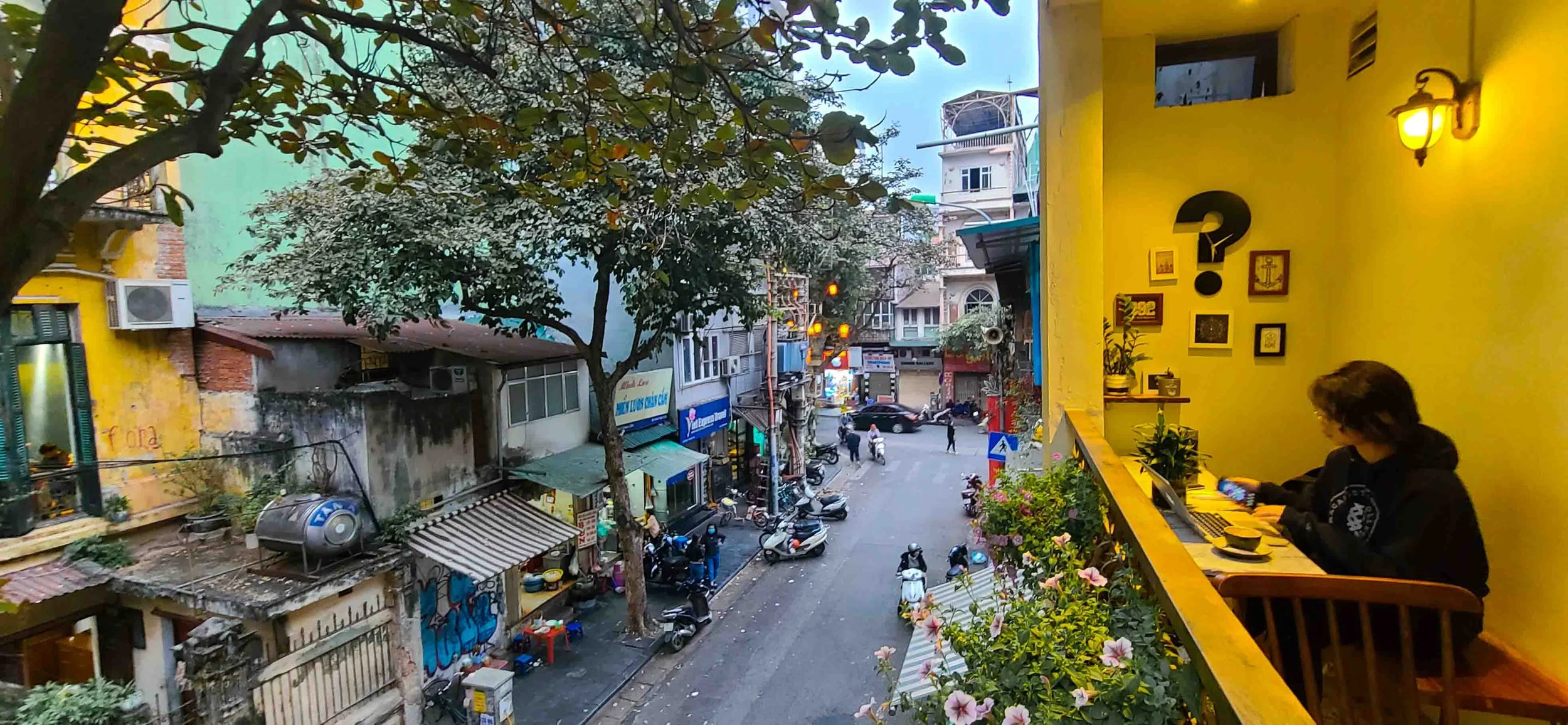
Ever been in a toilet with artwork in it? Of Hanoi’s many charming cafés, Nola Café is my favourite: several floors covered in art, even in the toilet. A haven of calm and beauty on Ma May Street, one of the Old Quarter’s busiest. The gallery photos are all from here.
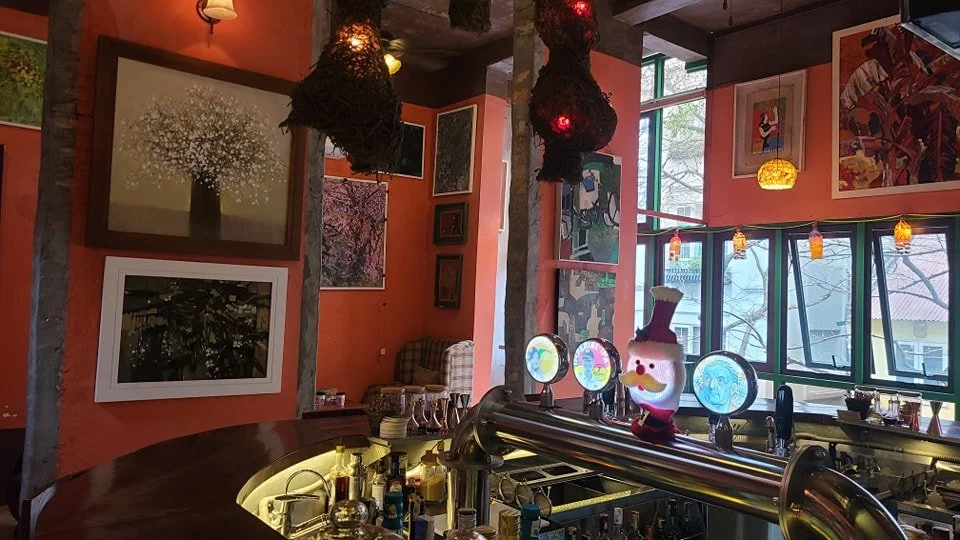
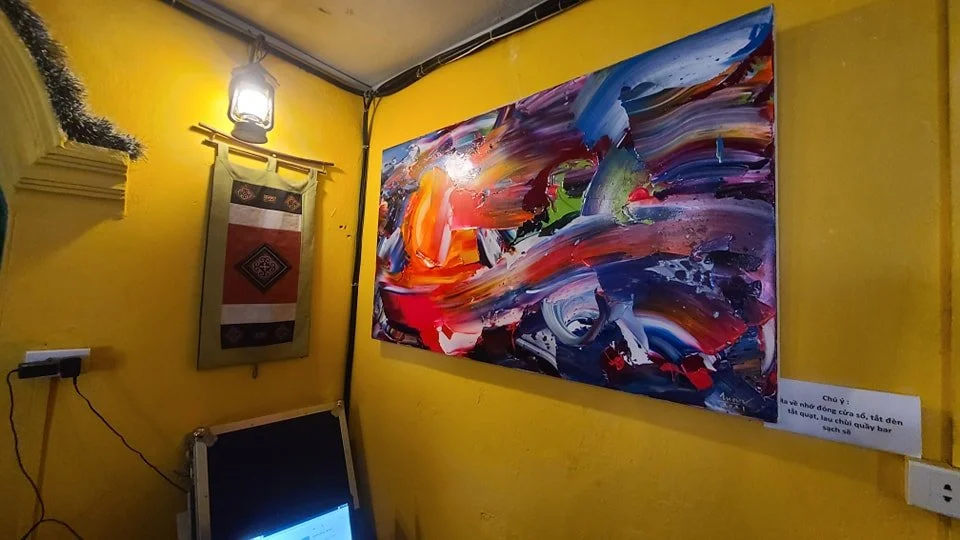
Nearby, The Hidden Gem has furniture made from recycled materials: have a tea or beer at a table built on a tractor engine, and take photos on a motorbike that’s part of the wall mural.
Other cafés worth a visit:

- Café Giang, the most classic place in Hanoi to try egg coffee
- Café Pho cố, near Hoàn Kiếm, reached through a clothes shop into a big space decorated with antiques. Lovely rooftop.
- Trung Nguyên Legend Cafe, where coffee lovers can try gourmet coffee from Vietnam’s best coffee brand
- The Note Coffee, whose walls and tables are covered in notes left by travellers (if you go, you can leave your mark on this Hanoi café).
Recommended massages in Hanoi
Massages in Vietnam are cheap, usually $12 to $23 an hour, depending on the place.
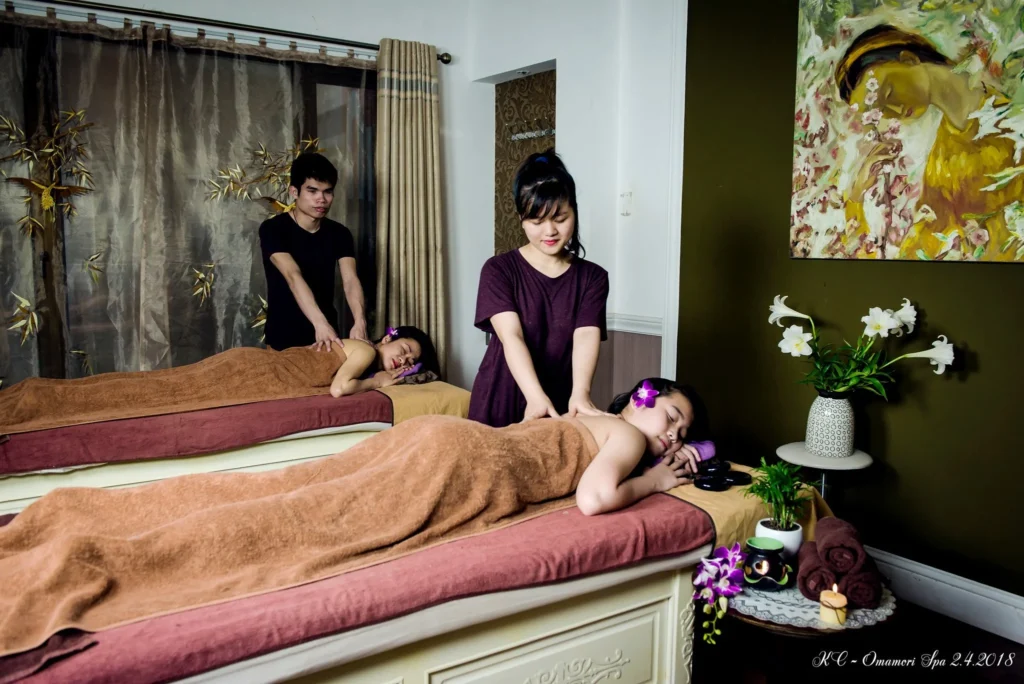
Some of the many places I’ve tried also do social work, employing blind massage therapists: Onamori Spa, in the Old Quarter, or Dao’s Care, in Ba Dinh.
Very popular with foreigners: Yakushi Spa, in Tay Ho, further from the centre but outstanding (book ahead, it fills up).
More traditional: Huong Sen Massage, where about $23 gets you a wooden barrel bath with Red Dao herbs, a bubbling herbal jacuzzi, a sauna, a steam room and a massage. Probably nobody speaks English and you’ll see few foreigners, but it’s a unique, authentic experience.
👉 Some massage places expect a tip, others don’t. When and how much, in my guide to tipping in Vietnam.
Eating in Hanoi: Food Street and more
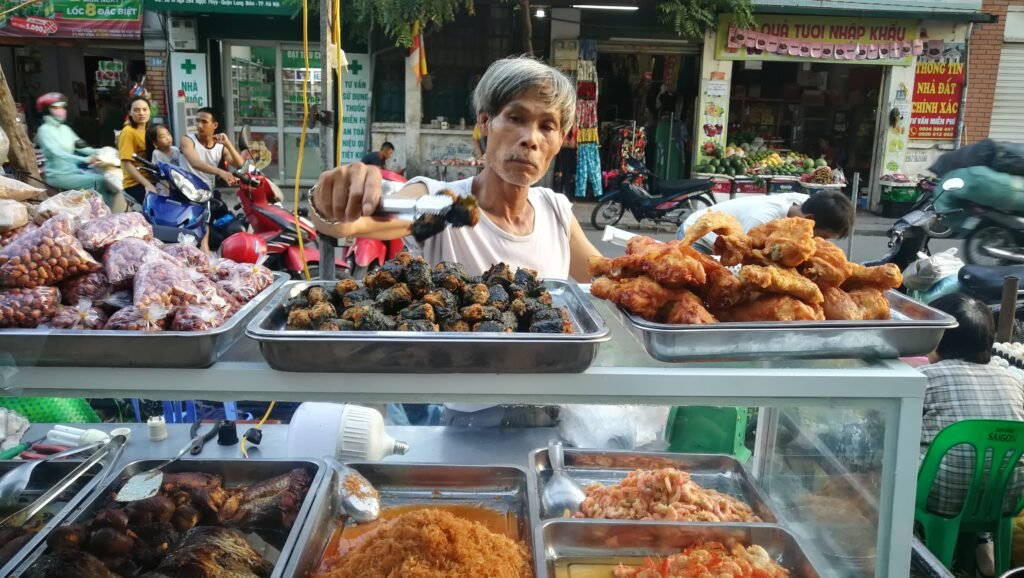
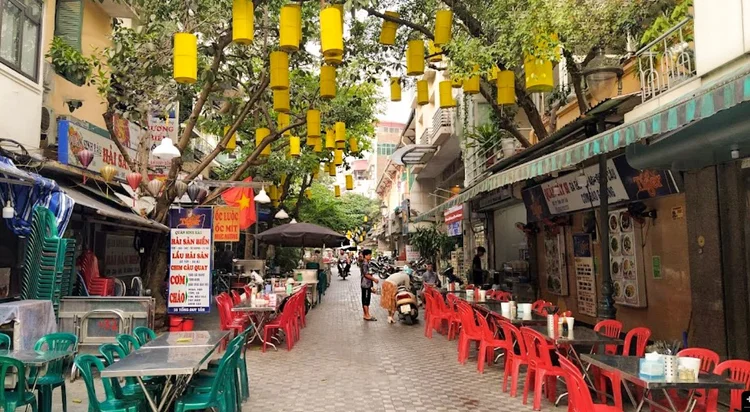
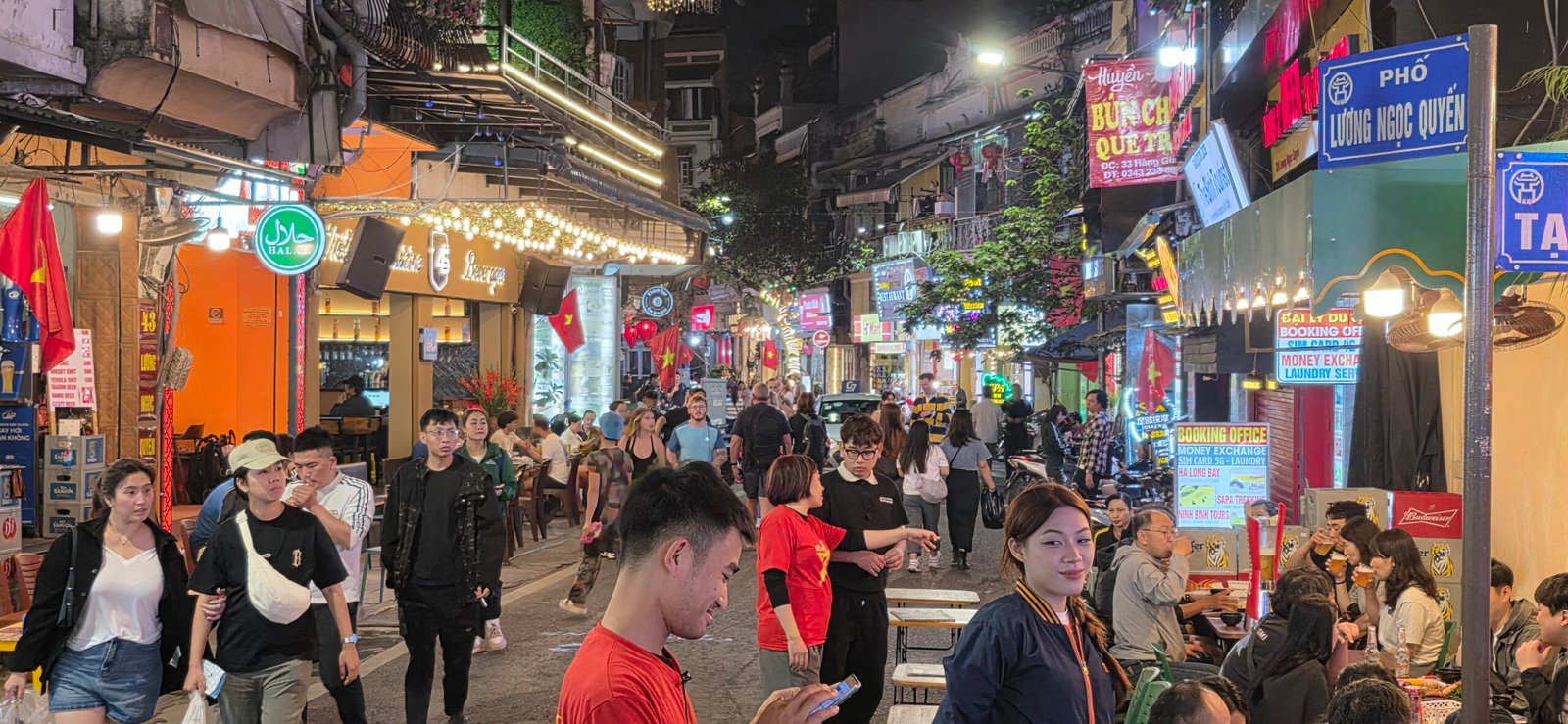
Hanoi’s pedestrian Food Street is packed with restaurants and cafés for every budget.
Many have menus in Vietnamese and English, with photos. And it’s not just for tourists: it’s a regular spot for Vietnamese people and foreigners living in Hanoi. Places I’ve enjoyed with friends or my partner: Xofa Café, Puku café & Bar or, for cheaper street food, Ky Dong Restaurant.
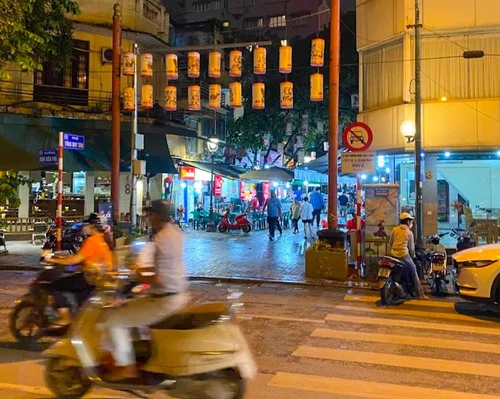
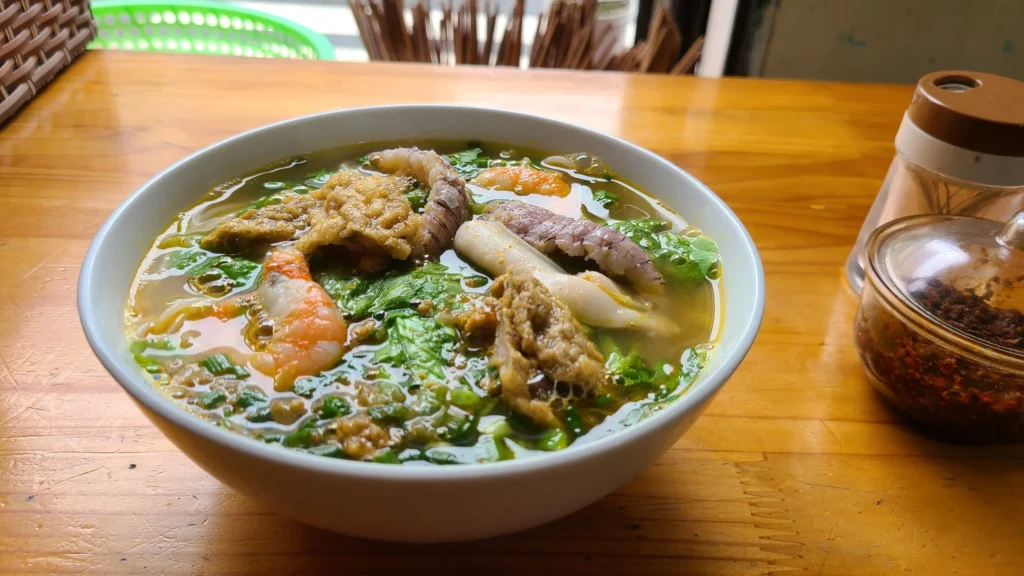
For Vietnamese food in the Old Quarter I also recommend the MET chain restaurants and Hoang’s restaurant, for food and service.
For food from every region, Quan An Ngoc, with a lantern lit terrace where you can watch them cook.
For Hanoi’s classic «Bun Cha», Bun Cha Ta Hanoi, or a bit further out Bun Cha Obama, which keeps the table where the US president ate, intact in a glass case on the second floor.
Hanoi is great for vegetarian food. I totally recommend Veggie Castle and Sadhu, both with a buffet: the first cheaper, casual and self service; the second pricier, served to order, with amazing architecture.
Hanoi is also international. One that impressed me is Gogi House, Korean barbecue where you can stuff yourself on meat for around $16 to $23 per person, depending on the menu. For something familiar, Pizza 4P’s has tasty pizzas, pasta and more at reasonable prices.
Coffee or beer by the river at sunset
You’ll rarely meet tourists at the cafés and restaurants facing the Red River in Long Bien, just 2 to 3 km from the Old Quarter. Enjoy spectacular sunsets at Aha Café, one of the riverside hotpot restaurants (no English menu), or Quinza, French with pizzas, crêpes and barbecue (pricier, very good).
Traditional markets
Most travellers end up at a Hanoi market by chance. But if you enjoy seeing how the city really works, here are the most interesting, by type of experience:
- Dong Xuan Market (the most central and touristy): in every guide. Mostly T shirts, trousers, hats, shoes, scarves, dresses, food and souvenirs. For shopping, see my guide on where to buy clothes in Vietnam. The building is fine, but more interesting are the stalls on surrounding streets like Thien Thuat Street, selling fresh produce: young bamboo, live fish, seafood and more.
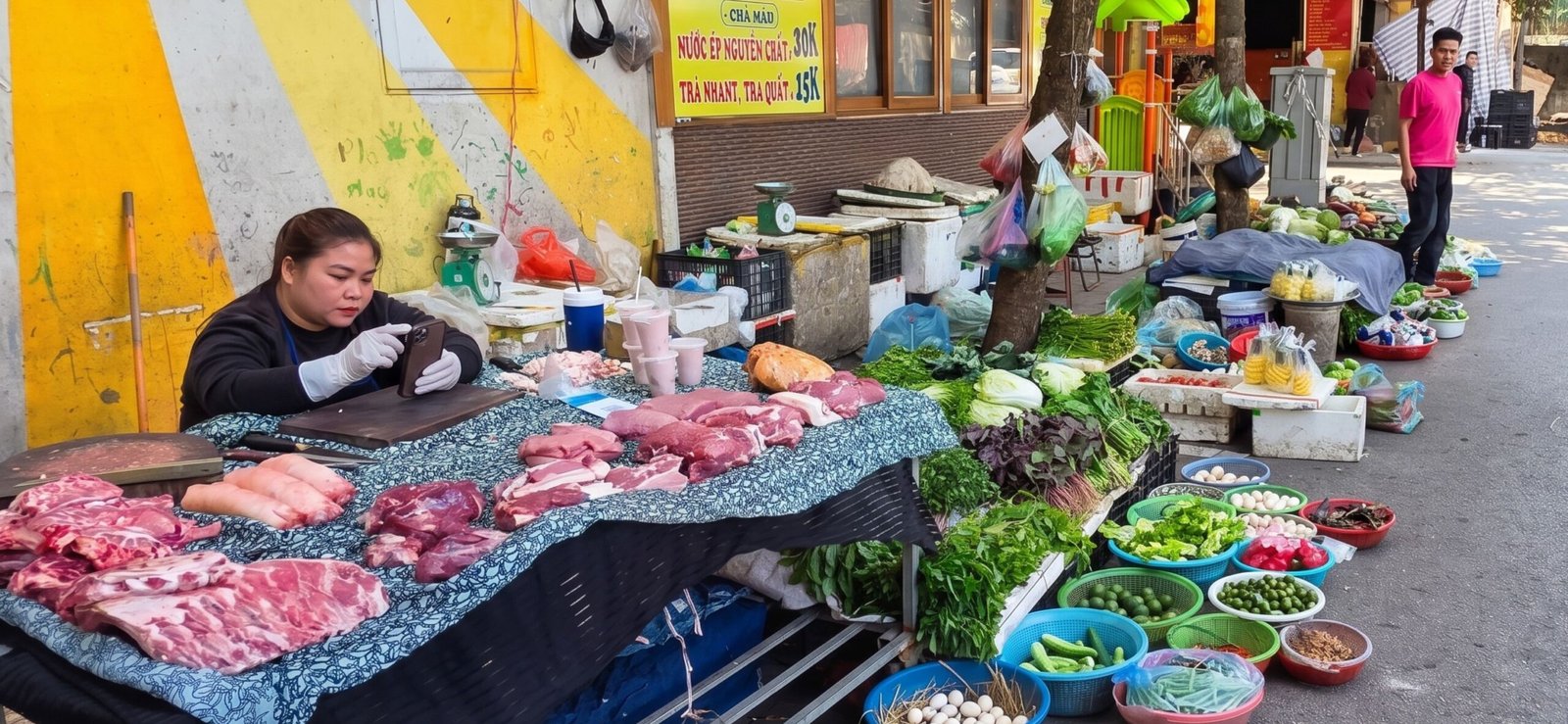
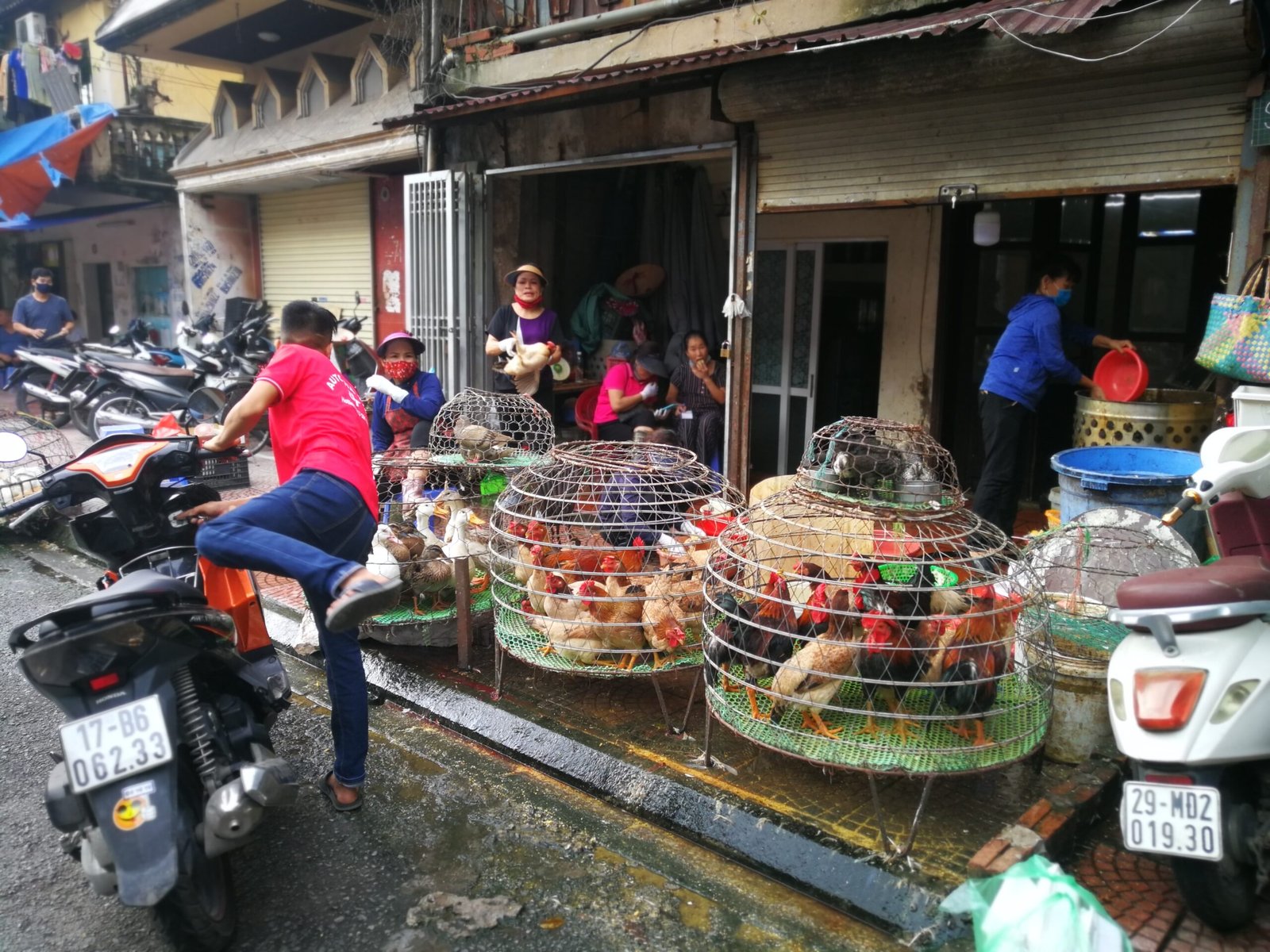
- Long Bien Market (a night time beast): Hanoi’s biggest market, where huge amounts of farm produce and live animals (chickens, ducks, frogs…) arrive from all over the country to be redistributed. Visual and photographic madness. Go between midnight and 5 am; later you’ll still see some of it, but not at its busiest.
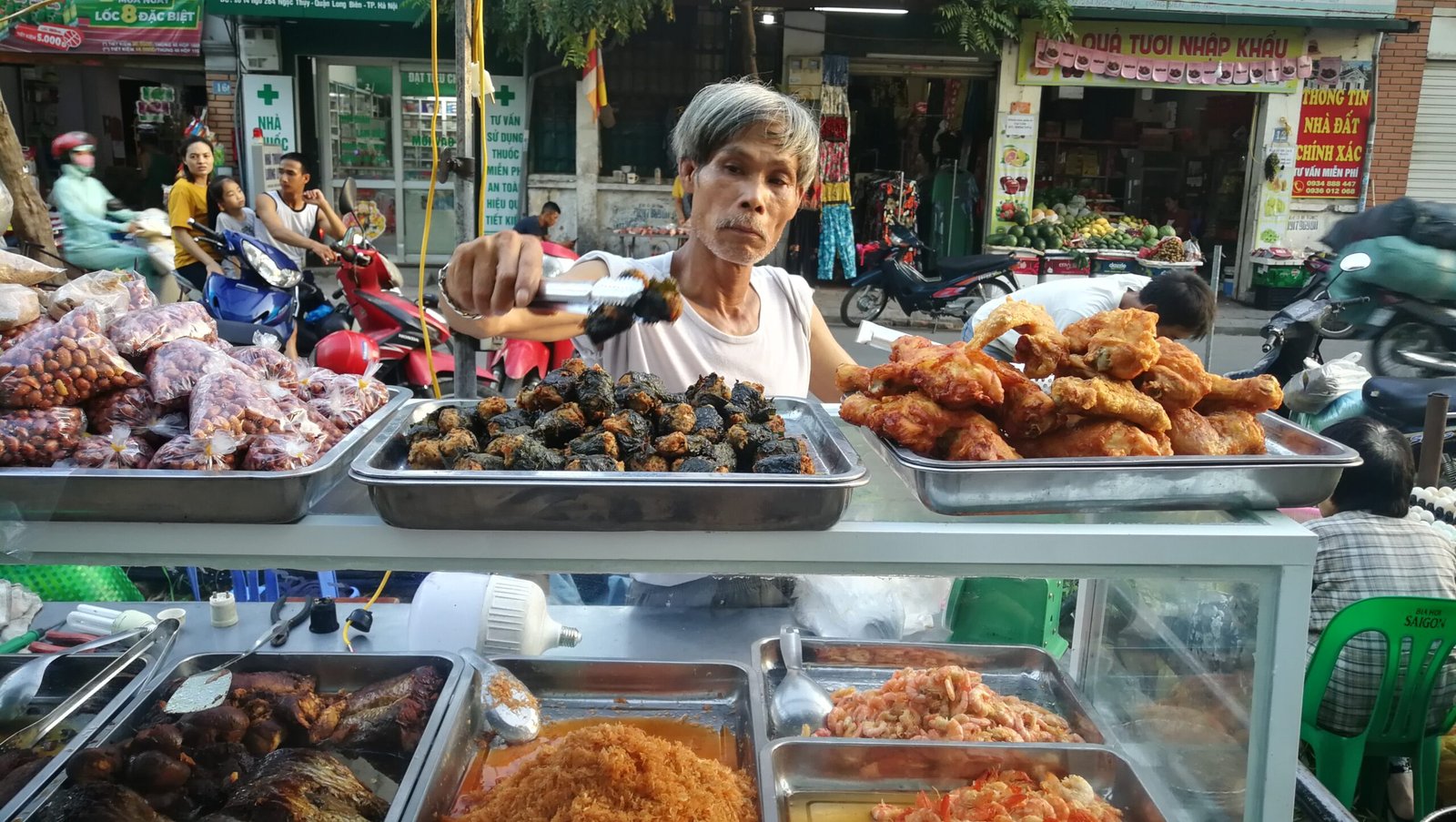
- Gia Lam Market (100% local): about 4.5 km from the Old Quarter, an authentic market with no tourists. Live animals (chickens, ducks, pigeons, frogs, crabs, fish), seafood and all kinds of meat, fruit, street food, some clothes and religious items. For bun cha there, I really recommend this restaurant, where you can meet the star of this photo (follow me on Instagram!).
- Neighbourhood markets (Cho Hom, Ngoc Ha and Linh Lang): Cho Hom is just 1.5 km from the Old Quarter. Ngoc Ha (near the Ho Chi Minh Mausoleum) and Linh Lang (favourite of my friend Roop, an Englishman from Almería) are pure neighbourhood markets, perfect for a quick walk if you’re staying nearby.
💡 Timing: except Long Bien (early hours), go in the morning, ideally 7:00 to 10:00. The earlier, the better the atmosphere.
Do a free walking tour in Hanoi
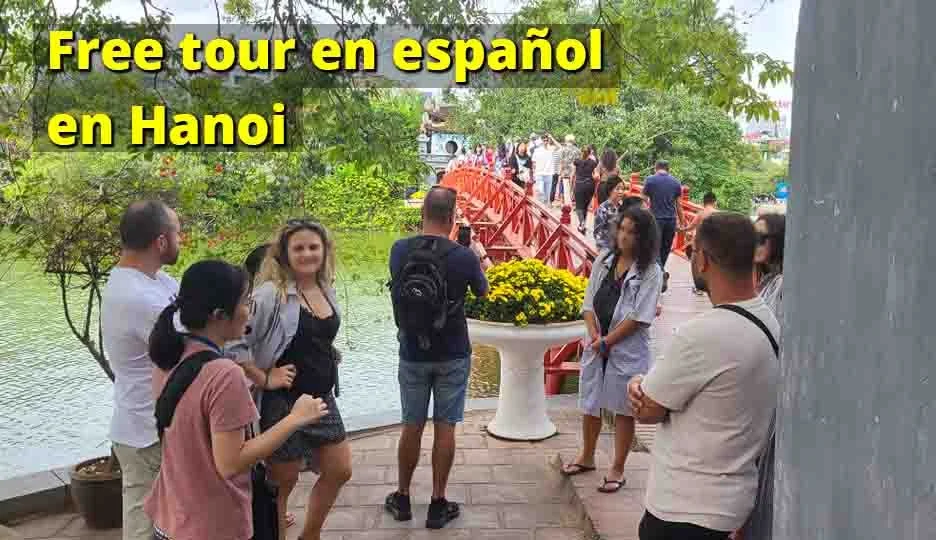
I totally recommend the Hanoitismiss free walking tour. The guides are professional, really friendly and speak fluent English and Spanish. It’s run by a small group of qualified guides, not an agency, so you support a small local initiative. I know them personally and they’ve won my affection and admiration.
You’ll discover things about Hanoi and Vietnam many tourists miss, and can ask all your questions. They also offer a Vietnamese food free tour and a vegetarian food free tour.
Where to stay in Hanoi
See my selection of recommended places to stay all over Vietnam, based on my experience and travellers in my WhatsApp groups.
Recommended hotels in Hanoi
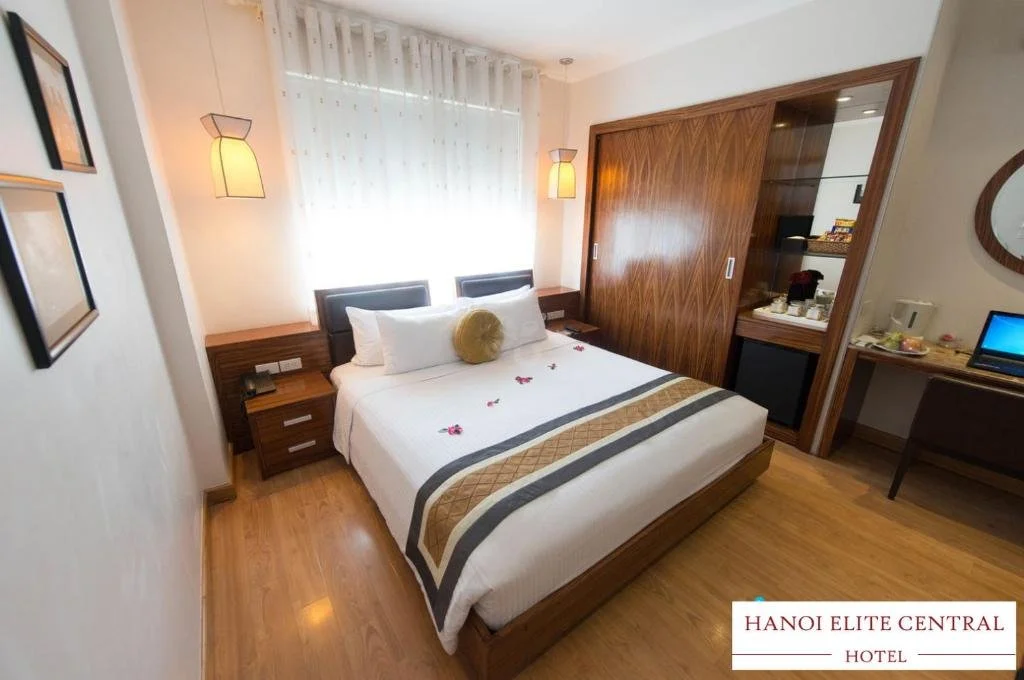
Recommended by travellers in my groups, right in the Old Quarter with very good reviews: Elite Central Hotel Hanoi, with good prices and comfortable, pretty rooms. Or Marigold Hanoi, also by the Old Quarter, with very comfortable rooms and a generous à la carte breakfast. Book early: its value for money means it often fills up.
Other hotels travellers in my groups recommend: Hanoi Chic Boutique Hotel and Aquarius Grand Hotel, and at the higher end Hanoi Royal Palace Hotel 2 and Rex Hanoi Hotel.
Recommended hostels in Hanoi
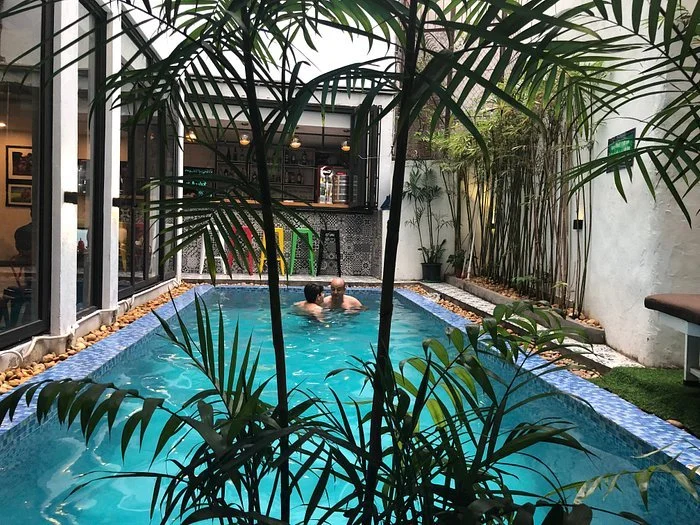
One of Hanoi’s best hostels is Hanoi Buffalo Hostel, with a small pool, often recommended for its facilities and its friendly, helpful staff.
Another popular one is Cheers Hostel. A traveller told me: «great, very clean, new, very comfortable 4 person rooms, and the guy at reception is super helpful. And the location is perfect, next to the cathedral and very close to Hoan Kiem Lake». Old Quarter View Hanoi Hostel is also recommended by quite a few travellers in my groups.
How much time should you spend in the city?
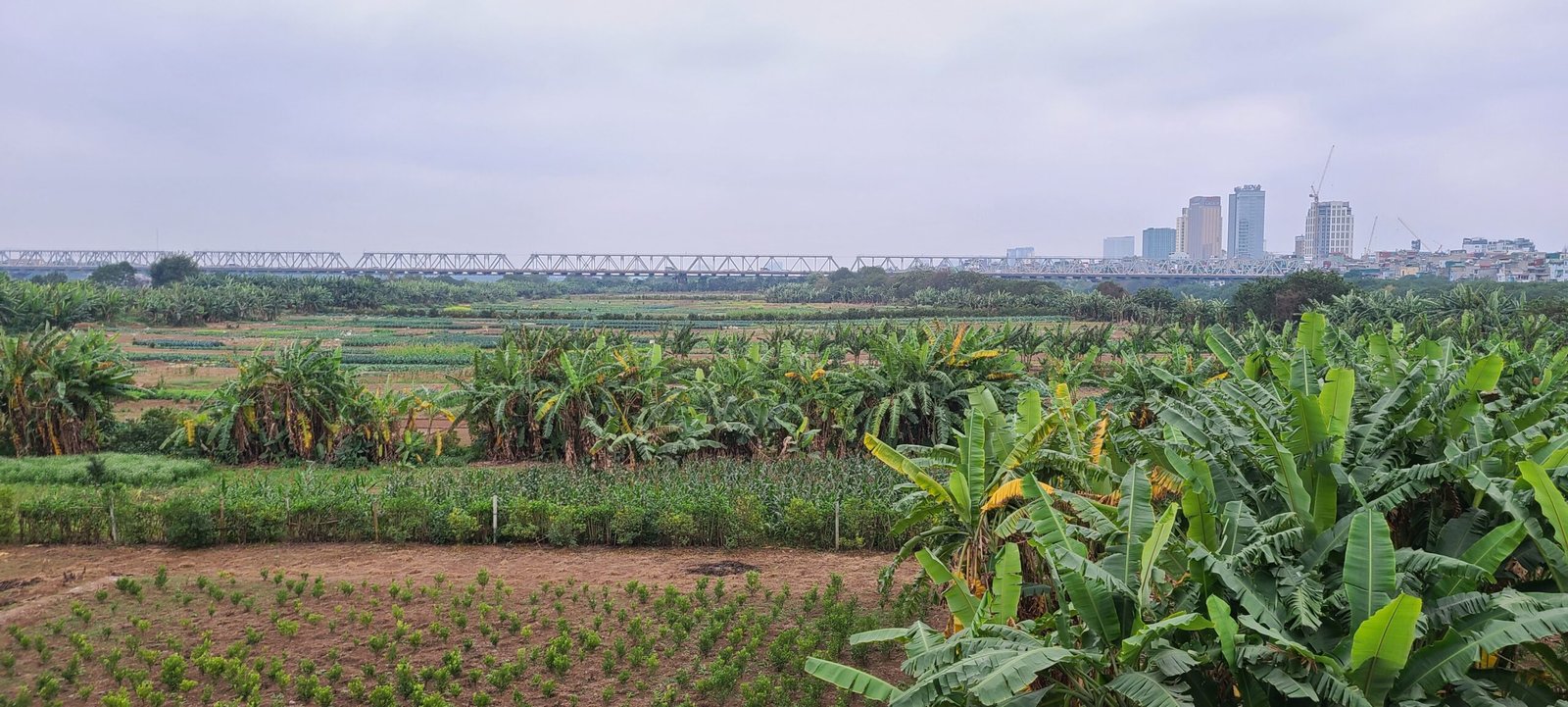
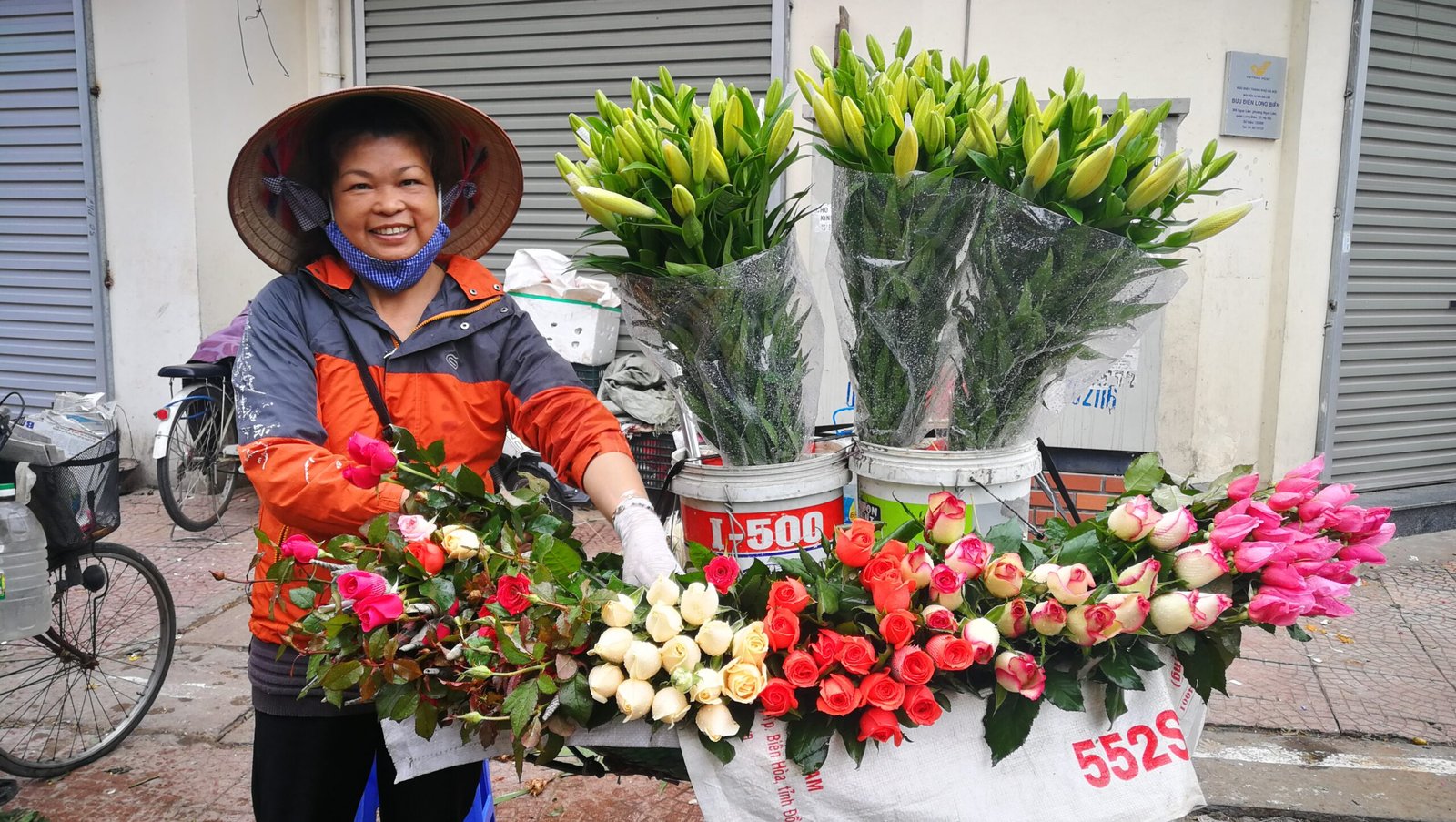
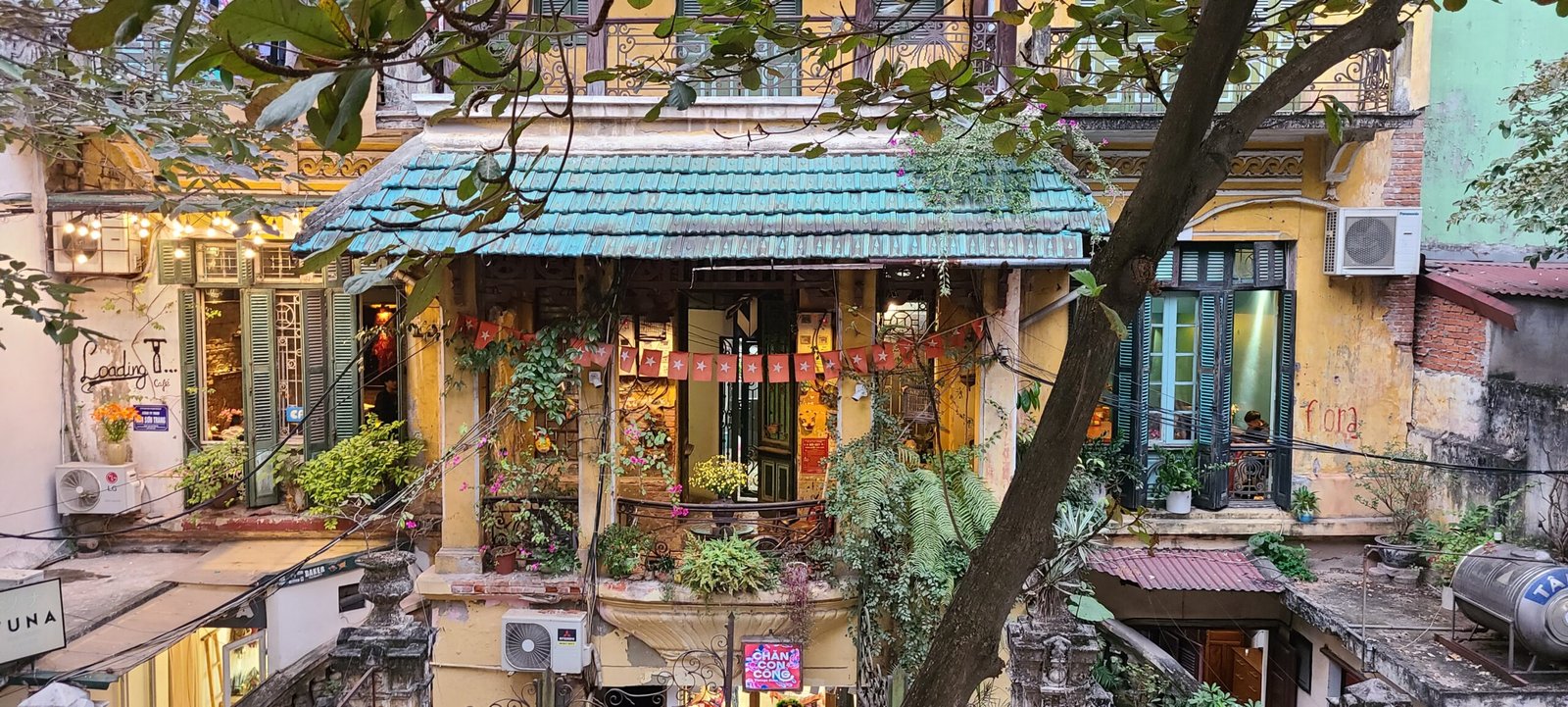
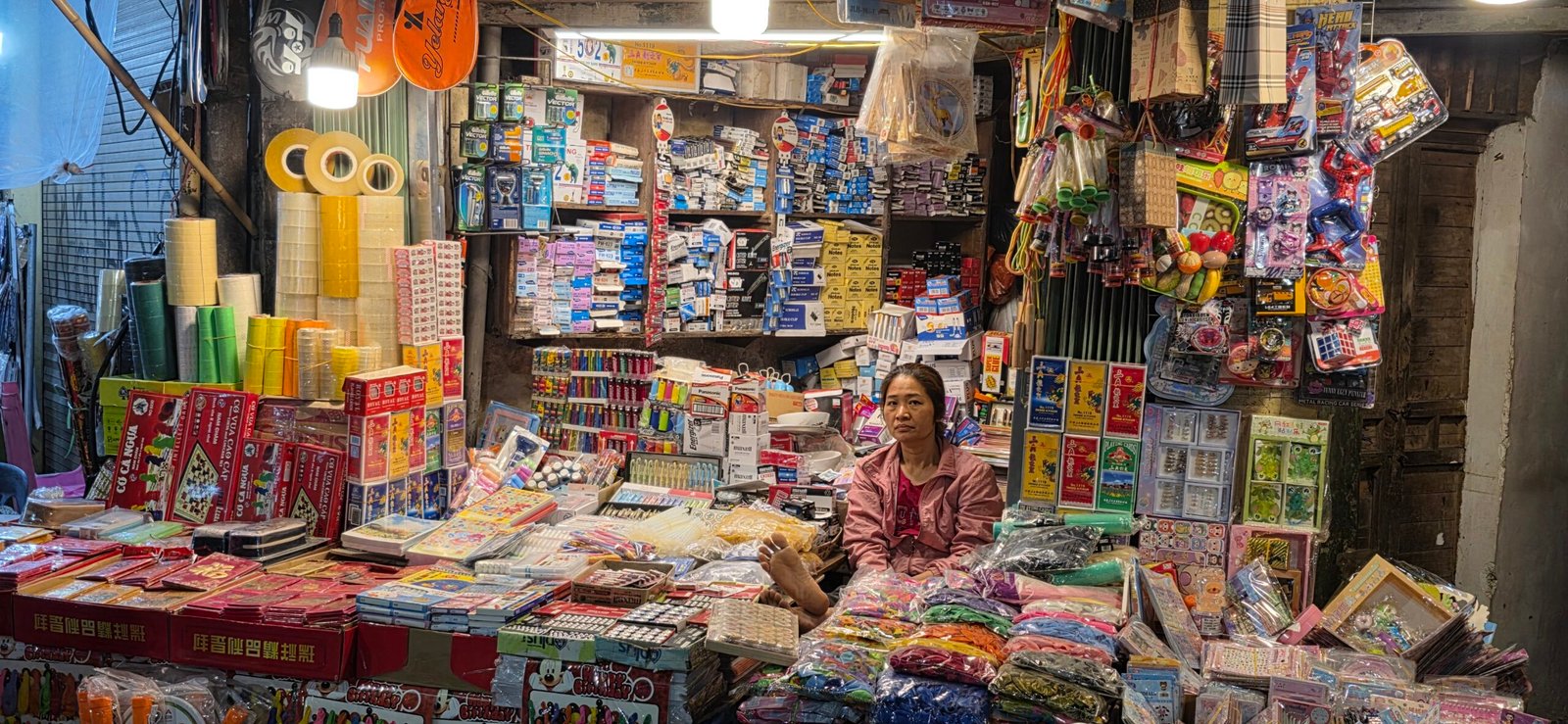
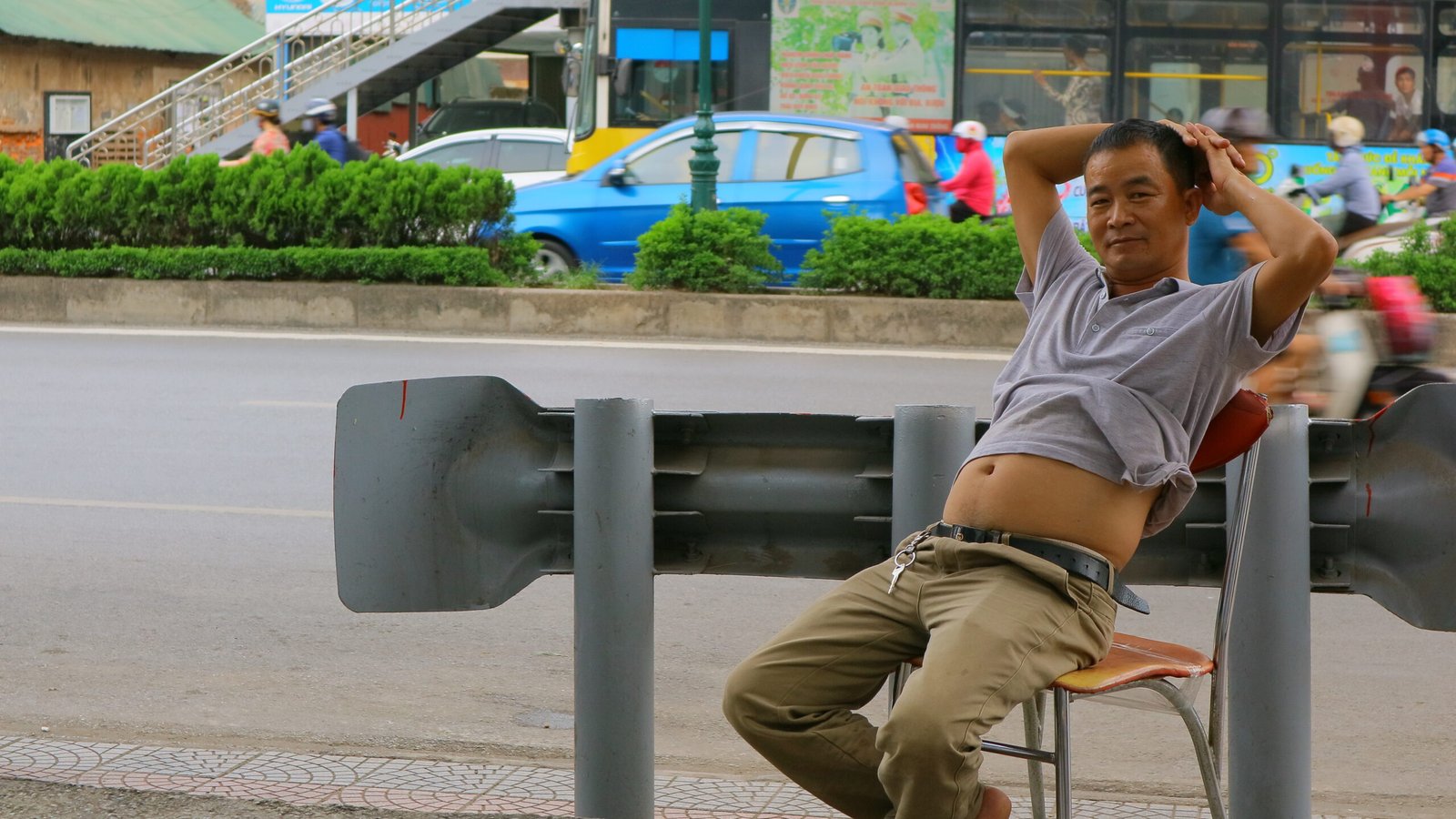
Many travellers just pass through Hanoi between Sapa, Halong Bay and Ninh Binh. But Hanoi has its own personality and a lot to see and experience, beyond the places in this article: it’s a great place to get lost and see everyday Vietnamese life, for example wandering an afternoon taking photos of whatever you come across. Spend at least one full day, and if possible 2 or 3.
What’s the weather like in Hanoi?
Hanoi can be enjoyed any time of year. It looks nicer on sunny days, but its charm comes through even on grey ones.
Each season has its own features:
- Spring (March to May): temperatures are usually warm, with a low risk of rain.
- Summer (June to August): hot and very humid, with occasional short storms that usually aren’t a big problem for tourists.
- Autumn (September to November): mild, with many warm, sunny days. There’s some risk of tropical storms, but it’s luck: you might get no rain at all.
- Winter (December to February): usually cool, some colder weeks and some milder, generally little rain.
In my opinion, spring and autumn are the best seasons to visit Hanoi.
What to do in Hanoi when it rains
If it rains, there’s still plenty to do: the Hoa Lo Prison museum, the water puppet theatre, covered markets like Dong Xuan, the cafés or massage places above, or a Vietnamese cooking class.
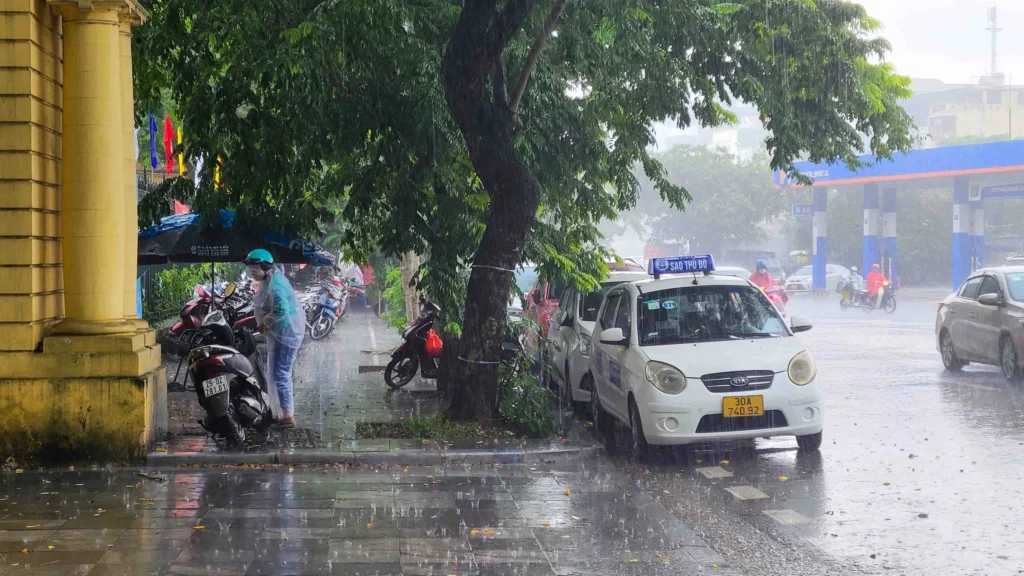
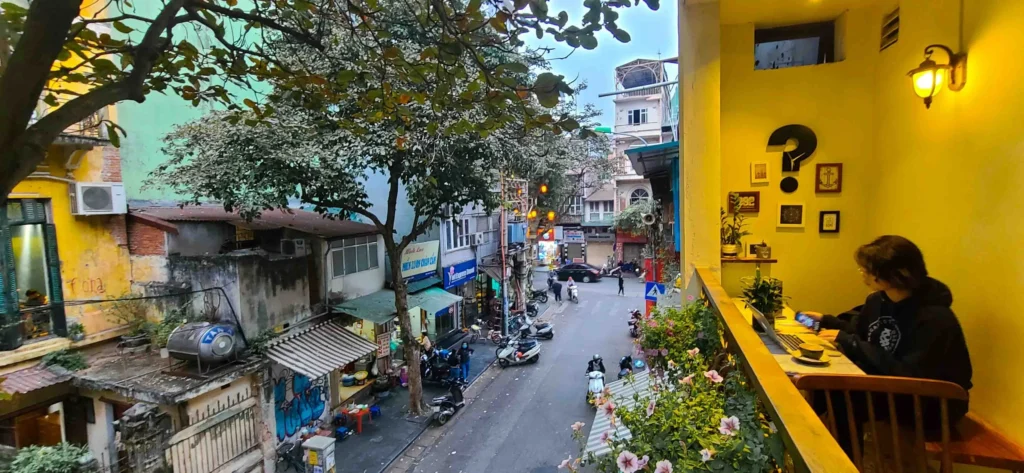
Or buy a poncho and go out with your camera. Hanoi is one of the best cities to photograph in a storm: riders wrapped in plastic, Old Quarter stalls covering their goods to keep selling. The rain gives the city a special feel, as in the photo in this section.
How to get around Hanoi

Getting around Hanoi is easy and cheap, despite the traffic. Much of the city works on foot. Further away, use the Grab app, like Uber but much cheaper than in Europe or North America, and very convenient on hot days. A greener alternative is Green SM, with electric cars and motorbikes.
👉 See the apps to download for your trip to Vietnam.
With time, there’s the bus, the cheapest option at 7,000 to 15,000 dong (about 25 to 60 cents). Google Maps shows which buses to take.
To plan leaving the capital for your next stops (Sapa, Halong, Ninh Binh), see all bus and train options in my complete guide to transport in Vietnam.
How to get from the airport to central Hanoi
From Noi Bai airport to central Hanoi, depending on budget and comfort:
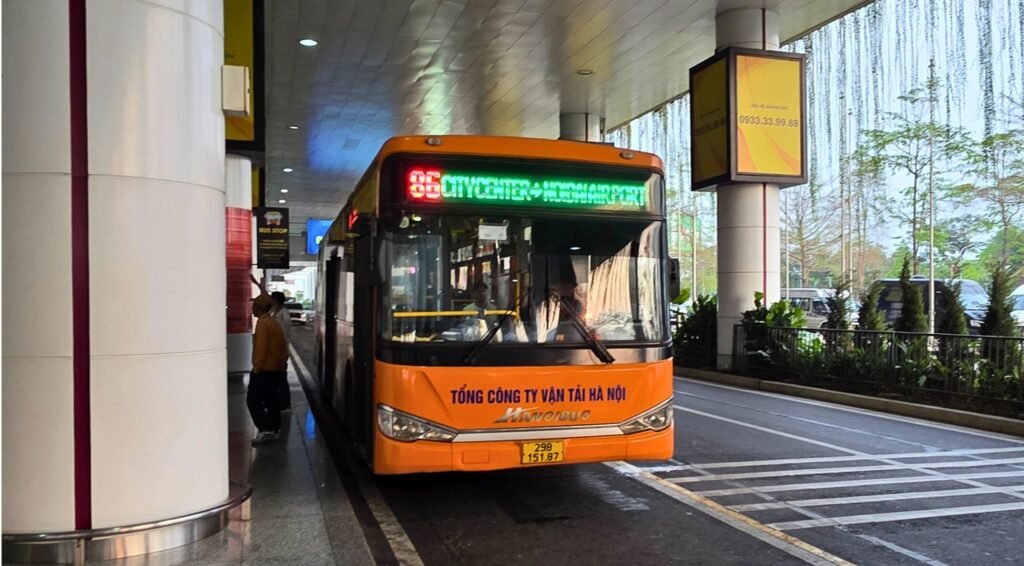
- Bus 86: the cheapest option (50,000 VND, about $2). Comfortable and safe, runs during the day.
- Ride hailing apps (Be, Green SM, Grab): a fixed price between 240,000 and 350,000 VND ($9 to $13).
- A private car booked in advance: the most comfortable option, especially if you arrive at night or with lots of luggage (from 350,000 VND / $13).
- Taxi: I don’t recommend it, for price or safety reasons.
👉 Each option in detail (updated prices, bus 86 timetable, pros and cons) in my guide: how to get from Hanoi airport to the city centre.
Is Hanoi a dangerous city?
Hanoi is a very safe city, safer than many big European cities. Violent robbery is extremely rare: in many years here I haven’t heard of a single case affecting tourists or foreign residents.
The only thing I occasionally hear about is phones or bags snatched from a passing motorbike, so hold them tightly, especially near traffic.
For scams, common sense: ask the price before buying or ordering, don’t accept «free» things on the street, and order transport through apps like Grab rather than hailing street taxis, some of which charge visitors outrageous prices.
Any extra tips?
My final advice: take it slowly and don’t try to see everything. Travelling isn’t a race. If you can, spend a day wandering with no plan, noticing the little details and taking photos of the curious things you find.
Here’s what to pack for Vietnam so you come 100% prepared.