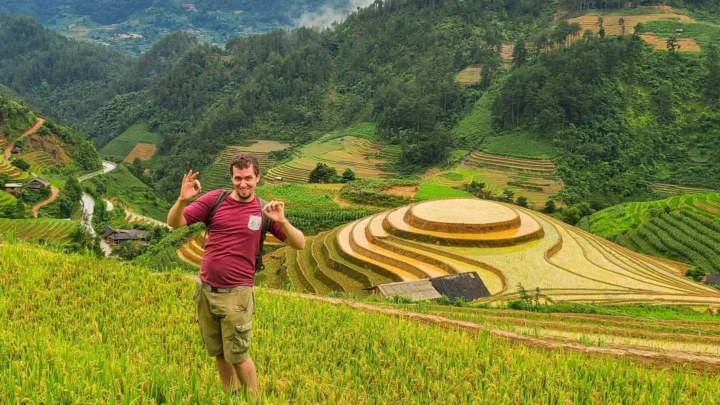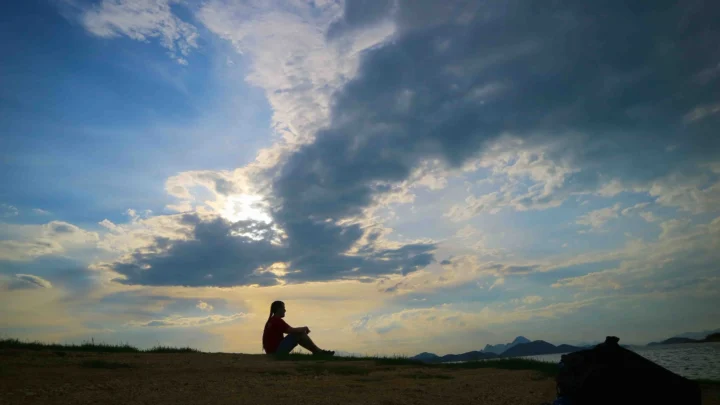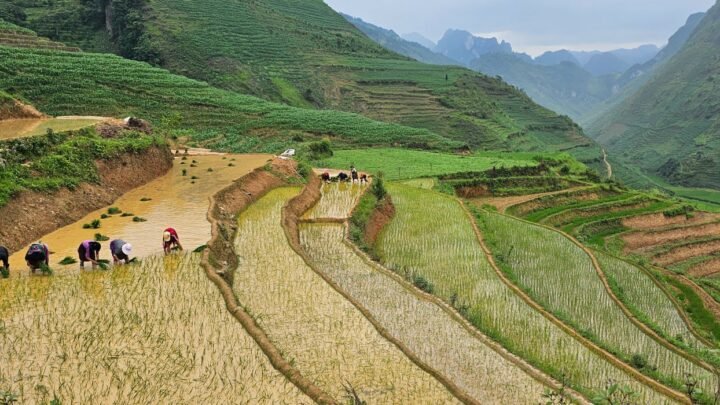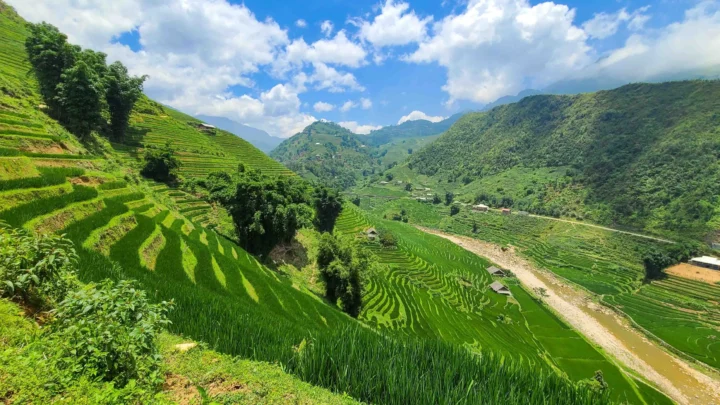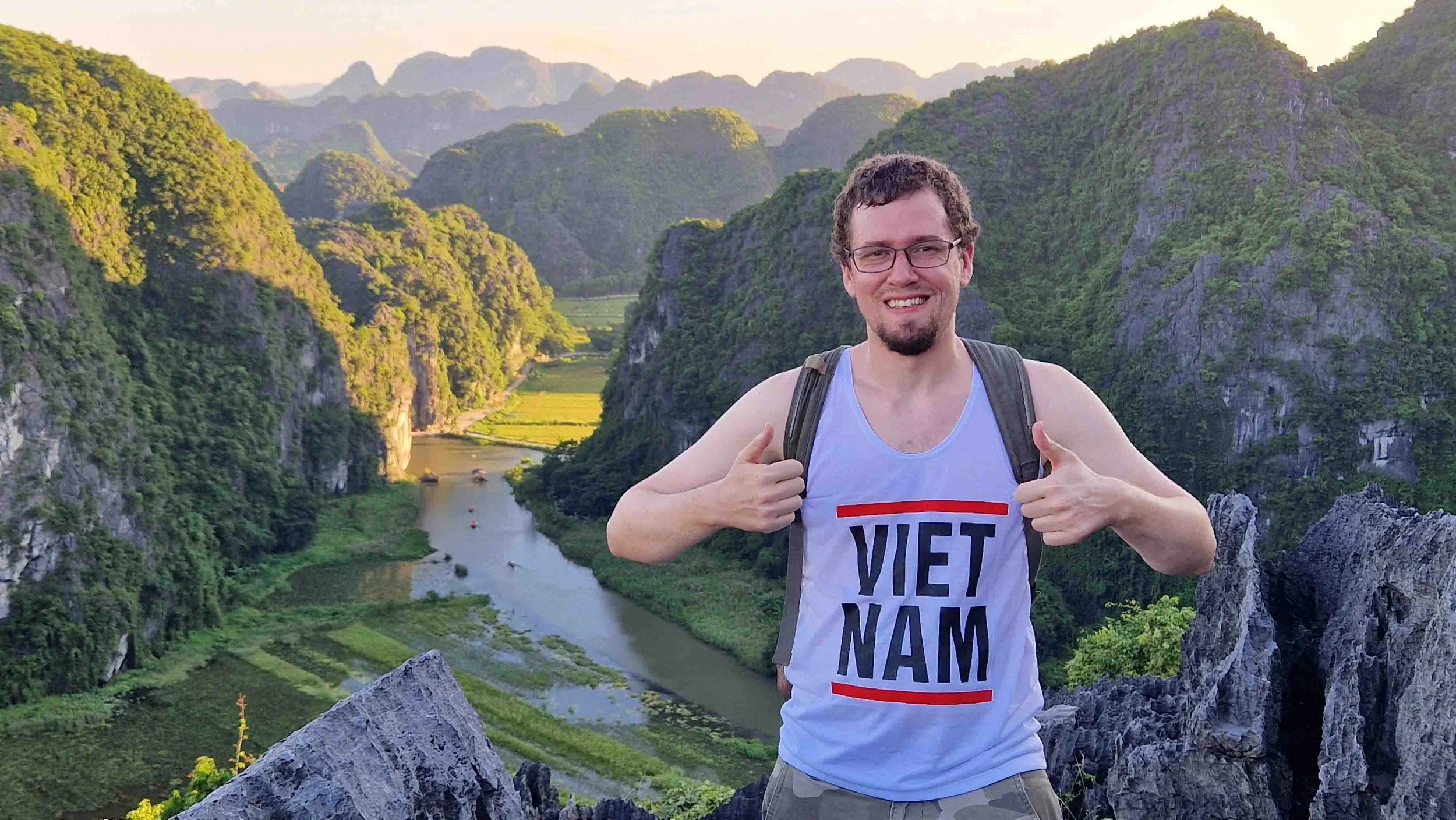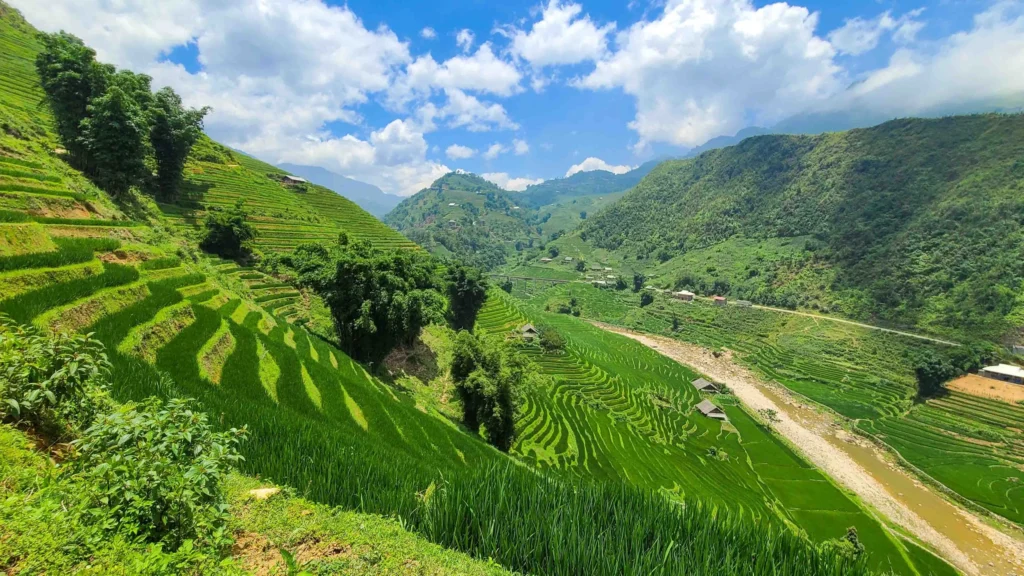
If you’re in Hanoi and want to get away from the motorbike chaos, Mai Chau is your place.
I’ve been to Mai Chau more than 10 times, and I never get tired of it. Every time I go I find something new to do or enjoy. Mai Chau is worth it for three very clear reasons: the scenery, the culture of the local ethnic groups and the food. There are also plenty of active things to do like cycling, trekking or kayaking.
You can visit Mai Chau on your own or on an organised tour from Hanoi. In this article I’ll tell you everything I’ve done in Mai Chau (and a few things I still want to do).
Let’s start!
Mai Chau: is it worth it?
If you’re in Hanoi and want to get away from the motorbike chaos, Mai Chau is an easy escape. It’s about 3 and a half hours by bus and puts you right in the world of ethnic groups and rice fields without going as far as Sapa or Ha Giang.
In my opinion, it isn’t a spectacular destination. For me, Sapa or Ha Giang are on another level, but I have to admit I like Mai Chau too and it has something addictive: rural life and a super relaxed pace.
What to do in Mai Chau
Explore local life: walk or cycle through the rice fields
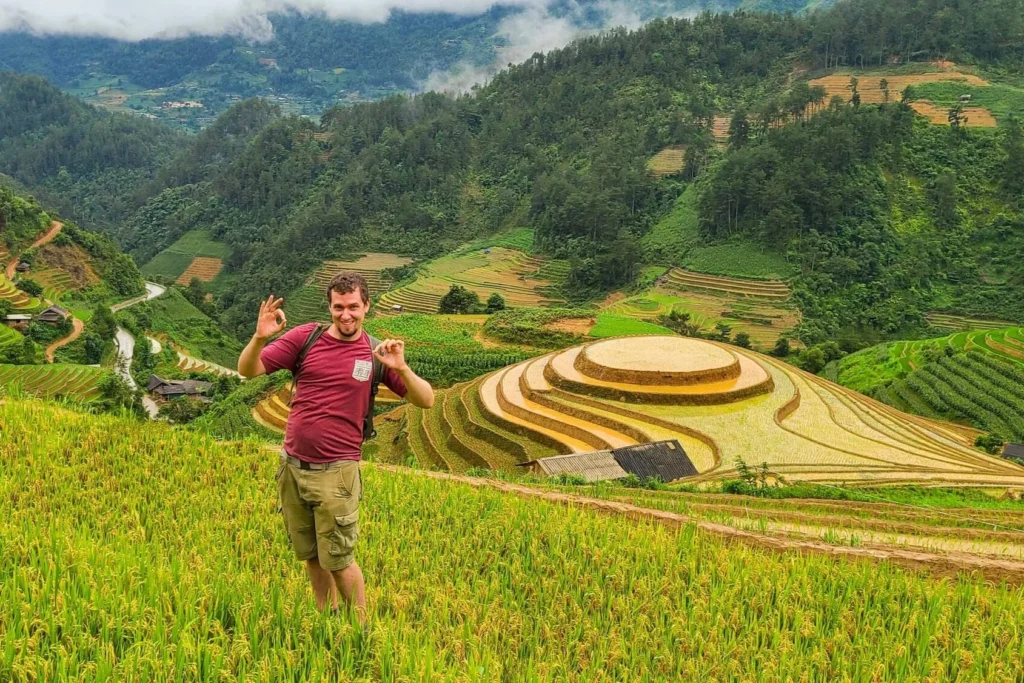
Walking or cycling along narrow paths between rice fields, especially at sunset, is one of my favourite things to do in Mai Chau.
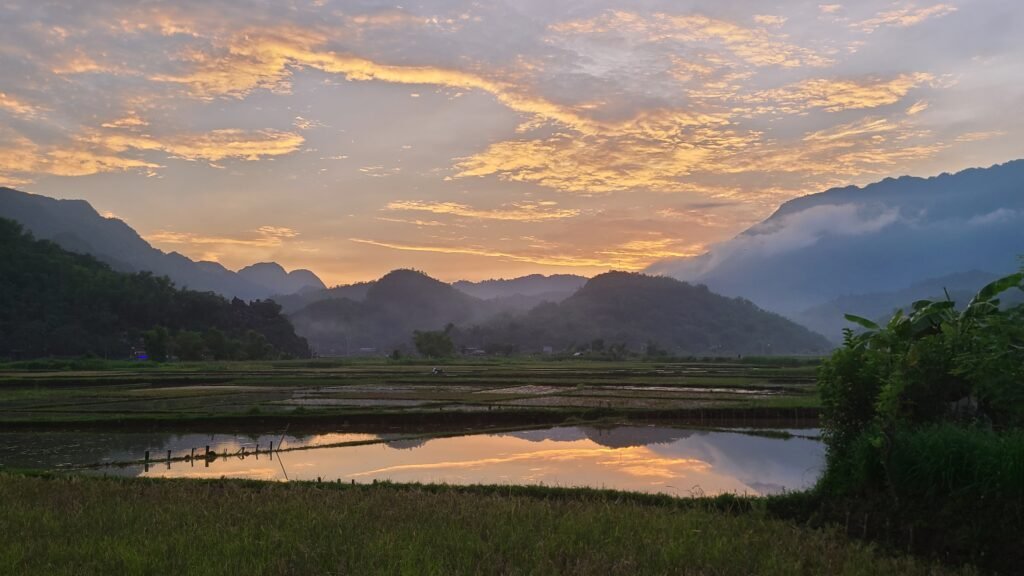
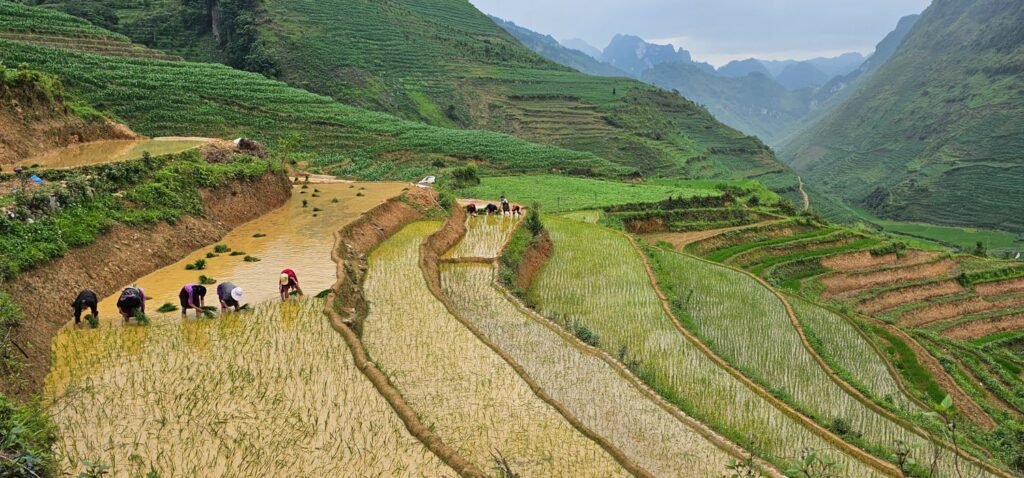
On these walks you can see local people’s daily life, which changes with the season:
- Spring: flooded fields and farmers planting rice.
- Summer: green or golden rice fields.
- Autumn: harvest time.
A simple plan, but very authentic.
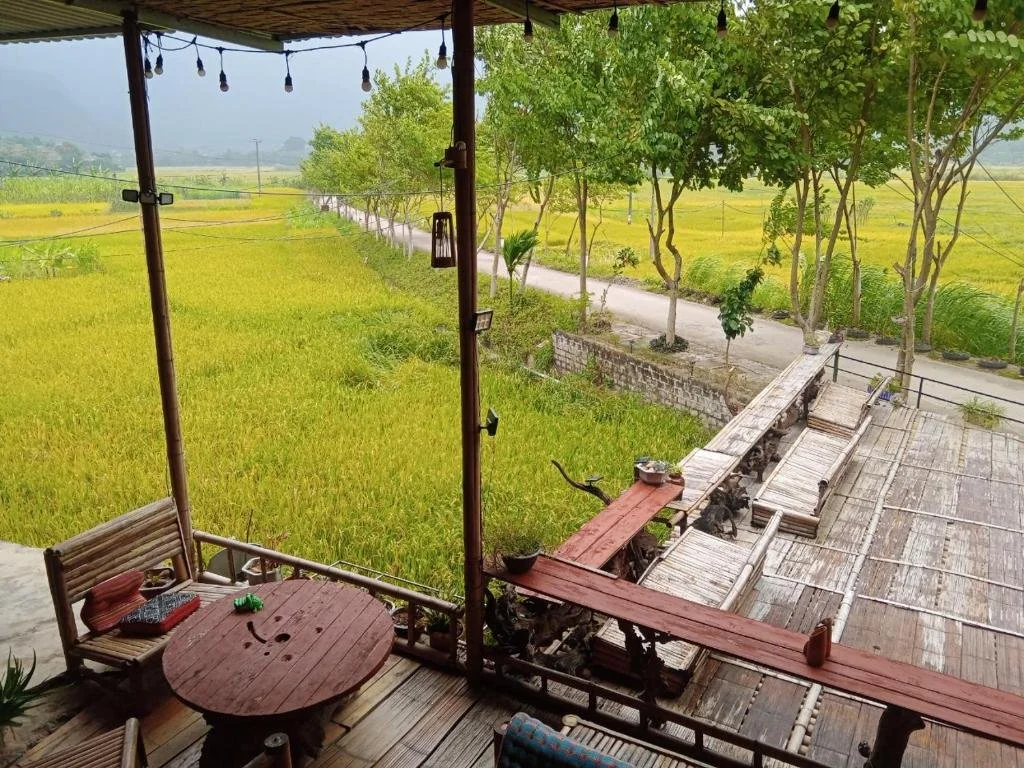
As you walk, you can stop at a little stall for a drink, a meal or even a massage. You can also visit villages like Nhot Village, with traditional stilt houses and small local craft stalls.
If you’re looking for a special place to stop for a drink, I recommend Truong Huy homestay. The White Thai couple who run it are very nice, and the view of the rice fields from their terrace is lovely.
If you decide to stay there (Booking.com link), don’t miss the chance to ask for a traditional dinner. The food is delicious.
Rainforest trekking
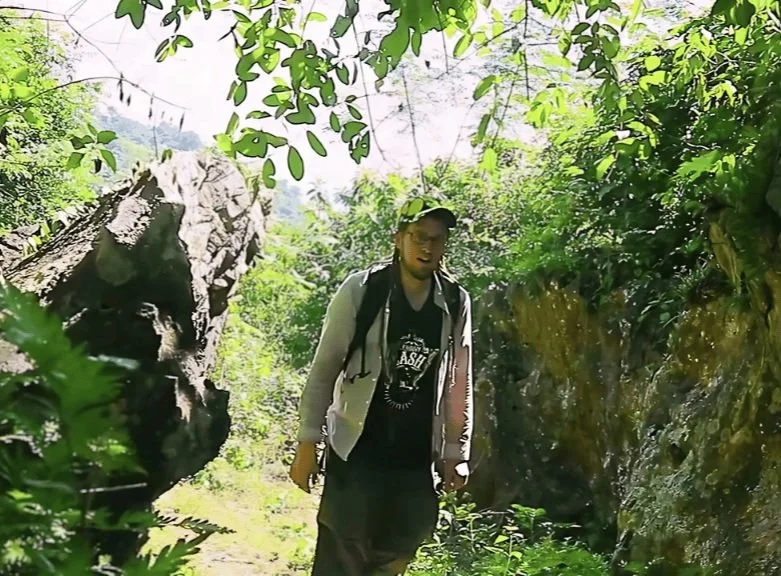
At several places to stay you can book a half or full day trek through nature.
It’s not always easy to find an English speaking guide, but you can do the route with a local person showing you the way and use a translation app without any problem. That’s what I did and it was a fun, very rewarding experience (see the video of my Mai Chau experience, in Spanish).
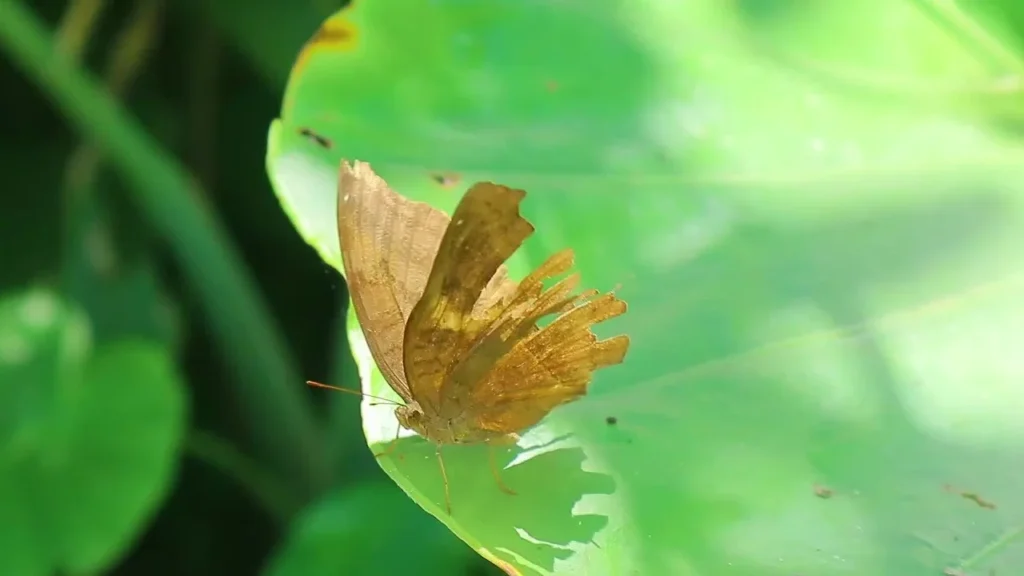
On this trek I was struck by the lush vegetation, coming across water buffalo in the middle of the path, some curious animals like a leaf butterfly, and seeing isolated farmhouses in the middle of the mountain.
I also enjoyed the kindness of the people we met along the way, working or resting.
A unique experience, full of learning.
Caves in Mai Chau: Mo Luong, Chieu and Hang Nhím
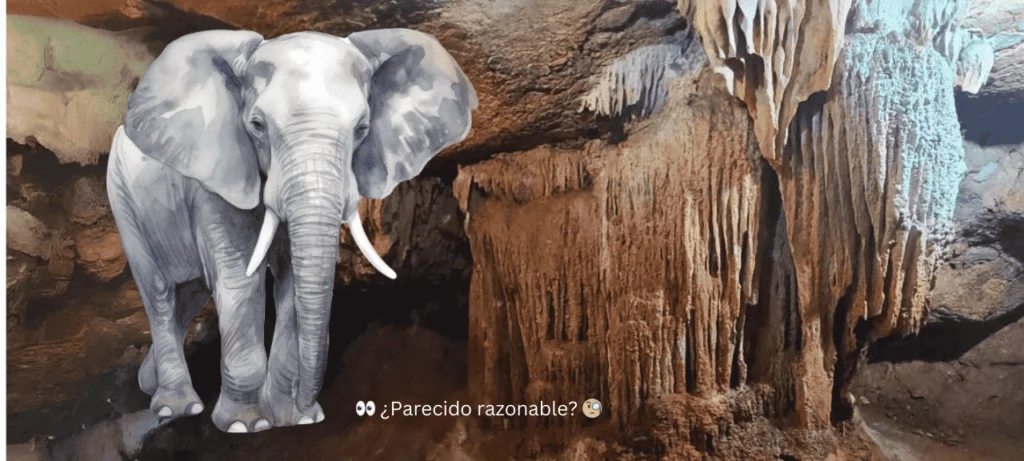
If you fancy adding something different to the rice field plan, there are several caves you can visit in Mai Chau.
Mo Luong cave: the most visited because of its central location, right opposite Mai Chau Lodge. It has 4 chambers, lots of stairs and an underground river that may be accessible depending on the water level.
Entrance: 100,000 VND (about $4).
Chieu cave
With more than 1,000 steps, the climb is demanding. The panoramic views of the valley from the top are very pretty but, to be honest, I don’t think it’s a must unless you want something more active.
Hang Nhím cave
3.5 km from the centre, and more adventurous. It’s quite a long cave, with narrow sections that need some agility. It has rocks shaped like an elephant, and others that sound like drums when you hit them. The visit is with a local guide who doesn’t speak English. If he’s not there when you arrive, you can call the number on the sign at the entrance.
Entrance: 50,000 VND / $2
Trips from Mai Chau (transport needed)
If you have a motorbike or hire a car with a driver, there are several interesting things to do around Mai Chau.
Go Lao waterfall (12 km away)

Go Lao waterfall, about 20 metres high, is an ideal place for a dip to cool off, especially in summer. The amount of water can vary depending on the time of year.
- Entrance: free
- Motorbike parking: 10,000 VND
I’ve never seen food or drink stalls nearby, so I’d bring a snack or drink if you plan to stay a while.
Kayaking on Hoa Binh lake (1 km from Go Lao)
Just 1 km from Go Lao waterfall you’ll find a floating house on Hoa Binh lake where you can rent a kayak or paddle board. A 2 person kayak costs 300,000 VND (about $12) with no time limit.
The place is well marked on Google Maps, so you won’t have trouble finding it. You leave the bike at the top and walk down some stairs between two houses to the floating platform.
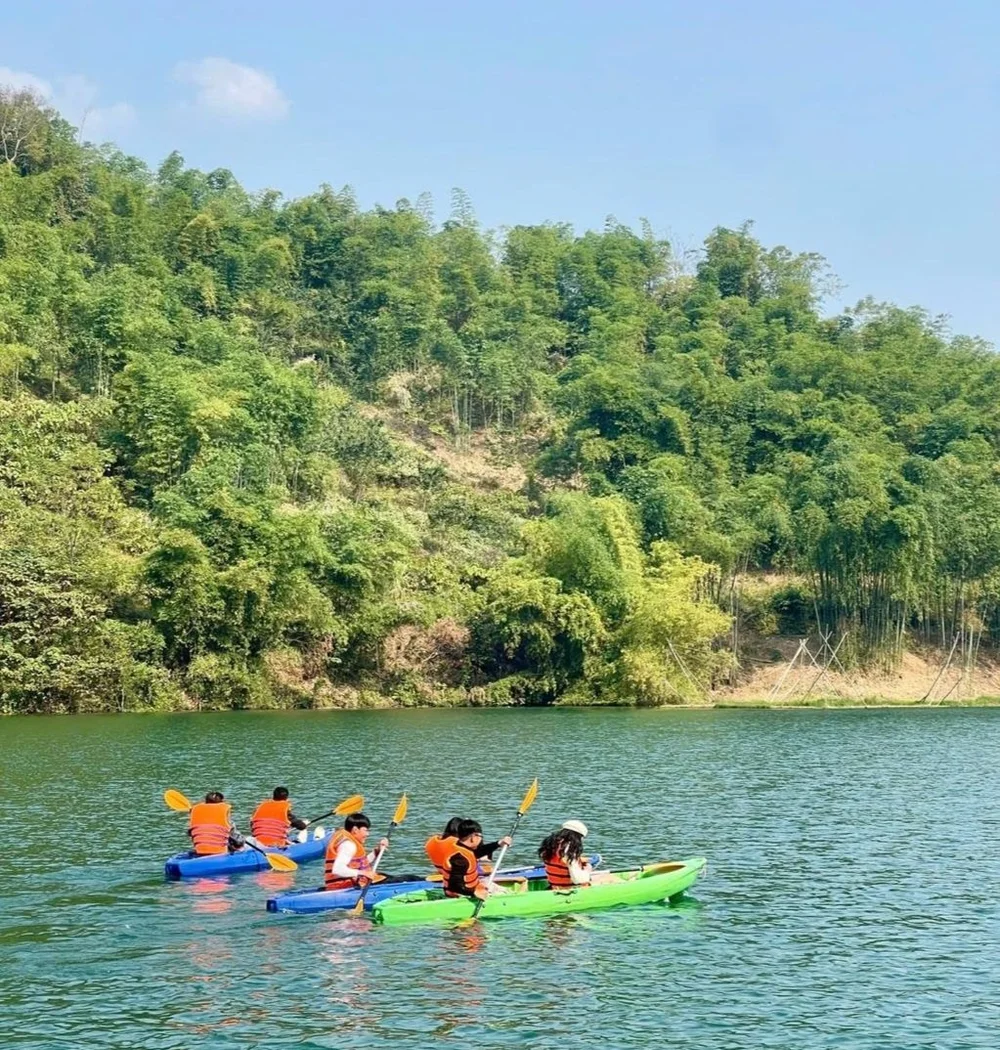
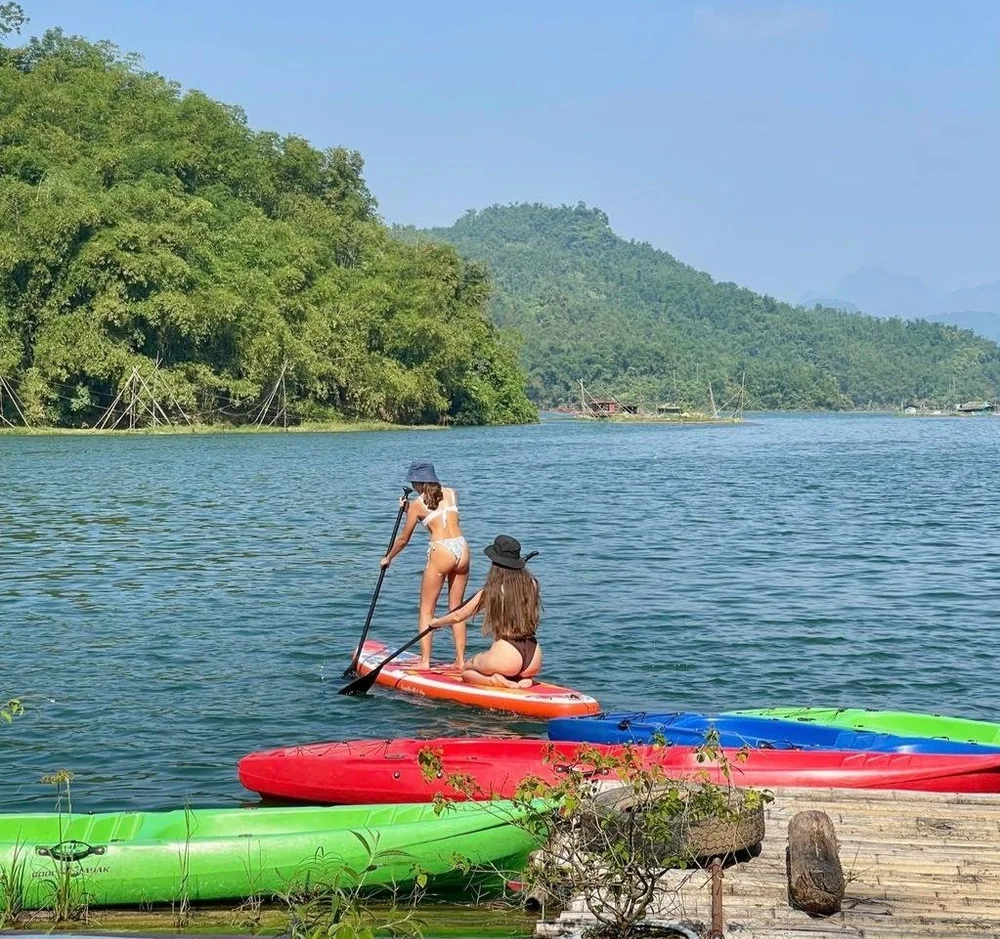
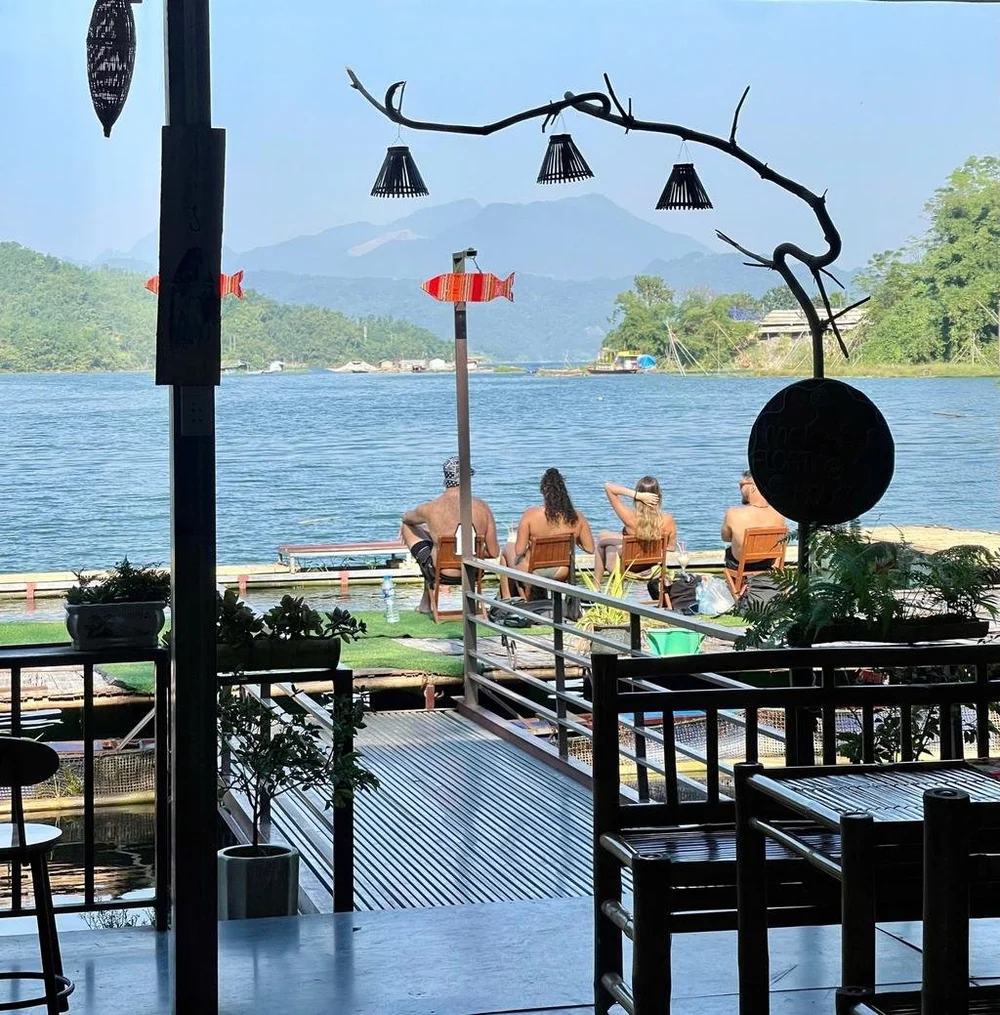
There you can not only rent a kayak, you can also stay for a tea, a smoothie or a beer with lake views. On my last visit I went paddling and, when I got back, stayed to watch the sunset with a drink in hand. A great plan.
About 20 minutes’ paddling away you can reach a small village of the Muong, one of the groups considered oldest in northern Vietnam.
Bò Ấm hot springs (12 km from the floating house)
About 25 km from central Mai Chau (and 12 km from the lake area), these hot springs are a visit I still haven’t done, but several travellers in my groups have recommended them.
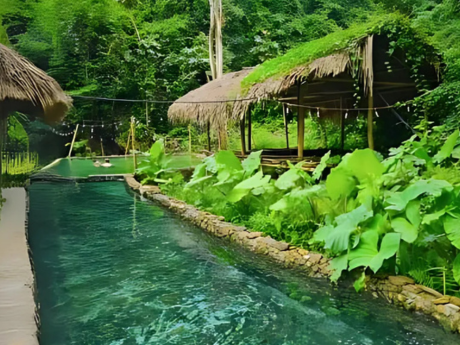
You can rent swimsuits and towels there, and they also offer simple food, like instant noodles.
- Entrance: 30,000 VND ($1.20)
- Motorbike parking: 10,000 VND ($0.40)
The road there is pleasant and the water is warm even in winter, so it can be a good plan if you want something relaxing after several days of travel.
Thung Khe mountain pass

This mountain pass is on the road connecting Mai Chau with Hanoi, and it’s worth stopping if you’re on a motorbike or in a car.
The views are very pretty and there are small stalls where you can eat something simple. On my last visit we stopped for lunch: eggs cooked on the fire and barbecued chicken, and the mix of scenery and food was spectacular.
If you’re riding, be careful. The road is in good condition, but it has tight bends and you shouldn’t get overconfident.
Pa Co market
If you’re in Mai Chau on a Sunday, it’s worth going to the local Pa Co market, about 28 km from central Mai Chau. Here, Hmong communities and other local ethnic groups sell fresh produce, ethnic clothing, crafts and animals.
It isn’t a market for tourists, but a real local trading market. To see it at its best, arrive early in the morning.
Where to stay in Mai Chau
In Mai Chau there are two types of accommodation: family homestays and more comfortable resorts. The choice depends on what you’re after: a local experience or more comfort.
Homestays (the most authentic experience)
If you want to spend time with Thai people, eat traditional food and sleep in stilt houses, this is the best option. Many are adapted to tourism, but still keep a lot of their essence.
Truong Huy Homestay has been the most memorable place I’ve stayed in Mai Chau. It’s run by a super friendly, welcoming Thai couple with good English. They have private rooms with air conditioning and private bathroom, and cheaper dorms. You can also ask for a family dinner: authentic, generous and well priced.
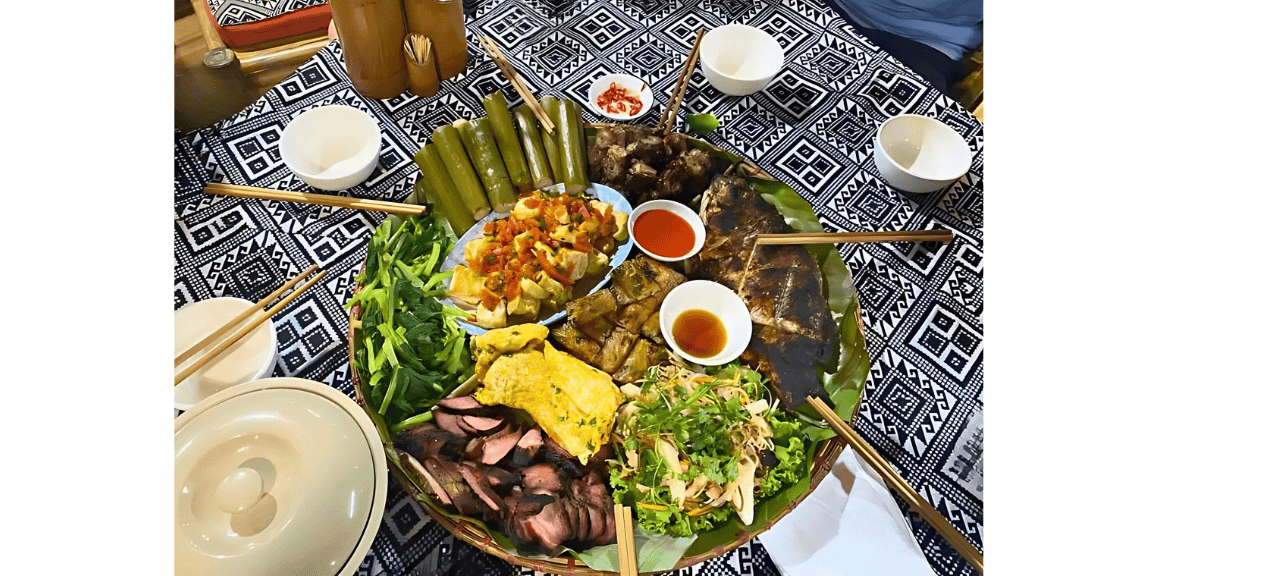
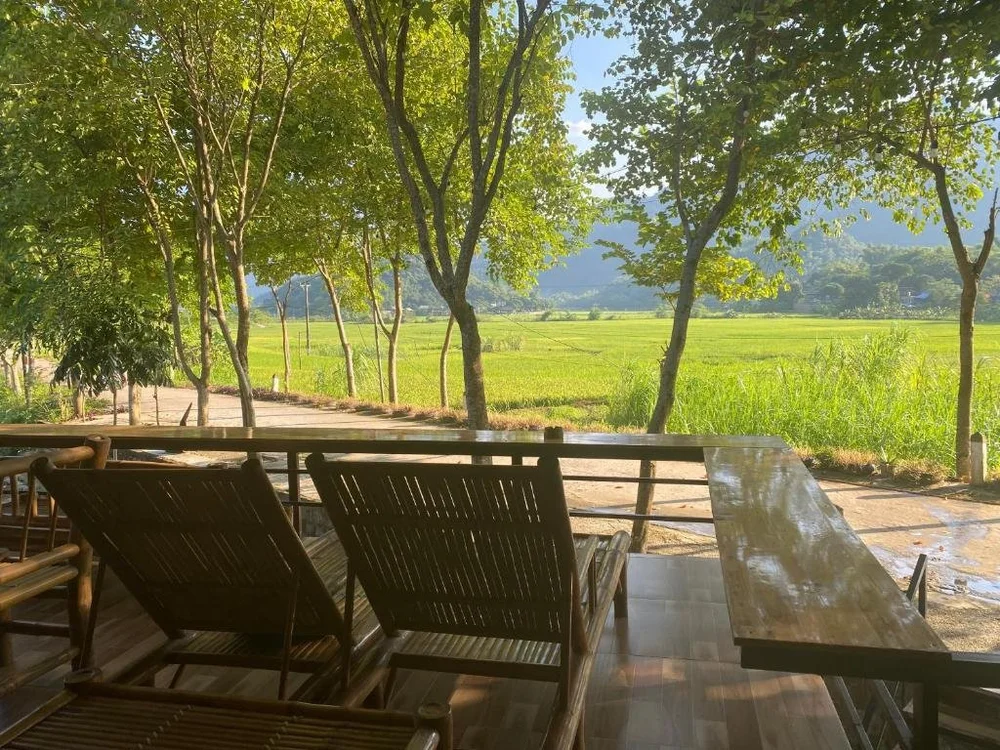
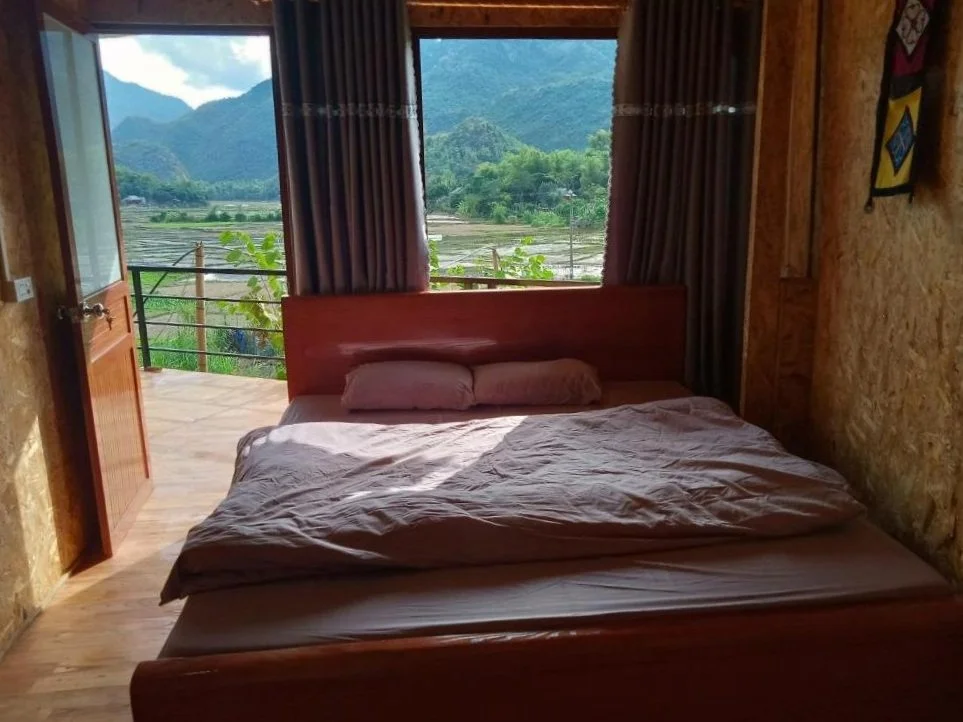
Mai Châu Home Holiday, similar to Truong Huy Homestay, has both private rooms and dorms. The family who run it are very friendly and welcoming. You can also enjoy traditional dinners with other travellers, with ingredients from their own garden. A good option if you want something simple, family run and easy.
Resorts and comfortable hotels
If you prefer more comfort and a big pool, two places stand out in Mai Chau.
I celebrated my birthday at Mai Chau Mountain View resort, and the experience was very good. Nicely decorated private rooms and bungalows surrounded by nature, a big pool and a quiet atmosphere. It’s a bit out of the centre, which for me is a plus. Free bikes for guests too.

Mai Chau Ecolodge
Mai Chau Ecolodge is probably the most upmarket hotel in the area. The rooms are beautiful inside and keep a traditional look outside. The rice field views, the pool and the breakfast make it one of the most special places to stay in Mai Chau. For me, it’s the best option if you want something more romantic or for a special occasion.

Tip to avoid the crowds
If you can, visit Mai Chau on weekdays and avoid weekends. On Saturdays and Sundays groups sometimes arrive from Hanoi and it can get noisier. On weekdays there’s also more availability and sometimes better prices.
Culture in Mai Chau: the local ethnic groups

Mai Chau is mainly home to the Thai, one of the largest ethnic minorities in Vietnam, with a population of 1.8 million, mostly in the northwest of the country.
The Thai of Mai Chau belong to the White Thai subgroup, recognisable by their traditional white shirt with decorative embroidery. They’re known for their hospitality and traditional dances. Although they share ancestral roots and some linguistic similarities with people from Thailand, today they’re very different cultures.
What is Thai life like in Mai Chau?
In daily life, the Thai of Mai Chau don’t usually wear their traditional dress. They normally keep it for celebrations, dances or cultural events. In that sense, it’s a bit like how the majority Vietnamese wear the áo dài on occasions like Lunar New Year.
However, local communities keep many of their traditions:
- They speak their own language as well as Vietnamese.
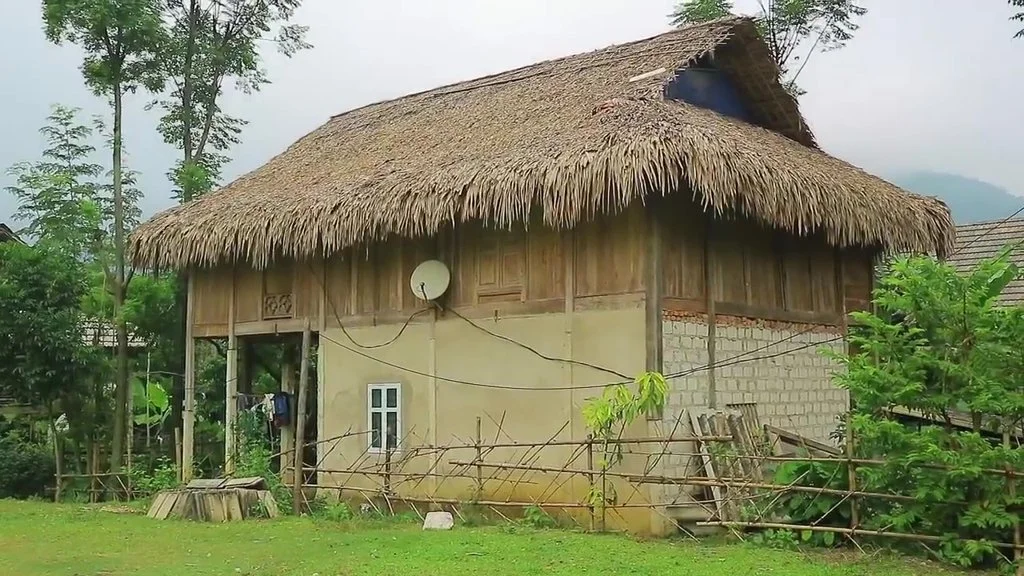
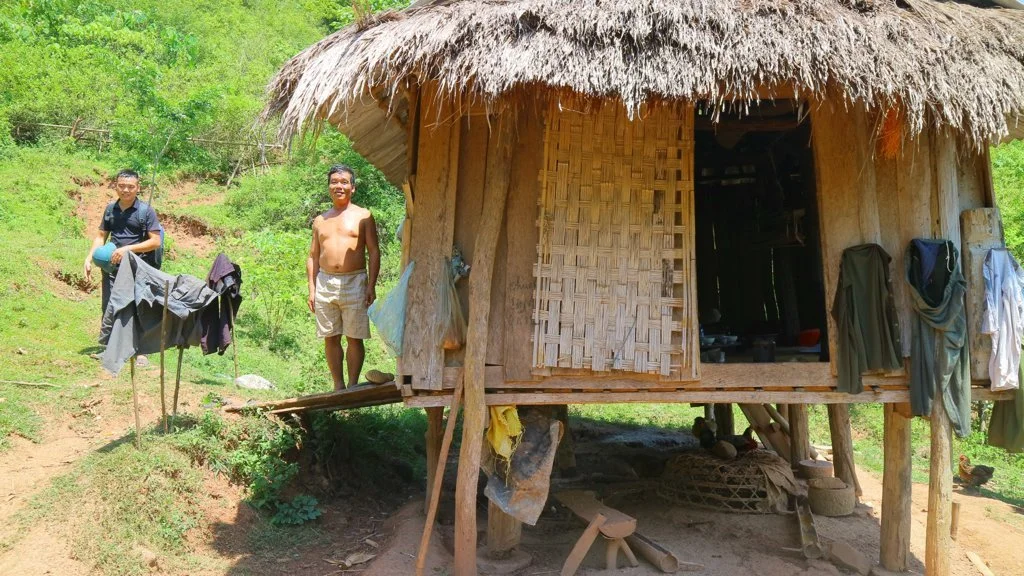
- They live in wooden stilt houses.
- They keep their traditional music and dances.
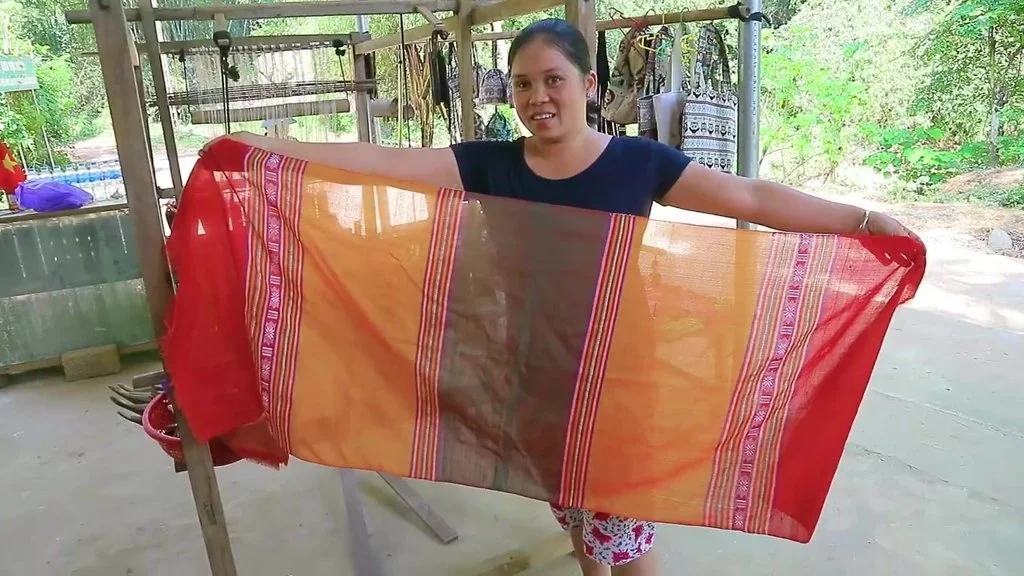
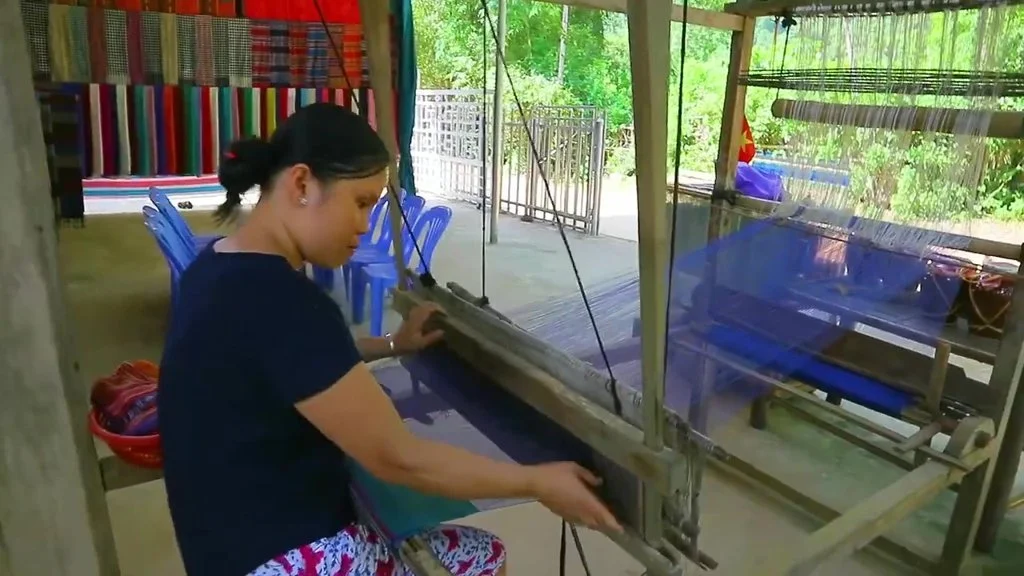
- They make clothes and crafts by hand.
If you stay in a homestay, especially the more family run ones, you’ll have more contact with this cultural side.
Comparison: Mai Chau vs Sapa
Many people consider Mai Chau as a closer, less crowded alternative to Sapa. However, they’re different destinations, and it’s worth knowing what to expect from each before deciding.
- Distance: Mai Chau is closer, only 140 km from Hanoi (about 3 hours), while Sapa is over 300 km away (about 5 hours). However, the roads to Sapa are wider and more modern, which partly makes up for the distance.
- Crowds: Mai Chau gets fewer tourists on average, but at weekends the atmosphere can change quite a lot, with more visitors and occasionally big group events and karaoke. In Sapa, the town is crowded, but outside it, in the valley, the experience is much calmer and more authentic.
- Scenery: Sapa has more vertical, spectacular scenery, with impressive rice terraces, while Mai Chau is flatter, more open and visually softer.
- Cultural experience: in Sapa, local ethnic groups wear traditional dress every day, and experiences with local guides are usually very personal, with family dinners, trekking and homestays (you feel like you’re at friends’ house). In Mai Chau, traditional dress is more common at shows or special days, and staying in a homestay usually feels more like tourist accommodation than real shared life.
📌 Article: Sapa, complete guide | What to see and what NOT to
| Comparison | Mai Chau | Sapa |
|---|---|---|
| Distance from Hanoi | 140 km ~3 h | 300+ km ~5 h |
| Access | Narrow, winding roads | Mostly motorway more comfortable |
| If you’re short on time | ✅ Best option ideal for a weekend | Less practical if time is tight |
| Crowds | Fewer tourists but busier at weekends | Crowded town quieter valley |
| Scenery | Soft and open | More spectacular terraced rice fields |
| Cultural experience | More touristy less personal homestays | More authentic local guides and shared life |
| Traditional dress | At shows or special days | Common in daily life |
| Who is it for? | An easy, quiet getaway | Top scenery and a more intense experience |
Practical tips: when to go, how to get there and how many days
Best time to visit Mai Chau
You can visit Mai Chau all year round, but the experience changes a lot with the season.

- Spring (March to May) Pleasant weather. Fields are flooded, with buffalo and farmers at work. As the season goes on, the rice fields turn a very intense green.
- Summer (June to August) Intense heat and possible short storms. The rice fields are green at first and golden towards the end of summer.
- Autumn (September to November) Cool, pleasant weather. Harvest season, with a special atmosphere even when the rice stubble is burnt.
- Winter (December to February) Cold, especially at night. The fields are usually empty after the harvest. Not the prettiest time, but very quiet.
If I had to choose, I’d say spring, summer and early autumn are the best times.
How many days to spend in Mai Chau?
The recommended minimum is 2 days and 1 night. That lets you:
- Explore the rice fields.
- Visit a cave or do a trek.
- Try traditional food.
- Do at least one nearby trip, like the Go Lao waterfall.
If you can stay 3 or 4 days, the experience changes a lot. You’ll have time to immerse yourself in rural life, enjoy the surroundings and, if you ride a motorbike or hire a car with a driver, visit most of the recommended places around Mai Chau.
Is a day trip from Hanoi worth it?
Honestly, for me it would be quite a tiring plan. Mai Chau is about 3 to 3.5 hours by road from Hanoi, so on a day tour you can easily spend 6 or even 7 hours in the vehicle. That’s practically half the day.
Yes, you’ll see rice fields, walk a bit or cycle through a village and try local food. But I’m almost sure the experience will feel too short for the effort. Mai Chau is a place to enjoy without rushing, with time to walk at sunset or have a relaxed dinner without time limits.
My recommendation is to stay one or two nights. If you only have one free day and really want to go, an organised trip can be a reasonable option. In that case, I’d choose this GetYourGuide tour.
How to get to Mai Chau
From Hanoi you can go by bus or minivan. The journey takes about 3 to 3.5 hours.
I recommend booking on platforms like Baolau. You can also book through your accommodation in Hanoi, but I personally prefer to book myself because:
- You can choose the time.
- You see real reviews.
- If there’s a problem, it’s easier to sort out.
You can also get there from Ninh Binh.
How to get around Mai Chau

Within the valley, walking or cycling is best. Many places to stay offer free bikes or bikes for a small fee.
If you want to visit the surroundings (Go Lao, Hoa Binh lake…), the most practical thing is to rent a motorbike.
- Price: 120,000 to 150,000 VND a day ($5 to $6)
Grab and similar apps don’t work here, so if you need a car with a driver you’ll have to arrange it through your accommodation.
Is Mai Chau worth visiting?
Mai Chau isn’t the most spectacular destination in northern Vietnam, but it’s one of the most pleasant. If you’re looking for rice fields, peace and an easy getaway from Hanoi, it’s hard for it to disappoint. Sometimes you don’t need to go far to really switch off.

Still have questions about Mai Chau?
If something isn’t clear or you want to know whether it really fits your route, leave it in the comments and I’ll be happy to help.
I’ve also just started a WhatsApp group in English: it’s small for now, but you’re very welcome to join and ask anything.