
Ho Chi Minh City is a lively city always on the move, mixing modernity and history. I always want to go back, although some things are worth it and others, in my opinion, are better skipped.
From my experience: what to visit, what to skip and how to make the most of your visit.
Let’s start!
Ho Chi Minh City: history, culture and first impressions
With about 9.5 million people, Ho Chi Minh City is Vietnam’s largest city. It’s in the south, a perfect stop before heading to Cambodia or the Mekong Delta.
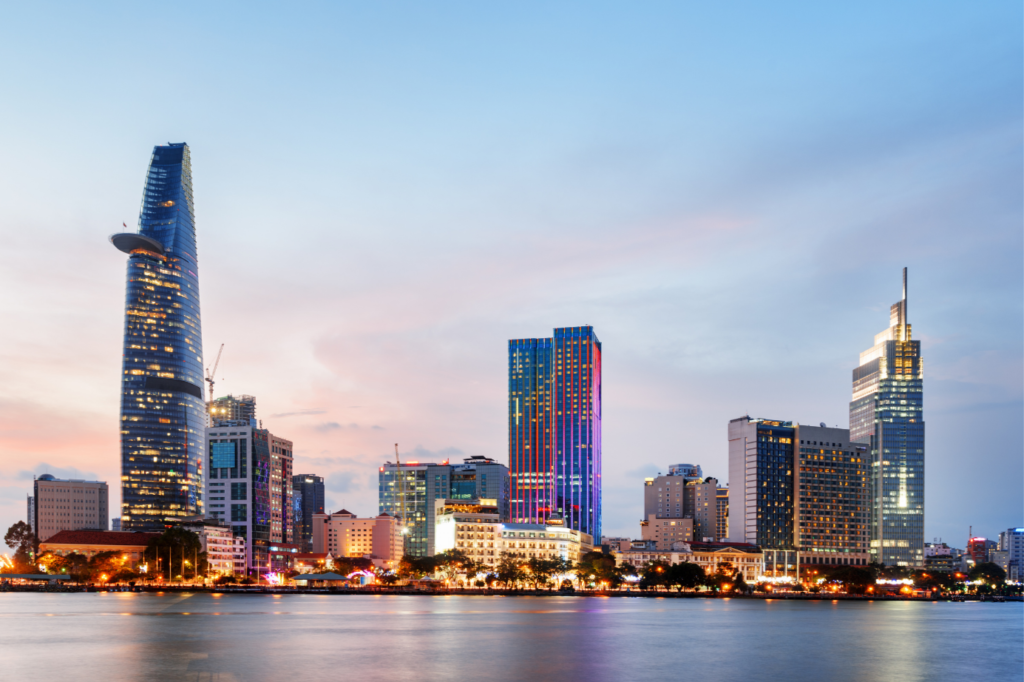
Formerly Saigon, it was renamed Ho Chi Minh City after the Vietnam War, after the revolutionary leader who led and inspired the country against French occupation and then the US. It was here that the conflict officially ended, and where some of its most important battles were fought. That makes it a key place to understand Vietnam’s recent history
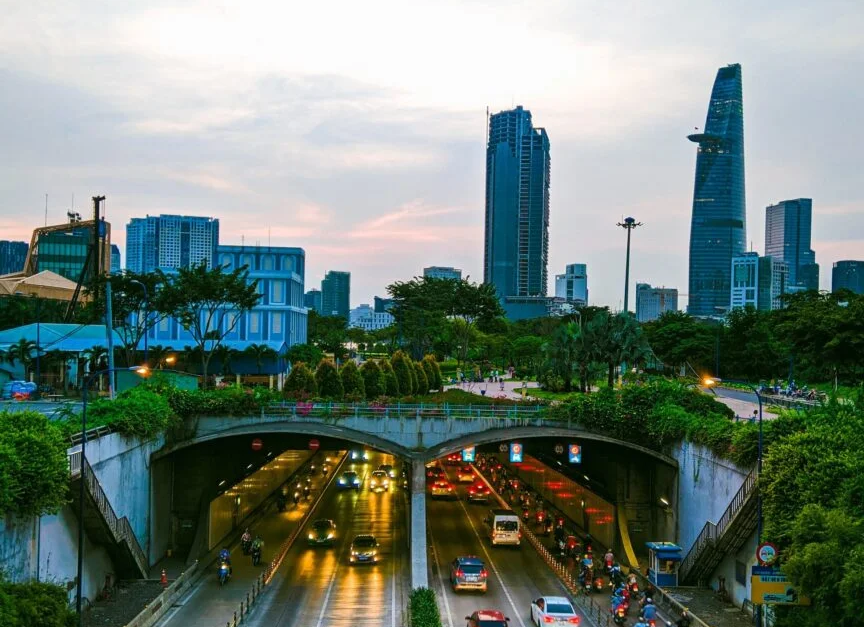
It’s also a city with a rich cultural life: unique temples from different religious traditions, some of Vietnam’s best museums and food famous all over the country.
Interestingly, there’s a stereotype in Vietnam that people from Ho Chi Minh City are friendlier, more liberal and open minded than those from the centre and north. So many of us who live in Vietnam see the city as having a daring, even slightly rebellious air, compared with the more traditional, conservative northern cities.
With all that in mind, the big question: what’s really worth seeing in Ho Chi Minh City.
The War Remnants Museum: a must
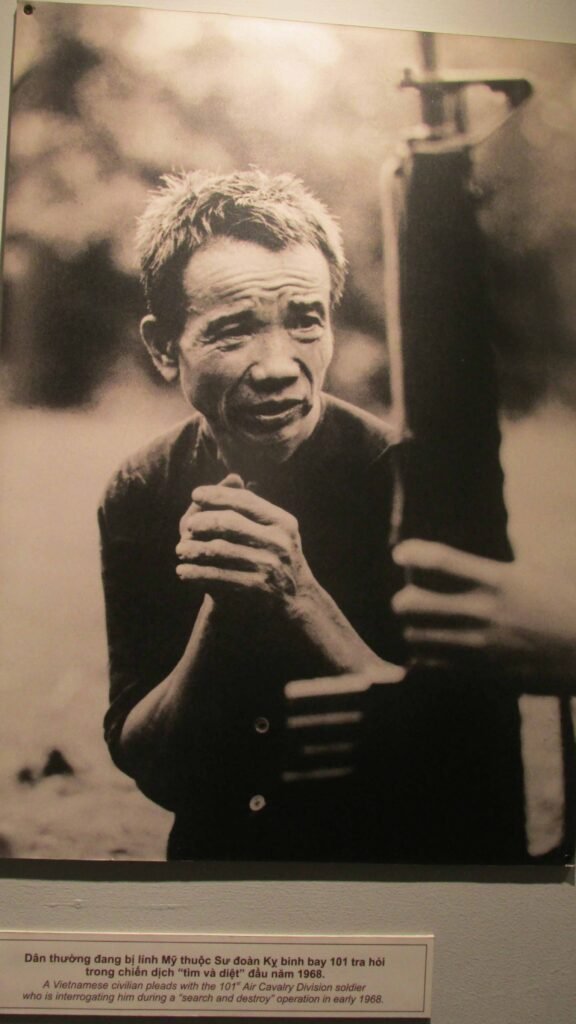
The War Remnants Museum is, without doubt, the best museum I’ve visited in Vietnam: a photographic museum showing scenes of the Vietnam War, its consequences and the repair afterwards.
It’s tough and shakes you inside, but that’s exactly why it’s so powerful. You’ll learn things you probably didn’t know, it makes you think and, above all, it won’t leave you indifferent.
Practical information
- Price: 60,000 VND (about $2.30)
- Recommended time: 1.5 to 2 h
- Warning: not recommended for children.
- Opening hours: 7:30 to 17:30 (ideal in the morning, combined with the Cu Chi tunnels afterwards).
- My rating: a must.
Day trips from Ho Chi Minh City: which are worth it (and which aren’t)
The two most popular trips, in every blog and YouTube video, are the Cu Chi tunnels and the Mekong Delta day tour. Many travellers book both without much thought, but they’re very different and, in my opinion, one is clearly worth it and the other not so much.
The Cu Chi tunnels: how to stand up to a superpower
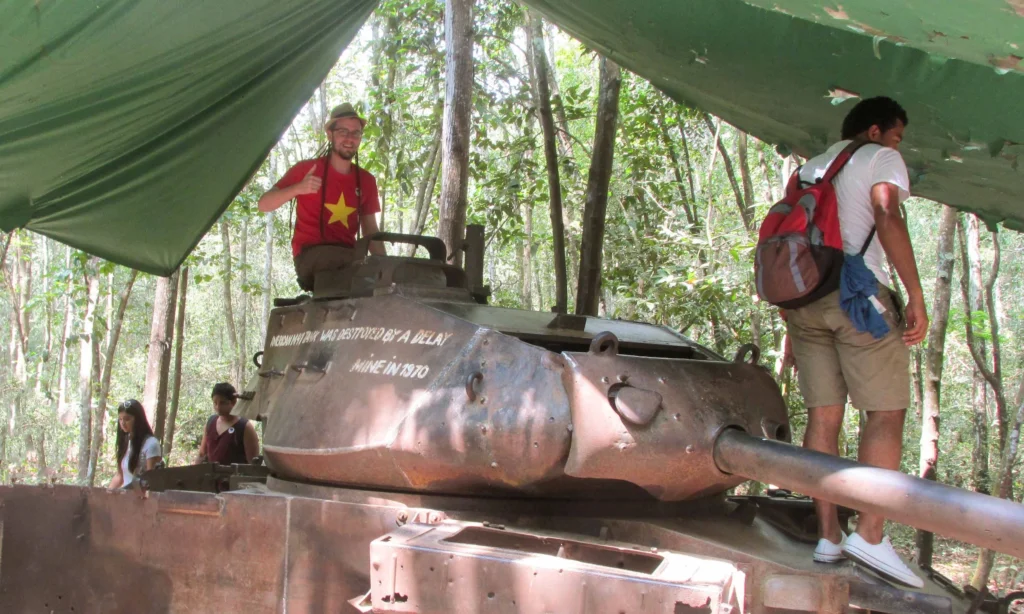
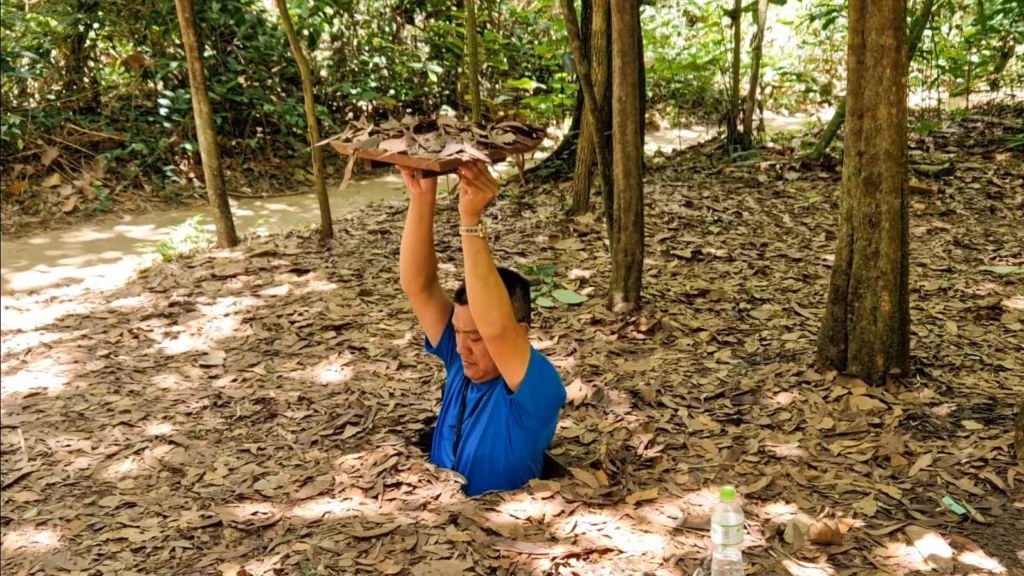
The Cu Chi tunnels tour is one of the most memorable trips from Ho Chi Minh City. It’s not about listening to boring historical facts, but about discovering and experiencing things you can’t understand by reading a website.
What techniques did the Vietnamese use to stay invisible in the jungle? What kind of traps did they set to wound US soldiers’ bodies and morale? Here you’ll learn and experience first hand the guerrilla tactics used against the powerful US army.
It’s an interactive, far from boring and quite cheap visit, about $17 on average, including transport, entry and an English speaking guide. I’ve done it three times with different agencies, and the experience is very similar whichever you choose. Last time I booked this tour, because it was the cheapest and has very good reviews.
Practical information
- Tour price: 400,000 VND ($15) to 600,000 VND ($23)
- Duration: about 6 h (starting at 8:00 or 12:30)
- Warning: you’ll have the option to crawl through tunnels or squeeze into narrow hideouts. It’s optional, and you can enjoy the visit without doing it.
- My rating: very much worth it.
If you can only do one trip from Ho Chi Minh City, I’d pick the Cu Chi tunnels.
The typical Mekong Delta day tour: is it worth it?
This tour is a classic in Ho Chi Minh City, but that doesn’t mean it’s really worth it.
The best parts are the pagoda with a huge Buddha statue, and the fact that besides the bus it includes different kinds of transport: a boat, a cart pulled by a Vietnamese horse and a short rowing boat ride along a canal. The rest was mostly tasting samples of local products and a music show for tourists.
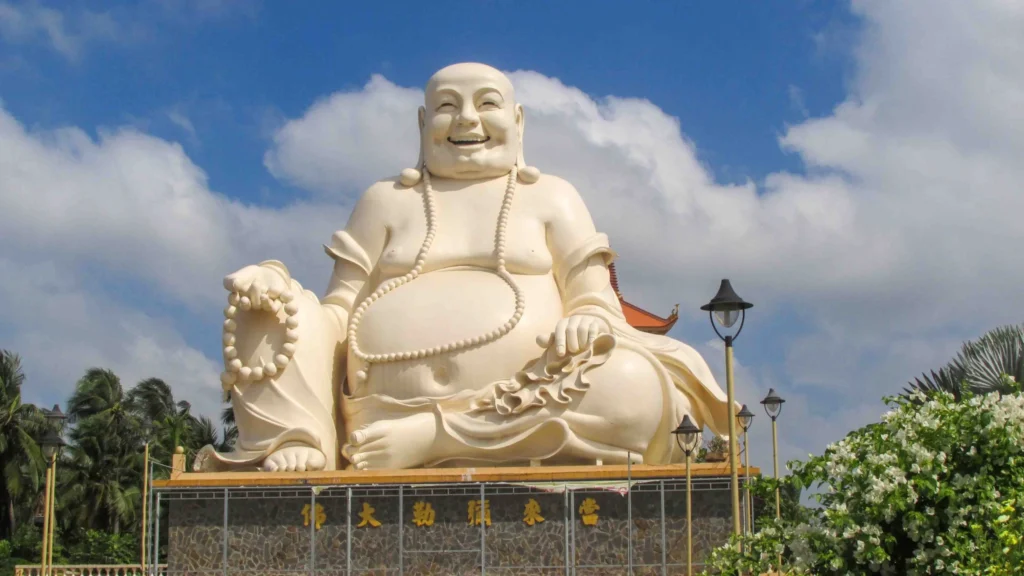
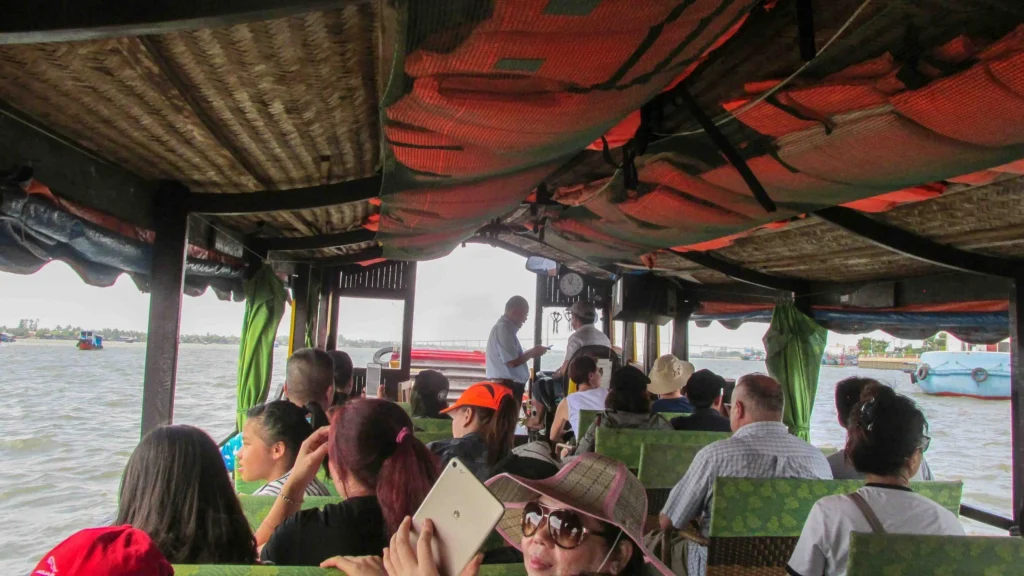
In my opinion it’s not authentic and doesn’t reflect the real life of people in the Mekong Delta. Still, I know people who found it a fun trip, so you might be surprised. If you’re interested, have a look at this Mekong Delta tour with transport, tickets and lunch included.
Practical information
- Price: 450,000 VND (about $17)
- Duration: about 10 hours (starting at 8am)
- My rating: not very authentic, but fine if you have time and fancy it
Want to see the Mekong Delta authentically?
For a more real experience, visit the delta from Can Tho rather than on a day tour from Ho Chi Minh City. From there you can explore floating markets, canals and rural areas in a much calmer, more authentic way.
Bear in mind Can Tho is several hours by road from Ho Chi Minh City, so it makes sense if you have more time and plan to spend at least one night in the delta. If you go and want a local guide, I recommend Thanh Do, who guides in English and Spanish.
👉 Contact Thanh Do on WhatsApp: local guide in the Mekong Delta from Can Tho
Monuments and historic places in Ho Chi Minh City
Ho Chi Minh City mixes modern skyscrapers with colonial buildings and places full of history. These are the ones I think are worth visiting.
Notre Dame Cathedral and the Post Office: colonial architecture
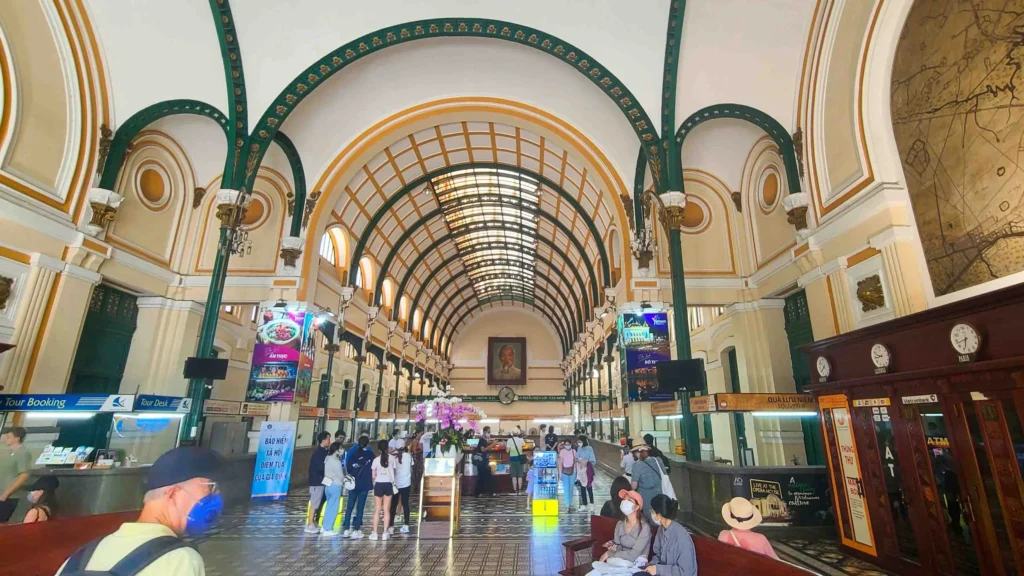
Notre Dame Cathedral and the Central Post Office are two iconic French era buildings, side by side and easy to see on the same walk. Inside the post office there are historic maps, a big portrait of Ho Chi Minh and a couple of souvenir shops (with cheap postcards). The cathedral has been under renovation for a while. If you visit, tell us in the comments whether it’s finished!
Nguyen Hue walking street: strolls and local atmosphere
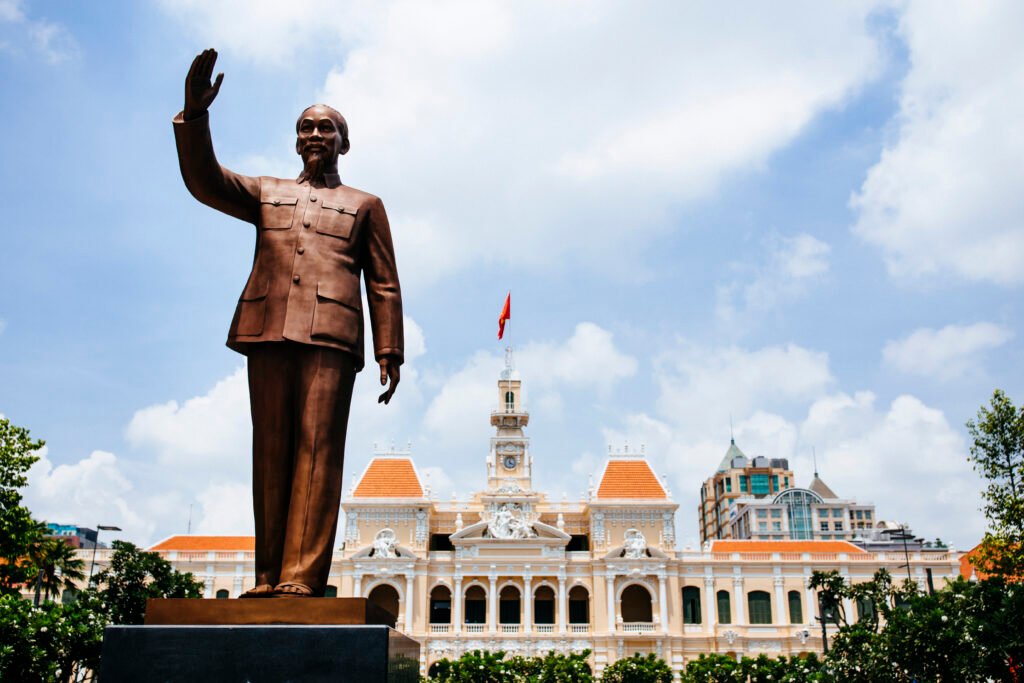
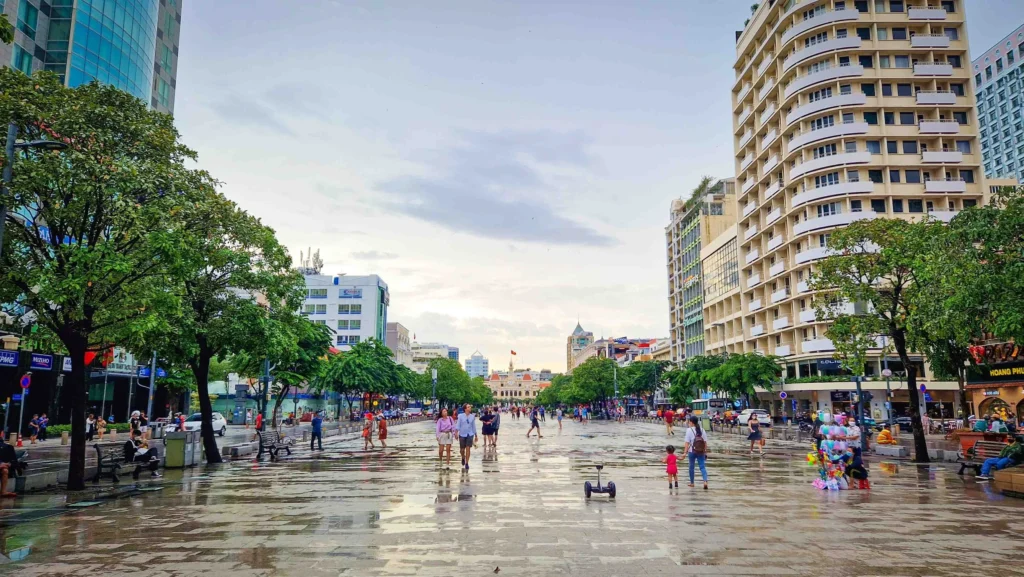
A sunset stroll along Nguyen Hue walking street in front of City Hall is lovely, both for the setting and the local atmosphere: families walking, young people taking photos and people just sitting and chatting.
The square looks beautiful with the Ho Chi Minh statue and the French style City Hall behind. If you’re nearby and have never seen a Hindu temple, visit Sri Thendayuthapani Hindu temple, quite close to the boulevard.
Reunification Palace: where the Vietnam War ended
The Reunification Palace was the home and workplace of South Vietnam’s president during the war, and the place where the conflict ended.
In this video you can see Viet Cong soldiers arriving at the palace, the moment that led to the surrender of the US allied South Vietnamese government. The visit includes some curious rooms (like the telephone and map room), and the views from the top are nice. Still, it’s not a must unless you have a special interest in the Vietnam War.
2 unusual places in Ho Chi Minh City: off the beaten track
Two places I found curious and surprising: a café hiding a Vietnam War bunker under its floor, and some beautiful pagodas in a little touristed area where Chinese and Vietnamese traditions mix.
A bunker hidden in a café
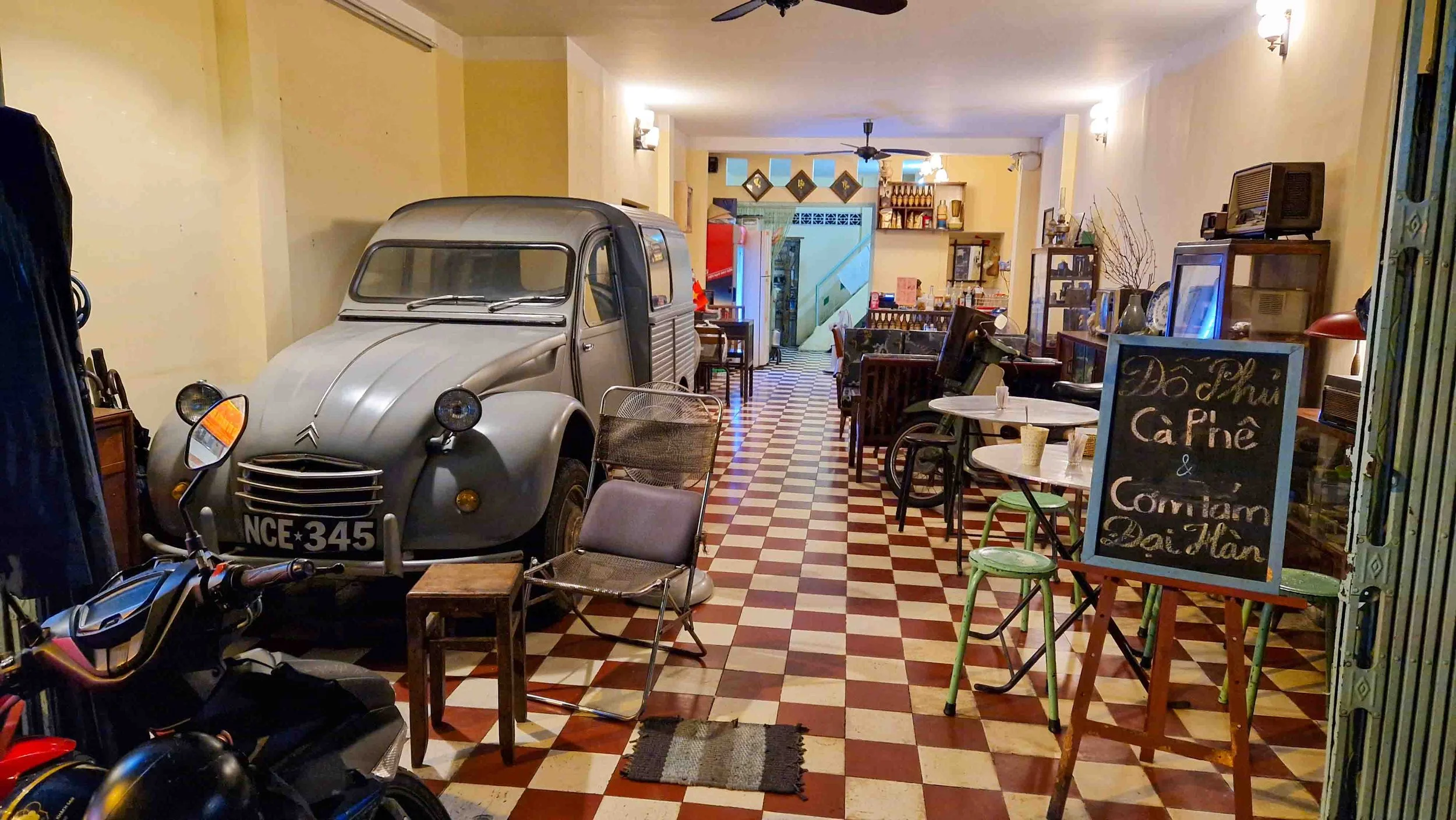
This café is decorated with antiques like radios and other gadgets. There’s even a Vietnam War era car inside!
But that’s not all. The most surprising part: through a hidden trapdoor, you reach a secret bunker the Viet Cong used at different times in the war as a shelter and to store weapons. I found it by chance on my last visit and, although some tours include it, it’s still little known.
Practical information
- Location: 270 Vo Van Tan, District 3
- Price: what you order (normal Vietnamese prices)
- What to order? Coffee, juices, soft drinks, cold beer.
- Duration: about 1 h
- My rating: curious but not essential.
The pagodas of Cho Lon
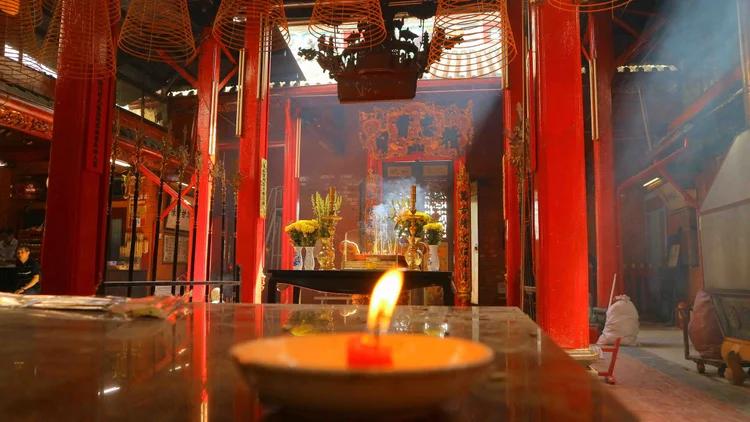
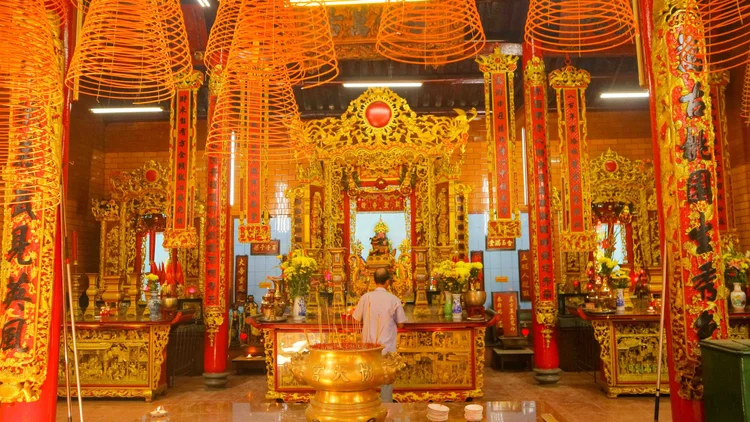
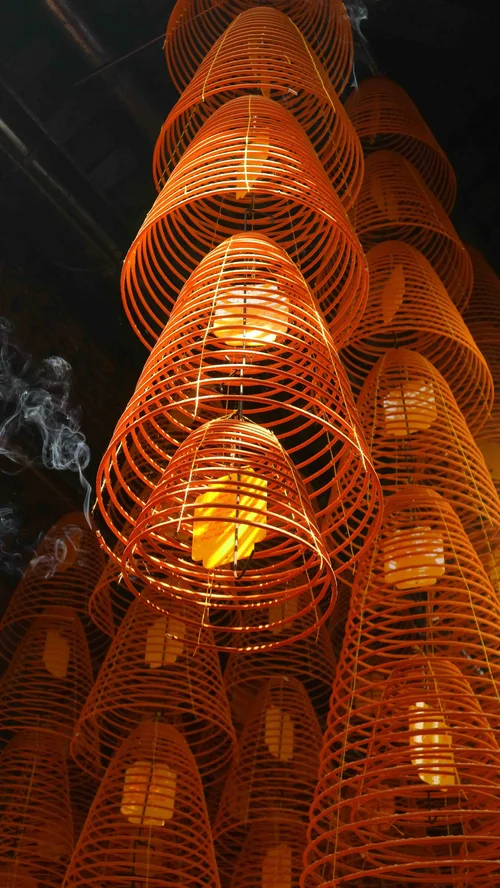
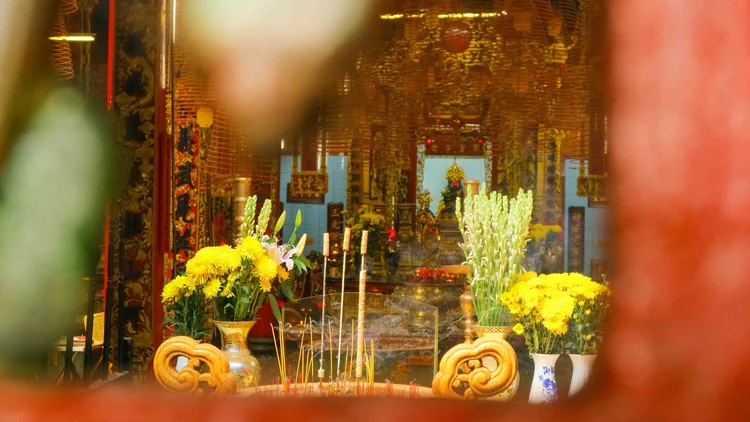
The pagodas of Cho Lon have their own style, clearly influenced by Chinese tradition. They aren’t tourist attractions as such, but real places of worship, born from the long coexistence of Vietnamese and Chinese communities in this area, also known as Saigon’s Chinatown.
One I loved was Phuoc An Hoi Quan pagoda, a picturesque temple in reds and golds, always full of incense, with a very special spiritual atmosphere. I took some of my favourite photos here on my last visit.
Nearby you can visit Binh Tay market and Thien Hau pagoda, and there are many interesting pagodas around the neighbourhood: just search «Cho Lon pagoda» on Google Maps. It’s about 5 km from the centre, so you’ll probably need a Grab or a bus.
Touristy Ho Chi Minh City (for better or worse)
Ben Thanh market
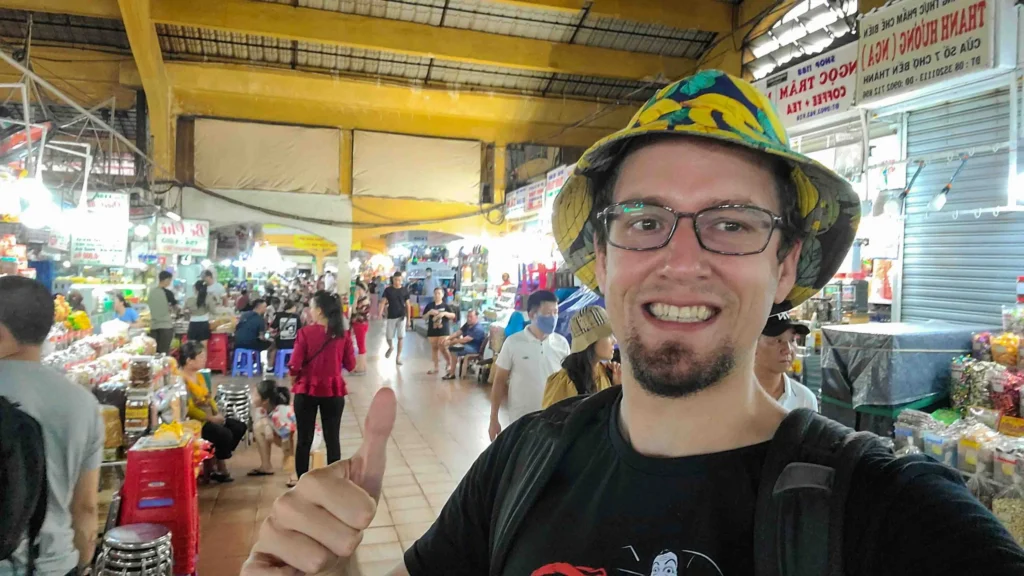
Ben Thanh market is probably Ho Chi Minh City’s most famous market, and one of the most touristy. High ceilings and hundreds of stalls selling everything: souvenirs and crafts, clothes, copies, coffee, typical Vietnamese products and fresh food.
On your first time in Vietnam, it can be fun to wander and soak up the atmosphere. But if you buy, be ready to haggle, as prices are usually inflated. And if you need to change money, several jewellers around the market give good rates. More in how to change money in Vietnam.
👉 My opinion: iconic and easy to visit, but very tourist oriented. I’d keep expectations moderate.
Bui Vien Street (the party street)
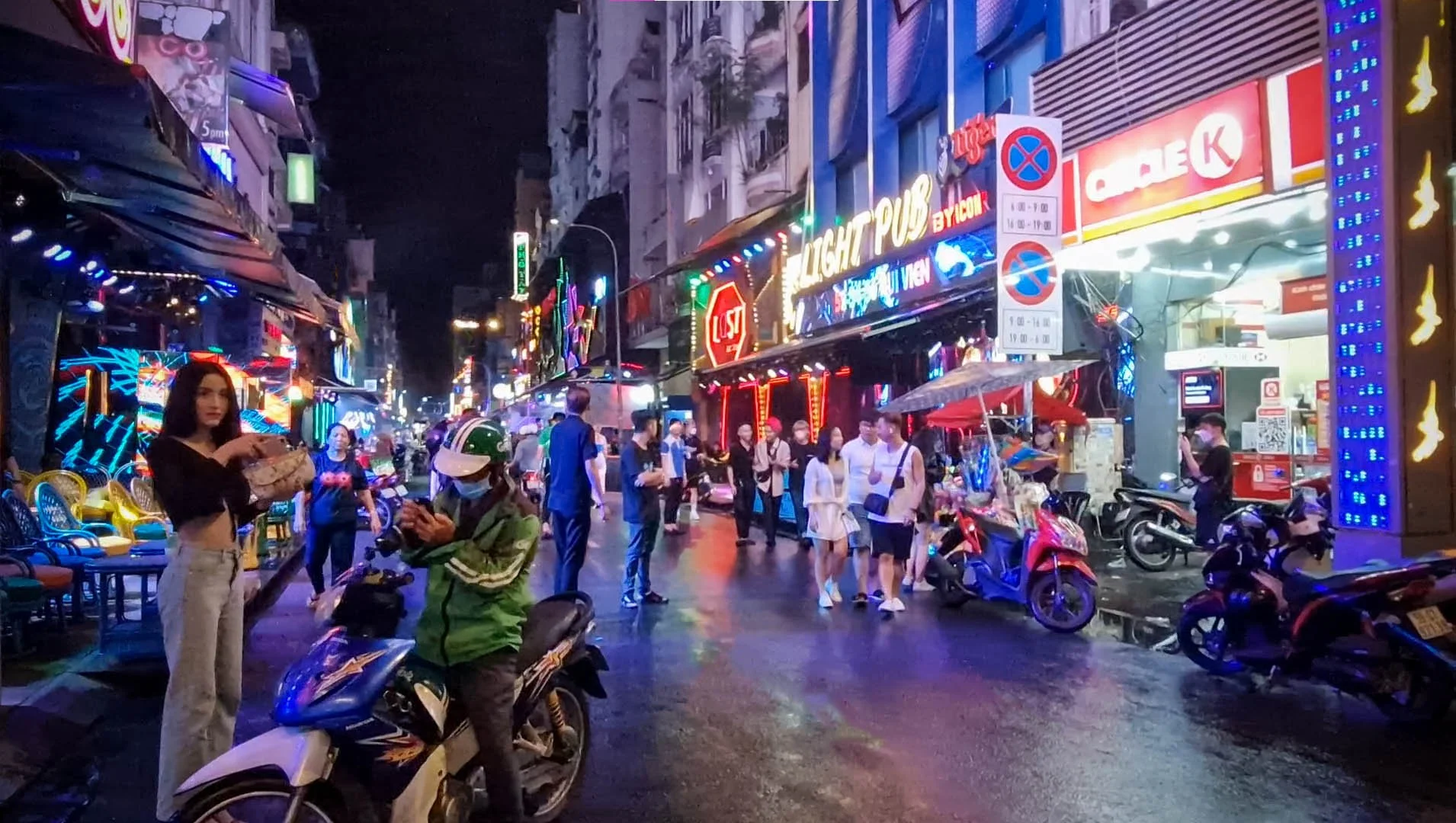
Bui Vien street is the party street of Ho Chi Minh City. If you’re up for a night out, it’s probably a good place for beers or cocktails and atmosphere until late.
But it’s not for everyone. Besides the constant noise, the atmosphere is very adult oriented, with people on the street trying to pull in customers, which can be uncomfortable. I stayed here on my first visit and moved after one night because of the noise and the street scene.
👉 My opinion: probably fine if you want to party, but not recommended for a family atmosphere or as a place to stay.
What to do in Ho Chi Minh City beyond the must sees
Cultural plans: shows and cooking classes
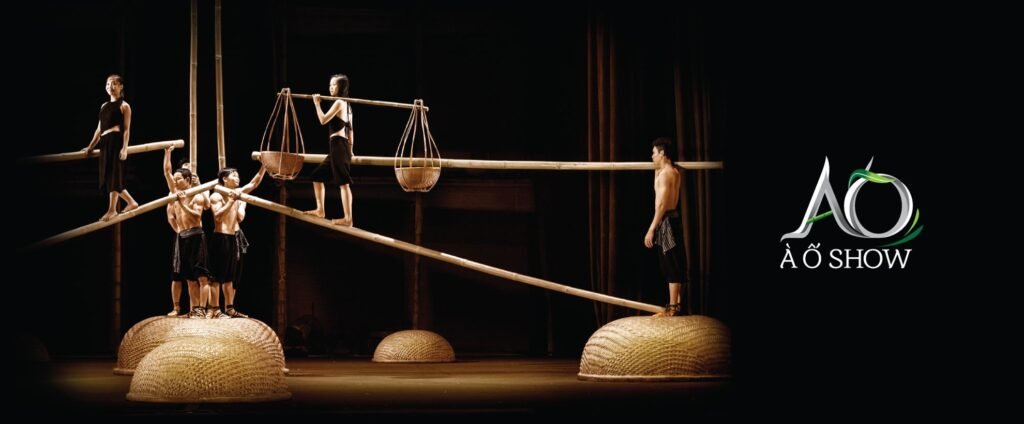
🎭 A O Show: bamboo circus
A unique show at the historic Saigon Opera House, combining acrobatic dance with bamboo props and live music on traditional instruments.
Through movement and music, it tells of something deeper: the shift from rural to urban life in southern Vietnam. There’s no dialogue; it’s completely visual and musical.
🍜Traditional 4 dish cooking class
A cooking class is a delicious way to discover Vietnamese culture. It starts at Ben Thanh market, where you learn about everyday Vietnamese ingredients.
Then you cook several traditional recipes step by step with a chef. At the end you eat what you’ve made and get a recipe book with over 25 Vietnamese dishes to keep cooking at home. In English.
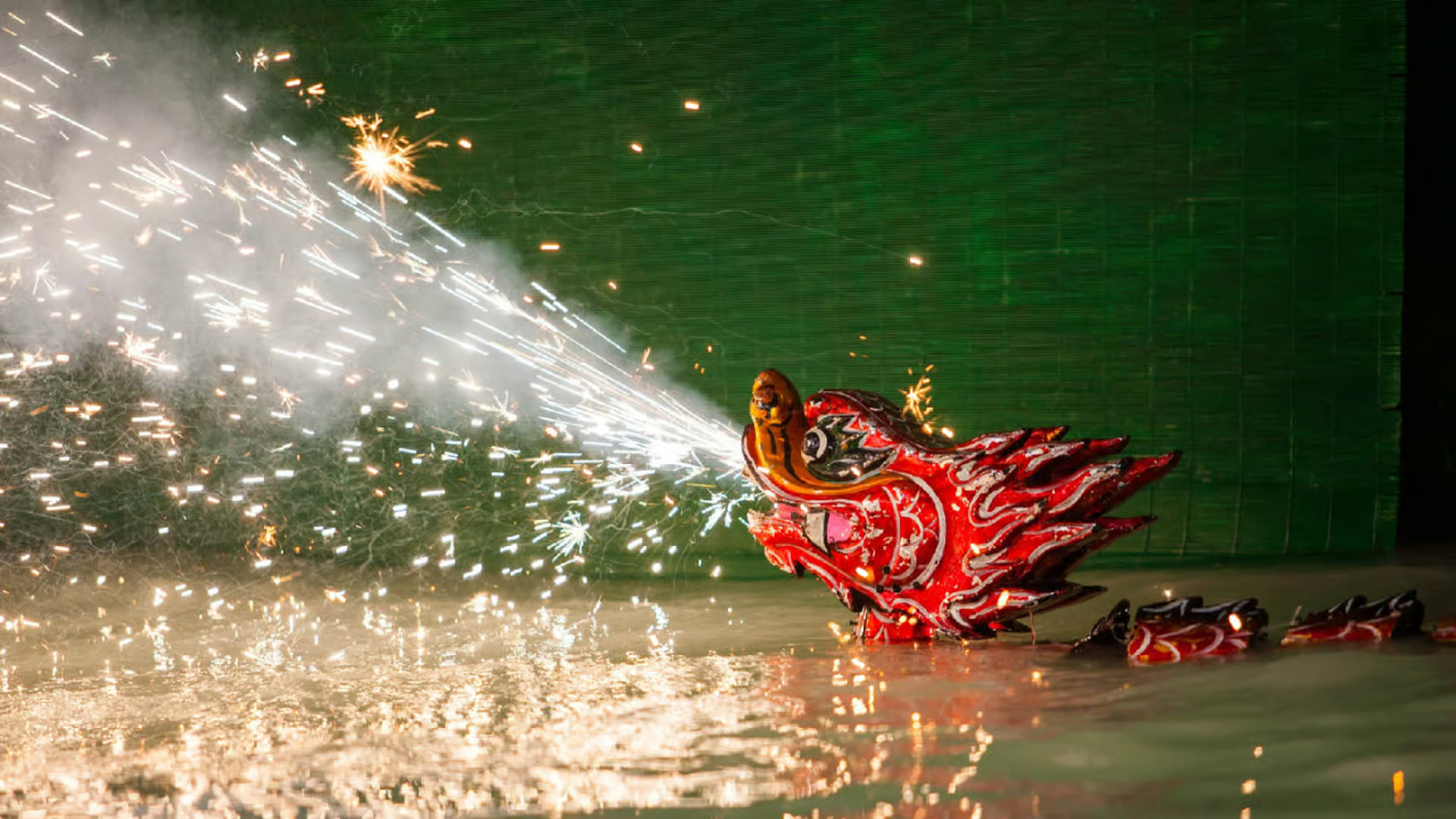
🎎 Water puppet theatre
Ho Chi Minh City also has the famous water puppet show: stories of rural Vietnamese life told with colourful puppets worked by skilled puppeteers on a water stage, with live music from a traditional orchestra.
The songs are in Vietnamese, but the show is mainly visual and musical, so you’ll enjoy it fully without knowing the language. Each show lasts 45 minutes.
Shopping in Ho Chi Minh City
Ho Chi Minh City has some interesting shopping areas, especially for light clothes, copies and mountain gear. The Russian Market is the main spot for jackets, backpacks and The North Face style outdoor clothing. Saigon Square, opposite Saigon Centre, is full of copies of well known brands at negotiable prices. And Ben Thanh Market, although touristy with high opening prices, is still a classic stop.
For more, see my complete guide to where to buy clothes in Vietnam, with updated prices, areas by city and recommended tailors.
Where to stay in Ho Chi Minh City?
In Ho Chi Minh City choosing the right area matters. I recommend District 1 or, failing that, District 3: the most central, practical areas, from where you can walk or take short Grab or Green SM rides to almost every main sight.
To play it safe, below are some recommended places that work well for most travellers.
Also save this list of recommended accommodation all over Vietnam, based on the opinions of travellers in my WhatsApp groups.
Recommended hotels in Ho Chi Minh City
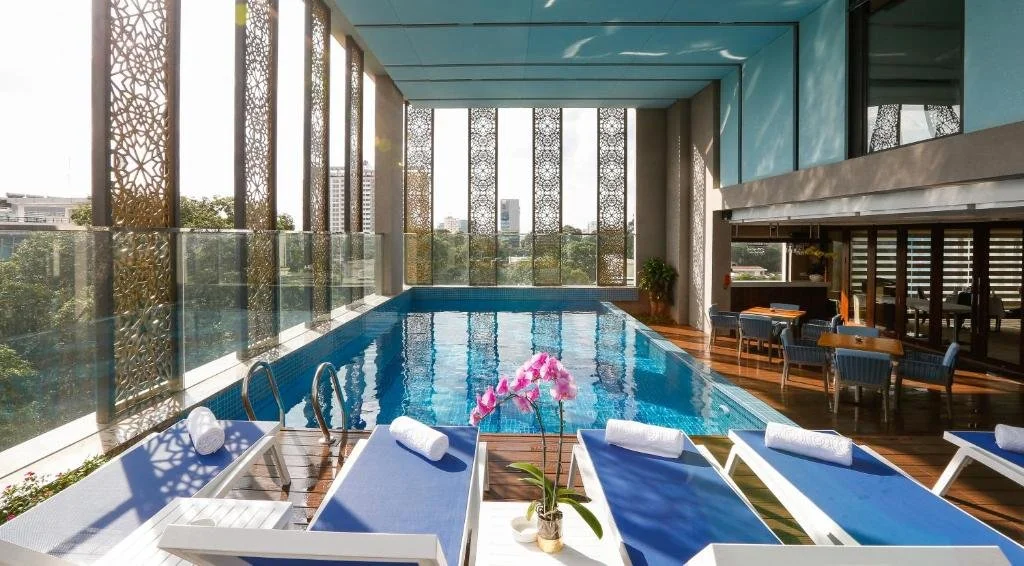
Last time I stayed two nights at Orchids Saigon Hotel, a 4 star hotel with a pool, and one night at Chez Mimosa Local, in a big, very comfortable room with two double beds.
👉 Prices vary a lot with season and demand, so check availability and current rates in advance, especially at weekends.
Recommended hostels in Ho Chi Minh City
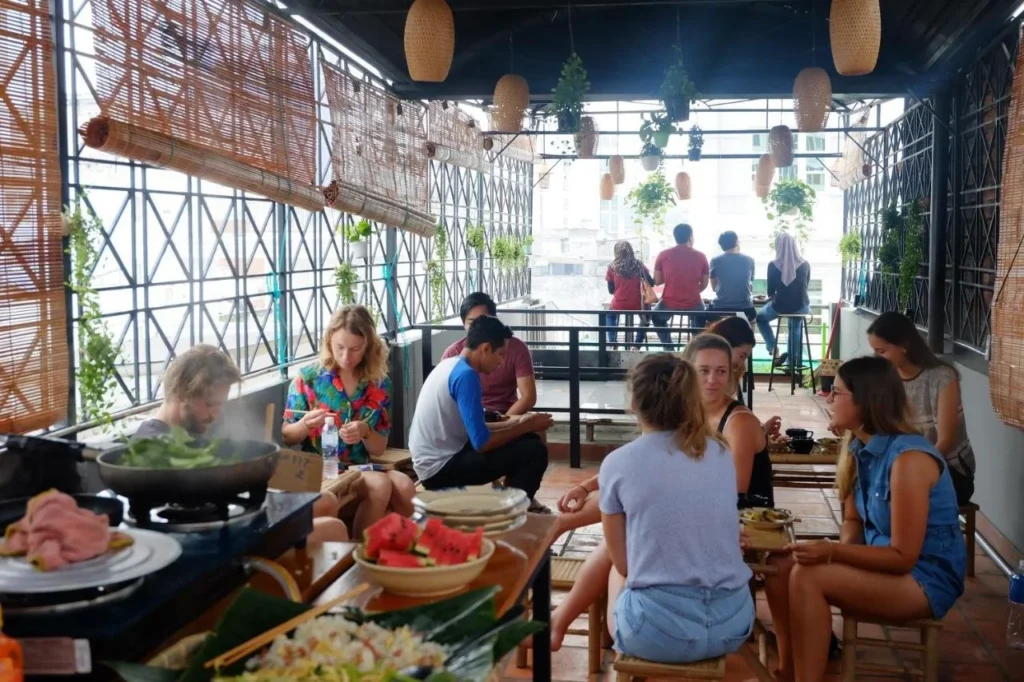
Three of the most recommended hostels are The Like Hostel (photo), Long Hostel and City Backpackers Hostel.
Long Hostel has both dorms and private rooms, a good choice for hostel atmosphere without giving up comfort. The Like Hostel and City Backpackers Hostel offer shared rooms at more than reasonable prices, with common areas to meet other travellers.
Other questions about Ho Chi Minh City
How long should you spend in the city?
Depending on your days, at least 1 day and up to 3 to get to know it well. On a two week trip, I’d spend 1 or 2 days here; with more time, add an extra day.
What’s the weather like in Ho Chi Minh City?
Ho Chi Minh City is warm all year round, sometimes scorching and sometimes milder.
May to October is the rainy season, with storms almost daily. They’re short and rarely stop travellers from sightseeing.
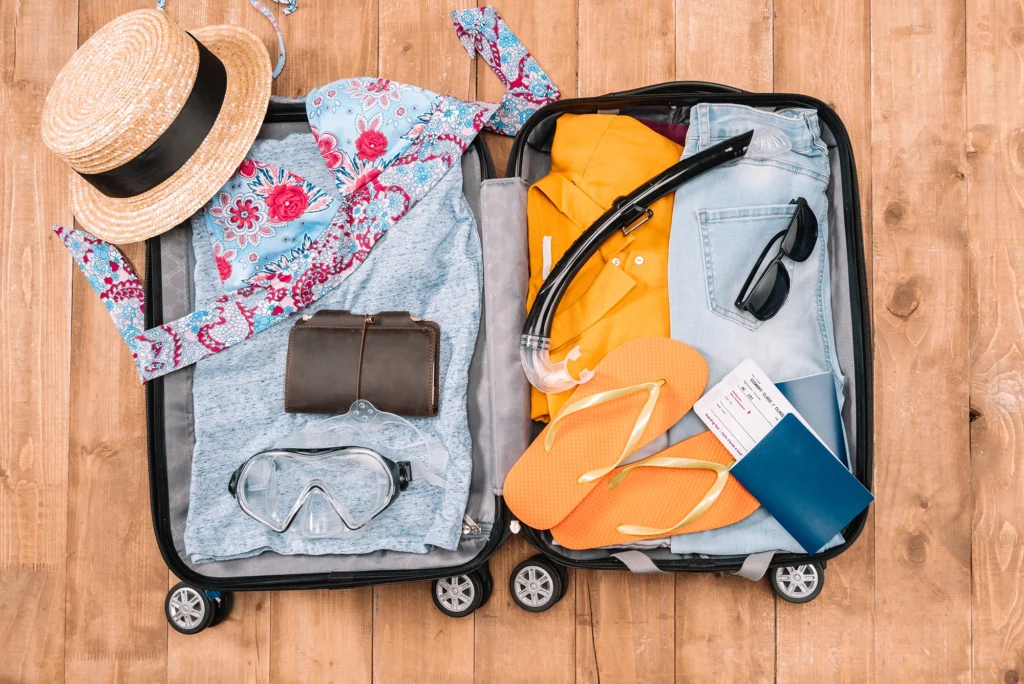
October to May is the dry season, with occasional rain and usually no storms. Bring light clothes, sunscreen and an umbrella in your bag just in case.
🖐️ Don’t miss what to pack for your trip to Vietnam
Why is Ho Chi Minh City sometimes called Saigon?
Saigon was the city’s name for hundreds of years. It became Ho Chi Minh City (HCMC) in 1976, after the Vietnam War, in honour of President Ho Chi Minh, who led the fight against the French and ran the country for most of the war. That’s why you’ll still hear Vietnamese people call it Saigon, and many businesses still carry the old name. Using «Saigon» is a matter of habit rather than politics.
What to do in Ho Chi Minh City when it rains?
On a rainy day I’d go to the War Remnants Museum (a must), or another museum (the Fine Arts Museum and the Ho Chi Minh City Museum are two I still haven’t visited).
For something different indoors, it’s also a good time for cultural or relaxing plans like a show at the Saigon Opera House, a traditional cooking class or even a massage to escape the heat and humidity.
How to get around the city?
If you stay in one of the recommended areas, you can reach almost every important place on foot. Further away, like Cho Lon, take a city bus (very cheap) or an Uber style app like Grab, Green SM or Be (quite affordable, but more than the bus).
If you haven’t installed them yet, read my post on the best apps for travelling in Vietnam and set them up before you fly.
Which places in Vietnam connect with Ho Chi Minh City by bus, boat or plane?
Ho Chi Minh City has direct flights to many places like Hanoi, Da Nang, Phu Quoc or Con Dao (I use this search engine to find cheap flights in Vietnam). There are also direct buses to Can Tho, Mui Ne, Nha Trang, Da Lat or Phnom Penh (Cambodia). For buses, I usually use Vexere or Baolau.
If you’re planning your route from north to south and want every option, see my complete guide to getting around Vietnam.
How to get from the airport to central Ho Chi Minh City?
The cheapest way is bus 109, for 20,000 VND (about 80 cents). It runs from 05:30 to 00:30, every 25 to 30 minutes, and takes 30 to 45 minutes to the centre, depending on traffic.
More comfortable: a car on an Uber style app like Grab, Green SM or Be. Last time I did this and paid 140,000 VND (about $5.40), plus about $1 for the airport toll.
Is Ho Chi Minh City dangerous?
Ho Chi Minh City is a bit more prone to petty theft than Hanoi or Da Nang, and bag snatching is said to be more common than elsewhere. Even so, it’s still a very safe city. Several foreigners I know who live there say it’s safer than many European cities.
Most incidents are easy to avoid with basic precautions, like:
- Not using your phone next to the road or leaving valuables on the table in bars, cafés or restaurants.
- Always asking the price before accepting any product or service offered on the street.
- Getting around with apps like Grab, Green SM or Be, instead of random taxis.
For more, see my article on the most common scams in Vietnam.
Is it better to book tours online or in person?
A few years ago I’d have said it was better to book once in the country, because online prices were much higher. That has changed: many tours are now cheaper online than in person, like the Cu Chi tunnels tour.
Booking online also lets you read real reviews from other travellers and leave yours afterwards, which gives agencies an extra incentive to look after the experience.
Any extra tips?
My final advice: take your visit slowly and don’t try to see everything. Ho Chi Minh City is very lively, and enjoying what’s in front of you often matters more than ticking places off a list.
If you have time, spend a day wandering with no plan, noticing the little details and taking photos of the curious things you find.
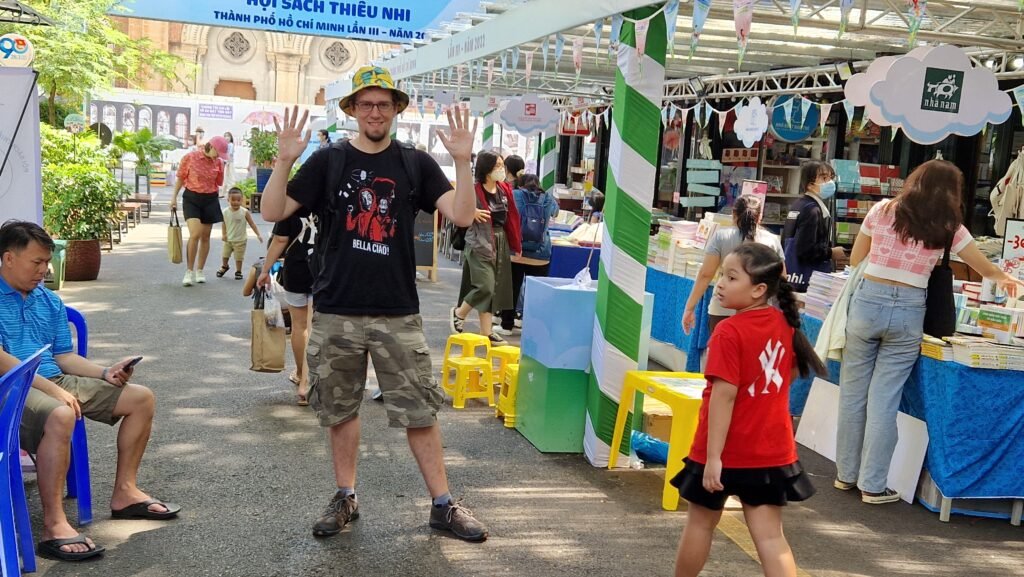
Any questions about Ho Chi Minh City?
If you have any questions or are planning your trip, leave them in the comments and I’ll try to help. I’ve also just started a WhatsApp group in English: it’s small for now, but you’re very welcome to join and ask anything.