
Updated: April 2026
Which vaccines do you need for Vietnam? Are any compulsory? Which are recommended and which can you skip? Travellers ask me these all the time, and the short answer is: you don’t need an endless list.
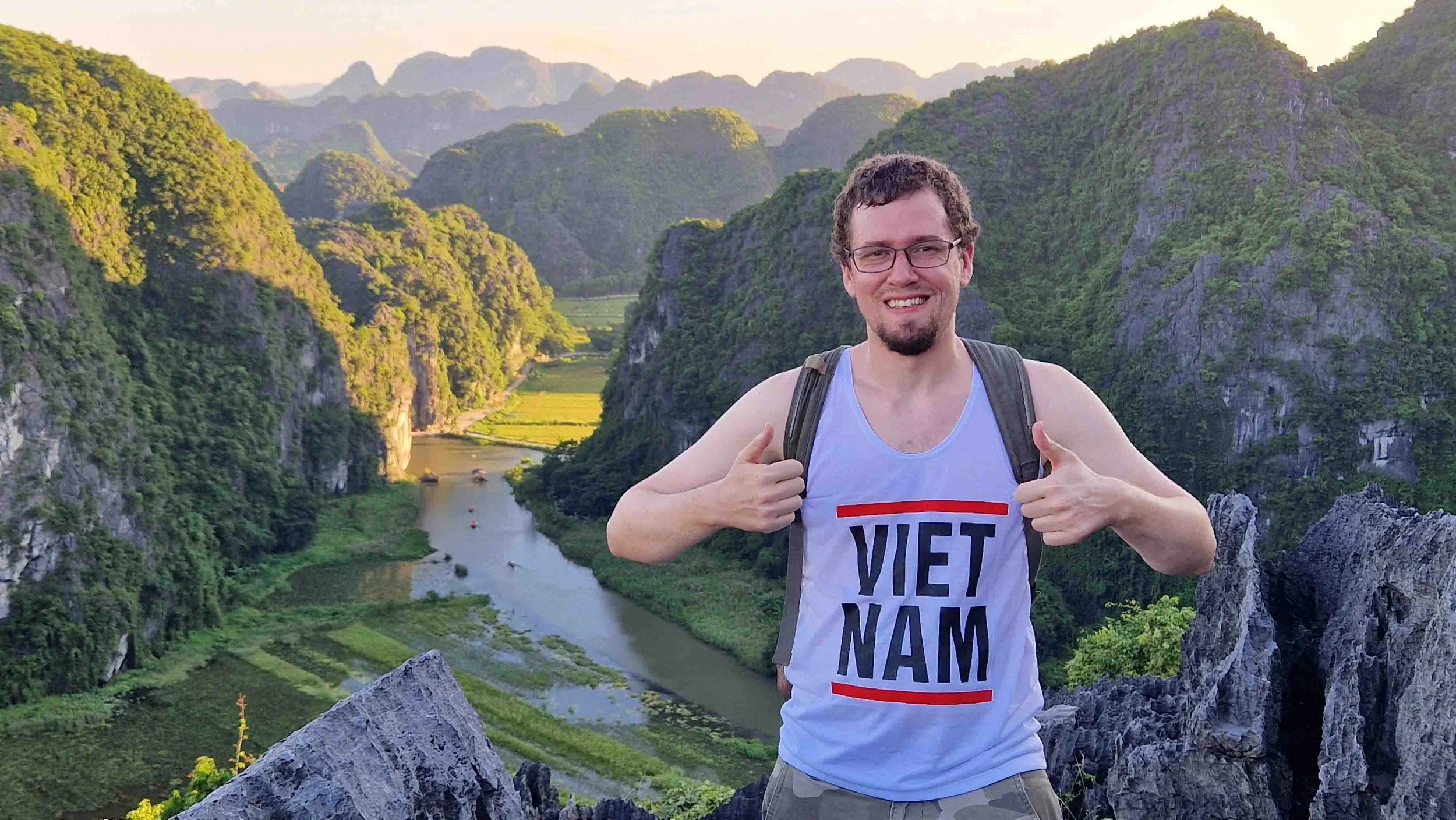
I’ve lived in Vietnam since 2017 and helped hundreds of travellers prepare their trip. What I’ve often seen is people leaving everything to the last minute and running into problems that were easy to avoid.
Here I explain which vaccines are compulsory, which are recommended, what they cost, and which other precautions are worth taking before and during your trip.
Is any vaccine compulsory to enter Vietnam?
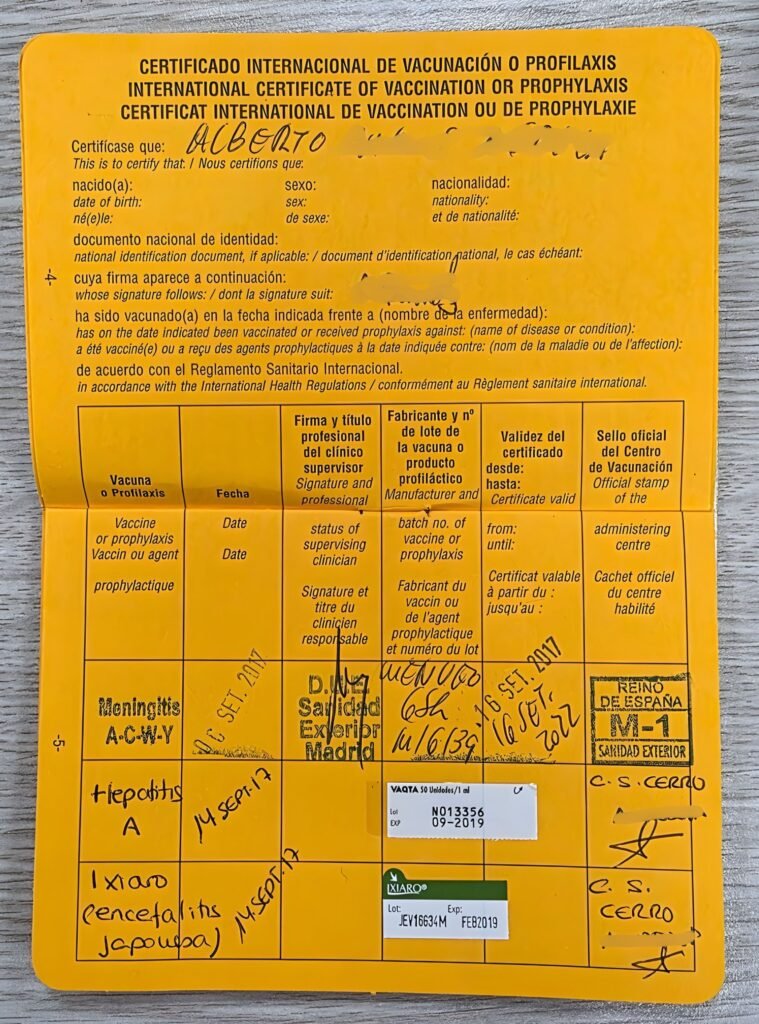
Technically, only one: yellow fever. And with an important nuance: it’s only compulsory if you arrive from a country with endemic areas (mainly parts of South America and sub-Saharan Africa). In that case, you must show your international vaccination certificate on arrival.
If you’re travelling from Europe, North America, Australia or any other country without yellow fever risk, you don’t need any compulsory vaccine to enter Vietnam. You land, go through immigration and that’s it.
👉 If you’ve recently been to a country with yellow fever risk, carry your international vaccination certificate. Vietnamese authorities may ask for it on arrival.
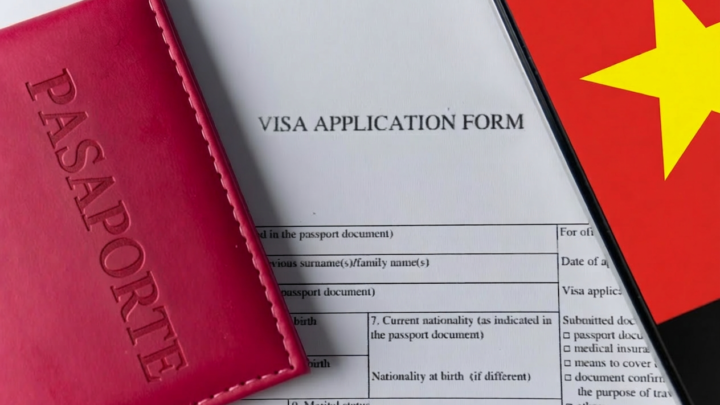
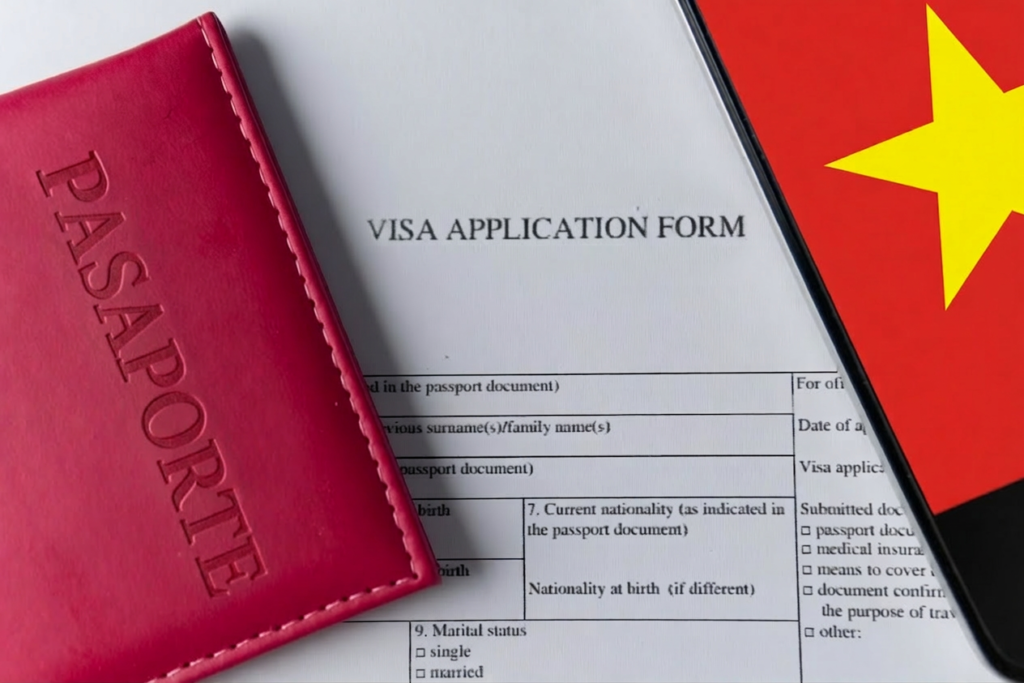
🔴 Everything you need to know about the visa, entry requirements and documents for Vietnam: Vietnam visa: e-visa, exemption and requirements.
Recommended vaccines for Vietnam
None is compulsory, but several are worth getting. These are the ones recommended to me at the International Vaccination Centre in Madrid, and most travel medicine doctors agree:
| Vaccine | Priority | How it spreads |
|---|---|---|
| Hepatitis A | 🔴 High | Contaminated water and food |
| Hepatitis B | 🟡 Medium | Blood and sexual contact |
| Tetanus and diphtheria | 🔴 High | Wounds / close contact |
| Dengue | 🔴 High | Mosquito bites |
| Typhoid | 🟡 Medium | Contaminated water and food |
| Japanese encephalitis | 🔍 Depends on your trip | Mosquito bites |
Hepatitis A
Spread through contaminated water or food. In Vietnam, especially outside big cities, hygiene standards vary quite a lot. It’s one of the most important vaccines, and one many travellers don’t have.
Hepatitis B
Unlike hepatitis A, it spreads through blood, sexual contact or contaminated needles. Vietnam has one of the highest hepatitis B rates in Southeast Asia. In practice the risk is low on a normal tourist route, but it rises if you need medical care during the trip or stay long term. The good news: many countries have included this vaccine in childhood schedules since the 90s, so you may already have it. Check your vaccination record.
Tetanus and diphtheria
You probably have this from your regular vaccination schedule. Check it’s up to date: a booster is recommended every ten years. If it’s been more than a decade, now’s a good time.
Dengue
This one deserves its own mention because it’s relatively new. Dengue is very common in Vietnam, and I’ve known cases among travellers first hand. Unlike other mosquito borne diseases, dengue is very present in cities too, so you can’t avoid it just by staying in urban areas.
The available vaccine is Qdenga®, by Takeda, approved in Europe in late 2022. It needs two doses at least three months apart. Availability and price depend on your country (in Spain it’s around €125 per dose). In my case the side effects were very mild.
Typhoid
Spread orally, through contaminated food or water. According to the Spanish Embassy in Vietnam, typhoid is one of the most common diseases in the country, along with dengue and diarrhoea. Typical symptoms are high fever, headache and general malaise, and they can take up to three weeks to appear. The oral vaccine (Vivotif) is a single course and easy to get from pharmacies.
Japanese encephalitis
Spread by mosquito bites and present in rural areas, especially in the rainy season. It matters most for long trips, countryside stays or outdoor activities in rice growing areas. It’s rare in travellers but can be serious, so the vaccine is indicated if you’ll spend time in rural areas, especially in the rainy season.
👉 Tip: for fully up to date, personalised advice, visit a travel clinic before your trip.
What’s the real risk of getting ill in Vietnam?
Plenty of people ask, and the honest answer is that the risk is low, especially on tourist routes. Hanoi, Ho Chi Minh City and the usual tourist areas aren’t high risk health environments.
Still, low risk isn’t zero risk. According to the Spanish Embassy in Vietnam, the most common diseases here are typhoid, dengue and traveller’s diarrhoea. In practice, with a few basic precautions (care with water, food and mosquitoes), the risk drops a lot.
My personal view: I’ve lived in Vietnam since 2017 and I’m vaccinated against everything recommended, because my exposure is constant. That said, I see hundreds of travellers every year who get no vaccines at all and rarely does anything happen. Vaccines reduce a risk that’s already small.
My advice: read this as the experience of someone who lives here, but always decide with your doctor.
What are the most common problems when getting vaccinated?
Many travellers leave vaccines until the last minute, and that’s usually when problems appear. The most common:
- Vaccination centres can be busy and appointments can take weeks.
- Some vaccines, like dengue, need two doses months apart. Wait too long and there simply isn’t time.
- Not every vaccine is always available at the centres; sometimes you have to buy it separately at a pharmacy.
- Many vaccines take up to two weeks to work fully. Getting them the day before you leave doesn’t help much.
👉 My recommendation: start organising your vaccines as early as possible, ideally at least three months before your trip. The dengue vaccine needs that gap between doses, and with appointments and availability, time runs out faster than you think.
Beyond vaccines: how to protect yourself during the trip
Can you drink the water in Vietnam?
The rule is clear: bottled water only. Locals and tourist businesses know this, so ice in drinks is generally no risk. In the FAQ below I explain more about salads, street food and ice.
👉 Alberto’s recommendation: pack oral rehydration salts in case of diarrhoea or stomach trouble in the first few days.
Protection against mosquitoes
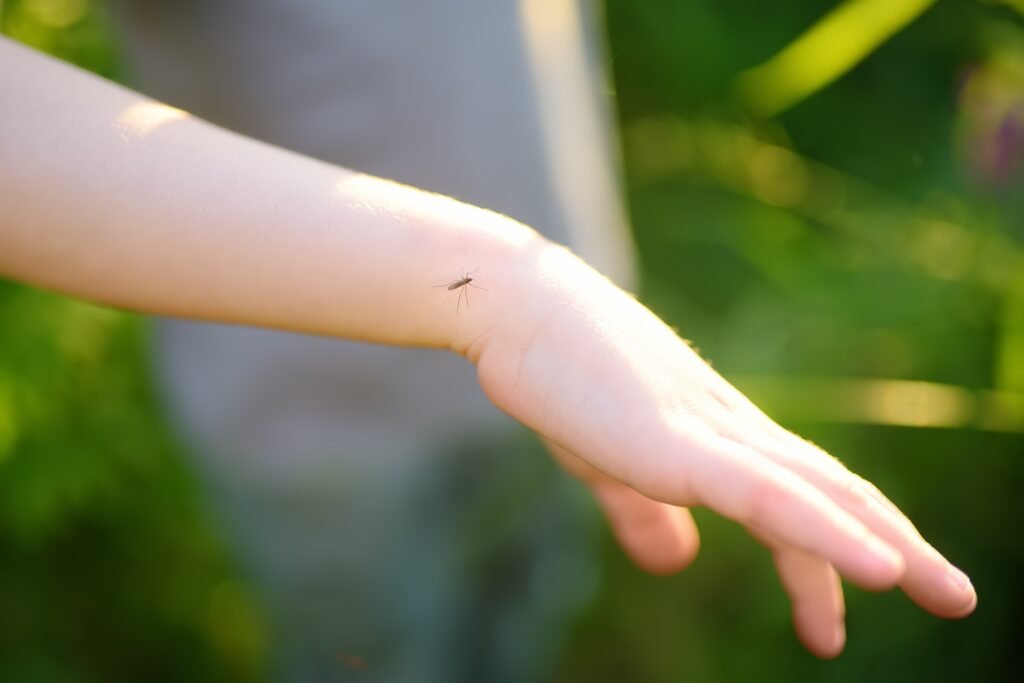
Mosquitoes are the main cause of illness in Vietnam, and avoiding bites is as important as vaccines. The two things that have worked best for me:
👉 Mosquito repellent. Apply it to exposed skin every few hours. I’ve had a very good experience with Relec spray, but any repellent with DEET or icaridin works well. The sprays you’ll find in Vietnam are usually milder.
👉 Permethrin for clothes. Permethrin is an anti mosquito liquid you apply to clothes, sheets or mosquito nets. It doesn’t just repel mosquitoes, it kills those that touch it. I use it regularly at home and especially recommend it if you’ll spend nights in rural areas or without air conditioning.
Travel insurance
Vaccines and repellent reduce the risk but don’t remove it. If you need medical care during the trip, good travel insurance saves you paying upfront and gives you access to international hospitals. In Vietnam, private hospitals can be very expensive, and public ones aren’t always the best option for a traveller.
📌 What vaccines and insurance don’t cover: scams, traffic and emergencies
Vaccines, water and repellent cover health prevention, and good insurance backs you up if something goes wrong. But there are other things worth knowing before you go: common tourist scams, how to cross the street in Hanoi without a scare, what to watch out for on a motorbike. It’s all in my guide to safety in Vietnam, from someone who has lived in Hanoi since 2017.
FAQ about vaccines and diseases in Vietnam
How much do vaccines for Vietnam cost?
It depends on your country and whether your public health system covers them. As a reference, these are approximate prices in Spain for vaccines you may not already have from your regular schedule (even there, prices aren’t fixed and vary by pharmacy and region):
| Vaccine | Approx. price per dose (Spain) | Doses needed |
|---|---|---|
| Hepatitis A | 50-70 € | 2 |
| Typhoid (oral / Vivotif) | 27-30 € | 1 |
| Dengue (Qdenga) | ~125 € | 2 |
| Japanese encephalitis (Ixiaro) | ~133 € | 2 |
Hepatitis B and tetanus are part of the vaccination schedule in many countries, so you probably have them already. Check your record. Hepatitis A usually isn’t, and it’s one of the most important for this trip.
Prices and availability vary a lot by country, so check with your doctor or a travel clinic.
👉 Many of these vaccines can be given at a travel clinic or vaccination centre, sometimes cheaper than at a pharmacy. Call ahead to see what they have available.
Can I get vaccinated in Vietnam if I didn’t before leaving?
Yes. International hospitals like Vinmec or Family Medical Practice have branches in the main cities and offer vaccinations for travellers.
That said, it’s not the most practical. The price is usually similar to or higher than at home, and you have to go to the hospital, find the right department, wait for the vaccine to be prepared and stay a while under observation. Most importantly, many vaccines take days or weeks to work, so getting them on arrival doesn’t protect you from day one.
If you can, sort out your vaccines before you leave. If you didn’t have time, better late than never. And either way, good travel insurance will give you much more peace of mind.
Do I need a COVID vaccine to travel to Vietnam?
No. Since 2023, Vietnam has dropped all COVID related vaccination, PCR and health insurance requirements. You enter exactly as before the pandemic, without showing any certificate.
Is there a risk of malaria in Vietnam?
The risk of malaria in Vietnam is very low for the vast majority of travellers. The areas with some risk are limited to remote rural areas on the borders with Laos and Cambodia, far from the usual tourist routes.
I’ve been travelling all over the country since 2017 and have never known a single case, among travellers or locals, and nobody around me takes preventive medication. If your trip covers the usual routes like Hanoi, Ninh Binh, Halong, Ha Giang, Hoi An or Ho Chi Minh City, you can relax. If you plan to go deep into very remote rural areas in the centre or south, check with your doctor before leaving, but even then the risk is very low.
Is there a risk of rabies in Vietnam?
Rabies exists in Vietnam, but the real risk for a traveller is very low. Stray dogs are rarely aggressive, and in years living here I’ve only been in an awkward situation once.
Where I would be careful is with monkeys: in places like the Cham Islands or anywhere with free roaming monkeys, don’t touch or feed them and keep your backpack closed, because a bite or scratch needs immediate medical attention.
👉 If an animal bites or scratches you, wash the wound with soap and water for at least five minutes and get to a medical centre as soon as possible.
A mosquito bit me in Vietnam. What should I do?
Nothing special. In years living here I’ve been bitten in cities and rural areas; it’s practically unavoidable. No need to make a drama out of it or feel bad. The right attitude is to protect yourself as much as possible, and if you get bitten, you got bitten. The risk of a bite leading to anything serious is really low.
The only thing worth keeping in mind: if you develop a fever, a severe headache or anything out of the ordinary, see a doctor. Not to panic, but to rule things out and treat them in time if needed.
Is it safe to eat salads and have ice in Vietnam?
Safer than many people think. I’ve eaten out every day for years in Vietnam and never had a stomach problem. The main reason is that most Vietnamese food is boiled, grilled or deep fried, which kills bacteria.
Ice is similar: Vietnamese people know tap water isn’t drinkable, so places buy ice made from filtered water, or at least boiled water.
With salads and fresh herbs, like those served with bún chả, I eat everything put in front of me without any problem.
What should I pack in my first aid kit for Vietnam?
Vietnam isn’t a destination where you need an elaborate first aid kit. Pharmacies are easy to find in any city or tourist town, and most basic medicines are available. Personally, I travel without one.
That said, I’d bring three things from home, because they’re hard to find here or very welcome when you need them:
- Oral rehydration salts, in case your stomach struggles in the first few days.
- Afterbite, to soothe itchy mosquito bites. I haven’t managed to find it in Vietnam, and when you need it you really appreciate it.
- Zinc oxide paste (the classic nappy cream). It works very well for chafing caused by sweat, humidity or clothes rubbing. In a hot, humid climate like Vietnam’s, if you walk a lot, it can be very useful.
That’s everything you need to know about vaccines for Vietnam. Remember: plan ahead, check with a travel clinic and don’t stress. The risk of getting ill in Vietnam is low, and with your vaccines and a few basic precautions, you can focus on enjoying the trip.
If you’re preparing your trip, these will be useful:
👉 What to pack: a practical list
👉 Itineraries: routes for 1, 2 and 3 weeks
Any questions about vaccines or preparing your trip? Leave them in the comments or message me on Instagram. See you in Vietnam!