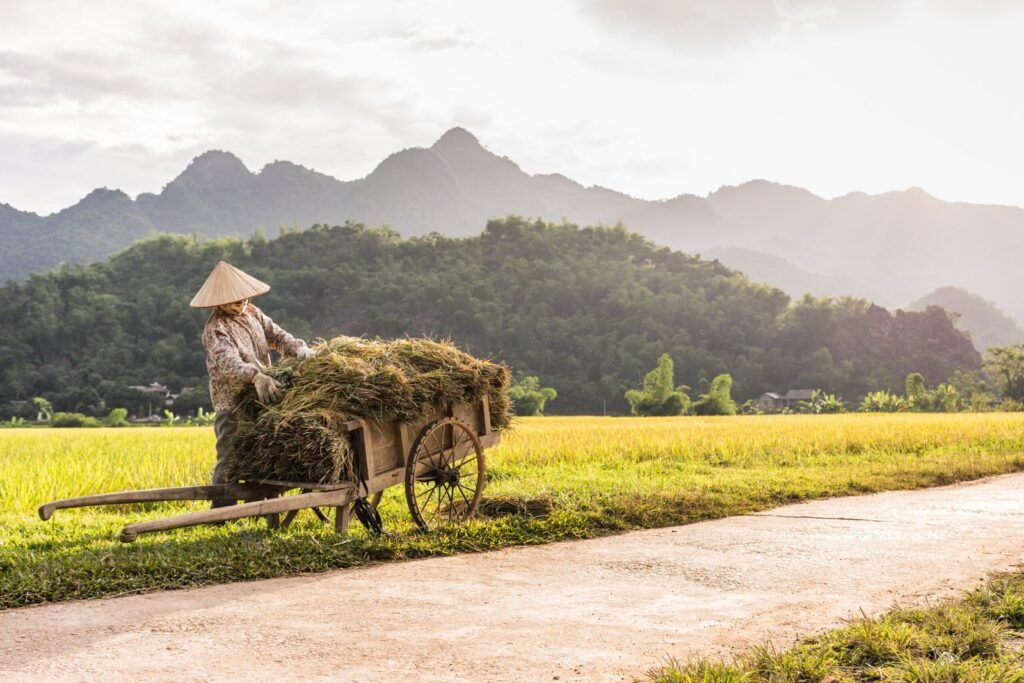


Sapa is one of the best known destinations in northern Vietnam, but also one that raises the most doubts. Many people think it’s completely overrun and not worth visiting.
In my experience, Sapa is one of the most incredible places in Vietnam, and you can enjoy it hugely if you know how to move around, plan well and focus on what really makes it unique.
In this guide I explain how to get the most out of it: the activities that are really worth it, while avoiding the crowds and tourist traps. It’s not about seeing everything, but about seeing what’s truly worth it.
🧭 What you’ll find in this guide
- What’s worth it in Sapa
- Which activities to avoid if you don’t want to feel like you’re in a theme park
- When to go to see the rice terraces at their best
- Where to stay depending on the experience you want
👉 It’s not a guide to see everything, but to enjoy the best of Sapa.
Sapa: context and first impressions
Sapa is a town in the mountains of northern Vietnam, in Lao Cai province, surrounded by valleys where several ethnic minorities keep a traditional way of life. Most are Hmong or Red Dao, although other communities live here too.
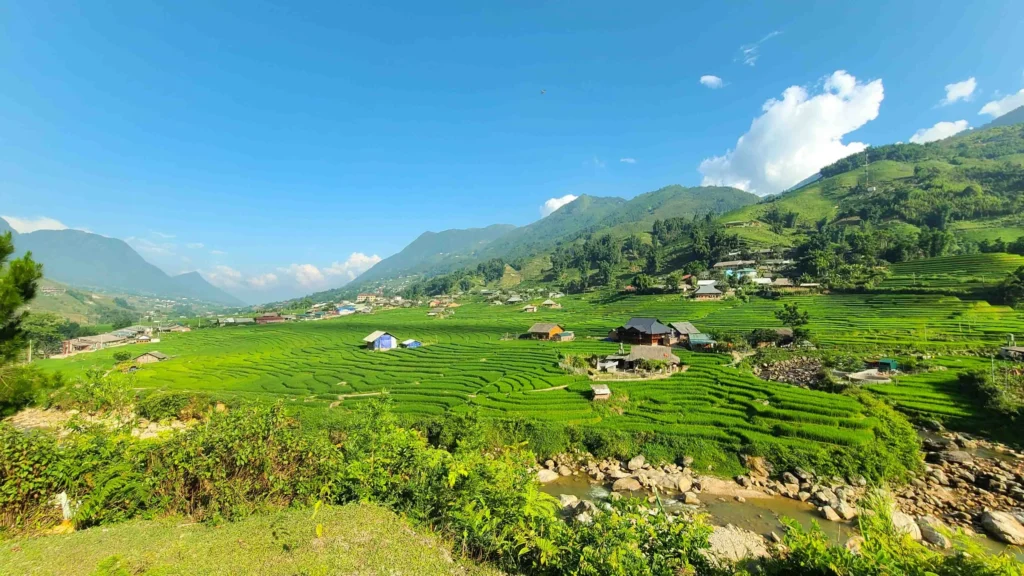
Sapa is ideal for rice terrace landscapes, the culture and crafts of the ethnic groups (those cannabis plantations on the hillsides are legal and part of their textile tradition), crossing fast rivers on suspension bridges, and visiting waterfalls and bamboo forests. You’ll also often see water buffalo, animals that symbolise wealth and help families carry goods and plough the land.
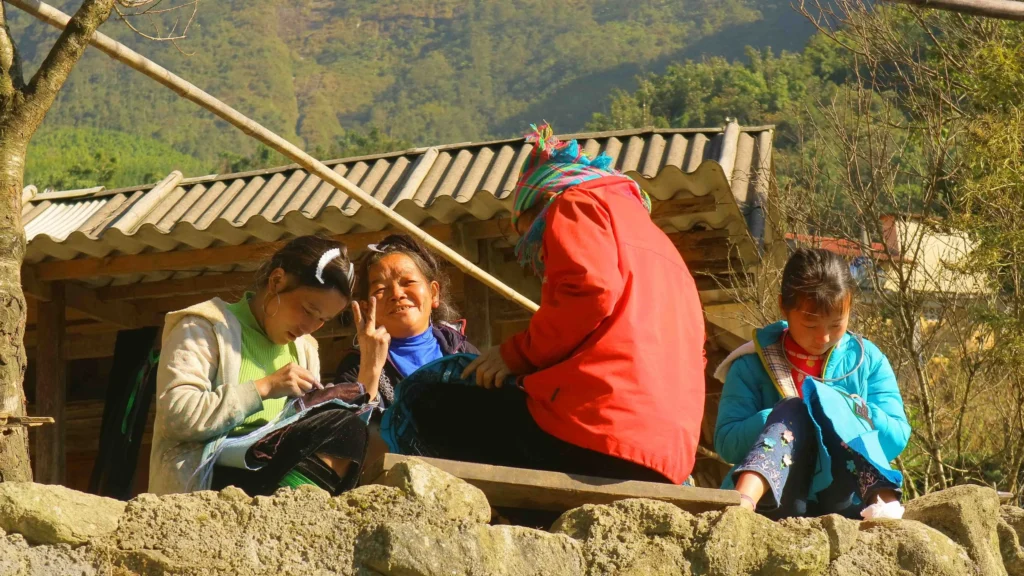
Sapa is also well connected with Hanoi, by direct buses and by trains with a short final transfer. And since it gets lots of visitors, many local people speak English, and some even joke in other languages.
💡 Important tip
Sapa gets many visitors, but a few kilometres from the centre you’ll find completely different villages, landscapes and rhythms of life. The most common mistake is staying in town.
Before the activities, save my Sapa recommendations: the trekking guides I personally recommend, accommodation, restaurants and other useful contacts.
Trekking in the valley | The most important experience in Sapa
🥾 If you can only do one thing in Sapa… trek in the valley with a local guide. Everything else is extra.
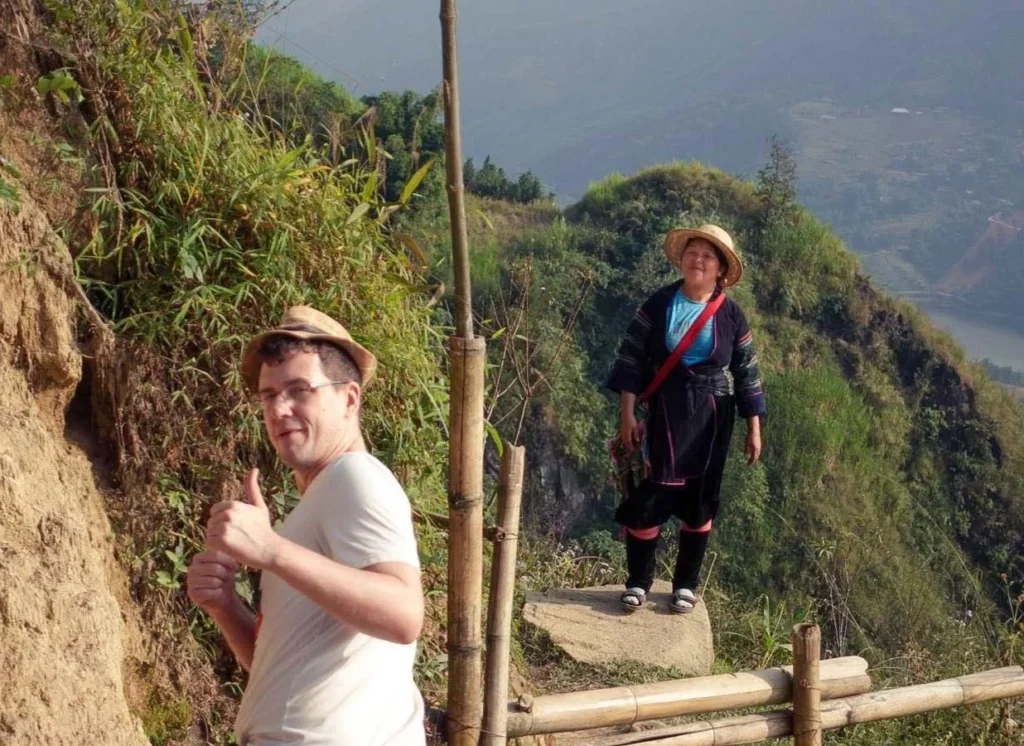
The most popular activity is a hike through the valley from Sapa to Ta Van village or other nearby villages. These routes usually take half a day to a day at an easy pace (about 10 to 15 km), but there are also longer treks of 2, 3 or more days to more remote villages and spots.
Is it worth staying overnight at a local guide’s house?
In my opinion, absolutely. Staying with a local family shows you a traditional house from inside, how they cook and how they spend their time: a more immersive experience of local culture, first hand. The accommodation is simple, though.
At dinner, guides usually invite visitors to shots of rice liquor to celebrate the end of a fun day. It’s always a lovely moment, but not compulsory: if you don’t want to drink, just say no.
These evenings in Sapa are among the most authentic and unforgettable experiences I’ve had in my years in Vietnam. If you want a warm, human experience, this is one of the best things you can do on your trip.
How much does a trek with a local guide cost? What’s included?
The usual way is to hire a local person to guide you. You can often arrange a tour directly with people from the ethnic minorities, and the price usually includes the trek, accommodation and meals.
The most common format is 2 days and 1 night. For about $40 to $50 per person, it includes:
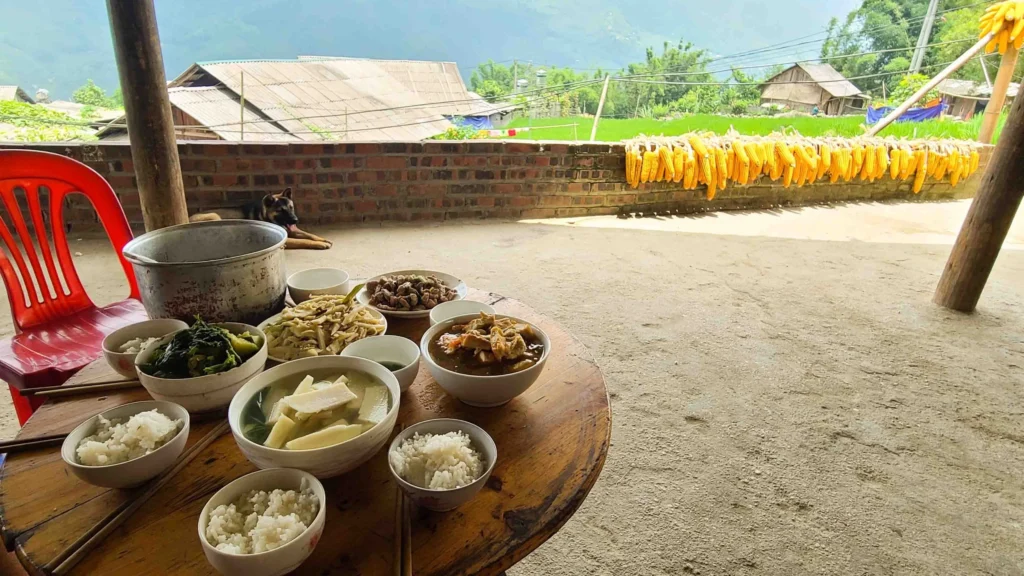
- All meals during the tour.
- A half day trek from Sapa town to the guide’s village.
- A half day trek to new villages and walks through rice fields.
- Accommodation in a private room, with a bed, blankets and a mosquito net.
- Motorbike transport for your luggage from Sapa town to the guide’s house. For bigger groups, a taxi for any journey needed.
If you’d rather not sleep in the valley, there’s also a one day trek, for around $23, including lunch and transport back to your hotel.
If you want to stay somewhere else, like a nicer homestay in Ta Van or a hotel in Sapa town, local guides usually adapt and will take you back to your accommodation after the trek.
👉 Prices are a guide and vary by guide and what’s included. My Sapa guide recommendations have the details and contacts for each.
Alberto’s tip: even easy routes can have mud and slopes, especially in the rainy season. Wear trainers with good grip and clothes you don’t mind getting dirty. If you need gear once in Vietnam, my guide to where to buy clothes in Vietnam covers the best areas and prices, including mountain gear.
How to book the trek?
Contact a local guide directly. It’s what I recommend: all the money goes to the family and you can adapt the route to your pace. These are the three guides I’ve talked to personally:
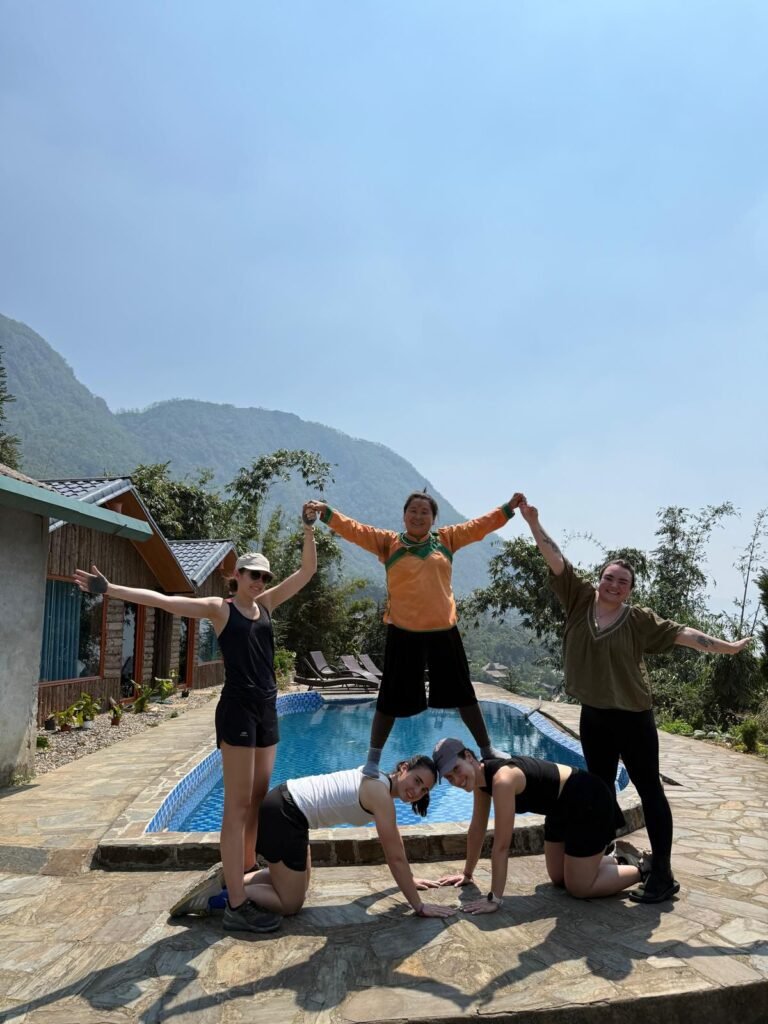
- Mama Mao: speaks fluent English, and Spanish too. Several types of private rooms and a pool. WhatsApp Mama Mao
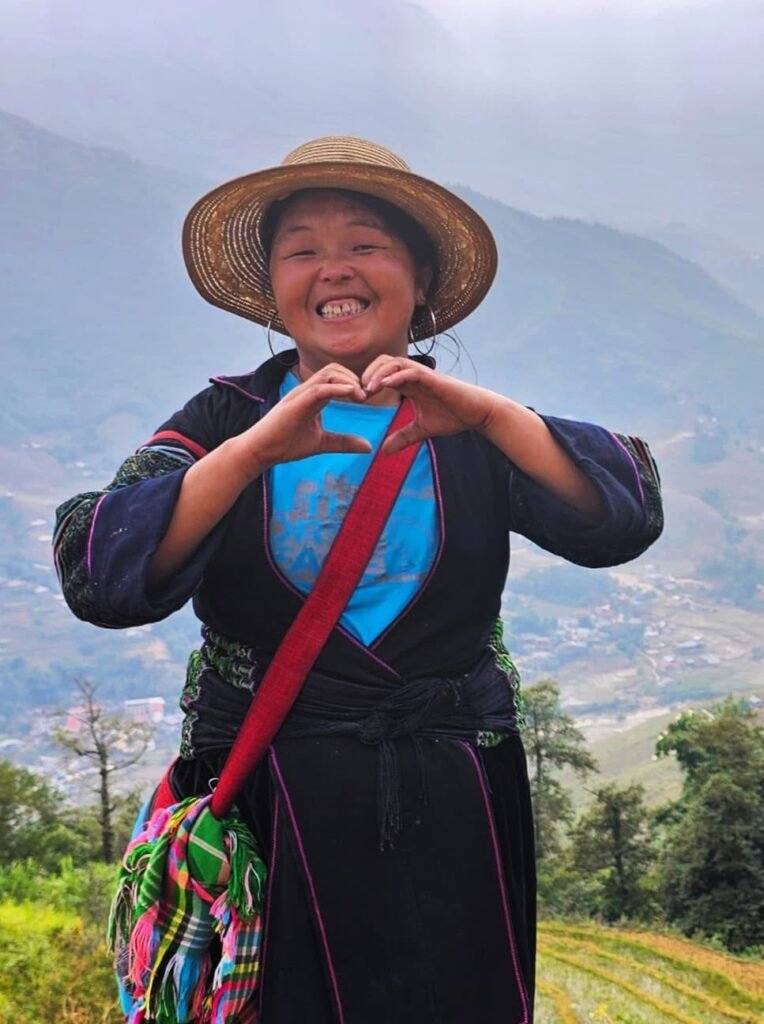
- Mama Vu Vi: guides most of her treks herself and cooks with travellers. A joker, communicates well in English and speaks a little Spanish. WhatsApp Mama Vu Vi
- Dinh Sapa Trekking Adventures: a team of guides, cooking class and Hmong dancing. Rooms with valley views. English only. WhatsApp Dinh
All three give 50,000 VND off per person with the code albertoVN50.
👉 My Sapa guide recommendations have details on each, photos of their accommodation and more options recommended by travellers in my WhatsApp groups.
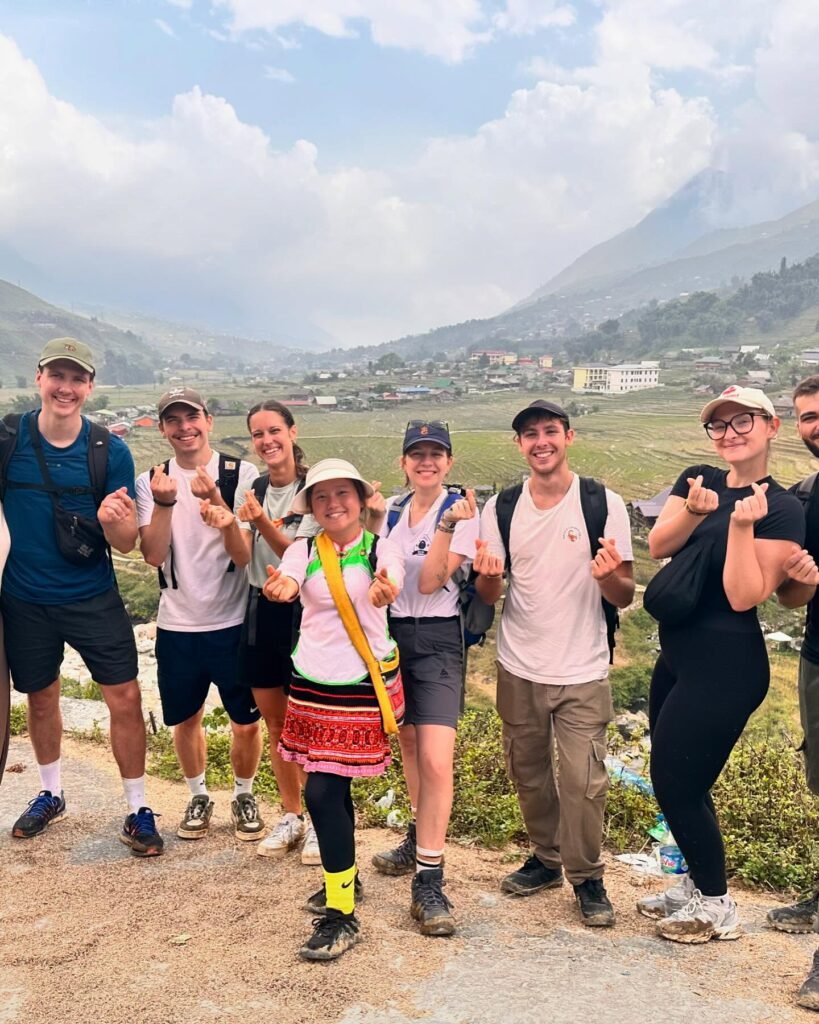
Online platforms. You can also book a trek through platforms like GetYourGuide, where traveller reviews help you choose.
What else to do in Sapa: waterfalls, markets and Fansipan
Besides walking in the valley, Sapa has waterfalls, markets and cultural visits that work well as extra plans or for rest days.
Silver Waterfall and Love Waterfall

Silver Waterfall and Love Waterfall are about 12 km from Sapa town, and only 2 km from each other.
Both charge an entry fee:
- Silver Waterfall: 30,000 VND (about $1).
- Love Waterfall: 70,000 VND (about $2.70).
A very convenient option is a car with driver with Phuong Vu from Holiday Travelling. Contact her directly on WhatsApp for prices and availability.
If you want to see more than the two waterfalls, there’s a fairly complete tour combining nature, easy walks and local life.
👉 Love Waterfall, Silver Waterfall and villages tour (half day).
Sapa town wet market
If you’ve just arrived in Vietnam and haven’t been to a Vietnamese wet market, visit the traditional market in Sapa town, very close to the bus station.
Outside you’ll find the typical fresh produce: fruit, vegetables, fish, meat and so on. Inside there are crafts, clothes, spices, farming tools and much more.
Bac Ha Sunday market and Hoang A Tuong palace
About 100 km from Sapa (2.5 hours by car), the Bac Ha market takes place every Sunday from early morning. People from many different ethnic groups buy and sell all kinds of goods, animals and food. It’s fascinating: people in every colour imaginable trading goods and catching up.
After the market you can visit the Hoang A Tuong family palace, built in the first half of the 20th century with a very interesting mix of European and Asian styles.
You can go by bus from Sapa bus station, or book this Bac Ha market tour. I’ve been several times and, honestly, the tour is the most comfortable option.

Fansipan
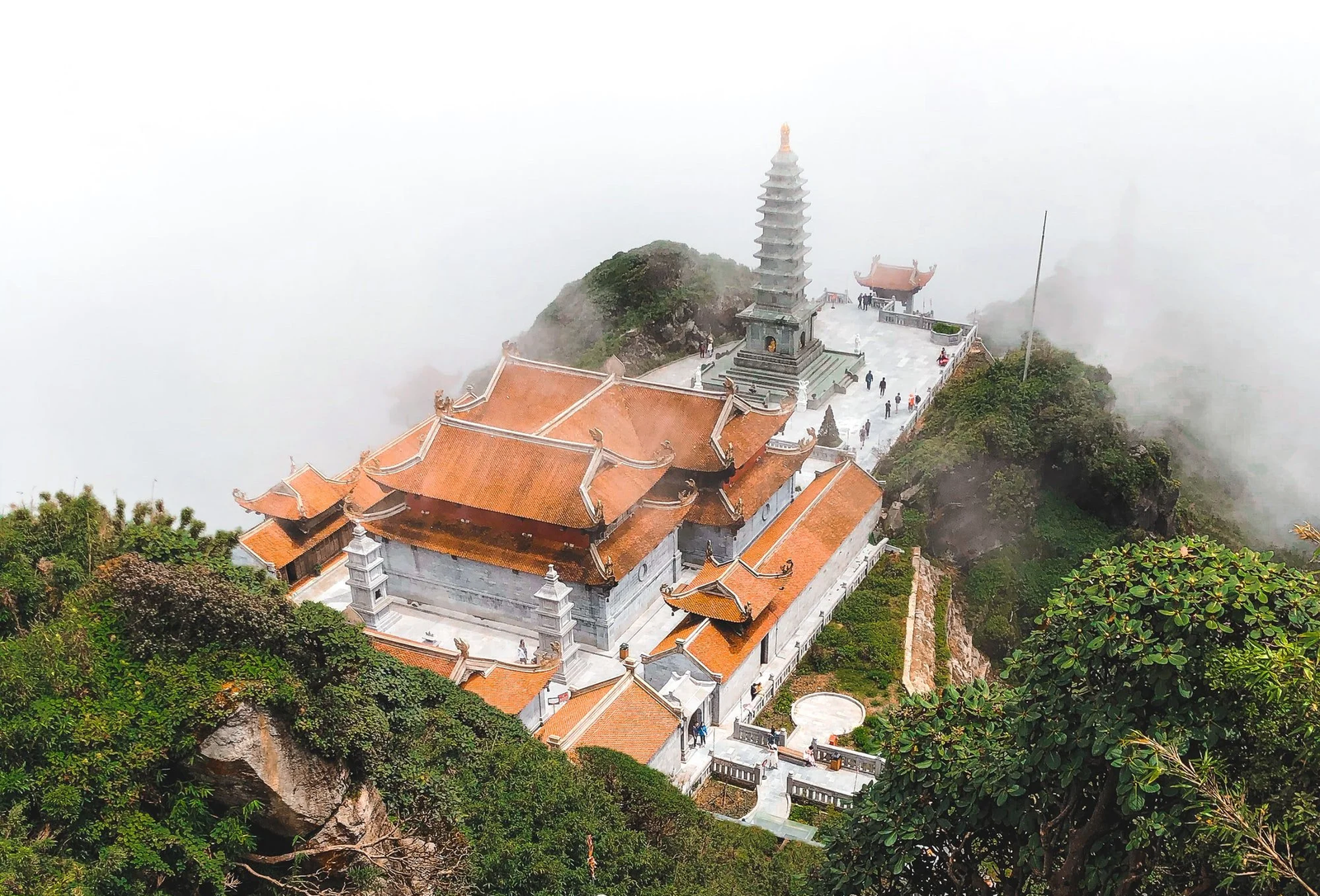
At 3,147 metres, Fansipan is the highest peak in Indochina (nothing higher in Vietnam, Cambodia or Laos), which is why it’s often called «the roof of Indochina».
How to climb Fansipan on foot?
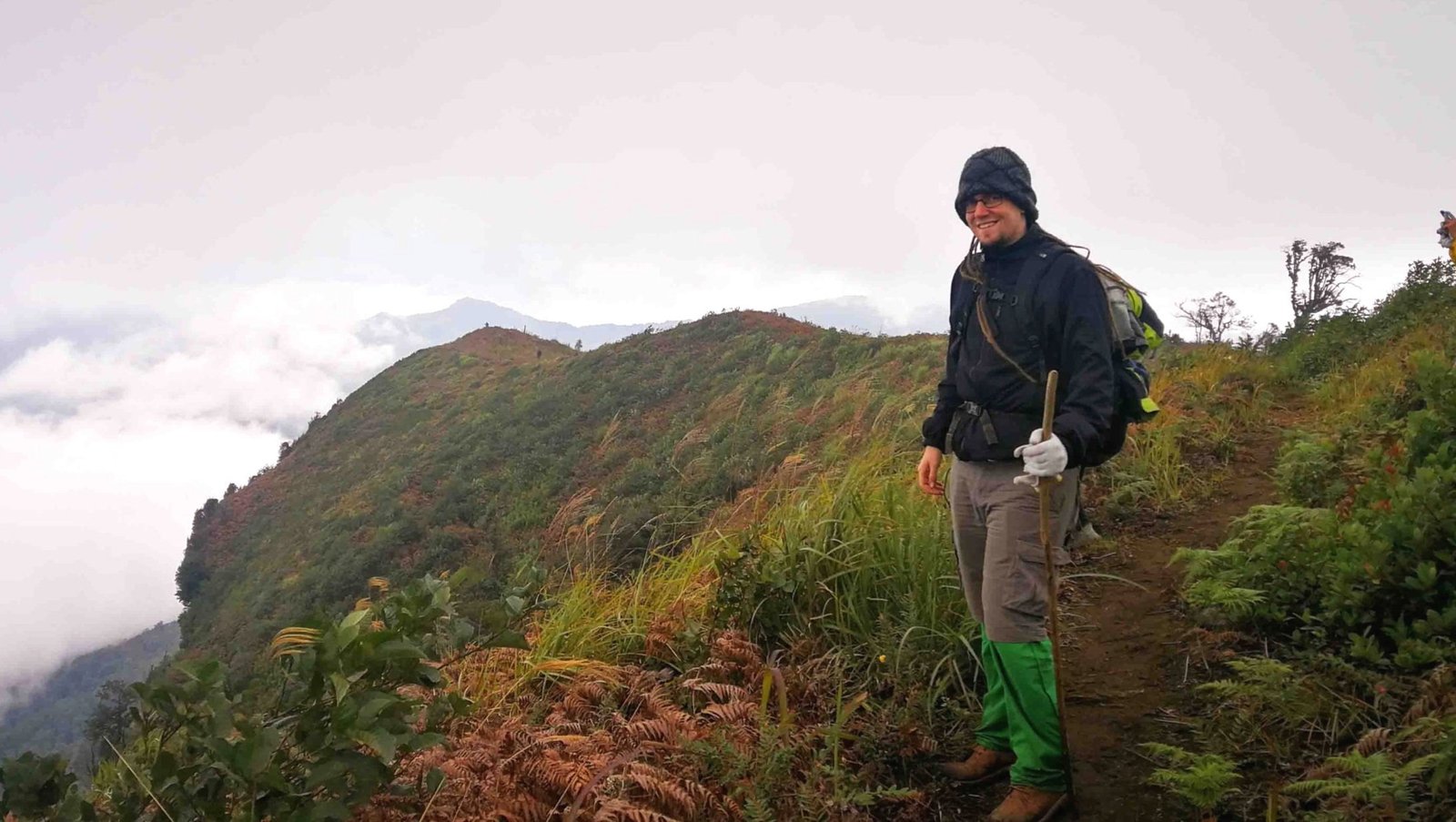
You can only climb Fansipan on foot with a local guide. If you try on your own and rangers find you, you’ll probably be fined about 5,000,000 VND ($190) and sent back down.
Two options for a guide: Dinh Sapa Trekking Adventures, who also organise the climb, or the Fansipan specialist guides in my Sapa guide recommendations. You can also book it on GetYourGuide.
How to go up Fansipan by cable car?
Since 2016 you can also go up by cable car, which holds a Guinness record as the world’s longest three rope cable car. First get to the cable car station, 4 km from central Sapa.
You can get there by taxi or by funicular train from central Sapa. The combined return ticket costs 200,000 VND (about $8).
The cable car ride takes just over 15 minutes and currently costs 850,000 VND ($33) for adults, and 550,000 VND ($21) for children up to 1.4 m. Prices change every year; check the official updated prices on the cable car website.
At the top there are still some steps to the summit: about 600 steps on foot, or a little train for 170,000 VND ($6.50) up and 150,000 VND ($6) down. Prices checked in January 2026.
Fansipan cable car prices
Here’s a summary of current prices (2026).
| Ticket | Adult price | Child price |
|---|---|---|
Sapa to Muong Hoa funicular (return) | 200,000 VND | 200,000 VND |
| Fansipan cable car | 850,000 VND | 550,000 VND (children up to 1.4 m) |
| Panoramic train to the summit (instead of 600 steps) | 170,000 VND up 150,000 VND down | 150,000 VND |
| Combo: Cable Car + Buffet + Muong Hoa Train | 1,250,000 VND | 900,000 VND |
Cat Cat village: is it worth it?
Cat Cat village is quite artificial, set up almost entirely as a tourist attraction. It’s not an authentic village and doesn’t really reflect the life of the communities in the valleys around Sapa.
Personally, I don’t recommend it, as it can give a distorted picture of how these groups really live.

If you still want to go, entry is 150,000 VND (about $6) and lets you walk around the village, full of shops, cafés and restaurants. The best part is the natural setting: a river runs through it and several waterfalls make a lovely landscape.
You can also rent traditional costumes of different ethnic groups for photos, which people after eye catching pictures tend to love.
Alternative plans and rest days in Sapa
☕ Sapa isn’t only walking. These plans suit rainy days or rest days between treks.
On my visits to Sapa I’ve done a few less typical plans:
- Traditional cooking class. Ideal on rainy days if you enjoy cooking and spending time with local people. You’ll learn traditional dishes like Vietnamese rolls or tofu in tomato sauce. You start at a local market buying ingredients and end with a home cooked dinner and Vietnamese rice liquor.
- Hotpot dinner. Many Vietnamese come to Sapa to spend time with friends or family, so there are lots of hotpot restaurants. Again, check Google Maps reviews.
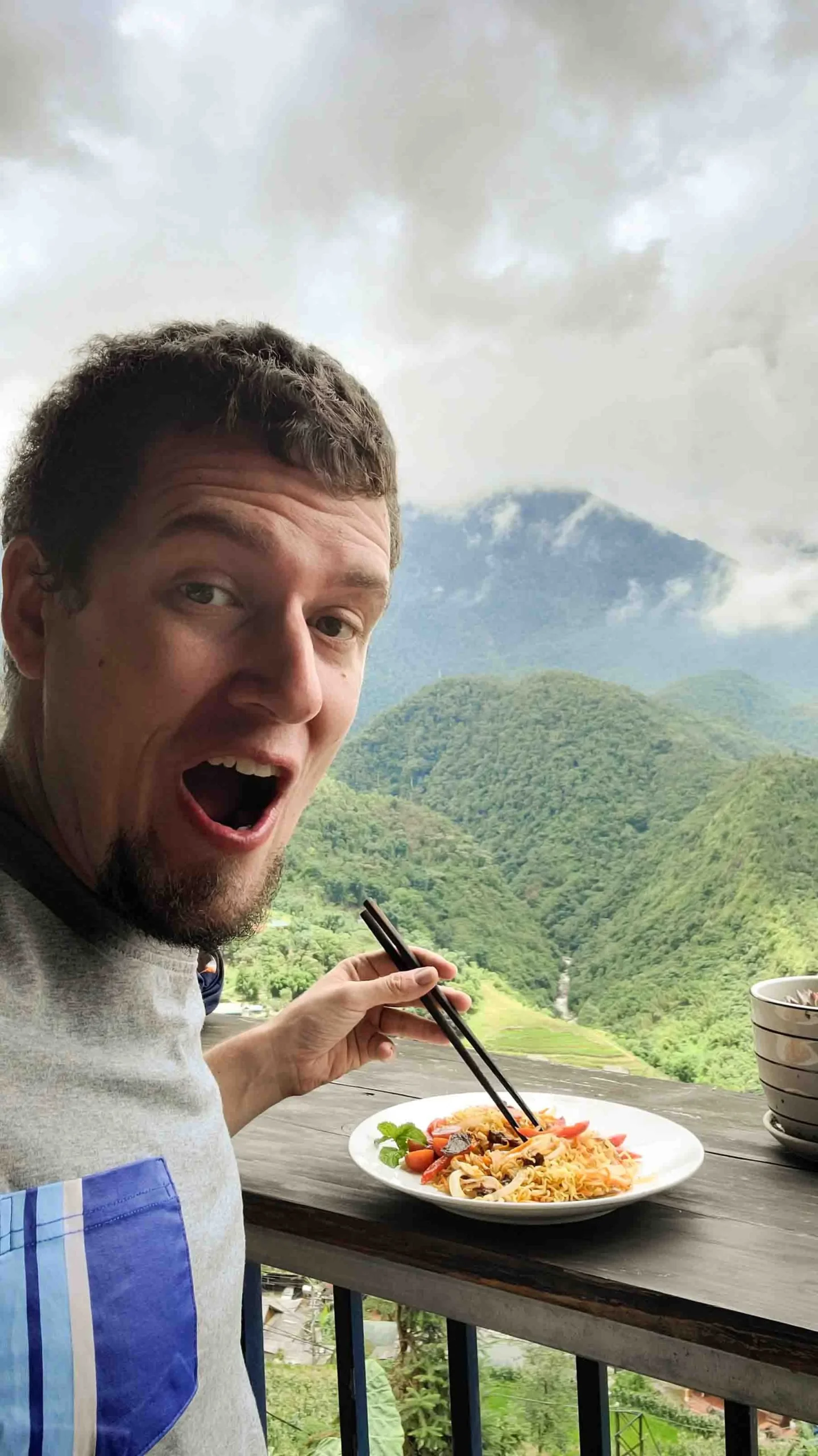
- Coffee with a view. On my last visit I had quite a few coffees at this wonderful café run by Huong, with spectacular views. An amazing place!
- Foot, back or full body massage. There are lots of places in Sapa town, so read Google Maps reviews to find good quality and price. I went to Eden Massage & Spa, rated 4.9/5 on Google Maps with about 7,000 reviews. It’s a bit pricier than other places in Sapa (around $18), but we still tipped. The receptionist was lovely too.
- A relaxing herbal bath at a spa, a Red Dao tradition.
- Shopping for mountain gear and local ethnic clothing. Sapa is one of the best places in Vietnam to buy jackets, fleeces and trekking gear at very competitive prices (Khánh Ly Trekking Shop or Nguyen Dang Guesthouse are good references). It’s also one of the few places to buy clothes hand embroidered by Hmong, Dao and Tay communities, at Sapa market or at Bac Ha on Sundays. More in my guide to where to buy clothes in Vietnam.
When is the best time to visit Sapa?
🧭 Quick summary
- Best time: April to September
- Acceptable: March and October
- Worst time: November to February
For me, winter is the worst time to visit Sapa. It’s quite cold, often foggy, and the rice fields are ploughed, so the landscape loses much of its charm. You can easily reach viewpoints or do treks with hardly any views, which can be disappointing.
Still, there are clear days too, and winter is quieter, with fewer tourists and an experience more focused on rural life and local ethnic culture.

In spring it gets warmer, with fewer foggy days. In March and April, people in the valleys start flooding the terraces to prepare the ground so the rice grows strong and healthy.
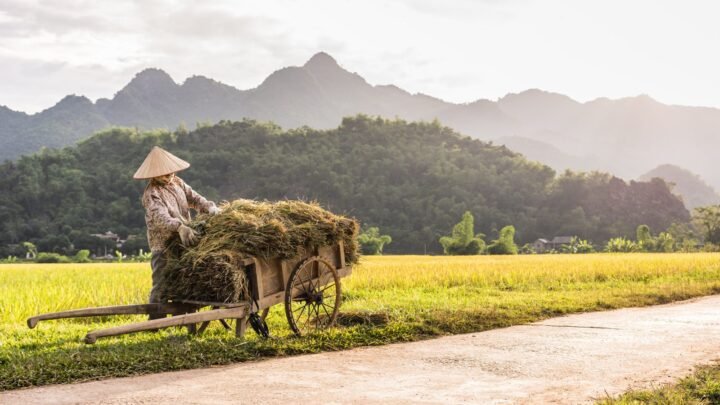
You’ll often see locals ploughing with water buffalo. The signature spring landscape is the flooded terraces reflecting the sunlight like mirrors. Truly magical.
By late spring (late April and May), the first green rice fields appear.

In June, July and August, the rice grows green on the mountainsides and Sapa is especially colourful and pleasant. It’s a lively time, with children and teenagers swimming in rivers and pools in the hottest hours.
The main drawback is that it’s usually hot, with occasional storms. Make the most of the morning and late afternoon, and rest at midday.
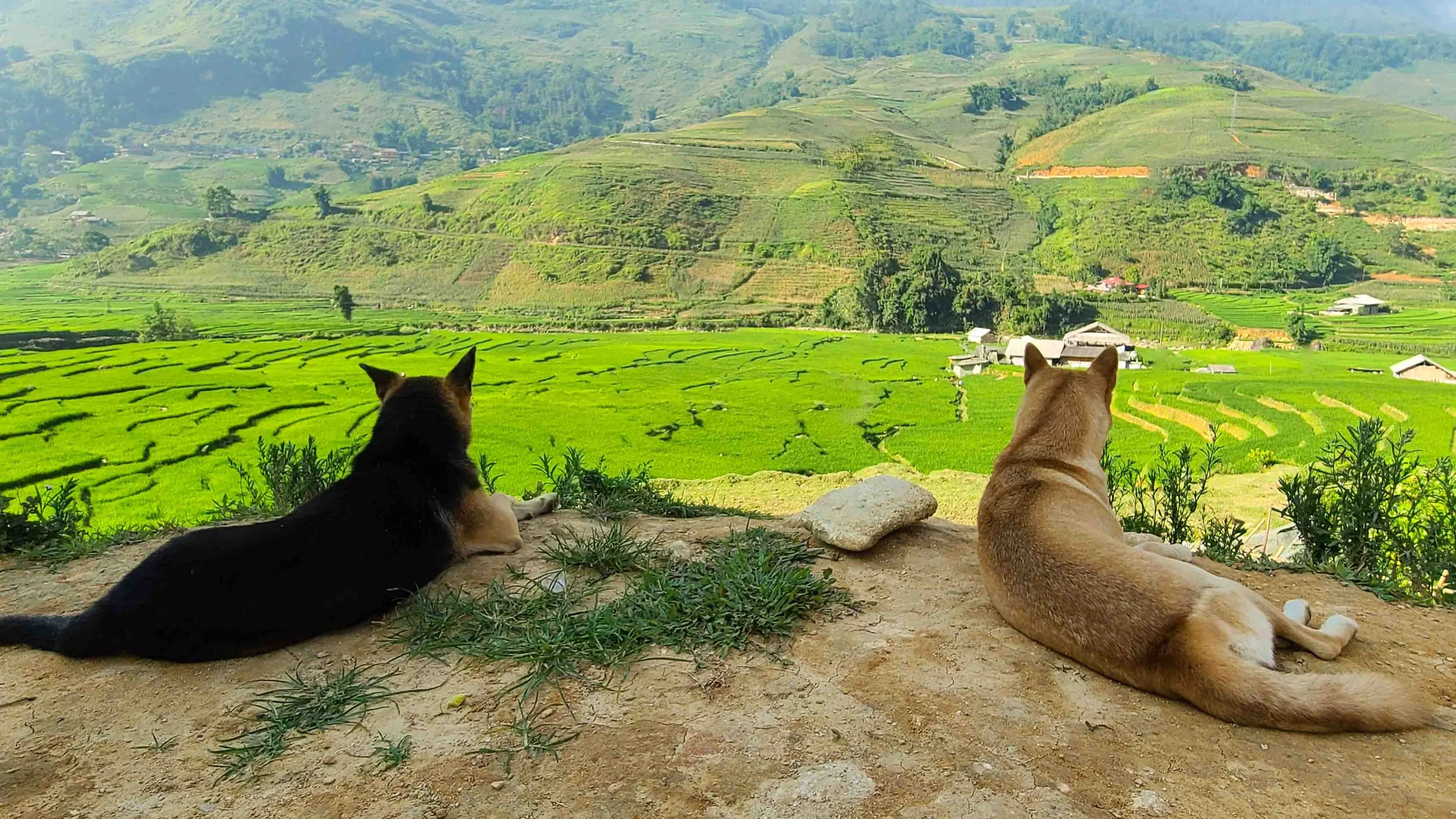
In late summer and early autumn, the rice turns spectacular shades of yellow, a sign that harvest is near. It’s one of the best times for photos, especially at sunrise and sunset, when warm light falls on the green and golden fields.
Harvests usually finish between late September and October. After that the fields gradually dry out, and in the following months the weather gets colder and cloudier.
Where to stay in Sapa?
You can stay in different areas and types of accommodation, depending on the experience you want: nature and local life, or comfort and a town atmosphere.
Ta Van area: bungalows and dorms
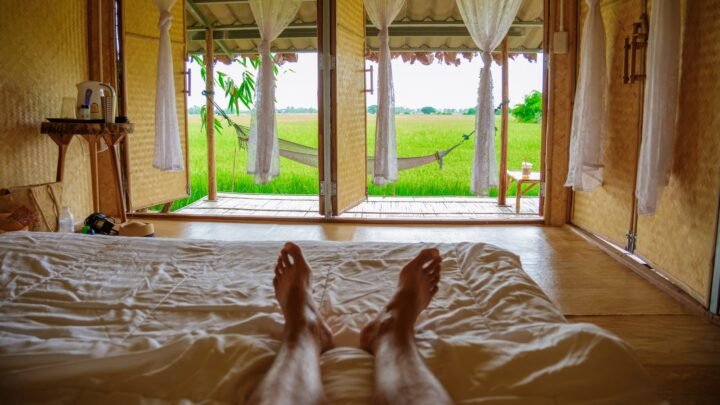
For a natural setting surrounded by rice fields and the traditional life of the valley, Ta Van is a very good option: quiet, ideal to disconnect and have a more authentic experience without giving up comfort.
You’ll find accommodation with stunning views at fairly low prices. I recommend Tavan View Homestay, a very good choice for a comfortable, well located bungalow.
If you don’t mind sharing and want to pay as little as possible, there are dorms, usually a whole floor of a traditional house. For example Peace Home, currently 70,000 VND a night (about $2.70).

Sapa town: recommended hotels
If you prefer a town atmosphere, with bars, cafés and shops, or plan to visit attractions near the centre, staying in Sapa town makes sense.
Sapa Centre Hotel has an unbeatable central location and very friendly staff. Big rooms with wooden furniture for a rustic, cosy feel, good views, and a varied, generous buffet breakfast.
I also recommend Himalaya Sapa Hotel, where I stayed several days on a motorbike road trip. Well located, clean and modern: a good choice for easy comfort.
How to get to Sapa?
🚍 Summary: which option?
- Night train → more comfortable for sleeping, but slower and more expensive.
- Sleeper bus → faster and cheaper, but less comfortable
By train
You can take a night train from Hanoi to Lao Cai, then a bus. The best part: it’s very safe and you sleep well. The worst: it’s slower than the bus and more expensive.
💡 You can book your train ticket on this page.

Standard or luxury sleeper bus
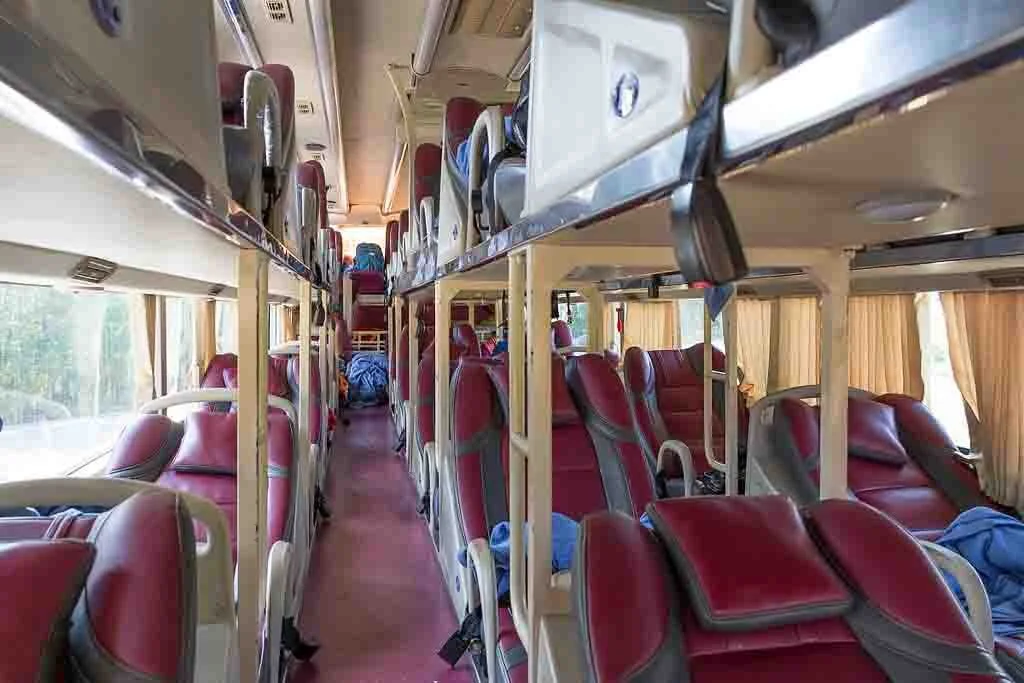
Sleeper buses go straight from Hanoi’s Old Quarter to Sapa itself with no transfers, at a low price. VIP sleeper buses are much roomier than standard ones, with some privacy: each person has a semi private space with a curtain. Most also have a USB port, and some even have a reclining control and massage.
🚌 Where to book? You can book every type of bus on Baolau or Vexere
For all the details, see my article on how to get from Hanoi to Sapa. And for the rest of your trip, my complete guide to getting around Vietnam covers every transport option in the country.

🖐️ Has this Sapa guide helped you?
If you’re planning your trip or have already been, leave a comment below with your questions or experience. I read and reply, and comments often help more than the guide itself.
To keep planning your trip, these will come in handy:
- 👉 Sapa recommendations: local trekking guides with direct contacts, hotels, restaurants and massage places.
- 👉 What to pack for Vietnam: which clothes and luggage are worth bringing for each season and type of trip.
To keep discovering Vietnam step by step, keep reading the blog or follow me on YouTube (in Spanish), Instagram and Facebook, where I share routes, tips and real experiences travelling around the country.