


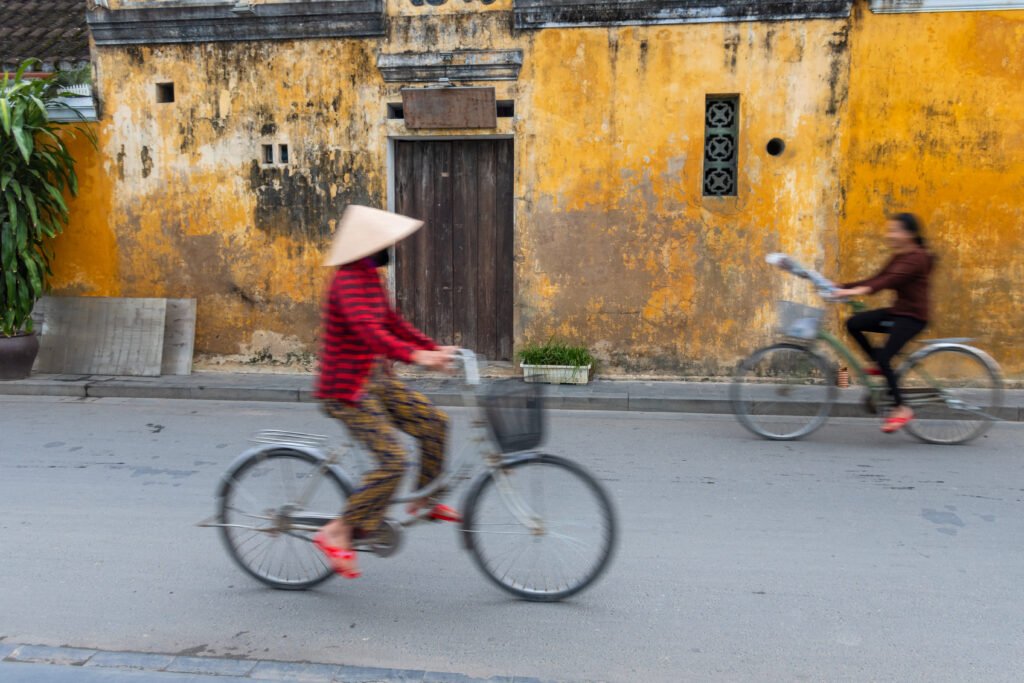
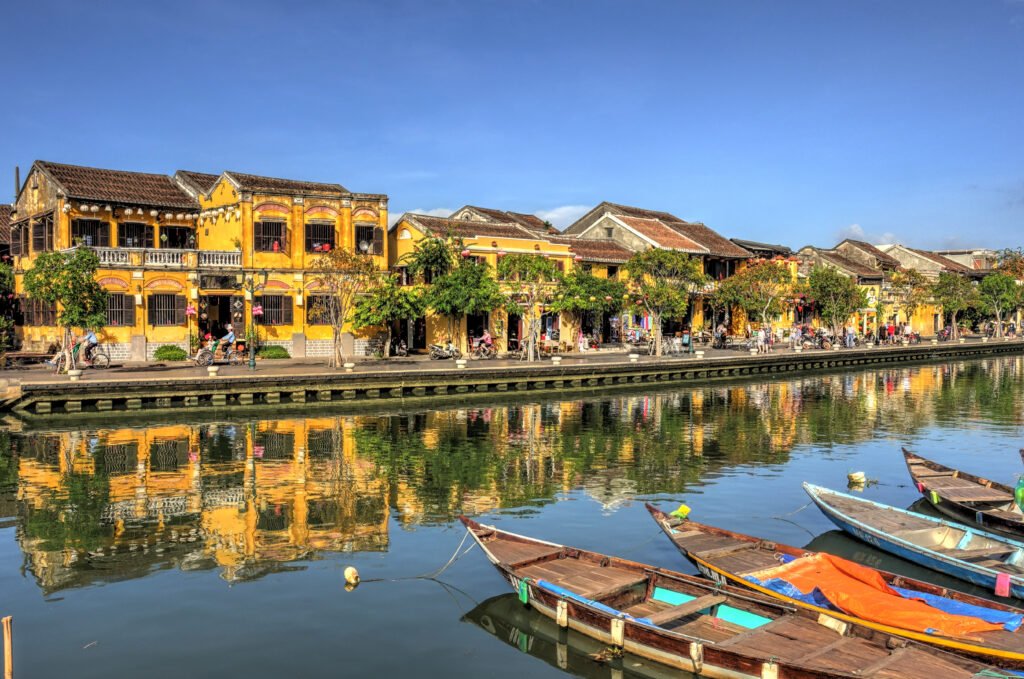
Hoi An is possibly Vietnam’s most photogenic town, but also one of its most visited. Its Old Town, a UNESCO World Heritage Site, is a maze of traditional houses and temples that tell its past as a trading port between Japan, China and Europe.
Being small and an almost obligatory stop for anyone in Vietnam for more than a week, the Old Town can feel overwhelming at peak hours. After several visits, I’ve learned that the trick is knowing when and how to explore it. So this guide covers not just what to see, but how to enjoy it while avoiding the crowds.
Beyond its iconic yellow streets, a few kilometres away there are quiet beaches, small fishing ports, farming villages and trips to places like the Cham Islands. Hoi An is also close to Da Nang, making it a handy base to explore Da Nang’s highlights or even start the famous Hai Van Pass route.
In this complete guide: what to see and do, where to eat and stay, and all the practical tips to plan your trip.
Let’s go!
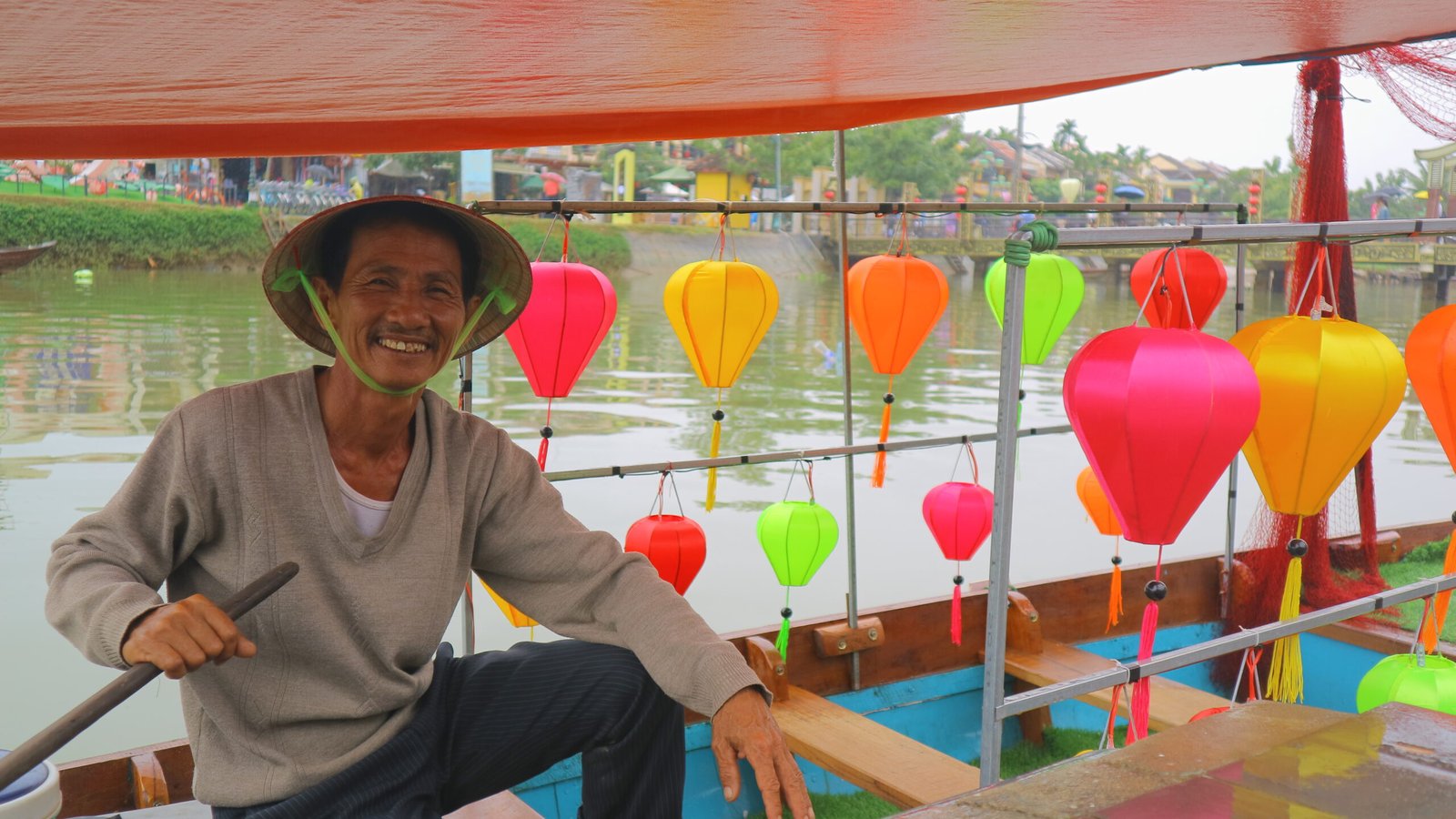
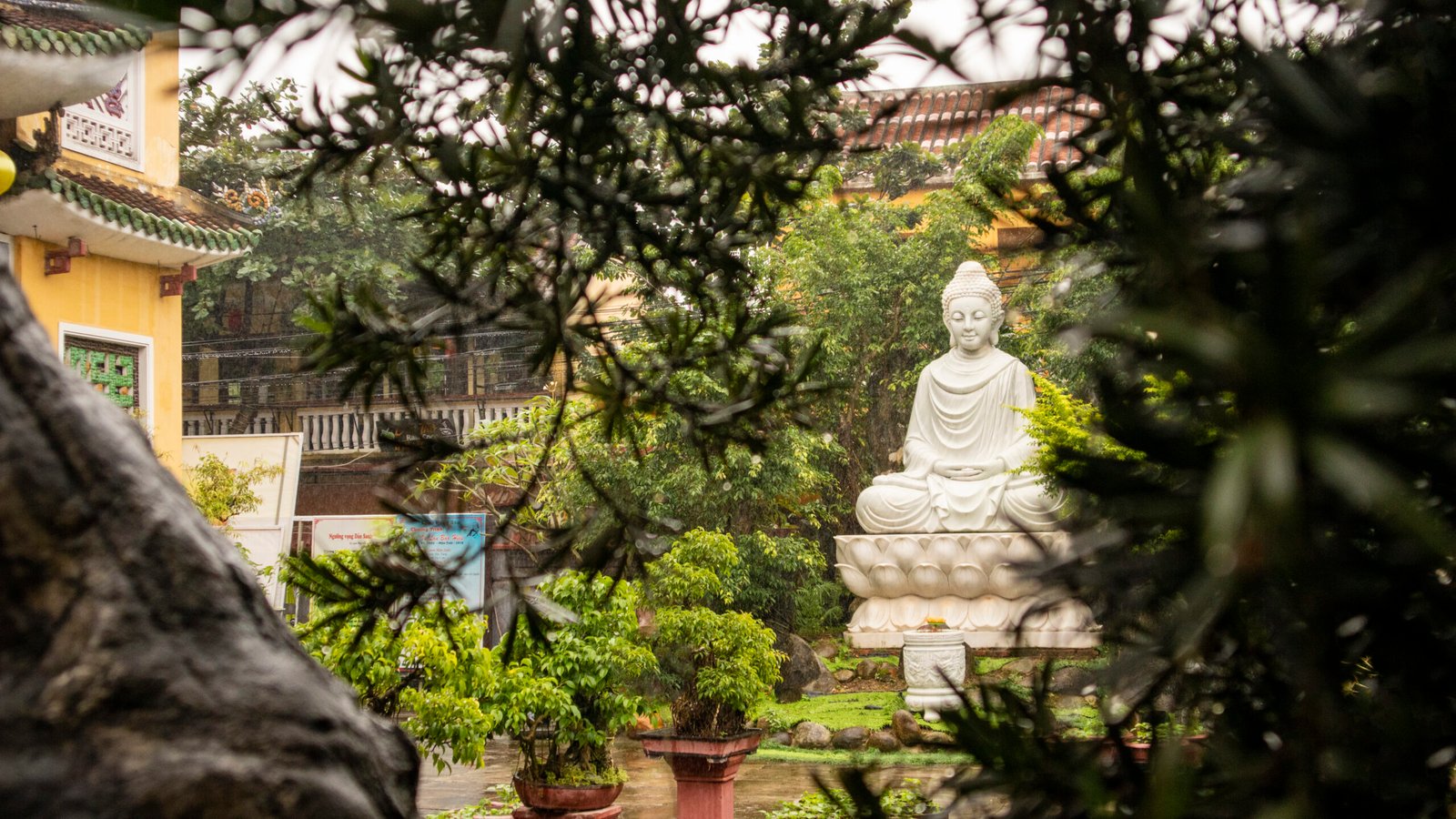

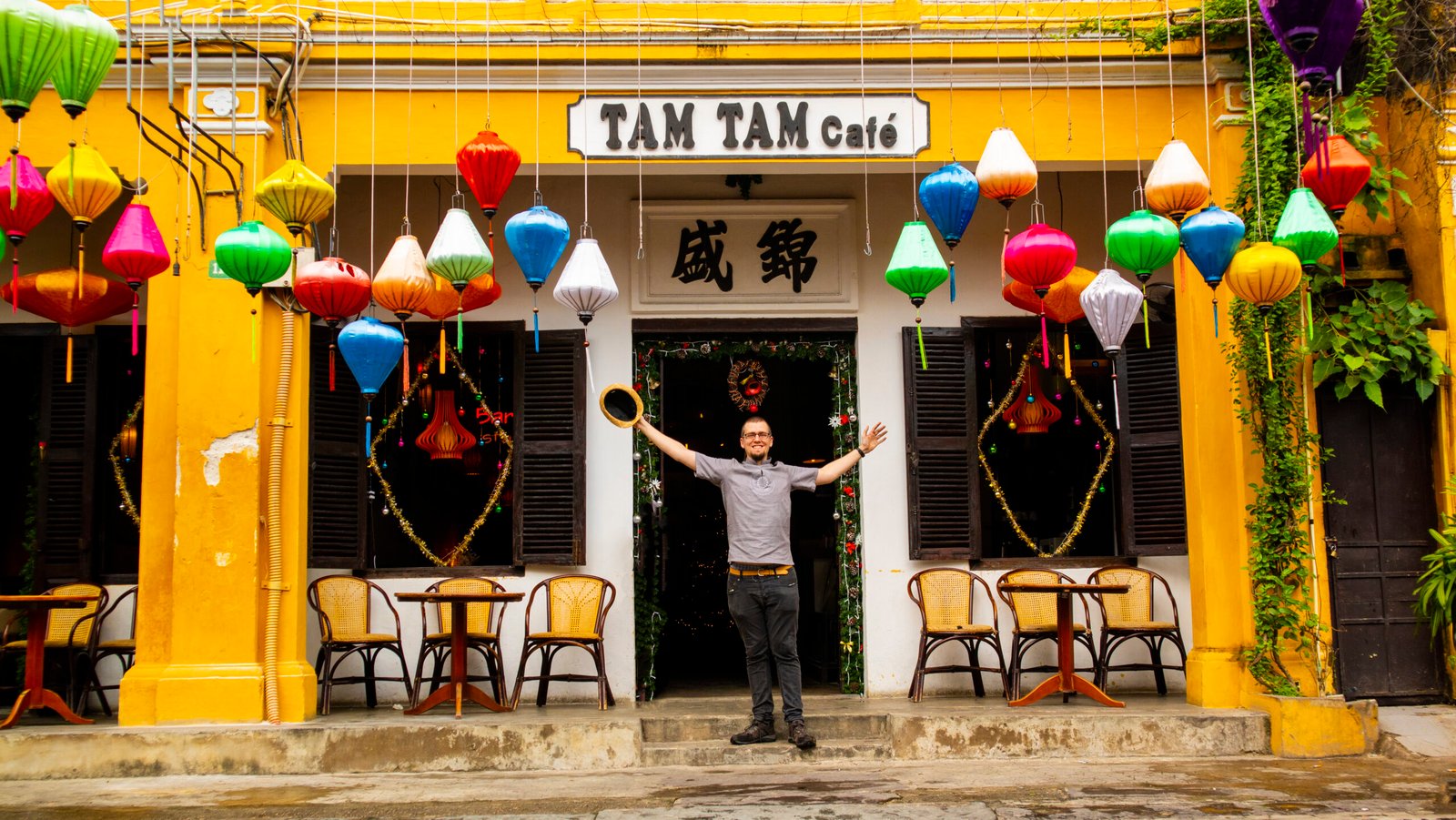
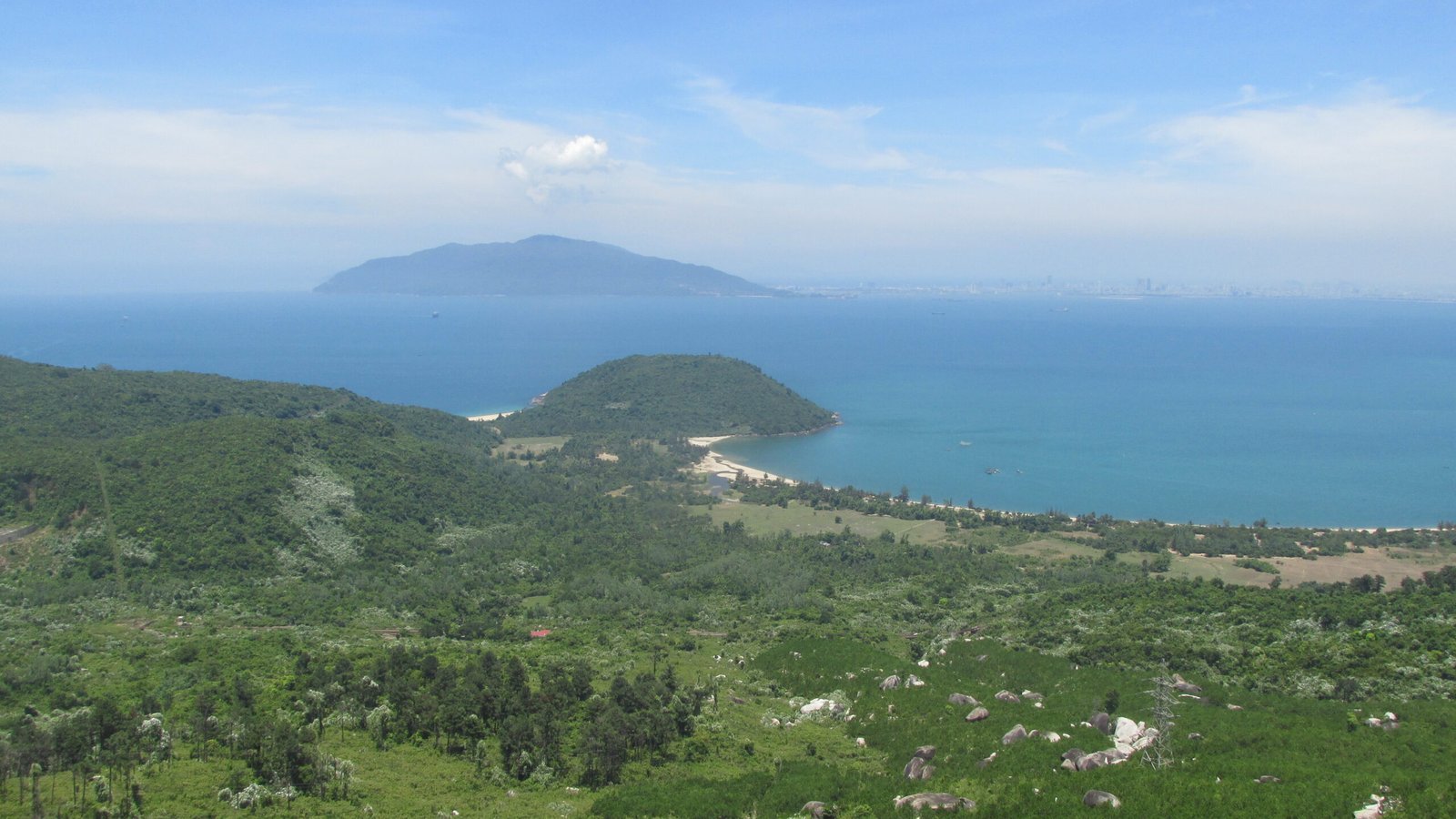
What to see and do in Hoi An Old Town
The main activity in Hoi An Old Town is simple: wander with no plan. Pedestrian streets, yellow facades, temples, colourful lanterns and the riverside create a very special atmosphere.
Beyond the monuments, much of the charm is in the little things: a pretty café, local dishes in traditional restaurants, a souvenir or even made to measure clothes from one of the many tailors. It’s also perfect for unique photos, against the yellow walls or with the lanterns at nightfall.
Places and experiences in the Old Town
If you like photography or discovering local culture through images, Réhahn’s Precious Heritage Museum is really worth it: 200 portraits of people from different regions showing Vietnam’s diversity, and a unique collection of 60 traditional costumes, some that nobody knows how to make anymore. It’s one of my favourite places in Hoi An and I visit every time, not just for the photos but because I enjoy learning about the culture of the country’s ethnic groups.
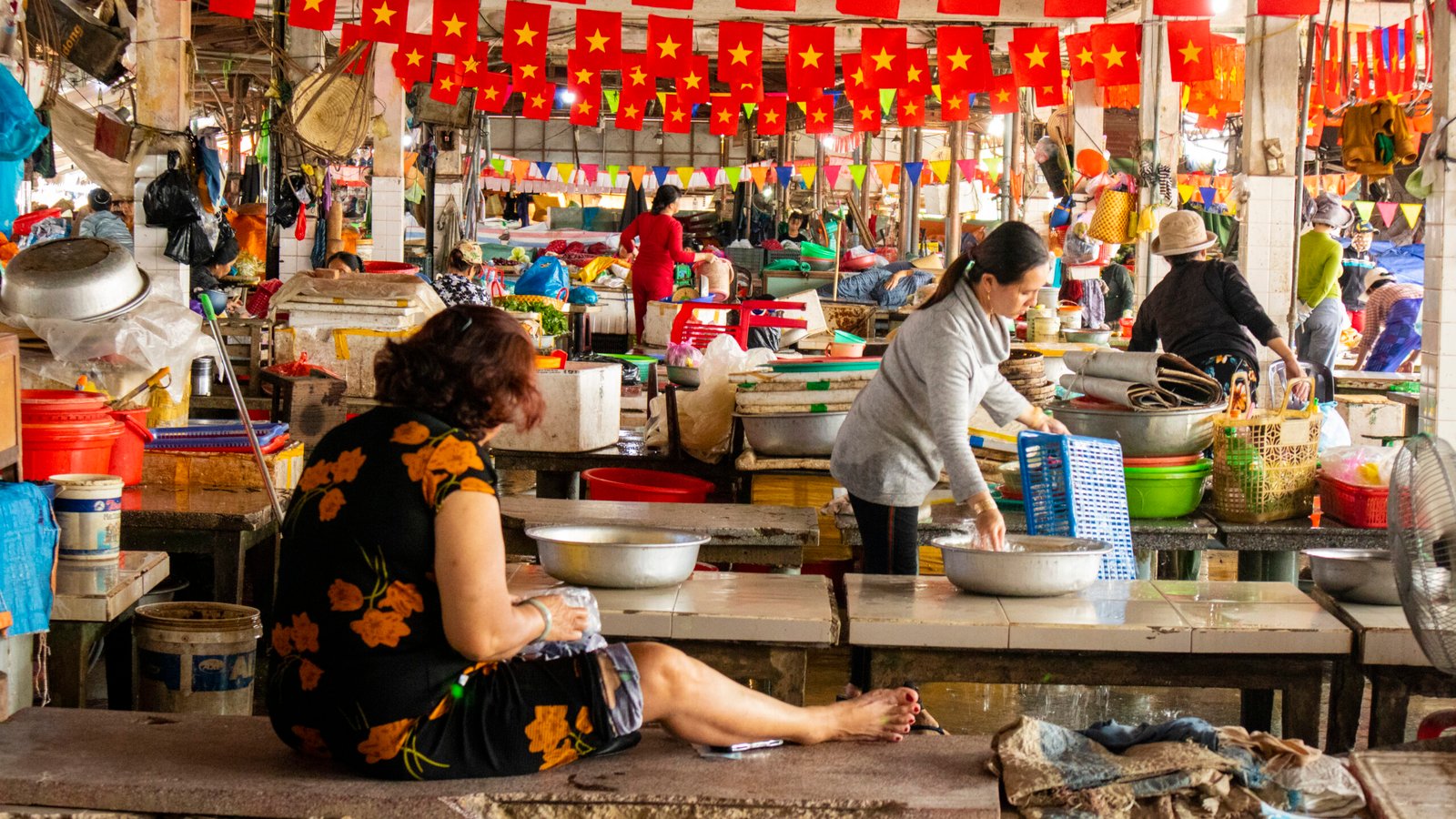
For the everyday side of town, visit the Hoi An wet market by the river: stalls of vegetables, fish, meat and all kinds of local produce, kitchenware and small restaurants where Vietnamese people eat. A great spot to see local life up close and take good photos.
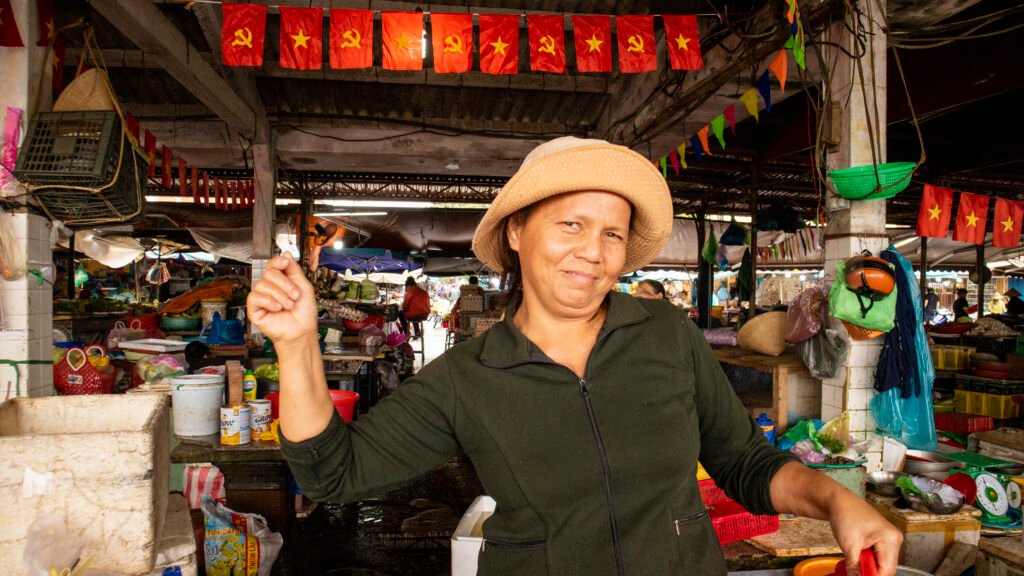
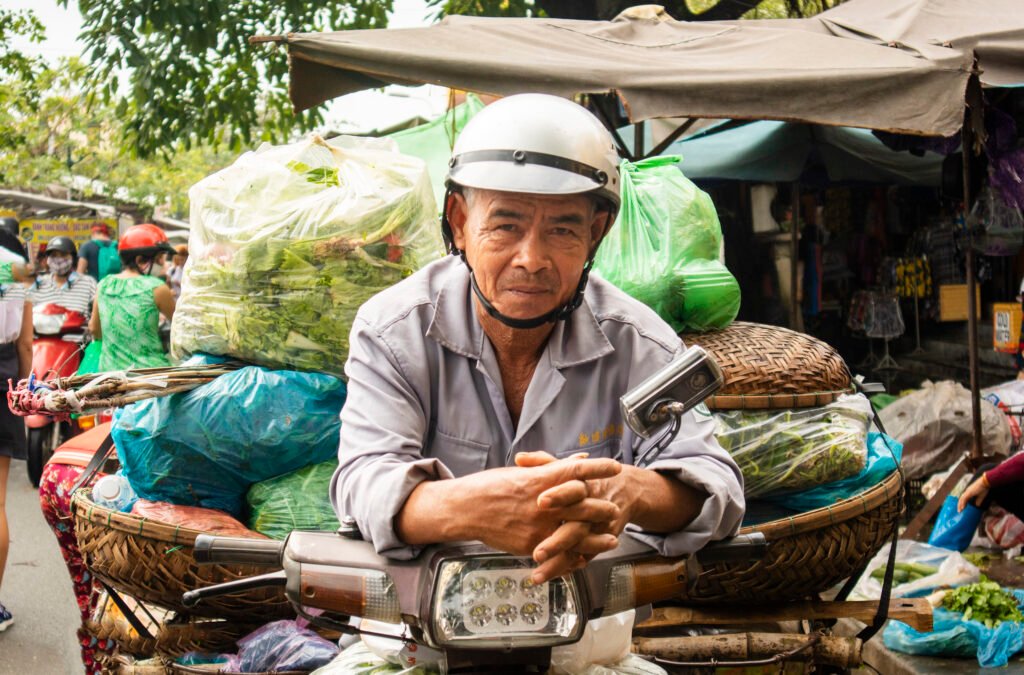
The best time is early morning, when it’s busiest and you’ll see vendors setting up and locals doing their daily shopping.
Hoi An at dusk

At dusk the heat fades, everyone comes out and the lanterns light up the town. Nobody wants to miss it, so the streets, especially along the river, fill with people.
A classic is a boat ride on the river to see the Old Town lit up. Buy the ticket on the spot (prices vary by time and seller) or book online in advance. It lasts about 20 minutes and includes a small candle to float on the water with many others: a magical atmosphere, though it also adds to river pollution.
Full Moon Festival in Hoi An
On certain days each month, with the full moon, Hoi An holds its Full Moon Festival. Many lights in the Old Town are switched off, and the town is lit mainly by lanterns and candles. Some travellers try to coincide with these dates; others avoid them because of the crowds.

Here are the Full Moon Festival dates for 2026 and 2027:
📅 Hoi An Lantern Festival calendar (2026)
These dates match the full moon (14th day of the Vietnamese lunar calendar).
January 2, 2026
February 1, 2026
March 2, 2026
April 1, 2026
May 30, 2026
June 28, 2026
July 27, 2026
August 26, 2026
September 24, 2026
October 23, 2026
November 22, 2026
December 22, 2026
📅 Hoi An Lantern Festival calendar (2027)
These dates match the full moon (14th day of the Vietnamese lunar calendar).
January 21, 2027
February 19, 2027
March 21, 2027
April 20, 2027
May 19, 2027
June 18, 2027
July 17, 2027
August 15, 2027
September 14, 2027
October 13, 2027
November 11, 2027
December 11, 2027
Hoi An Memories Show
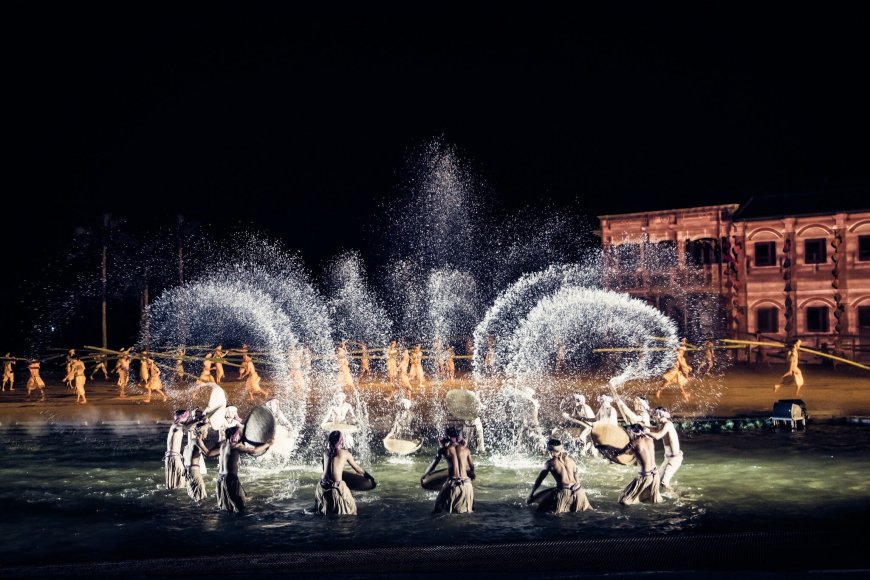
You can also see the Hoi An Memories Show, a night show of music, dance and visual effects celebrating the town’s history, with over 500 performers, one of Vietnam’s biggest productions. It runs 20:00 to 21:00, but your ticket lets you in from 16:00 to explore the theme park, with themed areas, temples and cultural spaces.
Ticket to visit Hoi An Old Town
Walking around the Old Town is free, but you need a combined ticket for the historic buildings. There are over 20 buildings you can visit, but the ticket only covers 5, so choose carefully.
Ticket practical information
- Price: 120,000 VND (about $4.60)
- Valid for: 24 hours
- Includes: entry to 5 historic or cultural sites
- Where to buy: at the yellow booths around the Old Town
Not every building is worth it, but some are very interesting, both for the town’s history and for their architecture.

What’s NOT worth it with the ticket
The Japanese Bridge is one of Hoi An’s best known sights and icons, and appears on the 20,000 VND note. Crossing it uses one entry of the combined ticket, but in my opinion it’s more interesting from outside.
There are also several museums, like ceramics, folk culture or the Hoi An museum. I’ve visited some and, in general, didn’t find them interesting. That’s my honest opinion, but if you go and like one, tell us in the comments!
What IS worth it with the ticket
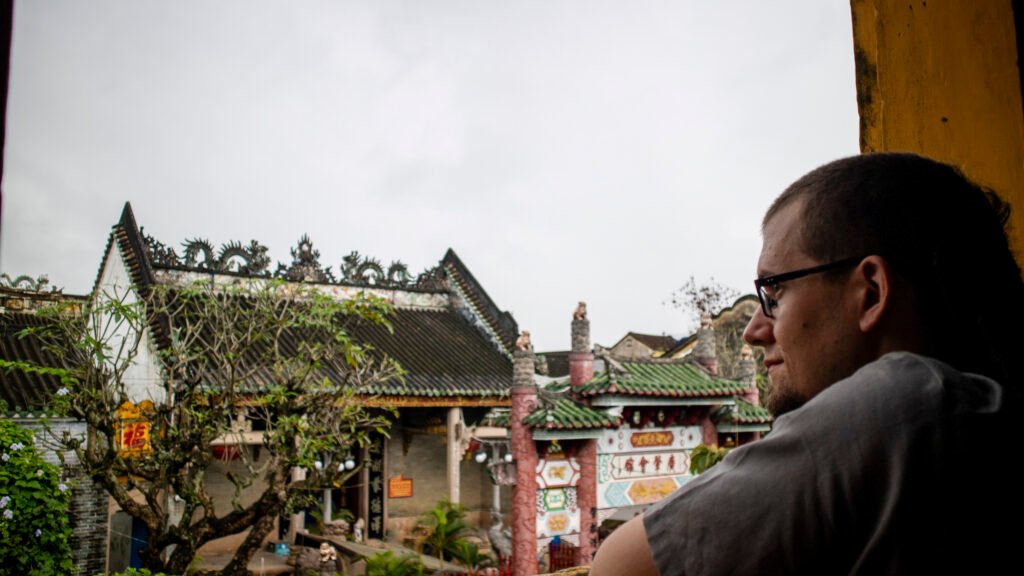
I’d use the ticket for a traditional house, like Tan Ky or Phung Hung (one is enough), and for one of the Chinese assembly halls, like Teochew, Fujian or the Cantonese one. Each has a different style, so several don’t feel repetitive. Fun fact: in these temples you can leave a message or wish on one of the incense coils hanging from the ceiling; the smoke carries your wishes to the sky for the deities to grant. At the Fujian hall it costs 500,000 VND, about $19.
What to do around Hoi An (boats, villages and ports)
The Old Town is the main draw, but a few minutes away there are very different, more authentic experiences. From very touristy activities to corners with hardly any visitors, it’s worth exploring the surroundings.
Coconut boats
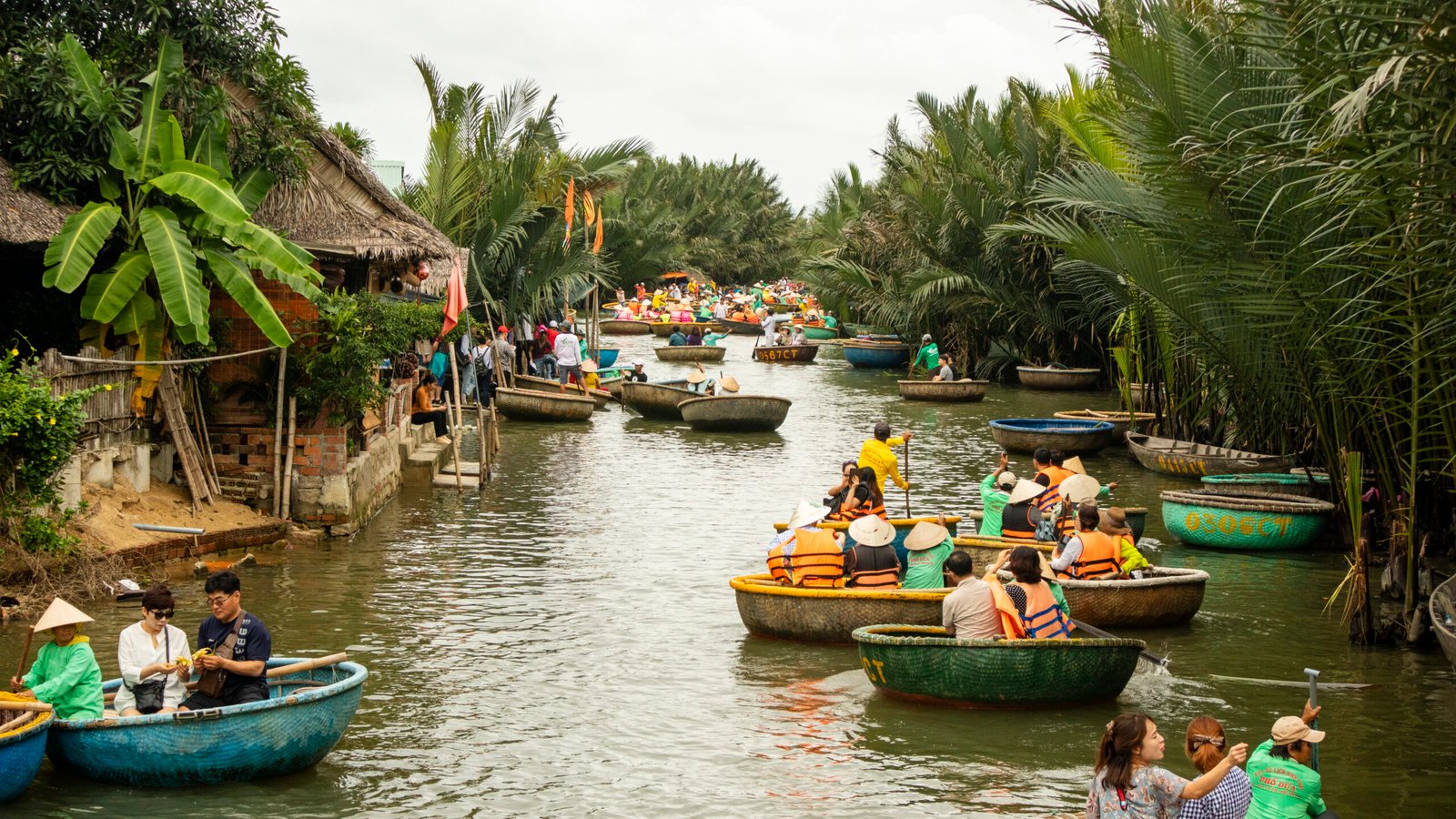
One of the activities you’ll see most on social media. These round boats really are typical in Vietnam, especially in coastal fishing areas, but the Hoi An experience has little that’s authentic.
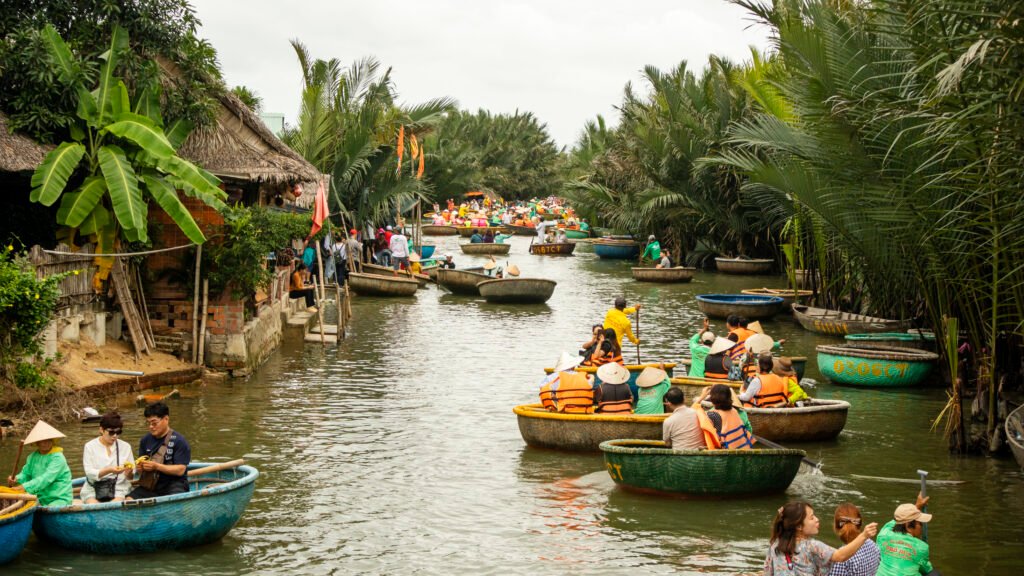
When I went, there were overwhelming crowds. After paying, I found loud music and a very touristy atmosphere. I disliked it so much that I left without doing the activity, and I’ve heard similar opinions from several travellers.
If you really want to do it, go very early to avoid the crowds.
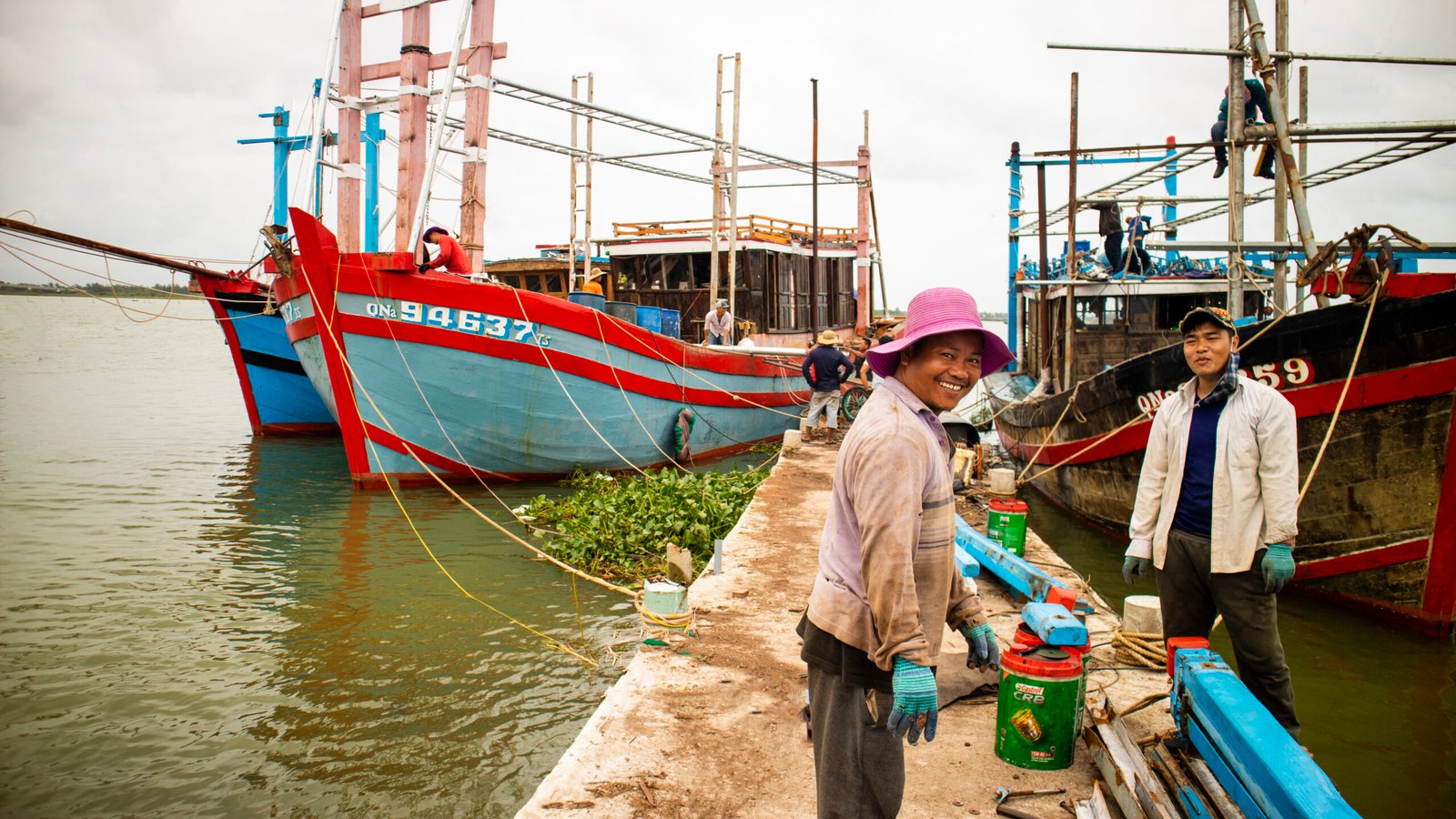
An authentic fishing port
Very close to the coconut boats, across the river, there’s a small authentic fishing port. When I visited early in the morning, fishermen were coming back, unloading their catch, selling fish and seafood, and later others were repairing their boats. Go at sunrise, around 5:00. Later it can still be interesting, but quieter.
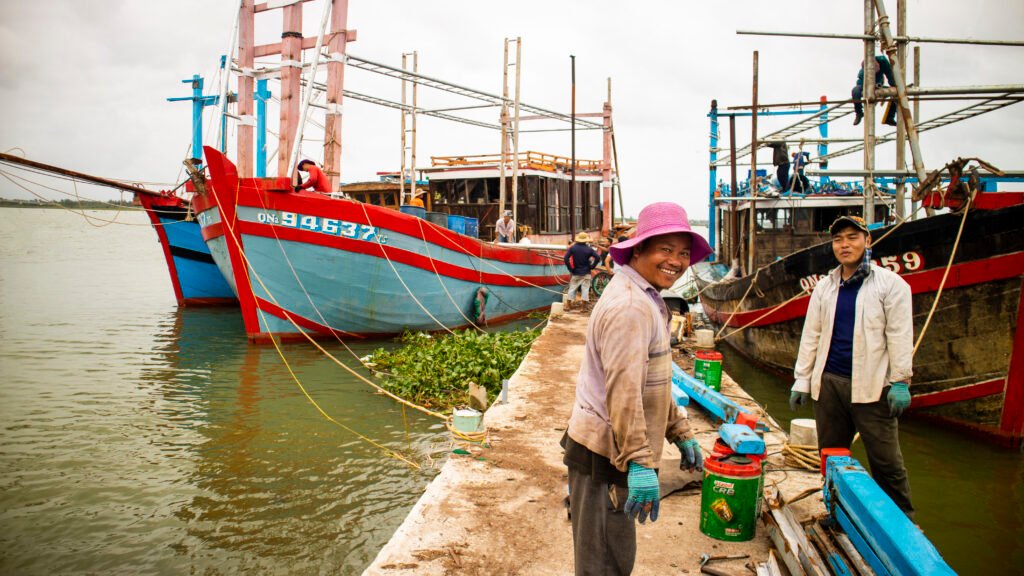

It’s one of those places that hardly appear in guides and, precisely for that, keep their essence.
Farming village and other traditional villages
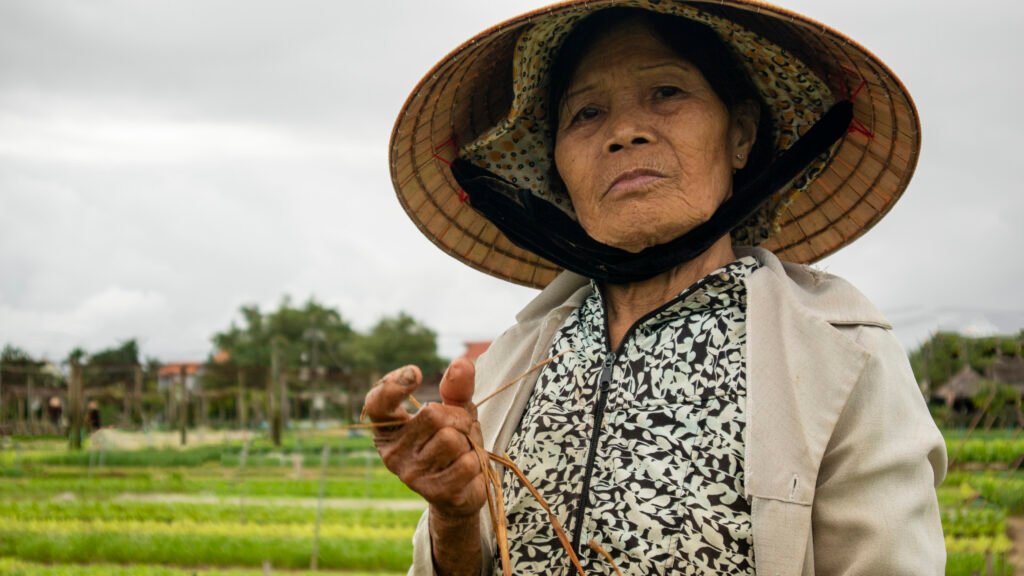
A few minutes by bike from Hoi An is Tra Que farming village, with vegetable gardens tended by local families. A good plan to escape the bustle, take a relaxed walk and see a more rural area. There’s a café with juices, smoothies and simple dishes at reasonable prices; I had lunch there on my last visit and it was great.
You can also visit Thanh Ha pottery village, a craft village with over 500 years of history recognised by UNESCO. Pottery is still made traditionally, and you can watch the process or join a workshop to make your own souvenir.

Other activities and experiences in Hoi An
Hoi An has a great food tradition, so one of the most popular experiences is a cooking class. Many include a visit to the local market and teach typical dishes like cao lầu, mì Quảng or bánh xèo.
You can also take a Vietnamese coffee class to learn its best known versions, or join a lantern making workshop to create one of the town’s icons.
For something simpler, a food tour is a great way to try different dishes while exploring the town.
Hoi An’s best beaches and snorkelling at the Cham Islands
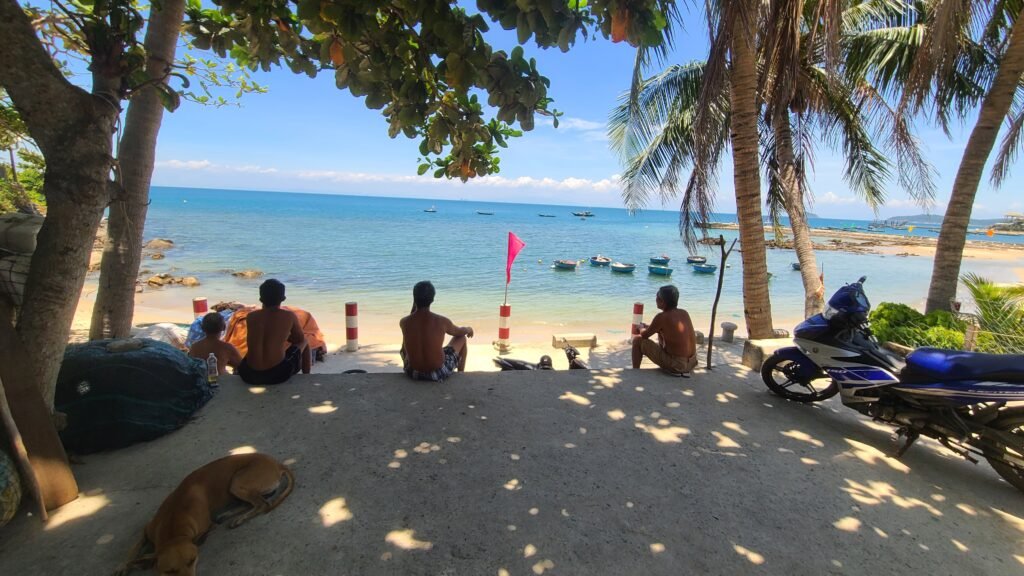
Hoi An has several nearby beaches to relax and enjoy the sea, or for activities like snorkelling or diving.
An Bang Beach and Cua Dai Beach
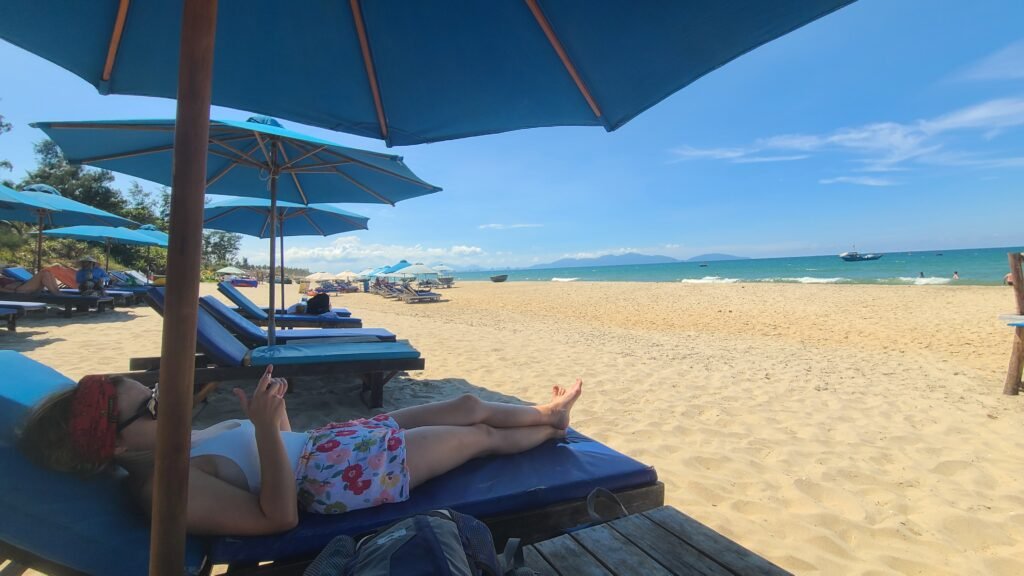
An Bang Beach and Cua Dai Beach are the best known and easiest to reach, by bike, motorbike or Grab in about 10 to 15 minutes.
An Bang Beach is the most popular and liveliest, with restaurants, bars and sun loungers. Good for an afternoon, seafood or a drink by the sea. I recommend the Phuong’s Beach bar, with free loungers on the sand if you eat or drink there (at totally reasonable prices).
Cua Dai is a long beach, ideal for walking, with restaurants and cafés along the coast. By day it’s mostly tourists; locals arrive early morning and at sunset. At the end of the beach there are seafood restaurants with fresh fish.
How to visit the Cham Islands: snorkelling and diving trips
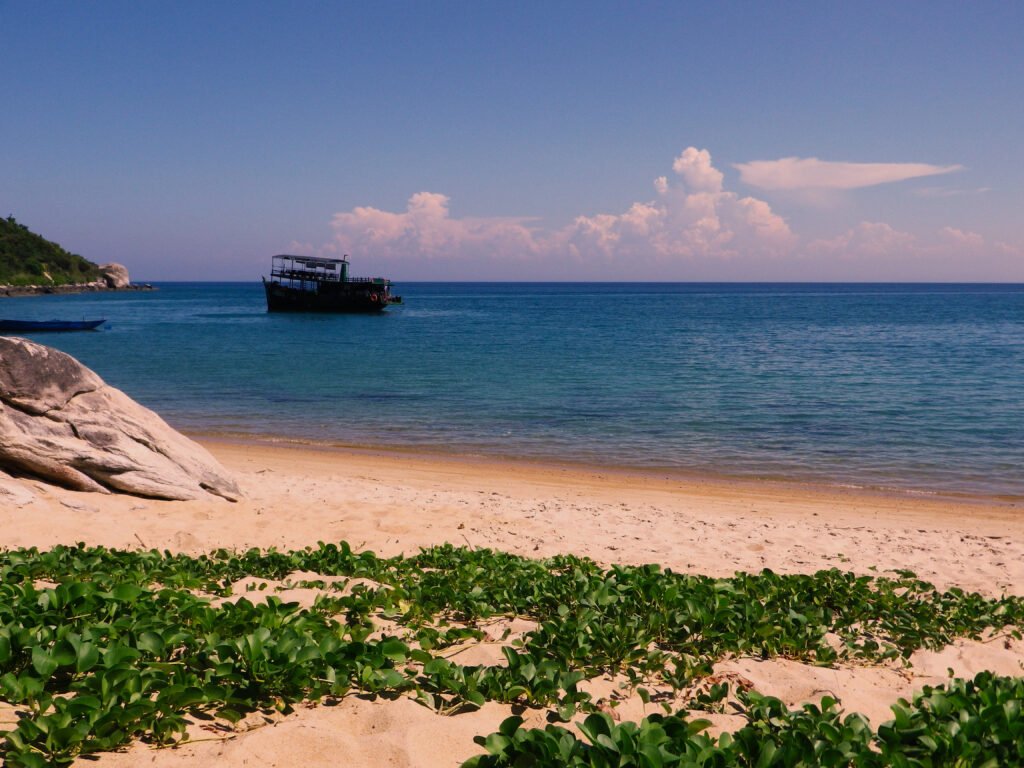
The Cham Islands are a good place for snorkelling, especially if you’ve never seen coral, though it’s not as good as Thailand or the Philippines. You can go independently or on a tour, but for a full snorkelling day, a tour is most practical.
On your own
Take a speed boat (about 400,000 VND return), usually between 8:00 and 9:00 from this port. Prices vary by company and overcharging is common, so compare or haggle a little.
On the island, the best snorkelling spot is Bai Xep beach, on foot or by motorbike. You’ll see coral and fish, but there are no shops, so bring water and some food, and your own snorkelling gear.
Snorkelling tour
With only one day, a tour is usually the most comfortable and efficient option: speedboat, snorkelling gear and stops in different areas, usually harder to reach on your own.
Choose your tour carefully. Many are aimed at big groups: crowds in the water, life jackets everywhere and a noisy atmosphere, more chaotic and less about enjoying nature calmly.
The tour I recommend offers a more careful experience, with fewer tourists, focused on snorkelling, avoiding crowded spots and unnecessary stops like markets. With only one day, that’s the one I’d pick.
Diving at the Cham Islands
Several dive centres in Hoi An run trips to the Cham Islands. It’s not a top Southeast Asian dive spot, but it can be a good first experience or a way to get your fix if you already dive.
Prices are around $80 for a try dive and about $90 for certified divers, with two dives. I dived with Tiger Fish Divers and recommend them: they take safety seriously, and the boat is fast and not overcrowded. Other options are Cham Island Diving and Blue Coral.
How long to stay in Hoi An?
Hoi An is one of those places where you could spend a week watching life go by, but if you’re planning a route around Vietnam, be realistic with your calendar.
My recommendation: 4 days for the area (Hoi An and Da Nang). Here’s what you can do with each:
- 1 day: only if you’re in a real hurry. You’ll focus only on the Old Town.
- 2 days: the recommended minimum to see the centre calmly and pop down to the beach.
- 4 days: what I’d do. You see the Old Town, enjoy the beach (An Bang or Cua Dai) and do one or two trips to places like My Son, Da Nang, the Golden Bridge (the giant hands) or the Hai Van Pass.
In short: if you’re short on time, 2 days is the minimum. If you can, stretch to at least 3 or 4 days to enjoy the area much more and add extra plans.
💬 Not sure how many days to give Hoi An or how to fit it in? Ask me in the comments, or in my new WhatsApp group in English: it’s small for now, but you’re very welcome to join.
Day trips from Hoi An
With several days in Hoi An, it’s well worth exploring further. In under an hour you can reach very different places: ancient ruins in the jungle, one of Vietnam’s most important coastal cities, or spectacular scenic routes.
Here are the best trips, with practical tips to make the most of your time and budget.
My Son Sanctuary: Cham ruins in the jungle

My Son is one of the most popular trips from Hoi An, about 40 km away (around 1 hour by car): a group of temples built by the Cham civilisation between the 4th and 13th centuries. Today the ruins are only partly preserved; time, vegetation and bombing during the Vietnam War have left many structures quite damaged.
At the time, the Cham ruled much of what is now central Vietnam and were heavily influenced by Indian culture, which explains the architectural similarities with complexes like Angkor Wat in Cambodia. An honest warning: if you’ve been to Angkor Wat, My Son will probably seem less impressive. Still, if you like history, it’s worth it.
My tip: go very early, ideally around 5:00 to 6:00, to avoid the heat and big groups and get better light for photos.
How to visit My Son from Hoi An:
- On your own: by motorbike, car with driver or taxi. The most flexible option, but you organise everything.
- Organised tour: the most comfortable. Transport and often a guide included, and some tours leave early. I recommend this early morning tour.
About Cham culture: the Cham people still live in central and southern Vietnam and in Cambodia. Most are now Muslim, but when My Son was built they followed religions of Indian origin.

Short traditional Cham music and dance performances take place during the day (about 15 min) in a theatre near the entrance. If you’re short on time, prioritise the ruins, but if it coincides it’s a nice extra. They’re usually around 9:45, 10:30, 11:15 and 15:30.
What to see in Da Nang in a day
Just 30 minutes by car is Da Nang, Vietnam’s fifth largest city. There’s a lot to see and do, so go with a clear plan.
The main places to visit in Da Nang:
- Marble Mountains: my favourite place in Da Nang and the closest to Hoi An. Mountains with underground pagodas and incredible viewpoints. Entry is 40,000 VND, plus 20,000 VND for Am Phu cave (worth it), about 60,000 VND ($2.30) in total. There’s also a lift for 15,000 VND per trip (about 60 cents). Am Phu cave depicts the Buddhist underworld with impressive sculptures and a unique atmosphere.
- Ba Na Hills (Golden Bridge). One of the most famous places in Vietnam on social media: a European style theme park home to the famous bridge held up by giant hands. The cable car to the top is quite impressive. If you go, pick a day without fog, as clouds are common and the bridge loses some of its charm. The price (2026) is 1,000,000 VND (about $38), or 1,300,000 VND (about $50) with buffet lunch.
My opinion: not a must. I’d only recommend it if you really want to see the bridge or you’re travelling with children, as a theme park it’s a fun family day.
👉 You can book this tour with tickets, transport and guide
👉 Or this cheaper transport only tour

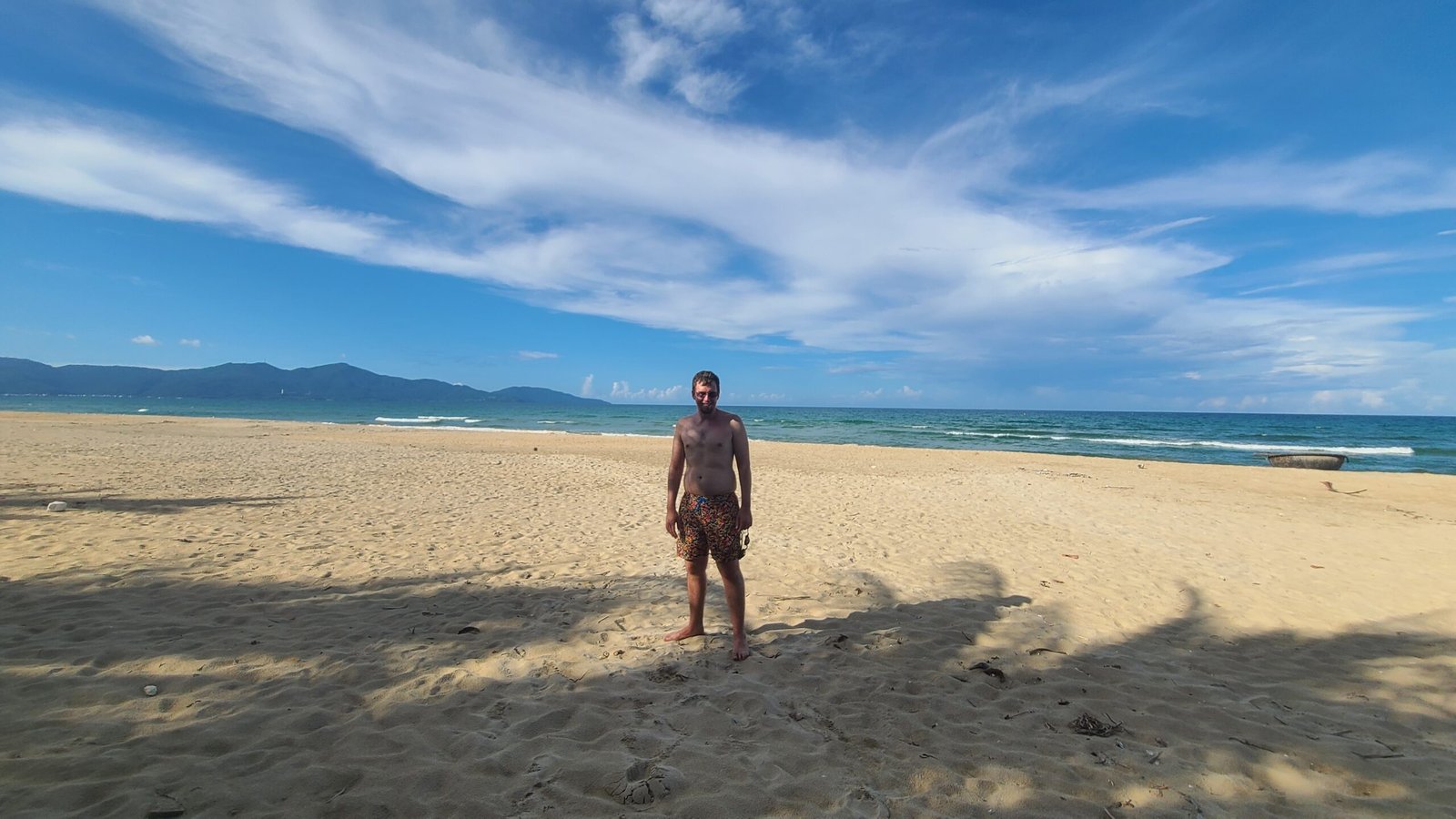

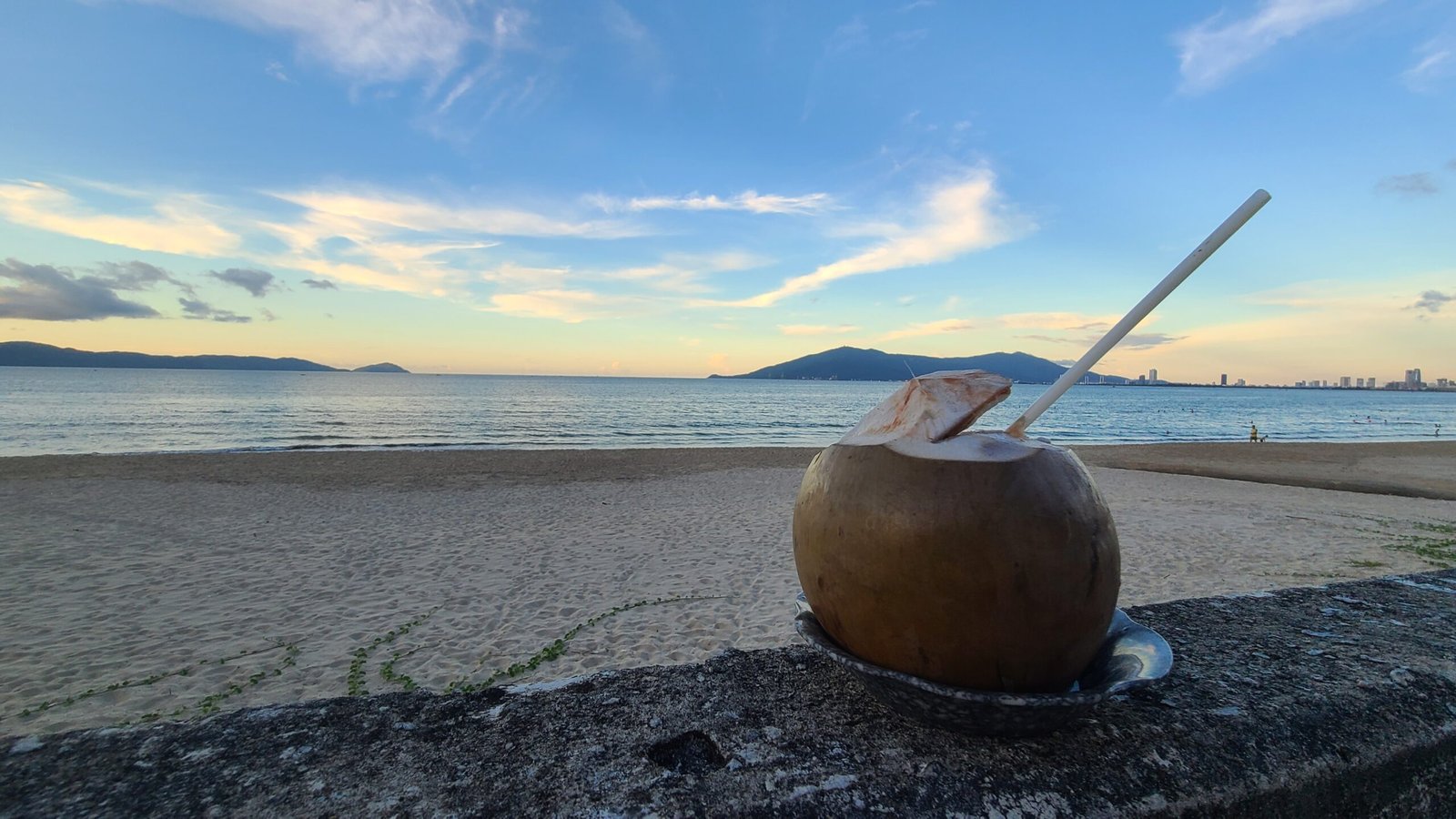
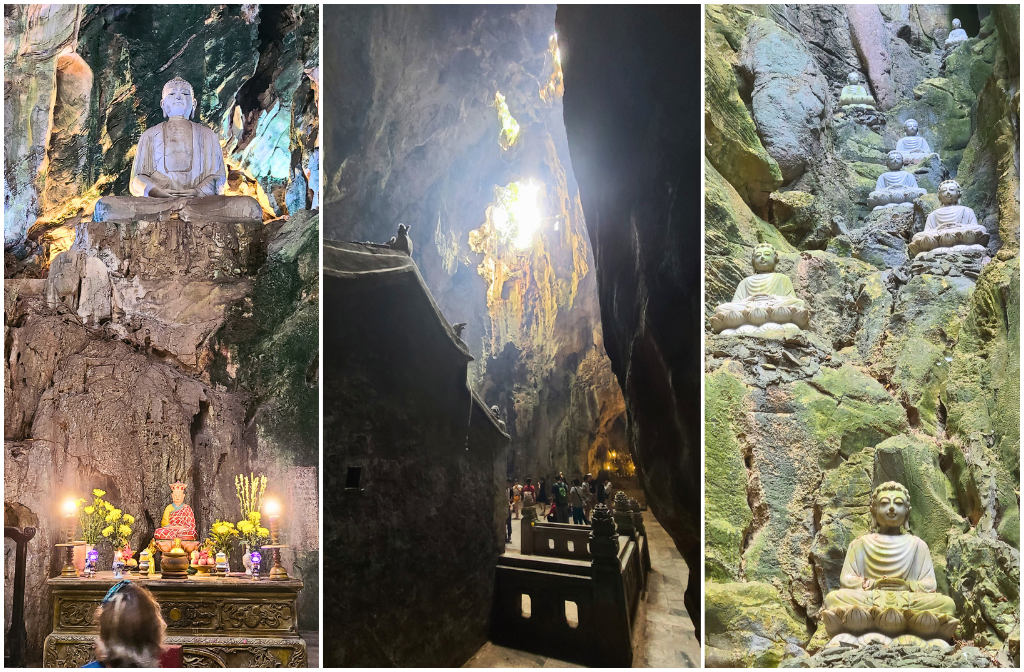
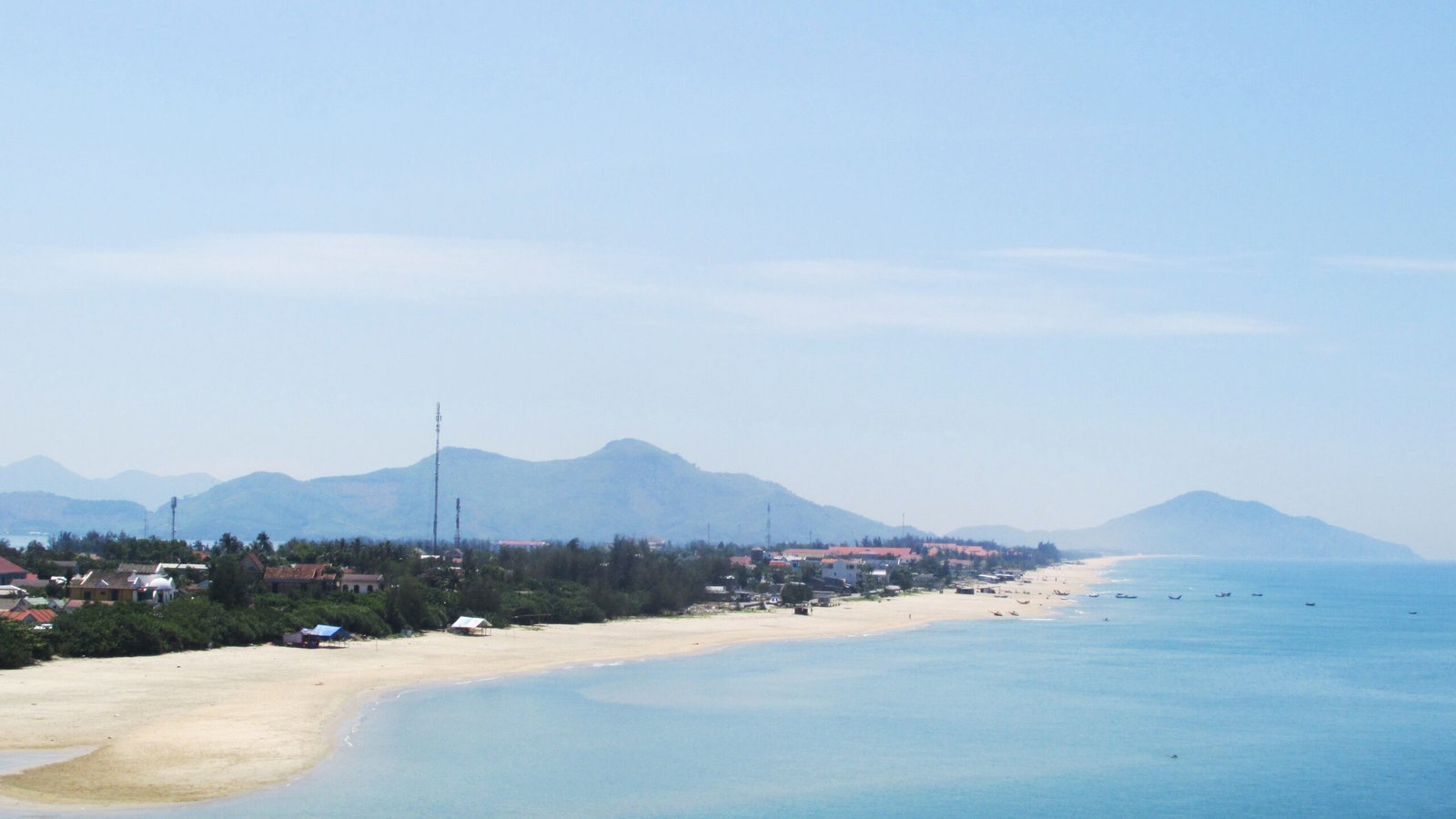
In these photos: the Marble Mountains from above and inside, and views of Da Nang, like its beaches and the Dragon Bridge.
Other places: with time to spare, see the Dragon Bridge (it breathes fire on Fridays, Saturdays and Sundays at 21:00), the Lady Buddha (a huge statue with good views) or the central market.
👉 There are tours combining several sights in one day.
Careful on a motorbike: if you ride on your own, there have recently been police checks aimed at foreigners in Da Nang. Without an international driving permit for motorbikes (A1, 1968 convention), some travellers report fines of 3 million dong.
👉 Questions about this? Everything is here: international driving permit in Vietnam
Hai Van Pass: one of Vietnam’s most spectacular routes
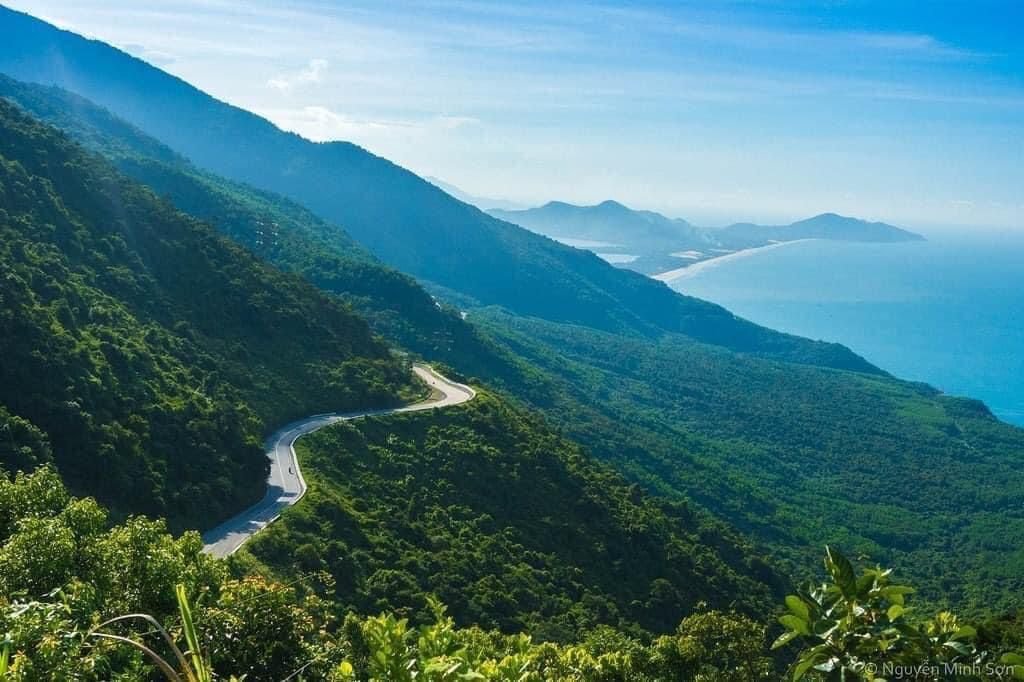
The Hai Van Pass is a mountain and cliff road connecting Hue and Hoi An/Da Nang, beautiful above all for its views. You can do it in either direction, as a transfer between cities or as a day trip.

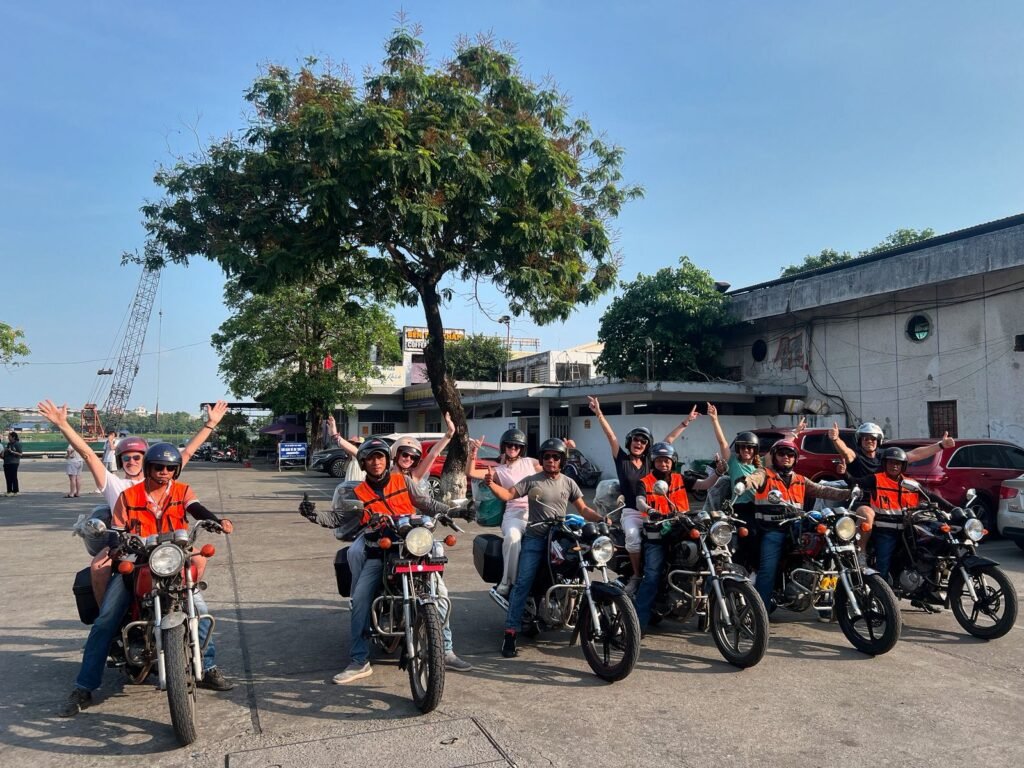
There are three ways to do the Hai Van Pass:
- Motorbike with a driver (easy rider) is the most popular. You ride as a passenger with an experienced local driver, enjoying the scenery without worrying about the road. Drivers take you to the main spots and give a short explanation of each.
👉 Le Family Riders tour (WhatsApp: +84 38 926 6792). They have a very good reputation, and both I and many travellers in my WhatsApp groups have had good experiences with them. Luggage transfer is included, and the code AlbertoVN50 gets you 50,000 VND off per person.
👉 Tours on GetYourGuide are cheaper with very good reviews, but with less known companies.
- Car with driver is a more comfortable alternative if you don’t fancy the motorbike: similar route and stops, at a calmer pace. Le Family Riders also offer this option.
- Riding on your own is totally doable. Companies like Style Motorbikes or Motorvina rent bikes for one or more days and take your luggage to your destination. If you carry all your luggage with you, though, think about security and don’t stray far from the bike.
Practical tips: bring sunscreen, water, light clothes and, in the rainy season, a raincoat. If you plan to stop at a beach, a swimsuit and towel make sense.
This is just a summary. For every option, real prices and my experience riding it, see my guide to the Hai Van Pass.
Tailors in Hoi An: my experience and tips
One of Hoi An’s most distinctive features is the number of tailors all over town. Many travellers get clothes made to measure, from suits and dresses to shirts, sandals or leather bags.
Quick guide: how much does it cost and how long does it take?
It’s usually quick: a suit or dress can be ready in about 24 hours (with at least one fitting), and simpler items even the same day. Still, if you can, don’t rush, so the adjustments come out right.
Prices vary a lot with fabric and tailor. As a guide, a shirt costs $17 to $23, and a good suit in wool or silk from $170 to $230. In my WhatsApp groups people mentioned leather sandals for $30 to $35, or dresses from $45 to $140.
👉 In my case, I had two suits with waistcoats and two shirts made at Bao Diep tailor, in high quality fabrics, for about $750 in total. It was for a wedding, so I played it safe. Back in Spain I was told something similar would cost about double.
Recommended tailors and shops

Over time I’ve gathered recommendations from travellers in my WhatsApp groups. These come up most:
- Bao Diep Tailor → good personal experience, especially for quality suits
- Thuy Huong 27 → recommended for silk dresses, at competitive prices
- Thanh design → a classic for suits and dresses
- Bebe Tailor → known for high quality and style
- Kymmy Tailor → traditional tailor with many years of experience
- Bibi Silk → small independent shop recommended by locals
For leather goods (sandals, shoes or bags), several shops are recommended too:
For more on clothes shopping in Vietnam in general, see my complete guide to where to buy clothes in Vietnam, with prices, tailors, markets and the best areas in Hanoi, Ho Chi Minh City, Sapa and more.
Where to stay in Hoi An
If you want to treat yourself, Hoi An is one of the best places in Vietnam to do it: high quality accommodation at lower prices than elsewhere in the country.
The key decision is the Old Town or the beach area.
- The Old Town is ideal if you want to walk everywhere and be close to temples, restaurants and the town atmosphere, although it’s busier and has no beach.
- The beach area (An Bang or Cua Dai) is perfect for peace and quiet, nature and roomier places, but you’ll need a bike, motorbike or Grab to reach the centre.
Places to stay near the Old Town
- The Muse House : where I stayed in 2023. Very good value, big rooms, a pool, a lovely garden and à la carte breakfast. Very attentive staff.
- Square Villa Hoi An: simple and cheap, well located for walking. Friendly service, and you can rent a bike or motorbike.
- HY Local Budget Hotel by Hoianese: charming rooms, reasonable prices, very close to the Old Town.
- Pham Gia Boutique Villa: very cheap, with a small pool. A good choice if you want something cheap not too far from the centre.
👉 For a more social atmosphere: Mad Monkey (hostel with activities and a backpacker vibe).
Places to stay by the beach
- Lamer Coastal Village: small and very quiet, with a pool and well kept rooms. A good base to enjoy the beach without crowds. There are restaurants, massage places and shops nearby, but much quieter than An Bang. I stayed here on my 2025 trip and recommend it.
- Under The Coconut Tree : practically on the beach, natural and relaxed, with great reviews for the staff.
My final tip: on your first visit, the best balance is usually staying near the Old Town but not right in it, so you can walk everywhere without so much noise or crowds.
Where to eat in Hoi An: typical dishes and recommended restaurants
Hoi An is one of the best places in Vietnam to eat well. It has its own specialities you won’t find elsewhere, and lots of choice for every budget.
What to eat in Hoi An? (My favourites)
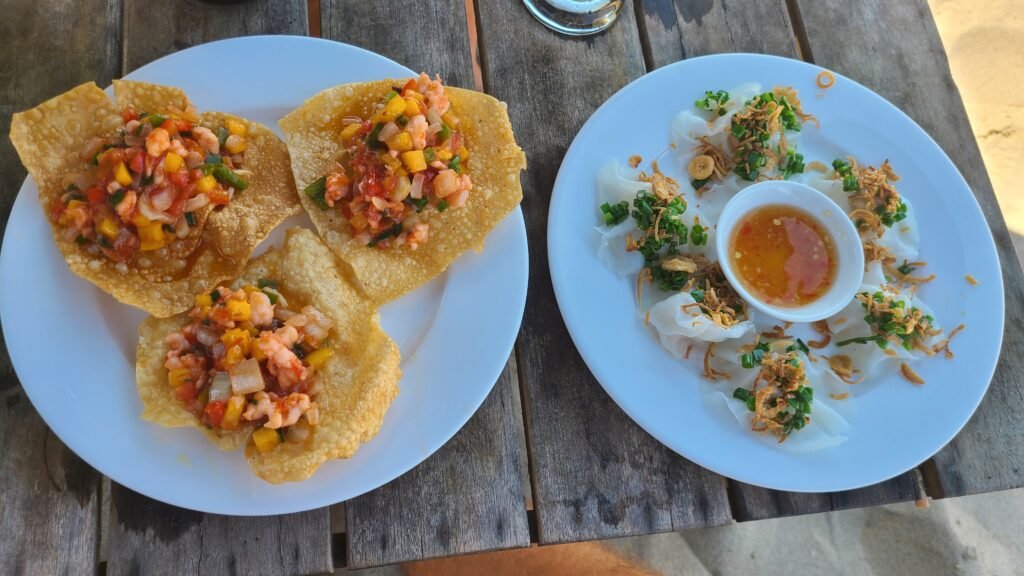
- Wonton (Hoành thánh). My favourite: crispy wafers with pork, prawns and sweet and sour sauce. Try them at White Rose or Quán Cao
- Cao Lầu and Mi Quang: the local noodles. One of the best (good and cheap) places is Mi Quang Ong Hai (they only serve those two dishes), or Quan Cao.
- White Rose: prawn dumplings with very thin dough. The original place is White Rose, where you can watch them being made by hand.
- Bánh Mì: found all over the country, but two of the most famous stalls are here: Banh Mi Phuong and Madam Khanh.
Other places worth it:
- Hai Cafe Courtyard BBQ & Restaurant in Hoi An Old Town: Vietnamese food with barbecue touches, in a pleasant setting.
- Seashell by Nu Eatery: a more modern restaurant mixing Vietnamese and Western food. Very good reviews.
- Minh Hien Vegetarian: a highly recommended vegetarian option, with tasty dishes and reasonable prices.
Hoi An beach area: recommended restaurants
- Rustic House restaurant and bar: good for fish and Vietnamese dishes in a relaxed setting.
- Sniff Hit Ha Cafe: a café with lots of desserts (cakes), sandwiches and generally healthy food, Italian style coffees (cappuccino, latte), soft drinks and draught or bottled beer. A nice spot to enjoy the sea, with toilets, a changing area and showers.
- Seafood restaurant area: restaurants with fish tanks where you choose your seafood. A very local experience, so you’ll probably need a translation app.
Found somewhere worth it? Share it in the comments.
What’s the weather like in Hoi An through the year?
Hoi An’s climate is tropical, warm all year round. The main difference isn’t cold or heat, but rain and humidity.
When is the best time to visit Hoi An? Month by month
Broadly, there are several periods:
- February to May. The best time: pleasant temperatures (20 to 30°C), little rain and fairly sunny days, ideal to combine town and beach.
- June to August. Hot and humid, 30 to 35°C (and it feels hotter). Ideal for the beach, but walking around the centre at midday can be exhausting. Fine to travel, but take it easy, get up early and avoid the middle of the day.
- September to November. The rainiest months, with the highest typhoon risk. When one hits, the Old Town often floods as the Thu Bon river rises. Still, life goes on, and some people have even taken boat tours through the flooded Old Town. If you travel then, book everything with free cancellation, in case a typhoon forces you to change plans.
- December and January. Cooler, with possible rain, wind and grey days. You may need a jacket or sweatshirt, and it’s generally not beach weather.
| Season | Weather | Recommended? |
|---|---|---|
| February to May | Dry, sunny, 20 to 30°C | ⭐ Best time |
| June to August | Very hot and humid | ✔ Yes for the beach |
| September to November | Rain and typhoons | ⚠️ Typhoon risk |
| December to January | Cooler, cloudy | 🌥️ No beach, yes Old Town |
💡 Tips for visiting Hoi An in summer (July and August)
I won’t lie: these months are seriously hot. But there’s an upside: it’s the best time to enjoy the beach, and the skies are usually spectacular for photos.
To make the most of it, copy the locals’ rhythm:
- Mornings, 6:00 to 10:00: time for the Old Town or My Son. From 11:00, the stone houses give off heat and it gets heavy.
- Midday refuge: time for the hotel pool, a long nap with air conditioning or a calm lunch somewhere with strong fans.
- Beach afternoons: from 16:00, head to An Bang or Cua Dai Beach, and watch the beach fill with local life as the sun goes down.
- Magical nights: Hoi An comes alive from 18:30, when it’s at its best and the town really shines.
Hoi An FAQ
Where to change money in Hoi An?
There are several places to change money in the Old Town, but the most recommended is Phu kien Sasa (Sasa Accessories).
You can also withdraw cash at ATMs, especially VPBank, which charges no fee. A travel card like Wise can be a good option.
👉 To understand how to change money, avoid fees and which options are most reliable, see: changing money in Vietnam
How to get from Da Nang airport to Hoi An?
The usual way to reach Hoi An is to fly or take the train to nearby Da Nang. If you’re not sure which option suits you from Hanoi or Ho Chi Minh City, it’s all in my complete guide to getting around Vietnam. Once you land in Da Nang, your options are:
- Grab or Green SM → the most comfortable and usually cheap option, around 250,000 to 350,000 VND ($10 to $14). If you haven’t downloaded them yet, see my article on the best apps for travelling in Vietnam.
- Private transfer → usually around 300,000 to 400,000 VND. After a long trip, it can be worth having someone waiting with your name.
👉 For reference, my recommended agency currently charges 300,000 VND (4 seat car) and 350,000 VND (7 seats) for this route. Holiday Travelling WhatsApp contact - Bus or shuttle → cheaper but less flexible. When I went, the next one was an hour away, so I took a Grab.
Alberto’s tip: ignore drivers who approach you offering a taxi in the terminal. Taxi scams exist in Vietnam, and ordering your Grab or Green SM in the official app, or booking a private transfer, saves you potential trouble.
Is Hoi An worth visiting?
If you’re wondering whether to include Hoi An in your route, the short answer is yes.
Hoi An is one of Vietnam’s most special destinations. Yes, it’s touristy, and yes, it can be crowded at certain times, but it still has something that makes it different and unique.
With its lantern lit streets, its mix of cultures, its food and all the plans in and around town, it’s a place you’ll enjoy hugely if you organise it well.
More questions about Hoi An?
Any question about your trip? Leave it in the comments and I’ll be happy to help. I’ve also just started a WhatsApp group in English: it’s small for now, but you’re very welcome to join and ask anything.
👉 If you’re planning your trip, these come next: