


I’ve been to Sapa more times than I can remember and tried every transport option. Each has pros and cons, and the best one depends on how you like to travel and the time of year.
The sleeper bus is the most efficient: cheap, straight from the Old Quarter, arriving in the early hours, so you can sleep on the bus until 6 or 7 and start your day early. In summer this matters: trekking from 7 is a very different story from setting off at 10 with the sun beating down.
The train is clearly the most comfortable for sleeping, but it goes to Lao Cai, not Sapa, so you need another bus. You arrive a bit later, which in summer can mean trekking in more heat.
The limousine minibus (VIP van) is good by day. At night, drivers tend to go pretty wild, so it’s less pleasant.
| Transport and approx. price | Journey time | Best for… |
|---|---|---|
| Standard train 520k VND ($20) | 8h + 1h bus to Sapa | Sleeping well, standard quality |
| VIP train 1,100k to 1,800k VND ($42 to $69) | 8h + 1h bus to Sapa | Nicer decor, a little more premium |
| Sleeper bus 360k VND ($14) | 5 to 6h | Spending as little as possible, less comfortable |
| VIP sleeper bus 500k VND ($19) | 5 to 6h | Cabin bus, more space and privacy |
| Minibus 630k to 680k VND ($24 to $26) | 5 to 6h | Travelling sitting up, leather seats, no bunks |
Below I explain the four options with their pros and cons so you can choose. Not sure yet what to see there? Here’s my complete Sapa guide. And for the logistics of your whole route, see my general guide on how to get around Vietnam.
The train, for those who want a good night’s sleep
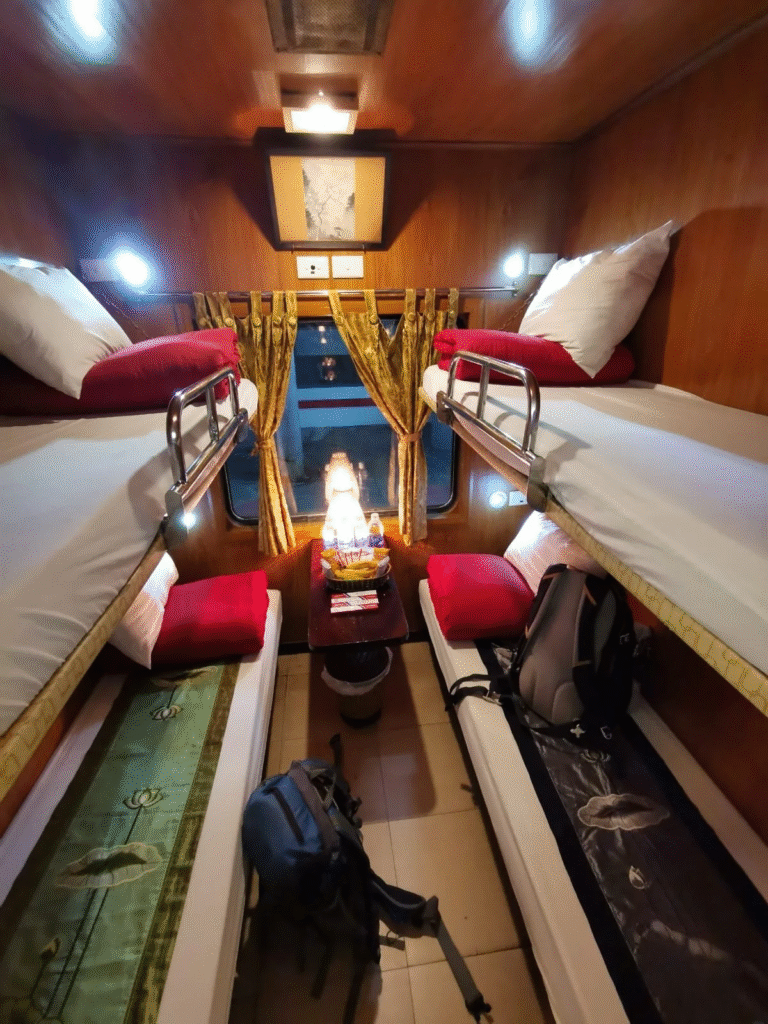
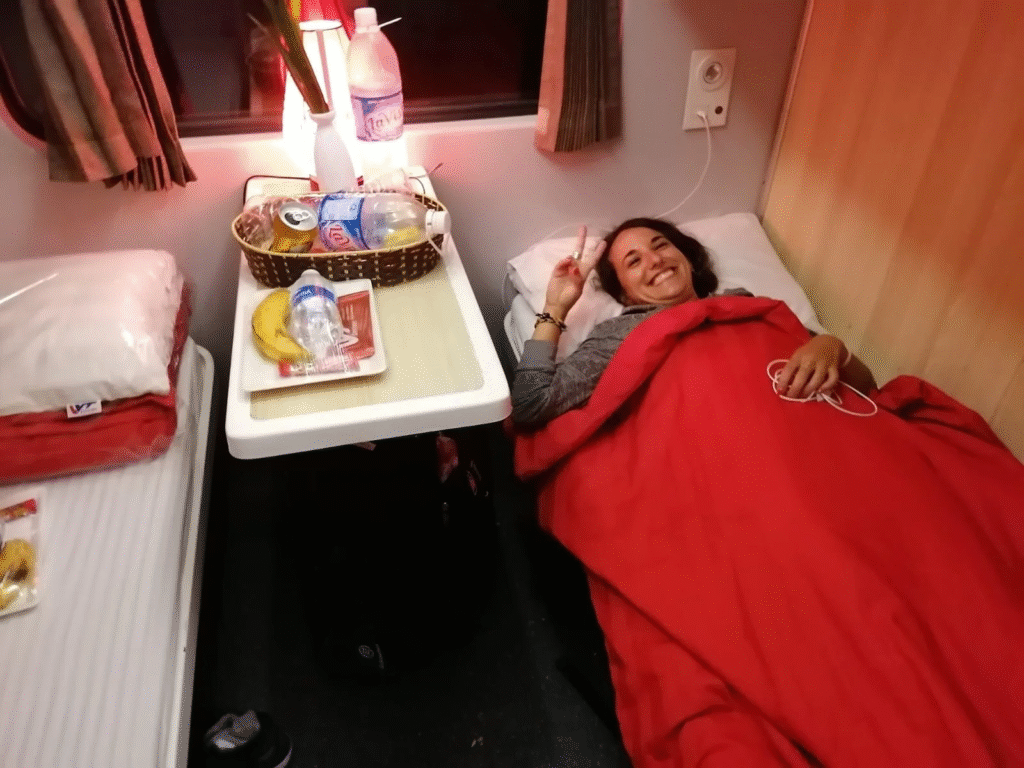
The train is the most comfortable way to get to Sapa, and I’ve tried every option. You lie on a proper mattress, completely flat, with enough room. Trains also have charm: wooden walls and floors, an old fashioned feel… a cultural experience in itself.
Trains leave Hanoi between 21:35 and 22:00 and reach Lao Cai between 5:15 and 5:55, about 8 hours. You can book on this page. A standard cabin costs around 520k VND ($20). VIP cabins from companies like Chapa, Laman or Sapaly cost 1,100k to 1,800k VND ($42 to $69): nicer decor and a bit more comfort, but exactly the same journey.
My recommendation: a 4 berth cabin is great (I’ve heard the 6 berth one is too cramped for that many people).
The train doesn’t go straight to Sapa: it stops in Lao Cai, 35 to 40 km away. The cheapest way on is the white, yellow and red public bus (50,000 VND, about $2) from the square right in front of the station. Minivans also usually wait for the train; haggle for around 100k VND (about $4) per person. To book in advance, Thanh Son Bus does the trip for 90,000 VND (about $3.50). A taxi can cost around 500,000 VND ($19).
Sleeper bus, for those who want to get there fast and cheap
The sleeper bus is the most direct and cheapest option: they pick you up in the Old Quarter and drop you in Sapa in 5 to 6 hours, with no changes.
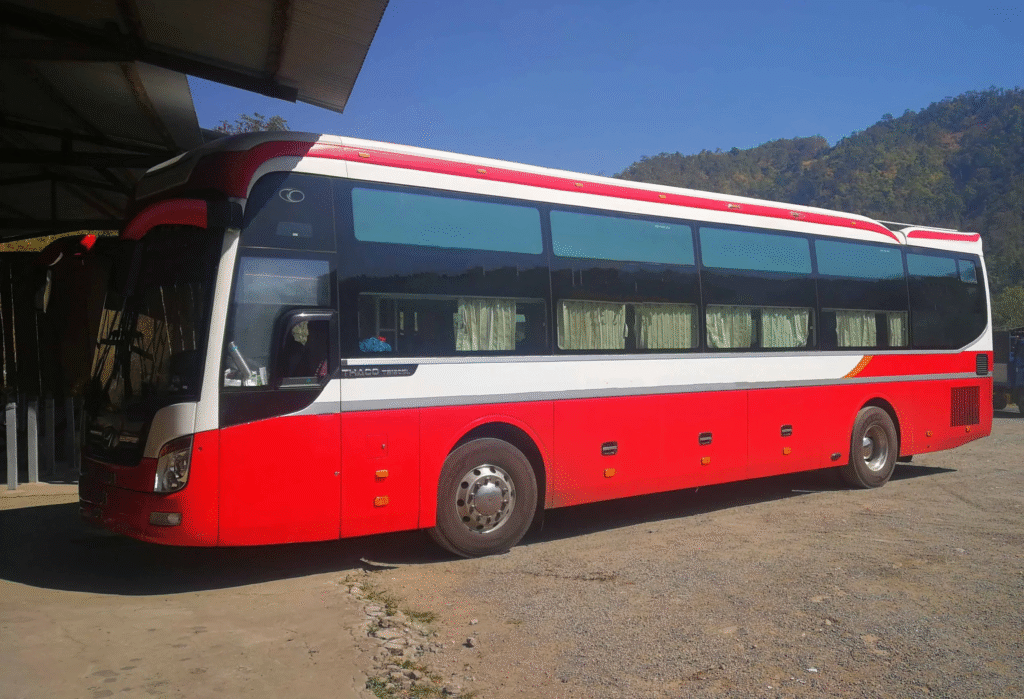
These days there are two kinds of sleeper bus:
- The standard one is the classic bus with reclining bunks: cheaper (around 360k VND, $14) but narrower, with seats designed for Vietnamese sizes. Big people won’t feel completely comfortable.
- The VIP or cabin bus (around 500k VND, $19) has really taken off: more space, some privacy with a curtain, a USB port and, in some, even a massage function. Worth the difference.
| Bunk bus | Cabin bus | |
|---|---|---|
| Approx. price | 350k VND ($13) | 500k VND ($19) |
| Space | Narrow, designed for Vietnamese sizes | Roomier, with a privacy curtain |
| Extras | Blanket | Blanket, USB, some with massage |
| Best for… | Spending as little as possible | A bit more comfort and privacy |
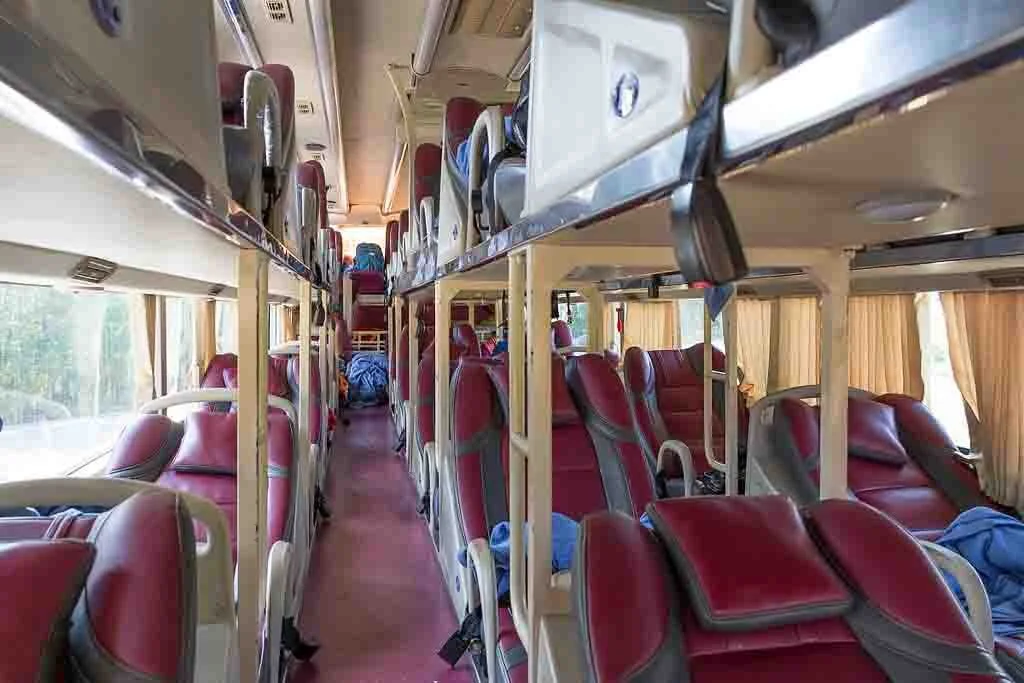
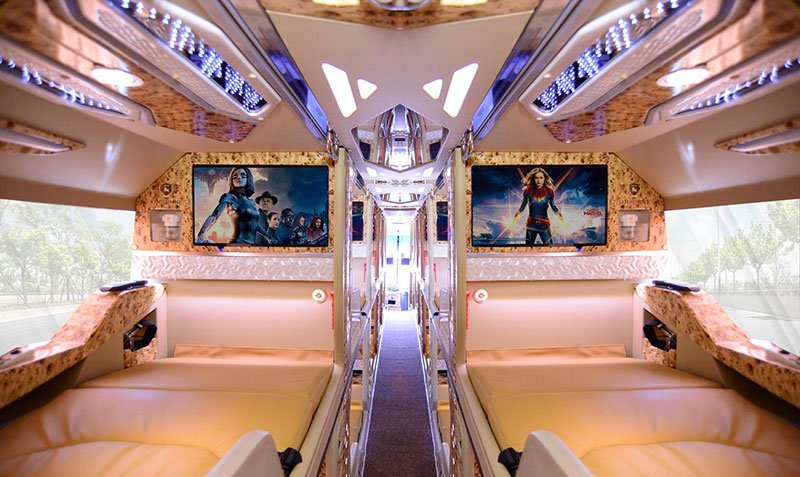
Either way, the driving is what it is: sudden swerves, accelerating and braking. Sleeping well is hard, but you get there directly and save a night’s accommodation.
Best companies: Sapa Express, G8, HK Bus and Fansipan are among the most reliable, and you can book them on Vexere or Baolau.
The minibus, for those who’d rather travel sitting up

The minibus (or limousine van) is best if you don’t fancy lying down: reclining leather seats, air conditioning, WiFi and a USB port, from the Old Quarter to Sapa in 5 to 6 hours with no changes.
It costs 600k to 700k VND ($23 to $27) depending on the seat (the middle ones are usually a little dearer than the back ones). The most expensive of the three, but the most comfortable by day.
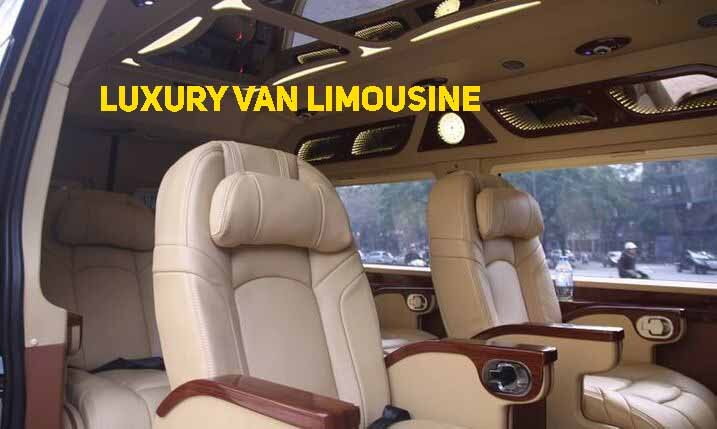
At night, though, these drivers tend to go quite fast (the vans are lighter than buses), so it may not be relaxing. Light sleepers or anyone prone to travel sickness should avoid the night minivan.
Recommended companies: Eco Sapa Limousine, which you can book on Vexere or Baolau.
Those are the 4 best ways to get to Sapa. I hope you now know which one to choose.
What’s the best way to get to Sapa?
If I could only recommend one: the VIP cabin sleeper bus is probably the best value for money: direct, reasonably comfortable and 5 to 6 hours. For a really good night’s sleep, the train is best, but add the change in Lao Cai. And if lying down isn’t your thing, the minibus is the most comfortable way to travel by day.
Frequently asked questions
Where do they pick you up and drop you off?
Most sleeper buses and minibuses pick you up in Hanoi’s Old Quarter and drop you in central Sapa. Some pick you up at your hotel; with others you go to their office, so check when you book. The train leaves from Hanoi station (Ga Hà Nội), a 15 to 20 minute walk from the Old Quarter. Coming straight from the airport? Bus 86 stops at the same station; see my guide on how to get from Hanoi airport to the city centre.
How much luggage can I take?
On the train and sleeper buses big suitcases usually aren’t a problem: there’s a large hold under the bus or space in the carriage. Minibuses have a much smaller boot, so keep that in mind with a big suitcase. Always keep fragile things (laptop, camera…) with you. As long as you’re not moving house, you’ll be fine.
Are sleeper buses comfortable for tall or big people?
Sleeper buses, even VIP cabins, are designed for Vietnamese sizes. I’m 1.83 m (6 ft) and have never been able to stretch out fully in a cabin; you can lie curled up, but at 1.90 m (6 ft 3) it can be quite uncomfortable. Then the train is better: you can stretch out, with no swerving or sudden braking.
Do sleeper buses in Vietnam have a toilet?
It depends on the company. Some VIP cabin buses (like Sao Viet’s) have a toilet, but most don’t. All sleeper buses usually make one or two stops of about 20 minutes on the way. Minibuses have no toilet and also make stops.
Is it cold on the buses?
Not always, but sometimes. The air conditioning is often turned right up and the blankets aren’t always enough, so bring a hoodie and socks.
Any questions left?
Still planning? Have a look at my articles on what to pack for Vietnam, which vaccines you need and which travel insurance I recommend and why (all in Spanish).
Any questions, or experience with these options to share? Leave me a comment below. I read and reply to all of them.