


This article expands on one specific but key point for anyone who wants to ride the Ha Giang loop and has doubts about their international permit. For full information on the loop, have a look at my guide to planning a trip to Ha Giang.
Can you ride legally in Vietnam with an international driving permit?
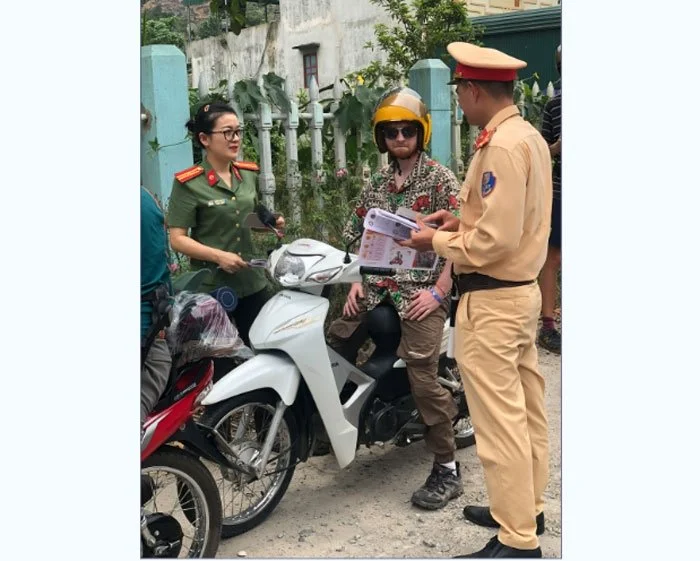
Only international permits issued under the 1968 Vienna Convention on Road Traffic are valid in Vietnam, since the country joined this treaty on 20 August 2014, as also stated in Vietnamese regulations (in Vietnamese).
This means international driving permits issued by countries like the United Kingdom, Brazil, Peru, Uruguay, Cuba or Greece can be used legally to drive in Vietnam.
However, Vietnam doesn’t recognise international permits under the 1949 Geneva Convention, which leaves out countries that issue permits based on it, like the United States, Spain, Argentina or Chile.
To ride legally in Vietnam you need:
- 1) Your original licence from your country,
- 2) the international driving permit (IDP) under the 1968 convention, issued in your country by the competent government authority. ⚠️ This permit can’t be obtained in Vietnam, and websites offering it are fraudulent.
1949 vs 1968: why 1949 permits aren’t valid in Vietnam
At first glance it might look as if Vietnam is part of the 1949 Geneva Convention on Road Traffic, as it appears as joining in 1953. However, the state that signed that treaty wasn’t today’s Socialist Republic of Vietnam, but the former Republic of Vietnam, a state linked to the United States during the Vietnam War. That state was defeated and disappeared at the end of the war. That’s why today’s Vietnam isn’t considered bound by that treaty.
Possible consequences of riding without a 1968 international permit
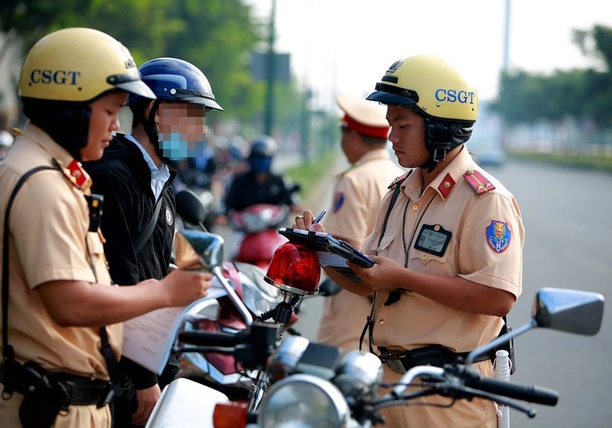
Police checks in Ha Giang
Ha Giang police are very strict, much more than in most places in Vietnam. Police in the Ha Giang area systematically stop tourists to make sure they have a valid 1968 international permit that covers motorbikes. Checks are often on the outskirts of Ha Giang city, but sometimes also on more remote roads of the loop.
Travellers regularly report cases where people with the wrong international permit, or none at all, were made to pay fines (of $55, $110 or more). They’re usually allowed to continue, although your bike can also be confiscated. I’ve heard of cases first hand through the Vietnam con Alberto community’s travel groups (in Spanish).
What happens if you have an accident without a valid licence?
Riding with the wrong licence can have other serious consequences. For example, if you have an accident and injure someone while riding without a valid licence, this could mean that:

- You’re automatically considered at fault, whatever the circumstances. So you’ll very likely end up compensating the person or people involved and paying their medical costs from the accident.
- Your passport is taken or you’re even detained pending trial, depending on how serious the incident is.
- Your travel insurance doesn’t cover your medical costs, because you were riding illegally. You might call your insurer and get medical care covered with no further questions, but you might not. I know first hand of a South African tourist without an international permit whose insurance didn’t cover the medical costs (thousands of dollars) from an accident that wasn’t his fault.
What can you do if your licence isn’t valid in Vietnam?
The best option for the loop is to hire an easy rider, an experienced local driver who rides the bike while you enjoy the scenery. It’s legal, safe and often more interesting: they usually know viewpoints and stops you’d miss on your own.
👉 Find out how to organise the Ha Giang loop with an easy rider
If you’re a long term resident, you can convert your licence to a Vietnamese one, but it’s not an option for tourists: it requires a visa of more than three months, several weeks of paperwork and a considerable cost. The licence you get also expires when your visa does.
Is Ha Giang a good place to learn to ride a motorbike?
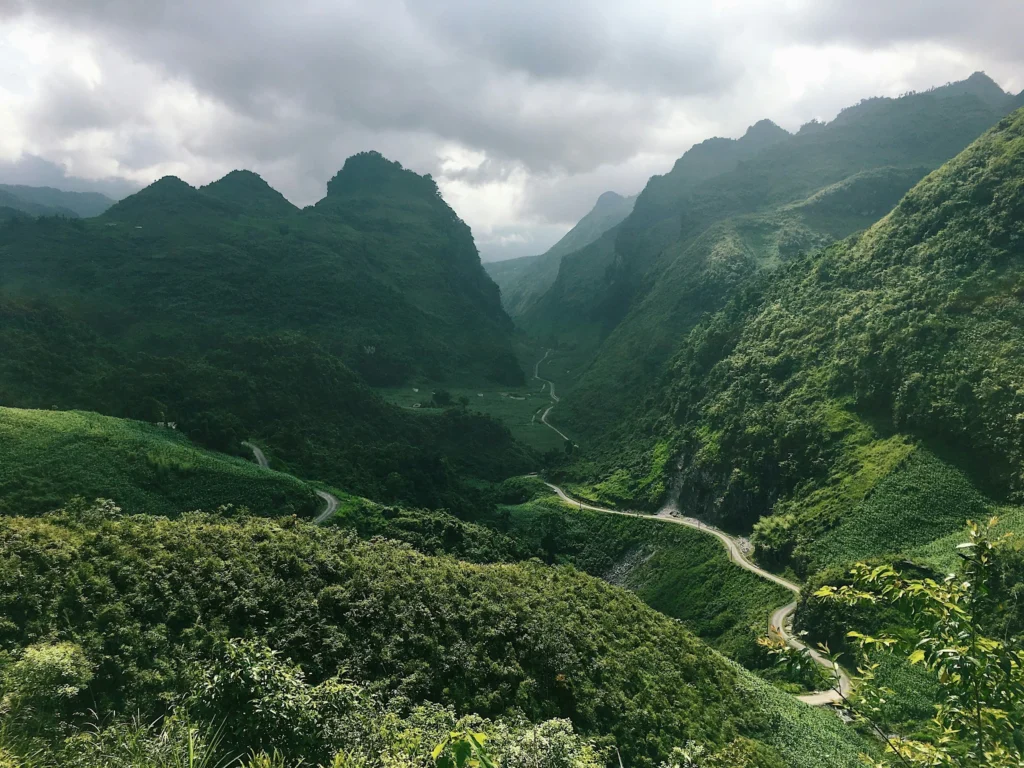
The Ha Giang loop runs through a mountainous area, with winding roads and steep gradients. At certain times of year, storms can also cause landslides, covering the road in mud and making riding much more dangerous.
Although the Ha Giang loop isn’t an extremely dangerous route in good weather, it does carry some risks, especially for inexperienced riders. In fact, in recent years several deaths of foreign tourists in road accidents on this route have been reported.
In conclusion, I advise against renting a motorbike if you have no previous riding experience. You can check alternative ways to do the loop in my guide to planning a trip to Ha Giang.
Questions about your route or licence?
I’ve also just started a WhatsApp group in English: it’s small for now, but you’re very welcome to join and ask anything.
And if you have a specific question about the licence or the loop, leave it in the comments. I answer them all.